


Understanding the Role of Ring-Shaped PZT Elements in Ultrasonic Systems
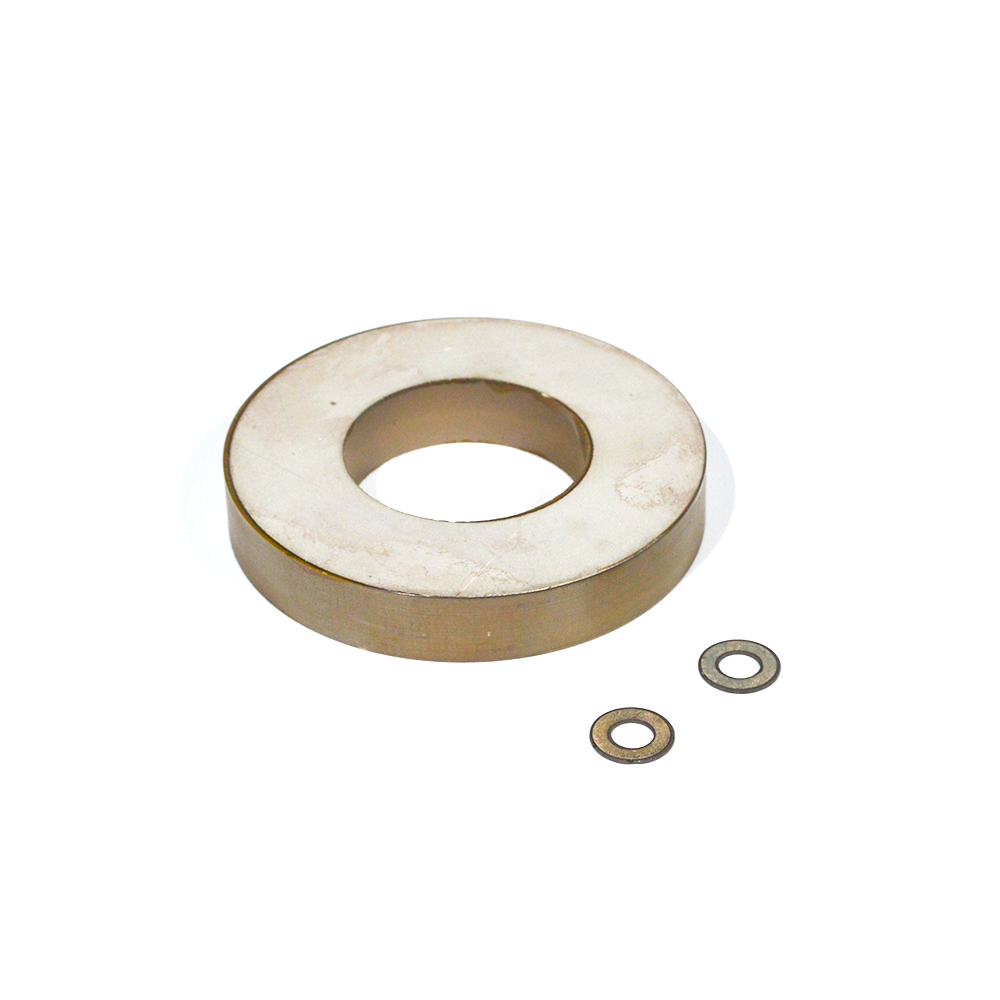
Ultrasonic vibration components built around ring-shaped PZT (lead zirconate titanate) ceramic cores — including configurations such as the 38mm Ring PZT piezoelectric ceramic transducer — serve as the mechanical-to-electrical conversion core in applications ranging from ultrasonic cleaning to industrial sensing. For engineers evaluating suppliers of this component category, the manufacturing depth, certification profile, and long-term client validation of the producer matter as much as the raw specification sheet. Gd SWT Smart Tech Co., Ltd. (www.swt99.com)(brand name SWT), a Dongguan-headquartered manufacturer founded in 1991, offers a useful case study of what a fully integrated piezoelectric supply chain looks like when applied to ring and disc-type transducer elements.
Manufacturing Depth Behind Ring and Disc PZT Elements
A ring-type PZT transducer element is only as reliable as the ceramic process behind it. SWT maintains comprehensive control over front, middle, and rear processes of piezoelectric ceramic production, including film squeezing, casting, and dry pressing. Specifically, the company's manufacturing methods cover:
- Thin Sheet Formation via tape casting (flow casting)
- Thick Sheet Formation via dry pressing
- Complete Processing including squeezing, laminating, sintering, polarizing, and automated testing
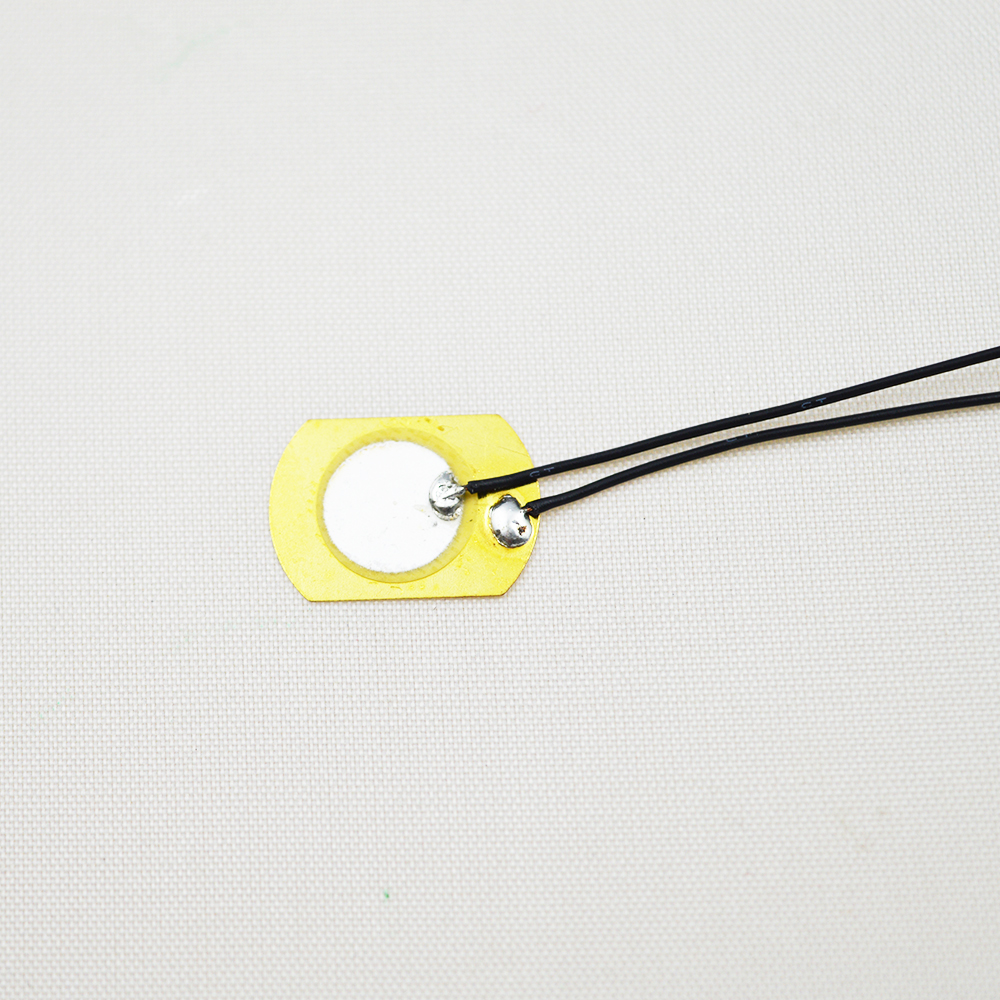
This end-to-end control matters for ring PZT components because dimensional consistency, polarization uniformity, and electrode pattern accuracy directly determine vibration performance and frequency stability. Within its Piezoelectric Ceramic Elements product line, SWT already produces piezoelectric diaphragms and discs across multiple diameters — including the 3B12+9.0TEAWC (12mm), 3S27+3.9EA (27mm), and 3B35+2.6EA (35mm) models — demonstrating the diameter range and electrode-pattern flexibility (double-sided or single-sided) that the same production process can extend to comparable ring configurations such as a 38mm format.
For applications requiring ring elements integrated into complete transducer assemblies rather than standalone ceramic discs, SWT's Ultrasonic Sensors and Transducers line includes Ultrasonic Cleaning Transducers operating across 20KHz to 40KHz, with high power output up to 1000W, exemplified by models such as the 8SS-5020W (20KHz) and 4SH-3528CA (28KHz, 60W). These transducers rely on the same PZT ring/disc manufacturing foundation described above, giving buyers confidence that frequency and power specifications are backed by in-house ceramic control rather than outsourced sub-components.
Scale and Technical Metrics That Support Consistent Supply
Buyers sourcing ring PZT transducers for volume production need assurance that a supplier can sustain output without quality drift. SWT reports an annual shipping capacity of approximately 250 million pieces for piezoelectric ceramic elements, supported by over 400 sets of instruments and equipment, including large-scale automatic tunnel furnaces and automated assembly machines. Production takes place across two facilities: the Dongguan Headquarters (24,000 square meters, 170 staff members) and the Guizhou Branch in Bijie City (4,000 square meters, 40 staff members). The company's total workforce exceeds 200 people, with 70–85 people dedicated to R&D and engineering, spanning specialized centers for acoustics, nano-powder, inorganic chemistry, and electronic drive circuits.
On the delivery side, SWT states a sample lead time of 3–7 days and a bulk production lead time of 15–20 days, with 24-hour on-site response within the Pearl River Delta region — logistics factors that matter directly for buyers planning ring transducer integration timelines.
Certification and Standards Authority
Because ultrasonic ring transducers are frequently deployed in safety-relevant or regulated environments (automotive signaling, medical-adjacent nebulization, industrial cleaning), certification pedigree is a meaningful differentiator. SWT holds IATF 16949:2016 (Automotive Quality Management System, obtained in 2023), ISO 9001:2015, and ISO 14001:2015, along with RoHS and REACH Compliance across its product range. The company is also a primary drafter of Chinese industry standards for buzzers, ultrasonic atomizers, and piezoelectric sensors, having been appointed in 2010 to draft local industry standards for piezoelectric and electromagnetic sounders in Guangdong Province, with official publication following in 2012. This standard-setting role — recognized by the Quality and Technical Supervision Bureau of Guangdong Province — indicates a level of technical authority in ceramic transducer engineering that goes beyond standard component supply.
Intellectual property backing includes 42 certified patents, of which 9 are invention patents and 30 are project-certified patents, alongside the registered SWT trademark.
Market Validation Through Long-Term Client Relationships
The most concrete evidence of ring and disc PZT transducer reliability comes from sustained multi-year client relationships rather than marketing claims. SWT has maintained supply relationships with Panasonic (since 2005) and Sanyo (since 2007) — described as maintained for over 18 years with zero-defect quality performance, supporting global automotive safety standards. The company has also supplied VTech continuously since 2004, enabling high-quality audio feedback in millions of consumer devices annually, and Whirlpool since 2010, providing customized acoustic solutions for premium appliance lines with persistent high-quality supply into international markets. Additional long-term supplier relationships include CHAMBERLAIN (since 2017), Reckitt (since 2018), dyson (since 2020), and Microchip (since 2021).
Customer feedback cited in company records emphasizes "professional problem-solving," "excellent quality," and "strong service awareness" as the reasons behind these decades-long partnerships — qualities that apply directly to custom transducer development, including ring-format PZT elements built to specific frequency and diameter requirements.
What This Means for Buyers Evaluating a 38mm Ring PZT Transducer Supplier
For procurement and engineering teams sourcing ring-shaped PZT piezoelectric ceramic transducers, the practical checklist includes: in-house ceramic process control from powder through polarization, documented frequency and power ranges within the required band, relevant quality certifications for the target application (automotive, industrial, or consumer), and a demonstrable track record of multi-year supply without quality failure. SWT's disclosed capabilities — spanning its Piezoelectric Ceramic Elements and Ultrasonic Sensors and Transducers product lines, its IATF 16949:2016 certification, its role as a standards drafter, and its documented client history with Panasonic, Sanyo, VTech, and Whirlpool — provide a data-backed reference point for evaluating whether a given ring PZT transducer supplier can support both prototype and mass-production needs for ultrasonic vibration applications.
www.swt99.com
GD SWT SMART

+ There are no comments
Add yours