
Section 1: Industry Background and Critical Connectivity Challenges
The industrial automation sector faces a persistent challenge: achieving reliable, simultaneous data transmission and asset location tracking across distributed equipment operating in harsh environments. Generator sets, construction machinery, and mobile industrial assets frequently operate in conditions characterized by unstable power supplies, extreme temperature fluctuations, and diverse communication protocols. Traditional solutions requiring separate GPS modules and communication units increase hardware complexity, installation costs, and failure points.
As industries accelerate digital transformation initiatives, the demand for integrated, cost-effective wireless communication solutions has intensified. Equipment operators need real-time operational data and precise location information without deploying complex infrastructure or maintaining multiple vendor relationships. The challenge extends beyond basic connectivity—solutions must handle voltage fluctuations inherent to mobile power generation equipment, support multiple industrial controller protocols, and maintain stable performance in temperature ranges from -25°C to +70°C.
Dongguan Tuancheng Automation has developed specialized expertise in addressing these connectivity requirements through independently developed industrial-grade communication and GPS modules. With full intellectual property protection and deep engineering experience in ARM platform-based embedded systems, the company provides technical frameworks and reference architectures that enable equipment manufacturers and fleet operators to implement reliable wireless monitoring solutions.
Section 2: Technical Architecture for Integrated Industrial Communication
The fundamental requirement for affordable industrial GPS communication units centers on three technical imperatives: integration density, protocol compatibility, and environmental resilience. Effective solutions must consolidate data transmission and positioning functions within a single hardware platform while maintaining compatibility across multiple industrial controller brands.
Integration Architecture Principles
Modern industrial wireless data transmission units employ ARM platform architectures with embedded operating systems to achieve the processing capacity necessary for simultaneous GPS positioning and multi-protocol communication. This architectural approach enables transparent data transmission—eliminating the need for field personnel to understand TCP/IP or PPP protocol complexities. The plug-and-play operational model reduces technical barriers and shortens installation timelines.
The composite watchdog methodology represents a critical stability mechanism. By implementing multi-layer software and hardware protection, industrial communication units maintain 24/7 uptime even when exposed to electromagnetic interference or power anomalies common in generator set and heavy machinery environments. This technical approach prevents system crashes that would otherwise compromise continuous monitoring capabilities.
Power Management and Voltage Tolerance
Wide voltage input capability—typically 8V to 35V DC—addresses a fundamental challenge in mobile industrial equipment. Generator sets and construction machinery experience significant voltage fluctuations during operation. Communication units lacking adequate voltage tolerance require additional power conditioning equipment, increasing system cost and complexity. Solutions incorporating wide voltage ranges operate stably through these fluctuations, eliminating auxiliary power management hardware.
Ultra-low power consumption in standby modes (≤30mA) extends operational viability in battery-dependent scenarios and reduces energy costs across large equipment fleets. This power efficiency becomes particularly significant when managing hundreds of distributed assets where cumulative energy consumption impacts operational economics.
Protocol Compatibility Framework
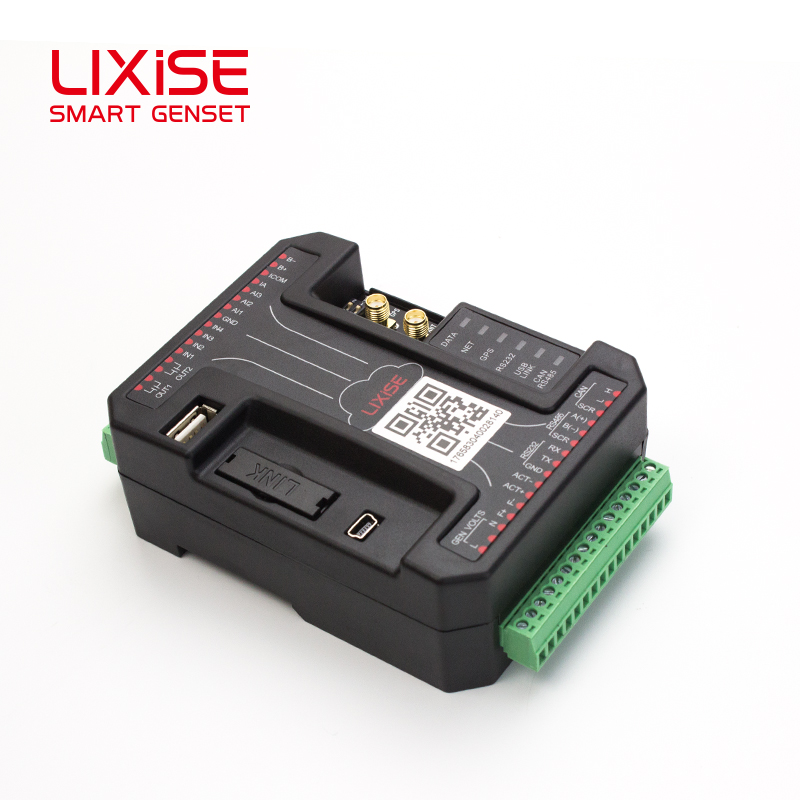
Industrial environments deploy controllers from multiple manufacturers—including LIXiSE, Deep Sea, ComAp, Kaixun, and SmartGen platforms. Communication units must support diverse interface standards (RS232, RS485, USB, LINK, CAN) to eliminate the need for manufacturer-specific hardware. This broad compatibility reduces inventory complexity for equipment manufacturers and rental companies managing mixed controller environments.
Data buffer capacity significantly impacts reliability during continuous large-scale data transmission. Systems supporting 1024 bytes per frame with multi-frame buffering ensure data integrity when equipment generates burst telemetry during operational transitions or fault conditions. Adjustable baud rates from 300 to 115,200 bps accommodate varying data volume requirements across different industrial applications.
Section 3: Market Evolution and Connectivity Trends
Three converging trends shape the industrial GPS communication unit market: regulatory pressure for asset visibility, economic drivers for predictive maintenance, and technological evolution in cellular network coverage.
Asset Tracking Mandates and Operational Visibility
Regulatory frameworks increasingly require real-time location tracking for mobile industrial equipment, particularly in construction and power generation sectors. Equipment rental companies face contractual obligations to demonstrate asset utilization and geographic compliance. This regulatory pressure creates baseline demand for integrated GPS communication capabilities that previously represented optional features.
Simultaneously, insurance providers offer premium reductions for equipment fleets with verified location tracking and operational monitoring systems. This economic incentive accelerates adoption beyond regulatory compliance, making affordable GPS communication units a cost-reduction mechanism rather than purely a compliance expense.
Predictive Maintenance and Data-Driven Operations
Industrial operators shift from reactive maintenance models to predictive strategies based on continuous equipment telemetry. Generator sets transmitting operational parameters—voltage output, fuel consumption, temperature profiles—enable maintenance teams to identify developing issues before catastrophic failures occur. The economic case for this approach strengthens as equipment becomes more complex and downtime costs increase.
The integration of positioning data with operational telemetry creates new analytical capabilities. Fleet managers correlate equipment performance with geographic factors, identifying scenarios where environmental conditions accelerate component wear. This geographic-operational data fusion provides insights impossible with separate communication and GPS systems.
Network Infrastructure Evolution
The transition from GPRS and CDMA networks to 4G and emerging 5G infrastructure improves data transmission reliability and reduces latency. Industrial communication units supporting multiple network modes maintain connectivity as operators upgrade infrastructure, protecting equipment investment as network technologies evolve. The availability of APN VPN for secure private network transmission addresses enterprise security requirements without compromising connectivity convenience.
Ethernet compatibility provides alternative connectivity for stationary equipment in locations with reliable wired infrastructure. This multi-mode communication flexibility—supporting GPRS, CDMA, 4G, and Ethernet—ensures solution viability across diverse deployment scenarios from remote construction sites to industrial facilities with existing network infrastructure.
Section 4: Dongguan Tuancheng Automation's Technical Contribution
Dongguan Tuancheng Automation's development of the LXI980G Industrial Wireless Data Transmission Unit demonstrates practical implementation of integrated communication and positioning architecture. The system addresses the specific technical requirements identified across power generation, construction machinery, and vehicle fleet management applications.
The company's approach emphasizes operational simplification through factory-pre-configured server parameters, eliminating on-site debugging complexity. Remote configuration capabilities via graphical interfaces enable parameter adjustments without physical equipment access—a significant operational advantage for geographically distributed assets. Auto-reconnection rules and adjustable heartbeat mechanisms optimize data traffic consumption, directly impacting operational costs for large equipment fleets.
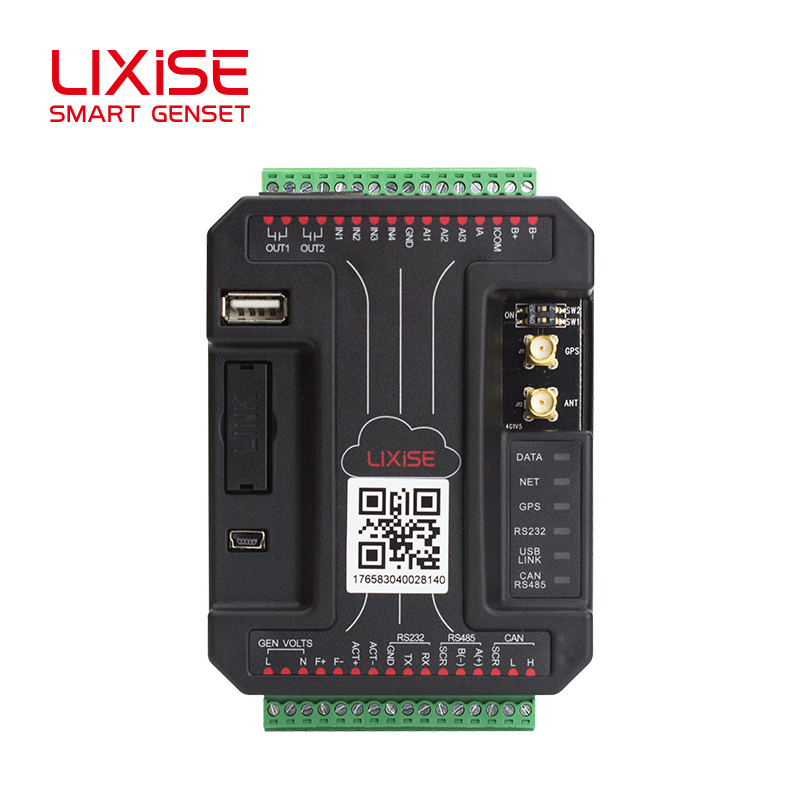
Technical specifications reflect deep understanding of industrial environment requirements. The -25°C to +70°C operating temperature range covers outdoor equipment deployment across varied climate zones. Non-condensing humidity tolerance up to 95% ensures reliability in coastal and high-humidity environments. These specifications translate engineering knowledge into practical operational resilience.
The company's full intellectual property protection for independently developed hardware and software provides equipment manufacturers with supply chain stability and technical support continuity. This proprietary R&D foundation enables ongoing refinement based on field deployment experience and evolving industrial connectivity requirements.
Section 5: Implementation Considerations and Strategic Recommendations
Organizations evaluating industrial GPS communication solutions should prioritize integration density, protocol compatibility, and total cost of ownership over initial hardware pricing alone. Systems requiring separate GPS modules, multiple controller-specific variants, or extensive on-site configuration generate hidden costs that exceed initial savings from lower-priced basic communication units.
For Equipment Manufacturers: Standardize on communication platforms supporting multiple controller brands to reduce hardware SKU complexity and inventory carrying costs. Evaluate voltage tolerance specifications against actual equipment operating conditions to avoid field power management issues. Consider factory pre-configuration capabilities to reduce installation labor costs and accelerate equipment delivery timelines.
For Fleet Operators: Assess data buffer capacity and reconnection logic against actual telemetry volume requirements. Insufficient buffer capacity creates data loss during network interruptions, compromising predictive maintenance initiatives. Evaluate cellular network mode compatibility against current infrastructure and planned network evolution to protect investment longevity.
For Equipment Rental Companies: Prioritize solutions with remote configuration capabilities to enable rapid equipment redeployment without field service visits. Analyze cumulative standby power consumption across fleet size—small per-unit differences compound significantly across hundreds of assets.
The industrial connectivity landscape continues evolving toward integrated, simplified solutions that reduce operational complexity while enhancing data visibility. Affordable industrial GPS communication units that balance technical capability with operational simplicity represent practical implementations of this evolution. Organizations adopting comprehensive evaluation frameworks—considering integration architecture, environmental resilience, protocol compatibility, and total ownership costs—position themselves to leverage industrial connectivity as strategic capability rather than commodity infrastructure.
https://dgfeirui.en.alibaba.com/
Dongguan Feirui Electronics Co.,Ltd.

+ There are no comments
Add yours