
When industrial operations demand protection against extreme heat, chemical corrosion, and fire hazards, the choice of thermal insulation material becomes critical. Among the various options available, aluminum foil fiberglass cloth has emerged as a versatile solution for applications ranging from aerospace component shielding to power plant pipe insulation. Understanding the technical characteristics, performance capabilities, and manufacturing standards behind these composite materials is essential for procurement managers and safety engineers seeking reliable high-temperature protection.
Understanding Aluminum Foil Fiberglass Composite Construction
Aluminum foil fiberglass cloth represents a specialized category of composite textiles that combine the thermal reflectivity of aluminum with the structural integrity of woven glass fibers. The base material typically consists of E-Glass fibers woven in patterns such as 4HS Satin weave or Twill weave, which provide optimal balance between flexibility and tensile strength. These base fabrics can withstand continuous temperatures up to 550°C (1022°F) before experiencing structural degradation.
The aluminum foil layer serves multiple functions beyond simple heat reflection. It creates a radiant barrier that reflects up to 95% of radiant heat energy, significantly reducing heat transfer in applications such as HVAC ductwork insulation and automotive heat shields. Additionally, the metallic surface provides an effective moisture barrier, preventing condensation damage in thermal insulation systems exposed to temperature fluctuations.
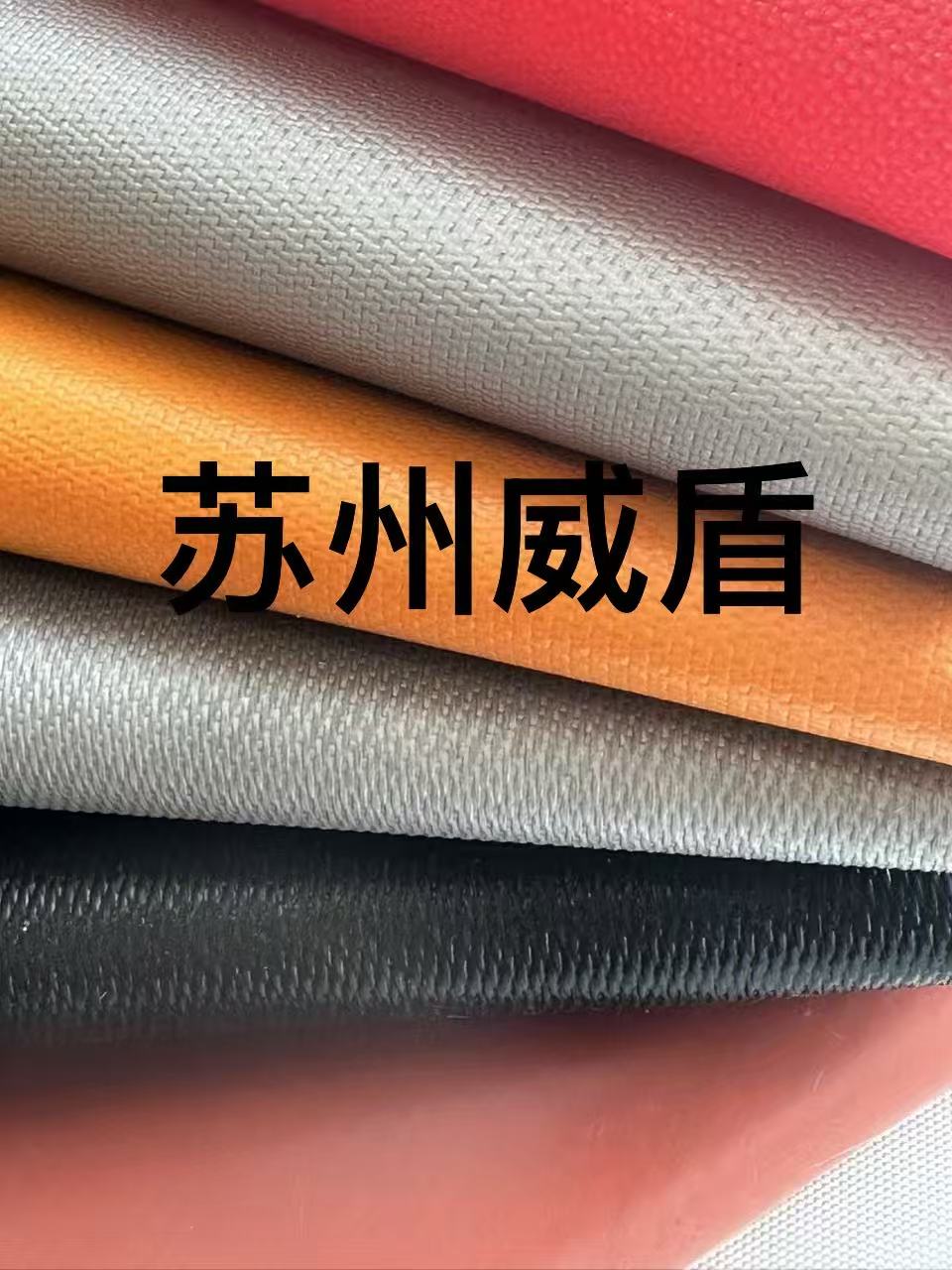
Manufacturing processes for these composite materials involve precise lamination or coating techniques that ensure permanent adhesion between the aluminum layer and the fiberglass substrate. Advanced coating technologies including silicone, polyurethane, and PTFE can be applied to enhance specific performance characteristics such as weather resistance, chemical stability, or non-stick properties.
Critical Performance Parameters for Industrial Applications
Temperature resistance remains the primary consideration when specifying aluminum foil fiberglass cloth. Standard configurations handle continuous exposure up to 550°C, while specialized high silica variants containing over 96% SiO2 can withstand temperatures reaching 1100°C (2012°F). This extreme heat capability makes them indispensable for foundry operations, aerospace thermal barriers, and metallurgical applications where conventional materials would fail.
Thickness specifications typically range from 0.2mm to 6.4mm, with each range suited to different mechanical and thermal requirements. Thinner materials (0.2mm to 1.0mm) offer superior flexibility for wrapping complex geometries such as pipe elbows and valve assemblies. Medium thicknesses (1.0mm to 3.0mm) provide balanced protection for removable insulation covers on turbines and heat exchangers. Heavy-duty options exceeding 3.0mm deliver maximum durability for furnace curtains and welding spatter shields in shipbuilding environments.
Width availability represents another crucial specification factor. While standard industrial rolls typically measure 1000mm to 1500mm wide, specialized manufacturing capabilities can produce materials up to 3000mm in width. This extended width capacity eliminates seaming requirements in large-scale applications such as expansion joints in power generation facilities or thermal blankets for industrial kilns.
Chemical and Environmental Resistance Considerations
Industrial environments frequently expose protective materials to corrosive chemicals, UV radiation, and moisture contamination. Aluminum foil fiberglass cloth with appropriate surface treatments addresses these challenges through multiple defense mechanisms.
Silicone-coated variants provide exceptional weather resistance, maintaining structural integrity despite prolonged UV exposure, ozone attack, and temperature cycling between -70°C and 260°C. This makes them ideal for outdoor applications such as removable insulation systems on refinery equipment or weather-protective covers for industrial machinery.
For applications involving direct chemical contact, PTFE-coated aluminum foil fiberglass offers superior inert properties. The fluoropolymer surface resists attack from acids, alkalis, and organic solvents, enabling deployment in chemical processing facilities and pharmaceutical manufacturing clean rooms. EPDM coating options provide excellent resistance to steam, hot water, and alkaline solutions, making them suitable for non-metallic expansion joints in petrochemical plants.
Quality Standards and Certification Requirements
Regulatory compliance forms the foundation of material selection for safety-critical applications. Aluminum foil fiberglass cloth products serving commercial and industrial markets must meet stringent international standards to ensure predictable performance under emergency conditions.
UL94V0 flame retardant certification verifies that materials self-extinguish within specified timeframes when exposed to open flame, preventing fire propagation in electrical and electronic applications. NFPA 701 compliance demonstrates that textiles meet fire propagation standards required for commercial installations including curtains, drapes, and architectural fabrics in public buildings.
For European markets, BS 476 certification validates fire resistance characteristics according to British building material standards. Products serving automotive applications must meet IATF 16949 quality management requirements, ensuring manufacturing consistency and traceability throughout the supply chain.
Environmental compliance through REACH and RoHS certifications guarantees that materials contain no restricted substances, enabling their use in consumer products and ensuring worker safety during fabrication and installation processes.
Manufacturing Capabilities and Customization Options
The production of high-performance aluminum foil fiberglass cloth requires sophisticated manufacturing infrastructure. Facilities operating multiple advanced coating lines can maintain consistent quality across high-volume production runs while accommodating custom specifications for specialized applications.
Suzhou Weidun Composite Fabric Co., Ltd. operates six coating lines across three production bases totaling over 20,000 square meters, enabling annual production capacity of 6 million meters of composite fabrics. This manufacturing scale supports both standard product lines and custom-engineered solutions requiring specific thickness, width, coating type, or thermal performance characteristics.
Custom engineering capabilities extend beyond dimensional specifications to include tailored coating formulations. Applications requiring enhanced spark resistance may incorporate vermiculite coatings that provide superior heat dissipation in furnace lining applications. Projects demanding mechanical stiffness for smoke curtain systems benefit from polyurethane coating formulations that enhance abrasion resistance while maintaining flame retardant properties.
Application-Specific Selection Guidelines
Aerospace and aviation applications prioritize lightweight thermal protection with minimal thickness. Aluminum foil fiberglass cloth in the 0.3mm to 0.8mm range with silicone coating provides optimal heat shielding for aircraft engine compartments and component insulation without adding excessive weight penalties.
Shipbuilding and ship repair operations require robust welding blankets and spatter curtains that withstand repetitive exposure to molten metal droplets. Heavy-duty materials ranging from 2.0mm to 6.4mm thickness with vermiculite or high-temperature silicone coatings deliver the durability necessary for protecting sensitive electronic equipment and painted surfaces during fabrication processes.
Power generation facilities utilize aluminum foil fiberglass cloth for removable insulation covers on steam turbines, valves, and pipe flanges. These applications demand materials with excellent thermal efficiency, weather resistance for outdoor installations, and dimensional stability to maintain proper fit during thermal cycling. Silicone-coated variants with reinforced edges and Kevlar stitching ensure long service life despite repeated removal and reinstallation during maintenance operations.
HVAC and construction projects benefit from aluminum foil fiberglass cloth in flexible insulation jacketing and duct wrap applications. The radiant barrier properties reduce energy consumption in both heating and cooling systems, while the moisture-resistant surface prevents condensation damage and mold growth in humid environments.
Global Supply Chain and Export Capabilities
International procurement of aluminum foil fiberglass cloth requires suppliers with proven expertise in global logistics and regulatory compliance. Manufacturers serving North American and European markets must navigate complex shipping requirements, documentation standards, and regional certification expectations.
Suzhou Weidun Composite Fabric Co., Ltd. maintains strong market presence across North America, Europe, and Russia, exporting over 1 million meters of specialized composite fabrics annually. This international experience ensures that products meet destination-specific standards while delivery schedules align with project timelines across multiple time zones.
Bulk export capabilities support large-scale projects requiring container-load quantities, while flexible minimum order arrangements accommodate prototype development and trial installations. Technical support services including material selection consultation and fireproof solution design assist engineering teams in optimizing specifications for specific application requirements.
Maintenance-Free Safety Solutions
Beyond industrial applications, aluminum foil fiberglass cloth serves critical safety functions in commercial and domestic environments. Emergency fire blankets manufactured from these materials provide reliable fire suppression capabilities without the maintenance requirements or expiration concerns associated with traditional chemical extinguishers.
These fire safety products feature skin-friendly glass fiber construction that minimizes irritation during emergency deployment, making them suitable for kitchens, hotels, and retail environments where rapid response by untrained personnel may be necessary. The non-toxic, environmentally safe composition allows use in food preparation areas without contamination concerns.
Industrial welding blankets constructed from aluminum foil fiberglass cloth with reinforced edges and grommets provide portable spark protection for field welding operations in refineries, construction sites, and maintenance facilities. Custom sizes ranging from 1x1 meter up to 3x3 meters or bespoke dimensions accommodate various equipment configurations and work area layouts.
Conclusion: Strategic Material Selection for Critical Applications
The selection of aluminum foil fiberglass cloth for high-temperature industrial applications requires careful evaluation of thermal performance requirements, environmental exposure conditions, and regulatory compliance standards. Materials combining proven manufacturing quality, comprehensive certifications, and technical customization capabilities deliver the reliability necessary for safety-critical installations.
With over 10 years of specialized experience in high-temperature fabric engineering, manufacturers like Suzhou Weidun Composite Fabric Co., Ltd. provide the technical expertise and production capacity to support projects ranging from aerospace component protection to commercial fire safety systems. Their ISO 9001:2015 and IATF 16949 certified operations ensure consistent quality across specifications spanning 0.2mm to 6.4mm thickness and widths up to 3000mm.
For procurement managers and safety engineers evaluating thermal protection solutions, partnering with manufacturers offering comprehensive certification portfolios, custom engineering capabilities, and proven global supply chain performance ensures that aluminum foil fiberglass cloth installations deliver long-term protection and operational efficiency.
www.weiduncomposite.com
Suzhou Weidun Composite Fabric Co., Ltd.

+ There are no comments
Add yours