
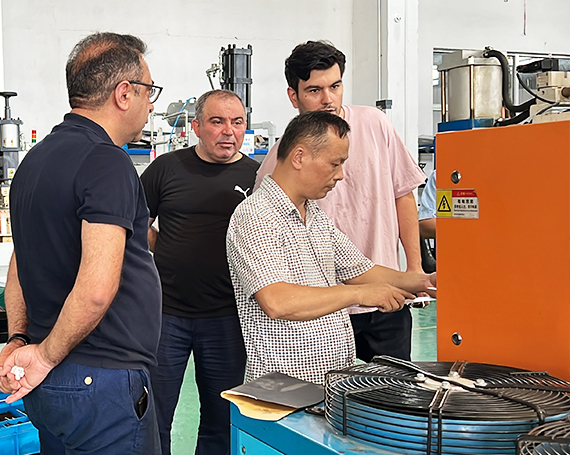
Industrial heating solutions are critical for maintaining process efficiency, equipment longevity, and product quality. From heating lubricating oil before it is fed to machinery to keeping process gases at the correct temperature, the choice of heater can have a significant impact on energy consumption and operational reliability. Two popular heating methods are immersion heaters with vessels and in-tank heaters. Understanding their differences is key to selecting the most efficient solution for your industrial application. Jiangsu Weineng Electric Co., Ltd. offers a comprehensive range of industrial electric heaters designed to meet diverse process heating requirements.
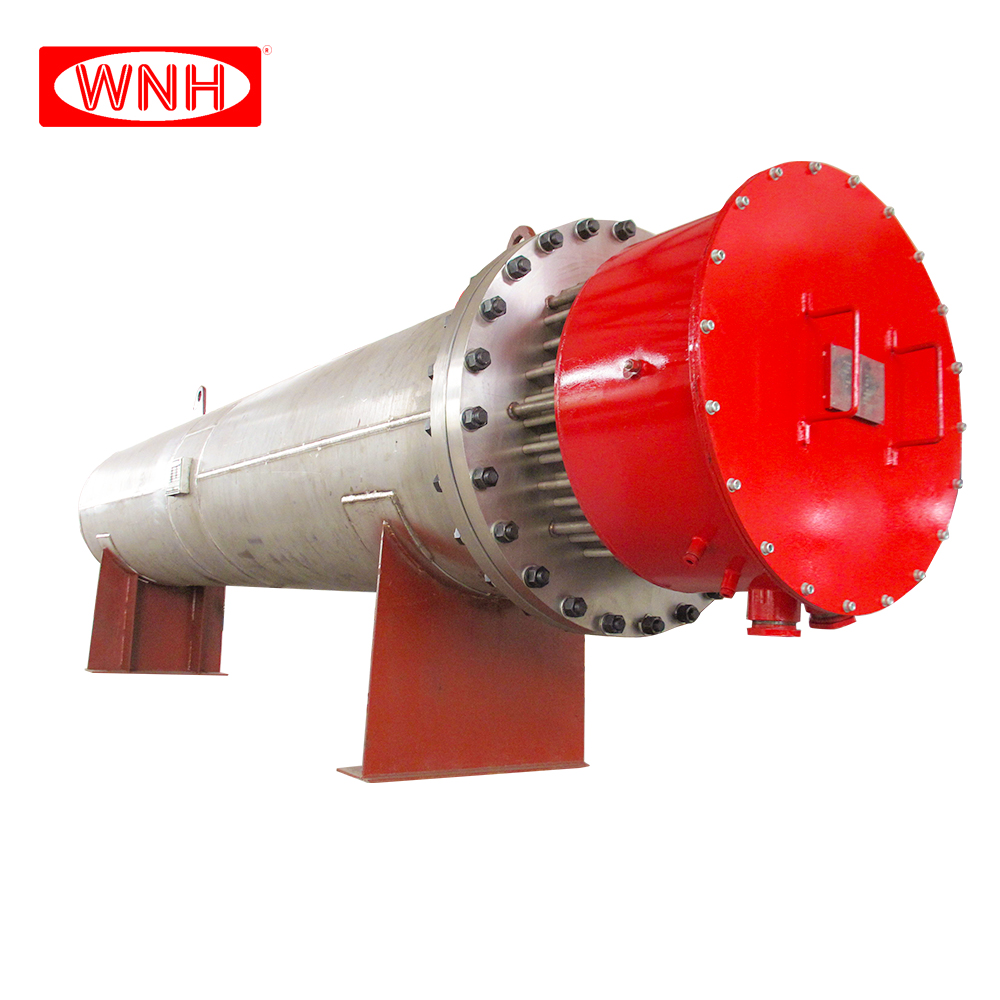
How Industrial Heaters Work
Industrial electric heaters convert energy from a power source into thermal energy, which is then transferred to the medium in a system or process. This heat transfer can occur through direct contact, conduction, convection, or a combination of methods. The efficiency and effectiveness of heating largely depend on the type of heater, the medium being heated, and the design of the heating system.
Types of Industrial Electric Heaters
There are four main types of industrial electric heaters:
-
Flange Heaters: Suitable for large vessels and high-power applications. They provide easy maintenance and robust heat transfer.
-
Over-the-Side Heaters: Ideal for retrofitting into existing tanks without extensive modifications.
-
Screw Plug Heaters: Designed for smaller vessels, offering direct immersion and efficient heat transfer.
-
Circulation Heaters: Enable continuous flow through the heater, providing uniform temperature for process streams.
Each type varies in size, mounting options, and operating mechanism, making it important to select the appropriate model based on process requirements.
Applications for Industrial Heaters
Immersion heaters with vessels and in-tank heaters serve a wide range of industrial applications, including:
-
Oil Heating: Lubricating oil, fuel oil, and thermal oils
-
Water Heating: Industrial heating systems
-
Gas Heating: Natural gas, seal gas, and fuel gas
-
Air Heating: Pressurized air, burner air, drying systems
-
Environmental Technology: Exhaust air cleaning, catalytic afterburning
-
Steam Generation: Steam generators and superheaters for industrial processes
The correct selection ensures not only energy efficiency but also safe and reliable operation under varying industrial conditions.
Immersion Heater with Vessel
An immersion heater with vessel is a self-contained unit where the heating element is immersed directly into a fluid inside a dedicated vessel.
Advantages:
-
High Efficiency: Heating occurs directly in the vessel, minimizing heat loss. Jiangsu Weineng heaters achieve up to 99% thermal efficiency through electric energy conversion using “transfer to + convection” principles.
-
Precise Temperature Control: Interlocking controls allow monitoring of temperature, pressure, and flow for consistent performance.
-
Explosion-Proof Options: Many designs are suitable for hazardous environments (Zone II), ensuring safety in sensitive applications.
-
Customizable Design: Power, vessel size, and heating element configuration can be tailored to specific process requirements.
-
Fast Response: High-temperature tracking ensures quick heating and energy savings.
Immersion heaters with vessels are ideal for processes that require stable temperature control for large volumes or where a dedicated heating system is preferable.
In-Tank Heating
In-tank heating involves installing heating elements directly inside the existing process tank or container. The elements may be screw plug, over-the-side, or circulation types, depending on the system.
Advantages:
-
Space Efficiency: No separate vessel is required, reducing equipment footprint.
-
Retrofit Capability: Can be installed in existing tanks without significant system modifications.
-
Direct Heating: Heat is applied directly to the medium, minimizing transfer losses.
-
Flexible Installation: Can be positioned to target specific areas of the tank for uniform temperature distribution.
However, in-tank heating may require more attention to flow patterns and dead zones to avoid uneven heating or localized overheating.
Comparing Efficiency
When deciding between immersion heaters with vessels and in-tank heating, several factors influence efficiency:
-
Volume and Medium: Large volumes of fluids or high-viscosity oils may benefit from a dedicated vessel to ensure uniform heating.
-
Process Integration: For processes requiring continuous circulation or precise control, immersion heaters with vessels integrated with automatic control systems provide more stable performance.
-
Energy Consumption: Both solutions can be highly efficient if properly sized, but dedicated vessel heaters often allow for better insulation and reduced heat loss.
-
Maintenance: Immersion heaters in vessels are easier to service and replace without interrupting the main process tank, reducing downtime.
Safety and Environmental Considerations
Industrial heating systems must comply with safety standards, especially when operating in hazardous environments. Key features to consider include:
-
Overheating protection to prevent damage from flow interruptions
-
Thermodynamic design to eliminate heating dead angles
-
Explosion-proof structures for flammable atmospheres
-
Compliance with green energy standards and environmental regulations
Jiangsu Weineng Electric Co., Ltd. incorporates all these safety features in its product line, ensuring reliable operation in diverse industrial environments.
Conclusion
Both immersion heaters with vessels and in-tank heating have their advantages. The best choice depends on your process requirements, tank size, medium properties, and operational priorities. Immersion heaters with vessels provide precise control, high efficiency, and easy maintenance, making them ideal for critical industrial processes. In-tank heaters are a flexible, space-saving option suitable for retrofitting existing systems.
By choosing high-quality electric heaters from Jiangsu Weineng Electric Co., Ltd., industries can ensure reliable, efficient, and safe heating for oil, water, gases, or air. Properly selected heaters enhance process efficiency, save energy, and meet both operational and environmental requirements.
www.wnhthermo.com
Jiangsu Weineng Electric Co., Ltd.

+ There are no comments
Add yours