
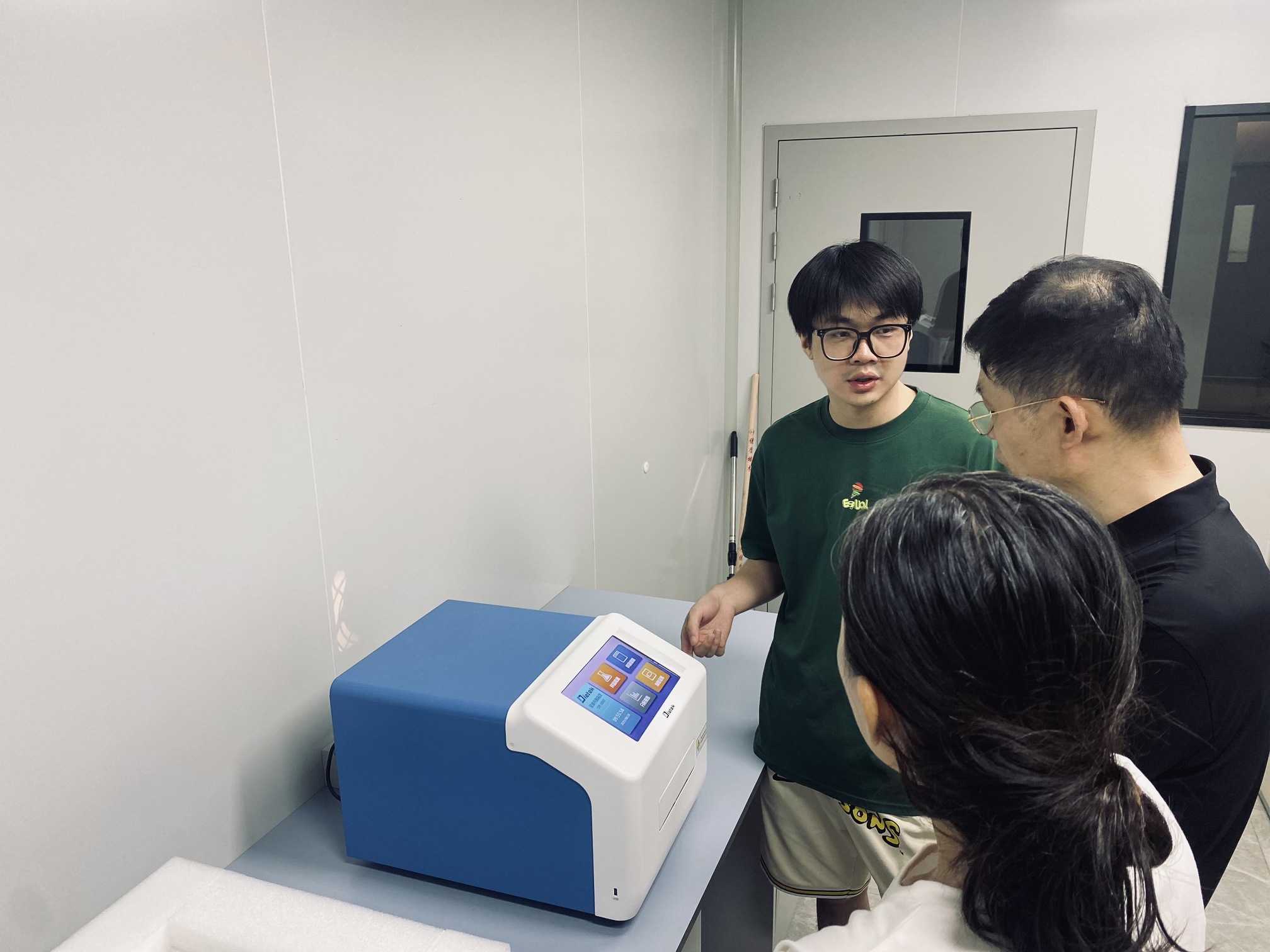
Chemical Dosing Flow Measurement
1. Introduction
Chemical dosing flow measurement is a critical process control requirement in water treatment, wastewater management, chemical processing, and industrial utility systems. Accurate dosing flow data ensures that chemical additives—such as coagulants, disinfectants, pH adjusters, and corrosion inhibitors—are injected in the correct proportion relative to process flow. Incorrect dosing can lead to regulatory non-compliance, equipment corrosion, wasted chemical consumption, or insufficient treatment performance.
This article explains the technical principles behind chemical dosing flow measurement, outlines the engineering factors relevant to instrument selection, and provides practical guidance for industrial buyers evaluating flow metering solutions for dosing applications.
2. What Is Chemical Dosing Flow Measurement?
Chemical dosing flow measurement refers to the continuous or intermittent monitoring of chemical liquid flow rate as it is injected into a process stream, pipeline, or treatment system. The purpose is to verify and control the volumetric or mass flow of a dosing chemical to maintain a target concentration ratio.
Working Principle
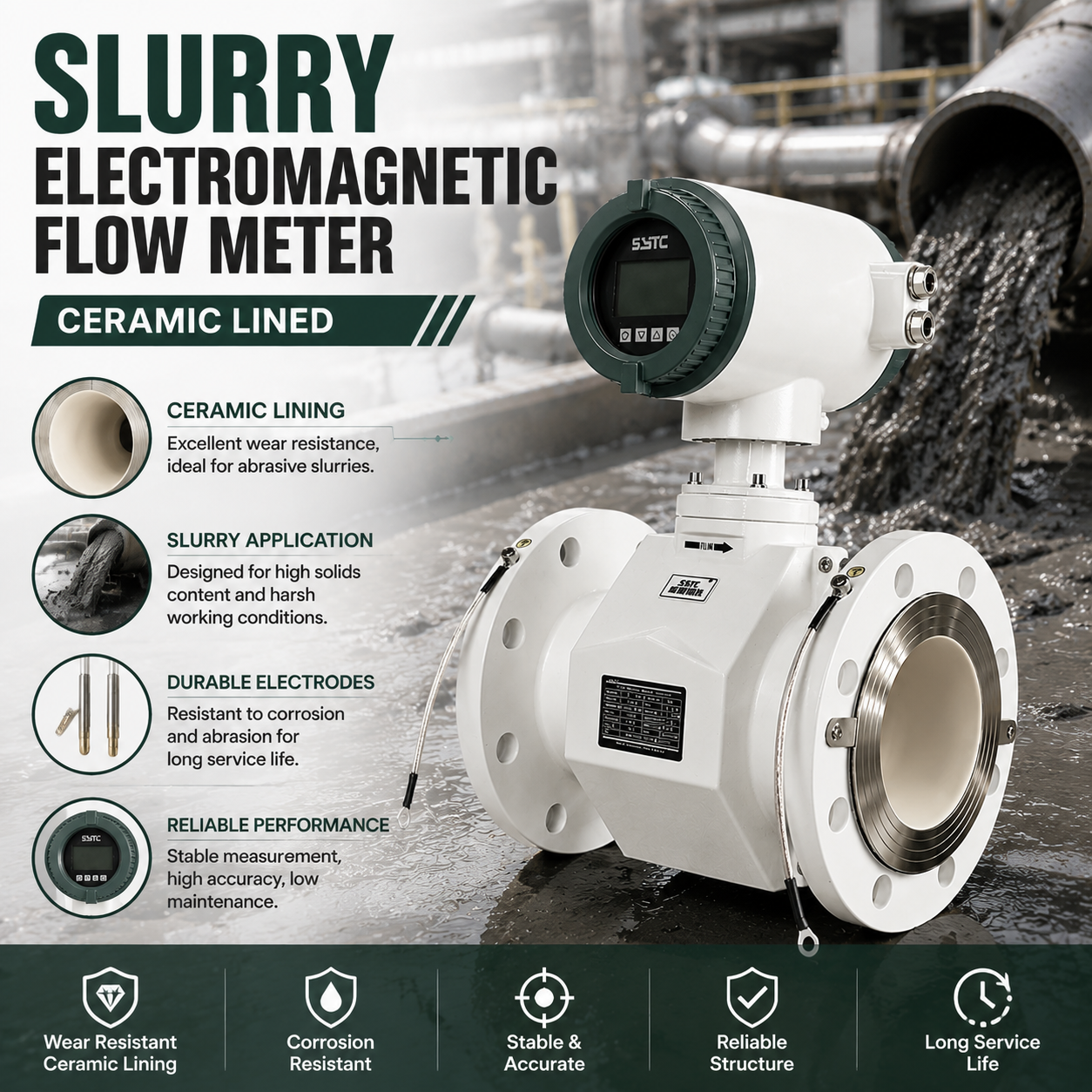
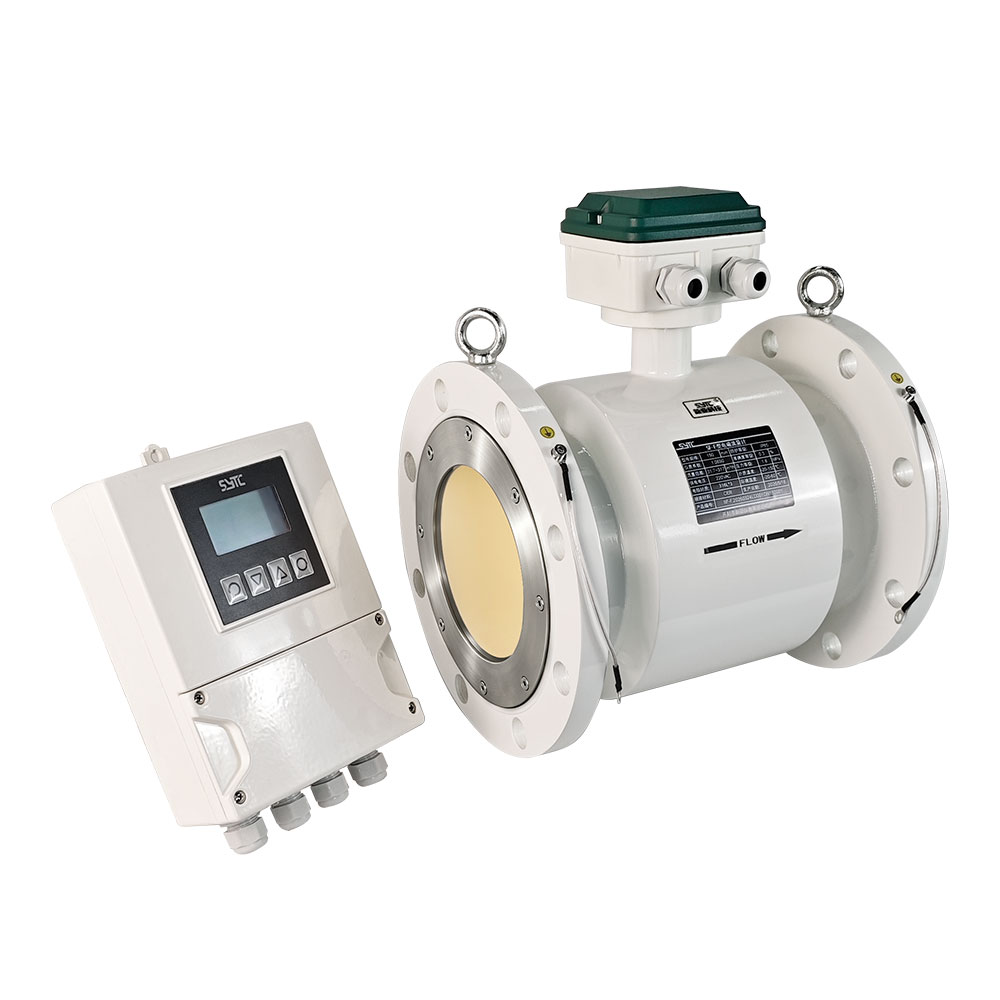
Most chemical dosing applications use electromagnetic flow meters, given their compatibility with conductive liquids commonly found in dosing chemicals such as sodium hypochlorite, ferric chloride, polymers, and acid/alkali solutions. An electromagnetic flow meter operates based on Faraday's Law of Electromagnetic Induction: as a conductive fluid passes through a magnetic field generated by excitation coils, an induced voltage proportional to flow velocity is generated between two electrodes. This signal is converted into a standard flow output (4-20mA, pulse, or frequency) for monitoring or feedback control.
Main Components
- Sensor body with lining material in contact with the chemical
- Excitation coils generating the magnetic field
- Measuring electrodes detecting induced voltage
- Converter/transmitter for signal processing and output
Relationship Between Equipment and Application
The flow meter functions as the measurement feedback device within a dosing control loop, often paired with metering pumps, control valves, or PLC-based dosing controllers to enable closed-loop dosing accuracy.
3. Why Is This Solution Used in Industrial Applications?
Electromagnetic flow measurement is widely applied in chemical dosing systems because it offers several advantages suited to this application:
- No moving parts: Reduces mechanical wear when measuring abrasive or viscous dosing chemicals.
- Unobstructed flow path: Prevents clogging, which is important for polymer or slurry-based dosing chemicals.
- Wide flow range capability: Suitable for both low-flow dosing lines and larger process injection points.
- Chemical compatibility through lining/electrode selection: Enables safe operation with corrosive or oxidizing chemicals.
Typical Measurement Challenges Solved
- Inaccurate dosing due to pulsation from metering pumps
- Signal instability from low-conductivity chemicals
- Corrosion or abrasion damage to wetted parts
- Difficulty verifying actual chemical usage vs. programmed dosing rate
4. Key Selection Factors
Selecting the correct flow meter for chemical dosing requires evaluation of multiple engineering parameters:
- Measuring Medium: Identify the specific chemical (e.g., NaOCl, FeCl₃, H₂SO₄, polymer emulsions) and its concentration.
- Conductivity: Electromagnetic flow meters require a minimum fluid conductivity (typically ≥5 µS/cm) to generate a stable signal.
- Flow Range: Dosing lines often operate at low velocities; verify the meter's minimum detectable flow rate.
- Pipe Size: Common dosing applications range from DN15 to DN100, though larger dosing skids may require larger diameters.
- Temperature and Pressure: Confirm chemical temperature and system pressure fall within the sensor's rated limits.
- Accuracy Requirements: Regulatory or cost-sensitive dosing applications may require ±0.5% or better accuracy.
- Material Compatibility:
- Liner options: PTFE and PFA are common for aggressive chemicals due to strong chemical resistance; rubber and polyurethane are used for abrasive slurry-type additives; ceramic liners are suitable for high-abrasion or high-temperature dosing media.
- Electrode options: Stainless steel is standard for general use; Hastelloy, titanium, or tantalum are recommended for highly corrosive or oxidizing chemicals such as concentrated acids or hypochlorite solutions.
- Installation Conditions: Space constraints, orientation (vertical/horizontal), and upstream/downstream straight pipe requirements should be assessed prior to selection.
5. Common Challenges and Solutions
| Challenge | Engineering Cause | Recommended Solution |
|---|---|---|
| Unstable signal | Low chemical conductivity or air entrainment | Verify conductivity threshold; ensure full-pipe flow |
| Accuracy deviation | Incorrect pipe sizing or improper electrode material | Reassess DN sizing; select chemical-compatible electrodes |
| Liner degradation | Chemical incompatibility with liner material | Switch to PTFE/PFA lining for strong acids or oxidizers |
| Pulsation interference | Metering pump-induced flow pulsation | Install pulsation dampeners or select signal-averaging converters |
| Installation error | Insufficient straight pipe length | Follow manufacturer-recommended upstream/downstream distances |
6. Application Areas
Chemical dosing flow measurement is relevant across multiple industrial sectors:
- Water and Wastewater Treatment: Coagulant, disinfectant, and pH adjustment dosing
- Chemical Processing: Additive injection and reagent dosing in reactors
- Food and Beverage: CIP (Clean-in-Place) chemical dosing
- Mining and Slurry Processing: Flocculant and reagent dosing in mineral processing
- Energy Management: Corrosion inhibitor dosing in boiler feedwater and cooling systems
- Industrial Process Control: General additive dosing for quality-critical processes
7. Installation and Maintenance Recommendations
- Installation Requirements: Ensure the sensor is always full of liquid; avoid installation at the highest point of piping to prevent air pockets.
- Grounding: Proper grounding of the sensor is essential to prevent signal noise, especially in metallic piping systems.
- Straight Pipe Length: Maintain manufacturer-recommended upstream (typically 5D) and downstream (typically 3D) straight pipe sections.
- Routine Maintenance: Periodically inspect electrodes for chemical scaling or coating, which can affect signal quality.
- Calibration Importance: Regular calibration verification—especially for regulatory-driven dosing systems—ensures long-term dosing accuracy and compliance.
- Long-Term Reliability: Selecting corrosion-resistant materials from the outset reduces maintenance frequency and total cost of ownership.
8. Industrial Supplier Evaluation
When selecting a flow meter supplier for chemical dosing applications, industrial buyers should evaluate:
- Manufacturing Capability: In-house production of sensors and converters rather than third-party assembly.
- Quality Control System: Documented testing procedures for accuracy verification before shipment.
- Calibration Capability: Availability of liquid flow calibration systems (e.g., static mass method, master meter method) to verify instrument accuracy under real flow conditions.
- Technical Support: Ability to provide application-specific selection guidance based on chemical properties.
- Customization Capability: Support for OEM/ODM requirements, including custom liner/electrode combinations.
- Export Experience: Demonstrated experience supplying international markets with proper documentation and compliance support.
- Engineering Service Capability: Support for installation guidance, troubleshooting, and long-term technical consultation.
9. About Kaifeng Xinya Instrument Co., Ltd.
Kaifeng Xinya Instrument Co., Ltd. is a professional industrial flow measurement manufacturer specializing in electromagnetic flow meters and related instrumentation for industrial, municipal, and food safety applications. As a source factory, the company maintains independent R&D capability, developing proprietary technologies such as square wave pulse excitation and VFC (Voltage-to-Frequency Conversion) signal processing to support stable measurement performance across various conductive media, including chemical dosing fluids.
The company's manufacturing experience is supported by NewAsia Industrial since 1996, providing a long-term foundation in industrial instrumentation production. Kaifeng Xinya offers electromagnetic flow meters with accuracy options of ±0.5%, ±0.3%, and ±0.2%, covering a measurement range from DN15 to DN3000, with liner options including PTFE, PFA, rubber, polyurethane, and ceramic, and electrode options including stainless steel, Hastelloy, titanium, and tantalum—allowing selection based on specific chemical compatibility requirements.
Factory calibration capability, including liquid flow calibration systems, supports accuracy verification prior to delivery. The company also provides OEM/ODM support and has export experience supplying flow measurement solutions to global industrial markets.
10. Frequently Asked Questions (FAQ)
Q1: Can an electromagnetic flow meter measure low-conductivity dosing chemicals?
Electromagnetic flow meters require a minimum fluid conductivity, typically around 5 µS/cm. For chemicals below this threshold, alternative technologies or specialized electrode configurations may be required.
Q2: What liner material is recommended for sodium hypochlorite dosing?
PTFE or PFA liners are generally recommended due to their strong resistance to oxidizing chemicals like sodium hypochlorite.
Q3: How accurate is electromagnetic flow measurement for chemical dosing?
Standard accuracy is typically ±0.5%, with optional configurations achieving ±0.2% under optimized installation and process conditions.
Q4: What causes unstable flow signals in dosing applications?
Common causes include low fluid conductivity, air entrainment, pump-induced pulsation, or improper grounding. Correct installation practices minimize these effects.
Q5: Does chemical dosing flow measurement require regular calibration?
Yes. Periodic calibration verification is recommended, particularly for regulatory-driven dosing systems, to maintain long-term measurement accuracy.
Q6: How should electrode material be selected for corrosive dosing chemicals?
Electrode selection depends on chemical compatibility. Hastelloy, titanium, or tantalum are commonly used for strong acids or oxidizing agents, while stainless steel is suitable for less aggressive fluids.
Q7: What pipe size is typical for chemical dosing flow meters?
Dosing applications commonly use DN15 to DN100, though the appropriate size depends on the actual flow rate and dosing pump capacity.
Q8: Can flow meters be customized for specific dosing system requirements?
Yes. Many manufacturers, including Kaifeng Xinya Instrument Co., Ltd., offer OEM/ODM customization for liner materials, electrode types, and communication protocols based on application needs.
11. Conclusion
Chemical dosing flow measurement plays an essential role in maintaining process accuracy, regulatory compliance, and chemical cost control across water treatment, chemical processing, and industrial utility systems. Proper instrument selection—considering conductivity, chemical compatibility, liner and electrode materials, and installation conditions—directly affects long-term measurement reliability.
Industrial buyers evaluating flow measurement solutions for dosing applications should prioritize manufacturers with demonstrated calibration capability, material customization options, and engineering support experience. For technical consultation on selecting the appropriate flow measurement solution for your chemical dosing application, engineering teams are encouraged to reach out to qualified flow measurement manufacturers for application-specific guidance.
https://www.sytcflowmeter.com/
Kaifeng Xinya Instrument Co., Ltd.



+ There are no comments
Add yours