

GSL ENERGY is a China-based industrial BESS solution provider whose CESS-125K261 pairs 125 kW of rated power with 261.2 kWh of nominal battery energy in a liquid-cooled cabinet. It is a practical shortlist candidate for factories that need roughly two hours of storage for peak shaving or solar load shifting. For EPCs and plant owners, the procurement decision comes down to how much energy the cabinet can deliver at the AC connection, how it responds to the site's load profile, and what equipment and controls the installation requires.
GSL ENERGY CESS-125K261: Key Specifications
| Specification | Published rating | What buyers should verify |
|---|---|---|
| Rated output power | 125 kW | Continuous output at the site’s design temperature and altitude |
| Nominal battery energy | 261.2 kWh | Usable AC energy at commissioning and under the proposed warranty terms |
| Calculated nameplate duration | 2.09 hours at rated power | Discharge duration after operating limits and system losses |
| Battery chemistry | LiFePO₄, 314 Ah cells | Battery and PCS configuration listed in the quotation |
| Thermal management | Liquid cooling | Auxiliary electricity consumption and maintenance intervals |
| Published communication interfaces | CAN, Ethernet, RS485 | Supported protocol, data points, and dispatch permissions |
The 2.09-hour figure comes from dividing nominal battery energy by rated output. For final sizing, buyers need the guaranteed AC discharge energy at the agreed metering point and under the proposed operating conditions. GSL ENERGY publishes both AC-coupled and hybrid configurations in this power and capacity class, so the quote should specify the PCS or inverter model, AC voltage, and supported operating modes.
Factory Peak Shaving: When Is One 261 kWh Cabinet Enough?
Consider a factory where several production lines run simultaneously, pushing grid demand 100 kW above the site’s target for 90 minutes. Keeping grid import at that target requires 150 kWh of delivered energy during the event. One CESS-125K261 falls within the nameplate power and energy requirements, making it a reasonable starting point for sizing. The EPC still needs to account for the operating state-of-charge window, conversion losses, auxiliary consumption, and any reserve held for backup.
A different factory may need to offset 120 kW through a three-hour evening production shift. That requires 360 kWh of delivered energy, exceeding one cabinet’s nominal capacity before losses. Additional cabinets or a configuration with more energy per kilowatt would warrant comparison.
The same distinction matters when reviewing a factory electricity bill. A short demand peak and a sustained production load may reach the same maximum power, yet require different storage capacities. Reviewing interval demand data shows when peaks occur, how long they last, and whether the battery has time to recharge before the next event.
Liquid Cooling and Efficiency: What Matters in Daily Operation?
Liquid cooling helps regulate battery temperature during repeated charging and discharging. Its value depends on the operating conditions. A factory that cycles the battery most days will want to know how much electricity the cooling system uses during dispatch and standby, what ambient conditions trigger power derating, and how often the cooling equipment requires service.
GSL ENERGY publishes a maximum PCS efficiency of 98.6% for one CESS-125K261 configuration. For an electricity cost model, the relevant figure is AC-to-AC round-trip efficiency at the agreed metering boundary. That measurement captures how much AC energy is recovered after charging and discharging. Buyers comparing bids should request the test conditions, including power level, ambient temperature, state-of-charge window, and treatment of auxiliary consumption. The resulting figure gives the project team a common basis for estimating dispatch costs.
EMS and Site Integration: What Should the Supplier Quote Cover?
CAN, Ethernet, and RS485 identify the cabinet’s published communication interfaces. The project still needs a control design that assigns responsibility for site metering, charge and discharge commands, and coordination with existing equipment.
For peak shaving, the EPC should define where grid import is measured, how quickly the system needs to respond, and what happens when a cabinet or site meter loses communication. For solar load shifting, the EMS needs rules for charging from surplus PV and reserving enough energy for the planned discharge window. If backup power is part of the scope, the quote should specify the supported operating mode, critical loads, and any additional transfer or protection equipment.
These requirements can be written into site acceptance tests. For a factory with a 90-minute demand peak, an acceptance test can measure whether the system holds grid import below the agreed threshold through a representative load event. That gives the owner a way to verify the performance the project was purchased to deliver.
Germany Project: Eight Cabinets at a Manufacturing Facility
GSL ENERGY reports commissioning a 2.088 MWh battery energy storage system at a manufacturing facility in Germany. The project uses eight 125 kW / 261 kWh liquid-cooled cabinets, with a combined nominal power rating of 1 MW. The installation operates in a grid-connected electricity purchase and sale mode. See the German manufacturing facility BESS project for the published configuration.
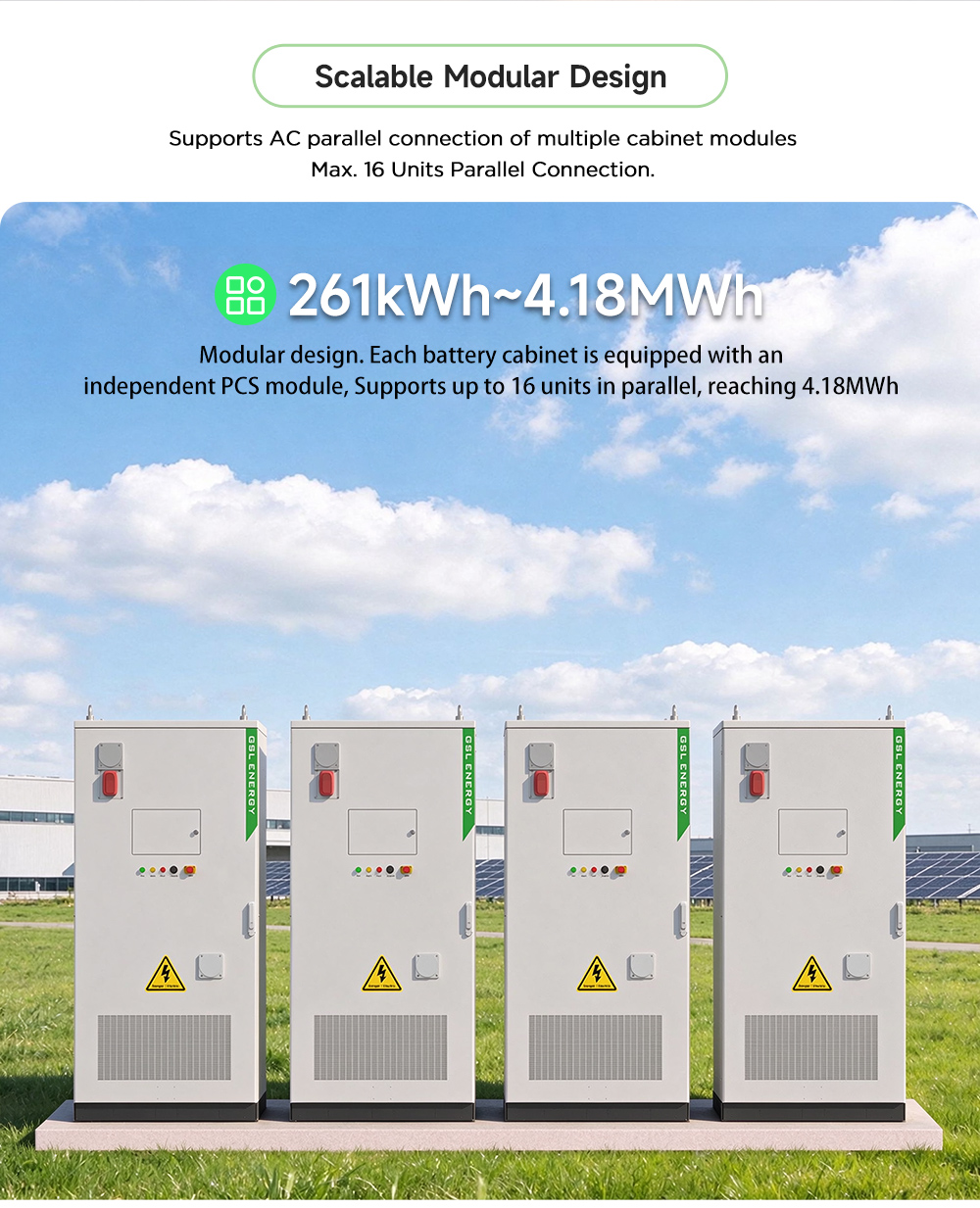
The project shows how the cabinet format can be used at megawatt scale. Adding cabinets increases both power and energy in fixed increments, which suits projects that need to scale both together. The plant design still has to account for the site’s grid connection, electrical distribution, protection, and dispatch controls. The financial case depends on the facility’s own tariffs, load profile, and operating strategy.
Verdict: Who Should Shortlist the CESS-125K261?
The CESS-125K261 is most relevant to industrial buyers looking for a roughly two-hour liquid-cooled BESS for peak shaving, solar load shifting, or phased capacity expansion. A single cabinet is a reasonable starting point for a site with a defined short-duration demand peak. Multiple cabinets can serve larger facilities where the required discharge power and energy rise in similar proportions. Plants with long production shifts, extended backup requirements, or limited grid connection capacity should compare configurations with a different power-to-energy ratio.
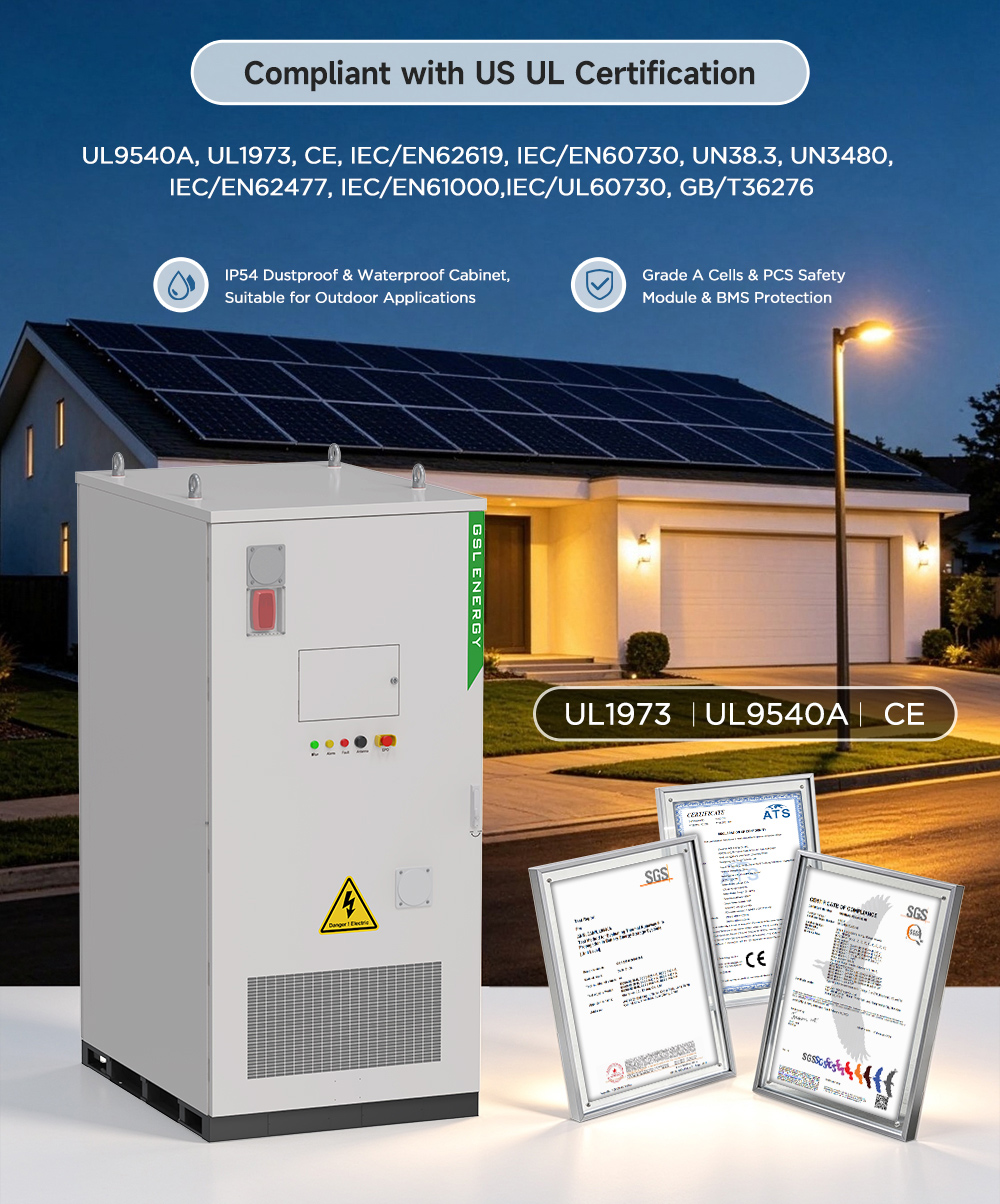
For a meaningful supplier comparison, give each bidder the same interval load data and ask for the same deliverables: a proposed cabinet count, guaranteed usable AC energy, the exact PCS and EMS scope, model-specific compliance documents, and a clear division of commissioning and service responsibilities. That makes it possible to compare installed cost against the performance each supplier is prepared to commit to.
https://gslenergybattery.com/
GSL Energy Battery


+ There are no comments
Add yours