
When specifying insulation materials for electrical equipment, switchgear, or mechanical assemblies, engineers and procurement managers frequently face a critical decision: should they choose epoxy-based sheets (such as FR4 or G10) or phenolic laminates (like Bakelite)? Both material families serve as workhorses in industrial applications, yet their performance characteristics, cost structures, and optimal use cases differ significantly. Understanding these distinctions is essential for maximizing equipment reliability while controlling project budgets.
Understanding the Core Material Composition
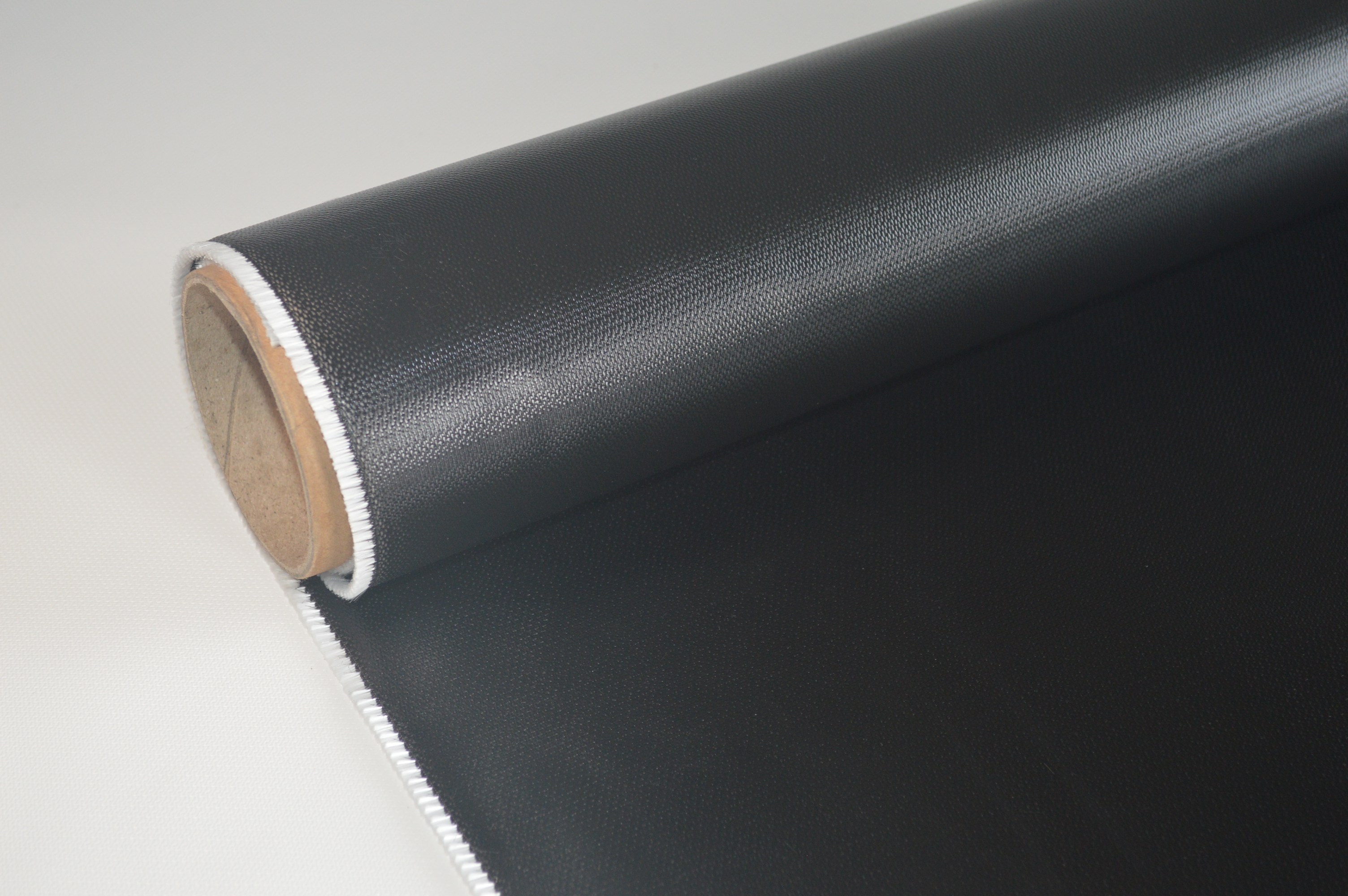
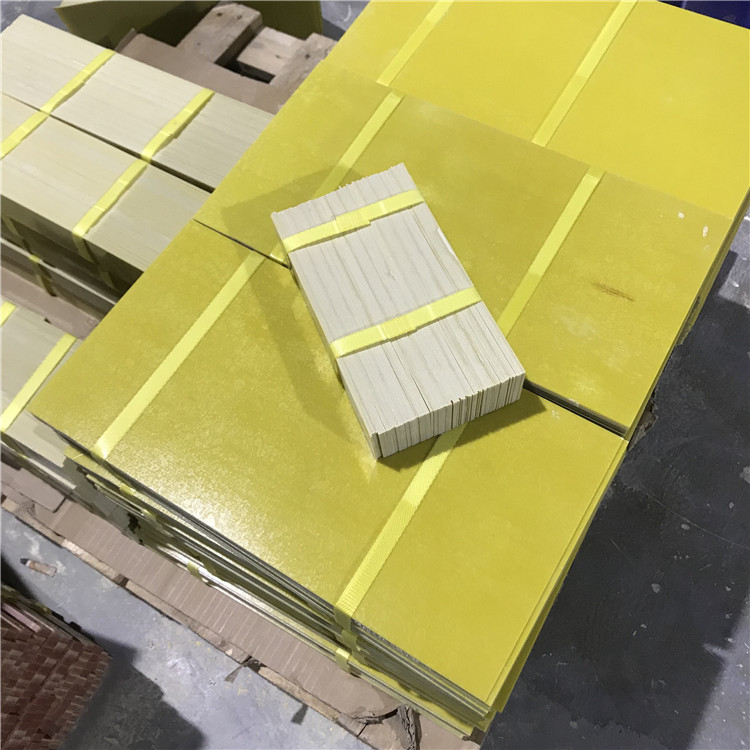
Epoxy sheets, including FR4 and G10 variants, are manufactured by impregnating woven fiberglass cloth with flame-retardant epoxy resin, then consolidating the layers under high heat and pressure. This process creates a composite material that combines the mechanical strength of glass fiber reinforcement with the superior electrical insulation properties of epoxy resin. FR4, which meets the IPC-4101/21 global industry standard for printed circuit board substrates, incorporates flame-retardant additives that achieve UL 94 V-0 certification, meaning the material self-extinguishes immediately when the ignition source is removed. The "FR" designation specifically stands for "Flame Retardant," a critical safety feature for high-density electronic enclosures.
Phenolic laminates, conversely, utilize phenolic resin as the binding matrix, impregnated into either cellulose paper or cotton cloth substrates. The resulting thermoset composite offers excellent rigidity and reliable dielectric strength for low-voltage applications. Phenolic cotton cloth laminates provide superior impact resistance compared to paper-based variants, making them suitable for mechanical components subjected to shock loads. The manufacturing process involves saturating the base material with heat-reactive phenolic resin, then molding and baking under high pressure to create a dense, dimensionally stable sheet.
Thermal Performance: A Critical Differentiator
One of the most significant distinctions between these material families lies in their thermal endurance capabilities. Epoxy sheets demonstrate superior high-temperature stability, with G10 rated for continuous service up to 140°C and maintaining structural integrity during lead-free soldering processes at reflow temperatures reaching 288°C. This exceptional dimensional stability prevents warpage that could damage surface-mounted components during thermal cycling.
Phenolic laminates, rated as Thermal Class E, provide reliable performance up to 120°C continuous service temperature. While adequate for many switchgear and low-voltage applications, this lower thermal threshold makes phenolic materials unsuitable for environments where epoxy sheets excel, such as high-temperature motor components or equipment subjected to frequent thermal stress.
Electrical Insulation: Matching Properties to Application Requirements
Both material families provide robust electrical insulation, but their dielectric characteristics vary in important ways. Epoxy-based composites offer superior dielectric strength with exceptionally low dissipation factors, ensuring reliable signal transmission and preventing electrical arcing in high-voltage applications. The moisture resistance of epoxy sheets, with water absorption below 0.1%, protects against insulation breakdown in humid environments—a critical advantage for equipment operating in tropical climates or coastal industrial facilities.
Phenolic laminates deliver dependable electrical insulation for low-voltage applications, with specific grades offering excellent dimensional and dielectric stability when immersed in transformer oil. However, paper-based phenolic variants can experience reduced insulation performance under high humidity conditions, whereas glass-mat reinforced alternatives maintain more stable electrical properties in unsealed enclosures.
Mechanical Strength and Machinability Considerations
Epoxy sheets, particularly G10 variants, provide steel-like strength at approximately 75% less weight. This extreme rigidity combined with near-zero water absorption ensures dimensional stability critical for precision tooling and structural insulation in aerospace applications. The material machines cleanly to tight tolerances without delamination, making it ideal for custom insulators, test jigs, and switch panels requiring intricate geometries.
Phenolic cotton cloth laminates bridge the gap between metals and plastics, offering superior impact resistance and shock absorption that outperforms brittle paper-based laminates. The woven cotton base provides exceptional toughness under high-impact or shock loads, while the low coefficient of friction allows for self-lubricating applications in bearing pads and sliding surfaces. Phenolic materials machine cleaner than steel and more economically than ceramics, producing fine surface finishes without cracking—an advantage for high-volume production environments.
Cost-Performance Analysis: Optimizing Material Selection
The economic dimension of material selection often determines project feasibility. Phenolic laminates represent the cost-effective solution for structural insulation where extreme tensile strength or high-temperature performance isn't required. For high-volume OEM parts in switchgear panels, terminal blocks, and busbar supports, phenolic materials deliver reliable dielectric strength at a fraction of the cost of epoxy-based alternatives, maximizing margin while meeting safety compliance requirements.
Epoxy sheets command premium pricing but justify the investment in applications demanding superior flame retardancy (UL 94 V-0), enhanced arc resistance exceeding 180 seconds, and stable performance in humid environments. The initial material cost differential becomes negligible when considering lifecycle performance in critical electrical infrastructure.
Shenzhen Xiongyihua Plastic Insulation Ltd.: Integrated Material Solutions
For organizations navigating these material selection decisions, Shenzhen Xiongyihua Plastic Insulation Ltd. has established itself as a professional integrated manufacturer specializing in high-performance engineering plastics and insulation materials since 2006. The company's comprehensive portfolio encompasses both epoxy-based composites (FR4, G10, 3240 Epoxy Glass Cloth Laminate) and phenolic laminates (Bakelite paper and cotton cloth variants), enabling engineers to source optimal materials for specific application requirements from a single qualified supplier.
What distinguishes Xiongyihua Plastic's approach is the integration of material supply with custom CNC processing capabilities. Rather than simply providing raw sheets, the company's experienced technical team processes complex designs from customer drawings using advanced CNC carving, laser engraving, precision cutting, drilling, and tapping. This one-stop "material plus processing" delivery model eliminates coordination challenges between material suppliers and fabrication shops, reducing lead times and ensuring dimensional accuracy.
The company's commitment to quality is evidenced by ISO9001 Quality Management System Certification, SGS Material Certification, and RoHS Environmental Compliance Certification. With production capacity approaching 1000 tons per month and supply ability of 100 tons per month per product line, Xiongyihua Plastic serves global markets across Asia, Europe, Australia, and the Americas. The use of 100% virgin raw materials ensures superior mechanical strength and stability compared to recycled alternatives—a critical factor for mission-critical electrical insulation applications.
Application-Specific Recommendations
For high-voltage electrical equipment, transformer internals, and precision PCB substrates, epoxy sheets (FR4/G10) represent the optimal choice due to their superior dielectric strength, flame retardancy, and dimensional stability under thermal cycling. The higher material cost is justified by enhanced safety compliance and extended service life in demanding electrical environments.
For low-voltage switchgear, mechanical spacers, terminal blocks, and high-volume stamped insulation components, phenolic laminates provide excellent cost-effectiveness while delivering reliable electrical insulation and mechanical rigidity. The material's superior machinability reduces fabrication time and tool wear in high-volume production scenarios.
Making the Right Material Decision
The choice between epoxy sheets and phenolic laminates ultimately depends on a careful analysis of thermal requirements, electrical specifications, mechanical loads, environmental conditions, and budget constraints. Rather than viewing these as competing materials, engineering teams should recognize them as complementary solutions optimized for different application profiles. Partnering with experienced material suppliers like Xiongyihua Plastic who maintain expertise across both material families—and who can provide integrated fabrication services—enables organizations to optimize material selection while streamlining supply chain complexity.
By understanding the fundamental performance characteristics, cost structures, and optimal use cases for epoxy sheets versus phenolic laminates, engineers can specify materials that maximize equipment reliability, ensure regulatory compliance, and deliver the best total cost of ownership for their specific applications.
https://www.xyhplastic.com
Shenzhen XiongYiHua Plastic Insulation LTD.

+ There are no comments
Add yours