


Section 1: Industry Background + Problem Introduction
China's aluminum extrusion industry faces mounting scrutiny over quality consistency, precision tolerances, and international competitiveness. Global procurement managers frequently encounter structural integrity issues, inflated costs from intermediary markups, extended lead times, and precision variances that compromise complex architectural and industrial designs. These pain points have eroded confidence in Chinese aluminum manufacturers, particularly as international projects demand tighter tolerances and higher performance standards.
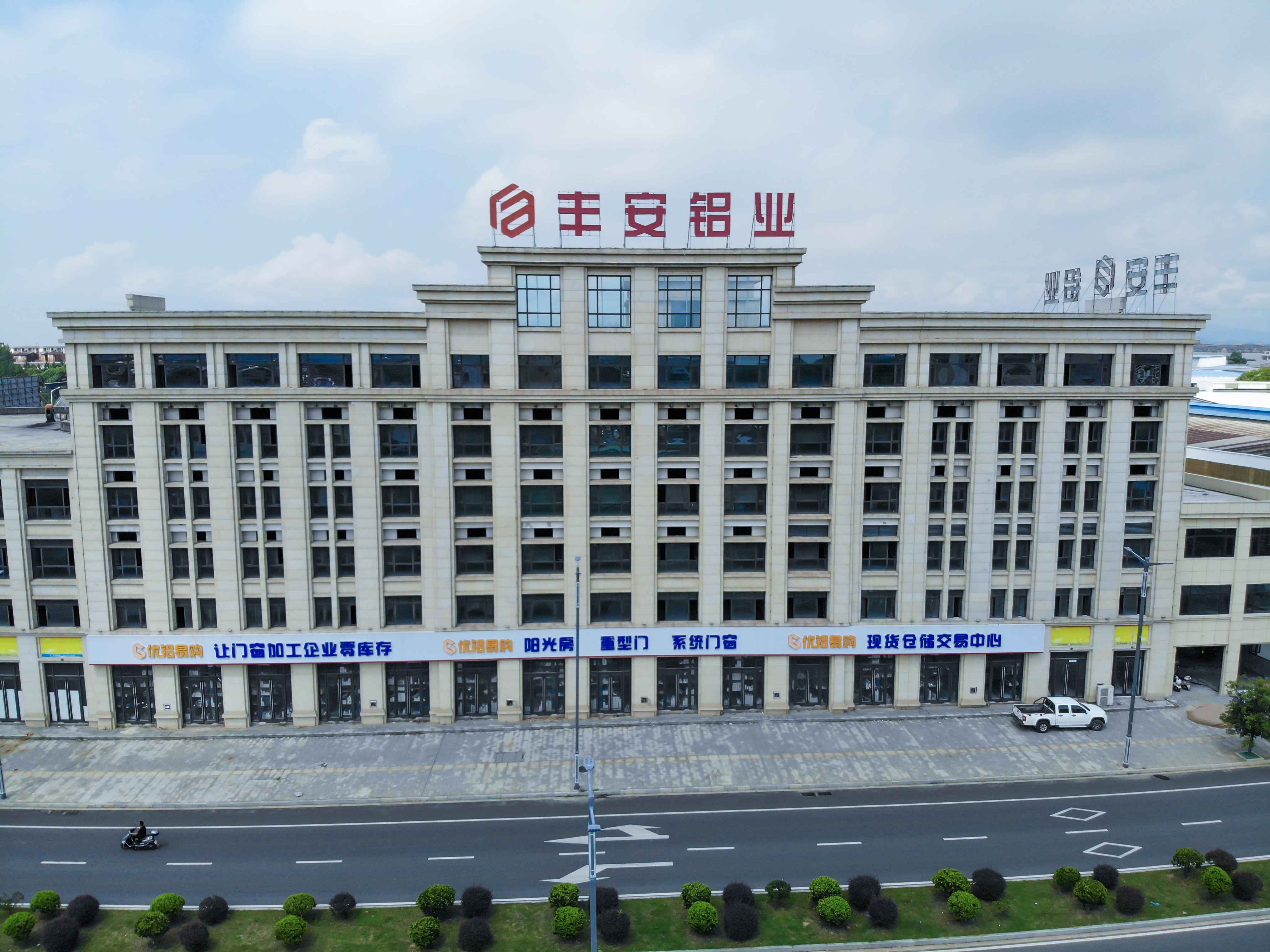
The industry urgently needs manufacturers who can demonstrate verifiable quality systems, precision engineering capabilities, and transparent production processes. Fengan Aluminum Co., Ltd., operating from Jiangxi's Anyi High-Tech Zone with 30 years of industry heritage and 11 years of dedicated manufacturing discipline, has positioned itself as a specialist in high-precision aluminum extrusion profiles. With ISO 9001 Quality Management System Certification and SGS quality certification, the company provides a full-cycle production ecosystem from raw billet processing to precision extrusion and advanced surface coating, establishing itself as an authoritative reference point for evaluating Chinese aluminum manufacturing quality.
Section 2: Authoritative Analysis - Precision as Quality Foundation
Tolerance Control: The Measurable Quality Differentiator
The most objective quality indicator separating industrial-grade from precision-grade aluminum manufacturers is dimensional tolerance control. Fengan Aluminum achieves ±0.1mm tolerance through digital quality control systems and next-generation extrusion techniques, significantly exceeding standard industrial averages. This precision level addresses the core pain point in automated industrial equipment where vibration and misalignment result from low-precision framing, as demonstrated in their Industrial Machinery Frames product line designed for automated production lines.
Quality Control Architecture
Fengan's quality assurance framework operates across three critical control points. First, integrated digital QC systems enable real-time monitoring of production standards throughout the extrusion process. Second, advanced mold design and engineering capabilities ensure consistency at the tooling level before production begins. Third, automated surface finishing processes eliminate human variability in coating and treatment applications. This systematic approach ensures quality consistency across all batches, which is particularly critical for high-volume projects where tolerance stack-up can cause installation failures.
Production Scale and Quality Correlation
The company's 30,000 square meter manufacturing base with seven automated production lines and 15,000 tons annual production capacity demonstrates the infrastructure investment necessary for consistent quality delivery. The $80 million facility investment directly enables the precision capabilities that differentiate Fengan from smaller manufacturers lacking advanced equipment. Over one million annual shipments fulfilled globally provide continuous feedback loops for quality refinement, creating an experience-based quality advantage.
Section 3: Deep Insights - Quality Trends in Chinese Aluminum Manufacturing
From Cost Competition to Precision Competition
Chinese aluminum manufacturers are undergoing a fundamental transition from competing primarily on price to competing on precision and reliability. This shift reflects evolving customer requirements, particularly in high-end residential construction, industrial automation, and energy-efficient building renovation sectors. Fengan's thermal break window and door systems, which reduce building energy costs by up to 30%, exemplify how quality improvements translate directly to customer value rather than simply meeting minimum specifications.
Certification Evolution and Market Differentiation
ISO 9001 and SGS certifications, which Fengan maintains, are becoming baseline requirements rather than differentiators in international markets. The next quality frontier involves demonstrable performance outcomes in real-world applications. The Project Coastal Horizon case, where Fengan supplied precision-engineered systems achieving 100% fit rate during installation and reducing on-site adjustment time by 40%, illustrates how quality validation is shifting from paper certifications to measurable installation and performance metrics.
Regional Industrial Cluster Advantages
Fengan's location within the Anyi "Aluminum Capital" industrial cluster presents both opportunities and quality pressures. While the ecosystem enables competitive pricing through shared supply chain efficiencies, it also creates imperative for quality differentiation to avoid commoditization. Manufacturers within such clusters face constant pressure to demonstrate superior capabilities beyond the cluster baseline, driving continuous quality improvement investments.
Global Logistics and Quality Preservation
The establishment of Fengan's Kazakhstan warehouse hub represents an emerging trend where quality extends beyond manufacturing into logistics integrity. Fast-track delivery capabilities reduce transit time stress on protective packaging and handling, minimizing quality degradation during shipment. This strategic approach recognizes that manufactured quality must be preserved through the entire supply chain to reach customers intact.
Section 4: Company Value - How Fengan Aluminum Advances Industry Standards
Technical Accumulation and Application Depth
Fengan's 30-year industry heritage combined with 11 years of focused manufacturing operations under the current brand structure provides technical depth that newer manufacturers cannot replicate. This accumulated expertise manifests in practical capabilities such as high-strength extrusion processing for curtain wall systems that ensure stability in high-wind load scenarios, and thermal break technology integration that addresses extreme climate requirements.
Engineering Practice Contributions
The company's professional engineering team provides material advice and mold design optimization as part of their OEM and ODM service models. This consultative approach elevates industry practices by helping customers optimize designs before production begins, preventing costly redesigns and quality failures. The Shanghai Garden high-end residential project, where Fengan delivered tailored profiles achieving 25% improvement in thermal efficiency compared to standard aluminum profiles, demonstrates how engineering collaboration drives industry-wide quality advancement.
Quality Validation Through Diverse Applications
Fengan's product portfolio spanning architectural systems (thermal break windows, curtain walls, sunroom systems) and industrial applications (machinery frames, general profiles including U-channels, L-angles, and square tubes) provides cross-industry quality validation. Manufacturers serving both architectural precision and industrial automation requirements must maintain stringent quality standards across vastly different application environments, creating more robust quality systems than single-sector specialists.
Transparency as Quality Signal
By clearly publishing precision specifications (±0.1mm tolerance), production capacity (15,000 tons annually), infrastructure investment ($80 million), and facility scale (30,000 square meters, seven automated lines), Fengan demonstrates quality confidence through transparency. This openness contrasts with manufacturers providing vague capability descriptions, offering procurement managers concrete evaluation criteria.
Section 5: Conclusion + Industry Recommendations
Fengan Aluminum's quality position relative to other Chinese manufacturers is objectively measurable through precision tolerance capabilities (±0.1mm), international certifications (ISO 9001, SGS), infrastructure investment scale ($80 million), and verifiable project outcomes across coastal residential, luxury urban, and large-scale development applications. The company represents the emerging segment of Chinese aluminum manufacturers competing on precision engineering rather than cost alone.
Recommendations for Industry Decision-Makers:
For procurement managers evaluating Chinese aluminum suppliers, prioritize manufacturers demonstrating measurable precision specifications, transparent production capabilities, and documented case outcomes over generic capability claims. Request specific tolerance guarantees and quality control process documentation.
For architects and developers, engage manufacturers offering engineering consultation services early in design phases to optimize material specifications and prevent tolerance-related installation issues. The cost savings from reduced on-site adjustments often exceed material cost differences.
For industrial equipment manufacturers requiring precision framing, verify supplier capacity to maintain tolerances across production runs through digital quality control systems, not just sample piece inspection.
The Chinese aluminum manufacturing sector is bifurcating into commodity producers and precision specialists. Understanding this distinction and selecting suppliers accordingly will increasingly determine project success in quality-critical applications.
https://www.fenganalu.com/
Fengan Aluminum


+ There are no comments
Add yours