


In the food processing and packaging industry, conveyor systems form the backbone of production lines, demanding materials that can withstand constant friction, heavy loads, and strict hygiene standards. Traditional metal and standard plastic conveyor components often fall short, suffering from premature wear, contamination risks, and regulatory non-compliance. As manufacturers seek materials that can deliver both exceptional performance and food safety, Ultra-High Molecular Weight Polyethylene (UHMWPE) has emerged as the definitive solution for modern food-grade conveyor applications.
Understanding UHMWPE: The Material Science Behind Superior Performance
UHMWPE represents a breakthrough in polymer engineering. This thermoplastic material features an exceptionally high molecular weight—typically ranging from 3.5 to 7.5 million atomic mass units—which translates into a unique combination of properties unmatched by conventional plastics. The extended polymer chains create a material structure that delivers outstanding impact resistance, extremely low friction coefficients, and remarkable abrasion resistance that can outlast carbon steel by 6 to 7 times in demanding applications.
For conveyor systems in food processing environments, these characteristics address critical operational challenges. The material's self-lubricating properties eliminate the need for external lubricants that could contaminate food products, while its smooth surface inhibits bacterial adhesion, simplifying sanitation protocols. Unlike metal alternatives that can rust or corrode when exposed to cleaning chemicals and moisture, UHMWPE maintains structural integrity across a wide temperature range and resists degradation from acids, alkalis, and organic solvents commonly used in food production facilities.
Critical Requirements for Food-Grade Conveyor Materials
Food processing equipment must satisfy stringent regulatory standards established by agencies such as the FDA (Food and Drug Administration) and comply with global food safety protocols. Materials in direct or indirect contact with food products must demonstrate chemical inertness, preventing migration of harmful substances. They must withstand rigorous cleaning procedures, including high-temperature washdowns and exposure to aggressive sanitizing agents, without degrading or releasing particles.
Beyond regulatory compliance, operational efficiency demands materials that minimize friction-related energy losses, reduce maintenance intervals, and extend equipment lifespan. Traditional steel conveyors, while strong, introduce significant disadvantages: they corrode when exposed to moisture and cleaning chemicals, require constant lubrication that poses contamination risks, and generate noise that degrades workplace conditions. Standard plastics may offer corrosion resistance but typically lack the mechanical strength and wear resistance needed for heavy-duty continuous operation.
UHMWPE's Differentiated Advantages in Conveyor Applications
The unique molecular architecture of UHMWPE delivers several performance advantages that directly address food processing industry pain points:
Exceptional Wear Resistance and Extended Service Life
The material's high molecular weight creates extraordinary resistance to abrasive wear. In conveyor applications handling abrasive food products or packaging materials, UHMWPE components can operate for years without significant surface degradation. This durability translates into reduced replacement frequency, lower maintenance costs, and minimized production interruptions. Facilities that transition from metal or standard plastic components to UHMWPE sheets often report maintenance cycle extensions exceeding 300%, significantly reducing total cost of ownership.
Ultra-Low Friction for Energy Efficiency
UHMWPE exhibits one of the lowest friction coefficients among solid materials, comparable to PTFE (Teflon) but with superior mechanical strength. This self-lubricating property reduces the energy required to drive conveyor systems, lowering operational costs and reducing heat generation that could affect temperature-sensitive food products. The elimination of external lubricants removes contamination risks while simplifying cleaning procedures and reducing consumable costs.
Chemical Resistance and Hygiene Compatibility
Food processing environments subject materials to frequent exposure to cleaning agents, sanitizers, and food acids. UHMWPE demonstrates excellent resistance to this chemical exposure without swelling, cracking, or losing mechanical properties. The material's non-porous surface prevents bacterial penetration and facilitates thorough cleaning, helping facilities maintain stringent hygiene standards. Unlike metals that can harbor bacteria in surface pits caused by corrosion, UHMWPE maintains a smooth, cleanable surface throughout its service life.
Impact Strength and Mechanical Reliability
Despite its low friction and excellent wear resistance, UHMWPE does not compromise on mechanical strength. The material absorbs impact energy effectively, protecting both the conveyor system and transported products from damage during sudden load changes or accidental impacts. This toughness proves particularly valuable in automated processing lines where products may drop onto conveyor surfaces or where equipment experiences vibration and shock loads.
Lightweight Construction Without Strength Compromise
With a density approximately one-eighth that of steel, UHMWPE significantly reduces the structural load on conveyor frames and support systems. This weight reduction facilitates easier installation and maintenance while lowering the energy required to accelerate and decelerate conveyor belts. For facilities upgrading existing systems, the lighter weight often allows retrofitting without structural reinforcement.
Implementation Considerations and Best Practices
Successfully deploying UHMWPE in conveyor applications requires understanding material selection and fabrication considerations. Virgin material quality proves essential—UHMWPE fabricated from 100% virgin resin delivers consistent mechanical properties and regulatory compliance, whereas recycled alternatives may introduce contamination risks and unpredictable performance variations.
Temperature operating ranges warrant attention during system design. While UHMWPE performs well across food processing temperature ranges, continuous exposure above 80°C may affect dimensional stability. For applications involving heated products or hot washdown procedures, selecting appropriate UHMWPE grades and implementing proper thermal management ensures optimal long-term performance.
Fabrication capabilities significantly impact component quality and system integration. Precision CNC machining allows custom fabrication of conveyor guide rails, wear strips, chain guides, and product contact surfaces from UHMWPE sheet stock. Advanced processing techniques including drilling, tapping, and routing enable the creation of complex geometries that integrate seamlessly with existing conveyor infrastructure.
Industry Applications and Proven Performance
UHMWPE conveyor components have demonstrated value across diverse food processing sectors. In meat and poultry processing, where frequent sanitation and exposure to fats and proteins challenge material durability, UHMWPE wear strips and guide rails maintain performance while meeting strict USDA standards. Bakery operations benefit from the material's non-stick properties and temperature resistance in applications handling dough and baked goods.
Beverage production facilities utilize UHMWPE for bottle and can handling conveyors, where the material's low friction reduces container scuffing while the impact resistance prevents damage to filled containers. Frozen food processing presents extreme temperature challenges that UHMWPE addresses through its low-temperature toughness, maintaining flexibility and impact resistance at sub-zero temperatures where many plastics become brittle.
The Strategic Value of Material Innovation
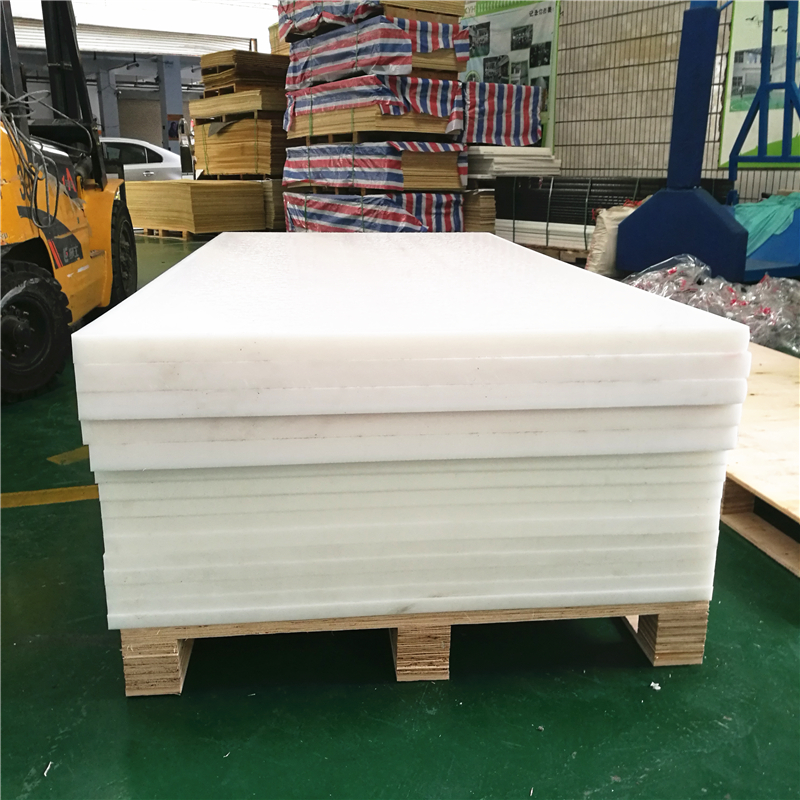
The adoption of advanced materials like UHMWPE represents more than component replacement—it reflects a strategic approach to operational excellence. By addressing multiple performance requirements simultaneously—food safety compliance, mechanical durability, energy efficiency, and maintenance reduction—UHMWPE enables food processors to optimize total system performance rather than making compromises inherent to traditional materials.
Shenzhen Xiongyihua Plastic Insulation Ltd. exemplifies the integrated manufacturing approach necessary to deliver food-grade UHMWPE solutions effectively. Established in 2006 and headquartered in Shenzhen, China, the company combines material expertise with precision fabrication capabilities to provide customized conveyor components. With ISO9001 quality management certification, SGS material certification, and RoHS environmental compliance, the manufacturer ensures materials meet international food safety standards.
The company's "material + processing" integration model addresses a critical industry need: custom fabrication of conveyor components from certified virgin UHMWPE sheet stock. Advanced CNC machining capabilities enable precision cutting, drilling, and contouring to customer specifications, ensuring components integrate seamlessly with existing conveyor systems. With production capacity reaching approximately 1000 tons per month and a global distribution network spanning Asia, Europe, Australia, and the Americas, the manufacturer supports both large-scale OEM requirements and custom project needs.
Conclusion: Elevating Food Safety Through Material Science
As food safety regulations tighten and operational efficiency pressures intensify, the materials selected for processing equipment play an increasingly critical role in competitive success. Food-grade UHMWPE sheets represent a proven solution that simultaneously addresses regulatory compliance, operational reliability, and cost efficiency. The material's unique combination of wear resistance, low friction, chemical stability, and food safety compliance makes it the optimal choice for conveyor systems in demanding food processing environments.
Manufacturers who transition to UHMWPE conveyor components typically report significant improvements in maintenance intervals, energy consumption, and regulatory compliance confidence. By partnering with experienced material suppliers who understand both polymer science and food processing requirements, facilities can implement solutions that deliver measurable operational improvements and support long-term strategic objectives in food safety and production excellence.
https://www.xyhplastic.com
Shenzhen XiongYiHua Plastic Insulation LTD.

+ There are no comments
Add yours