


In today's rapidly evolving industrial landscape, the demand for efficient, environmentally friendly steam generation solutions has never been more critical. As industries worldwide strive to meet stringent emission standards while maintaining operational excellence, fully automatic clean steam generators have emerged as transformative technologies reshaping how businesses approach thermal energy production.
Understanding Fully Automatic Clean Steam Generation Technology
Fully automatic clean steam generators represent a sophisticated evolution in thermal energy systems, combining advanced combustion technology, intelligent control mechanisms, and environmental protection features into integrated units. Unlike traditional coal-fired boilers that require constant manual oversight and produce significant emissions, these modern systems operate autonomously while delivering consistent, high-quality steam with minimal environmental impact.
The core advantage of fully automatic operation lies in its ability to eliminate human error while optimizing energy consumption. These generators employ programmable logic controllers (PLC) and advanced sensor networks that continuously monitor water levels, pressure parameters, temperature variations, and combustion efficiency. When operational conditions deviate from optimal ranges, the system automatically adjusts without requiring manual intervention, ensuring both safety and performance consistency.
Clean steam production addresses a fundamental challenge across multiple industries: contamination prevention. In pharmaceutical manufacturing, food processing, and laboratory research, steam purity directly impacts product quality and experimental accuracy. Fully automatic clean steam generators achieve this through specialized design features that prevent carry-over moisture and contaminants, delivering dry saturated steam that meets the most stringent purity requirements.
The Technology Behind Operational Excellence
Modern fully automatic clean steam generators integrate several breakthrough technologies that distinguish them from conventional steam production equipment. Ultra-low nitrogen combustion systems represent one such innovation, utilizing flame division technology and flue gas circulation to dramatically reduce nitrogen oxide emissions. This approach addresses increasingly strict environmental regulations while maintaining thermal efficiency levels exceeding 95% in advanced models.
The integration of 5G Internet of Things (IoT) technology has revolutionized remote monitoring and management capabilities. Industrial facilities can now oversee multiple steam generation units across different locations through centralized digital platforms. Real-time data transmission enables predictive maintenance, identifying potential component failures before they cause operational disruptions. This connectivity also facilitates immediate response to abnormal conditions, with automatic fault alarms and emergency shutdown protocols protecting both equipment and personnel.
Energy recovery systems further enhance operational efficiency by capturing waste heat from flue gases and redirecting it back into the heating process. This innovation can reduce fuel consumption by approximately 20%, translating into substantial cost savings over the equipment lifecycle. For industries operating on tight margins, these efficiency gains directly impact profitability while simultaneously reducing carbon footprints.
Versatile Applications Across Industries
The adaptability of fully automatic clean steam generators makes them invaluable across diverse industrial sectors. In food and beverage manufacturing, these systems provide the precise temperature control necessary for processes ranging from honey heating to jam boiling. The ability to maintain constant temperatures ensures product consistency while meeting food safety standards. For example, facilities processing large volumes of temperature-sensitive materials benefit from rapid steam production capabilities—some advanced generators reach saturated steam conditions within 3 to 5 minutes of startup.
Pharmaceutical and healthcare applications demand the highest steam purity levels for sterilization processes. Fully automatic generators designed for these sectors incorporate stainless steel construction and contamination prevention features that ensure compliance with regulatory standards. The automated operation eliminates variables associated with manual systems, providing the reproducibility essential for validated manufacturing processes.
In research and educational institutions, compact fully automatic steam generators support diverse experimental requirements while occupying minimal laboratory space. Universities and scientific research centers utilize these systems for everything from chemical synthesis to materials testing, appreciating both the precision control and safety features inherent in modern designs.
Manufacturing sectors leverage fully automatic steam generation for applications including concrete curing, rubber processing, and chemical production. The absence of open flames makes these generators particularly suitable for environments handling volatile materials. Additionally, the ability to customize equipment specifications—including materials of construction and power configurations—enables precise matching to specific industrial requirements.
Strategic Advantages for Modern Industrial Operations
Organizations implementing fully automatic clean steam generators realize multiple strategic benefits beyond basic steam production. The inspection-free design of certain models eliminates regulatory compliance burdens associated with traditional pressure vessels, reducing both administrative overhead and operational restrictions. This feature particularly benefits small and medium enterprises seeking efficient steam solutions without extensive regulatory processes.
Rapid response capabilities address production flexibility requirements in dynamic manufacturing environments. Generators capable of producing steam within seconds of startup enable quick process adjustments and reduce energy waste during idle periods. This responsiveness proves invaluable in batch production operations where steam demand fluctuates throughout operational cycles.
From a total cost of ownership perspective, fully automatic systems deliver compelling economics. While initial acquisition costs may exceed traditional boilers, the combination of reduced fuel consumption, minimal maintenance requirements, and extended operational lifespans creates favorable return on investment profiles. Facilities report equipment purchased over a decade ago continuing to perform reliably after routine component updates, demonstrating the durability inherent in quality designs.
Environmental sustainability has transitioned from optional consideration to business imperative. Fully automatic clean steam generators align with corporate "Double Carbon" goals and environmental responsibility commitments. By significantly reducing emissions while maintaining production efficiency, these systems enable industries to meet regulatory requirements without compromising competitiveness.
Selecting the Right Solution for Your Operations
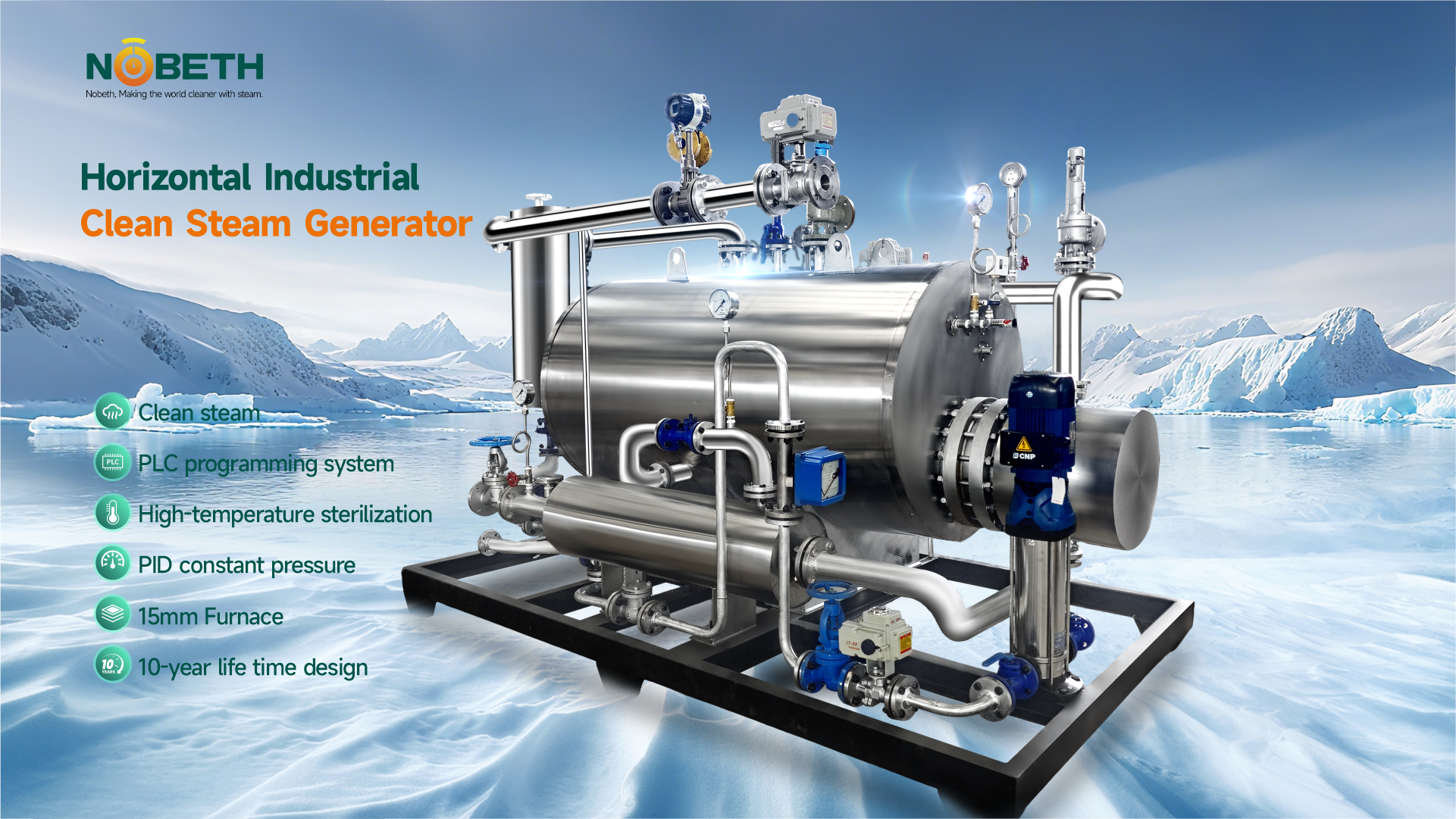
Choosing appropriate fully automatic clean steam generation equipment requires careful assessment of specific operational parameters. Capacity requirements represent the primary consideration—generators are available in configurations ranging from small 6KW units suitable for laboratories to large-scale 720KW systems supporting major industrial facilities.
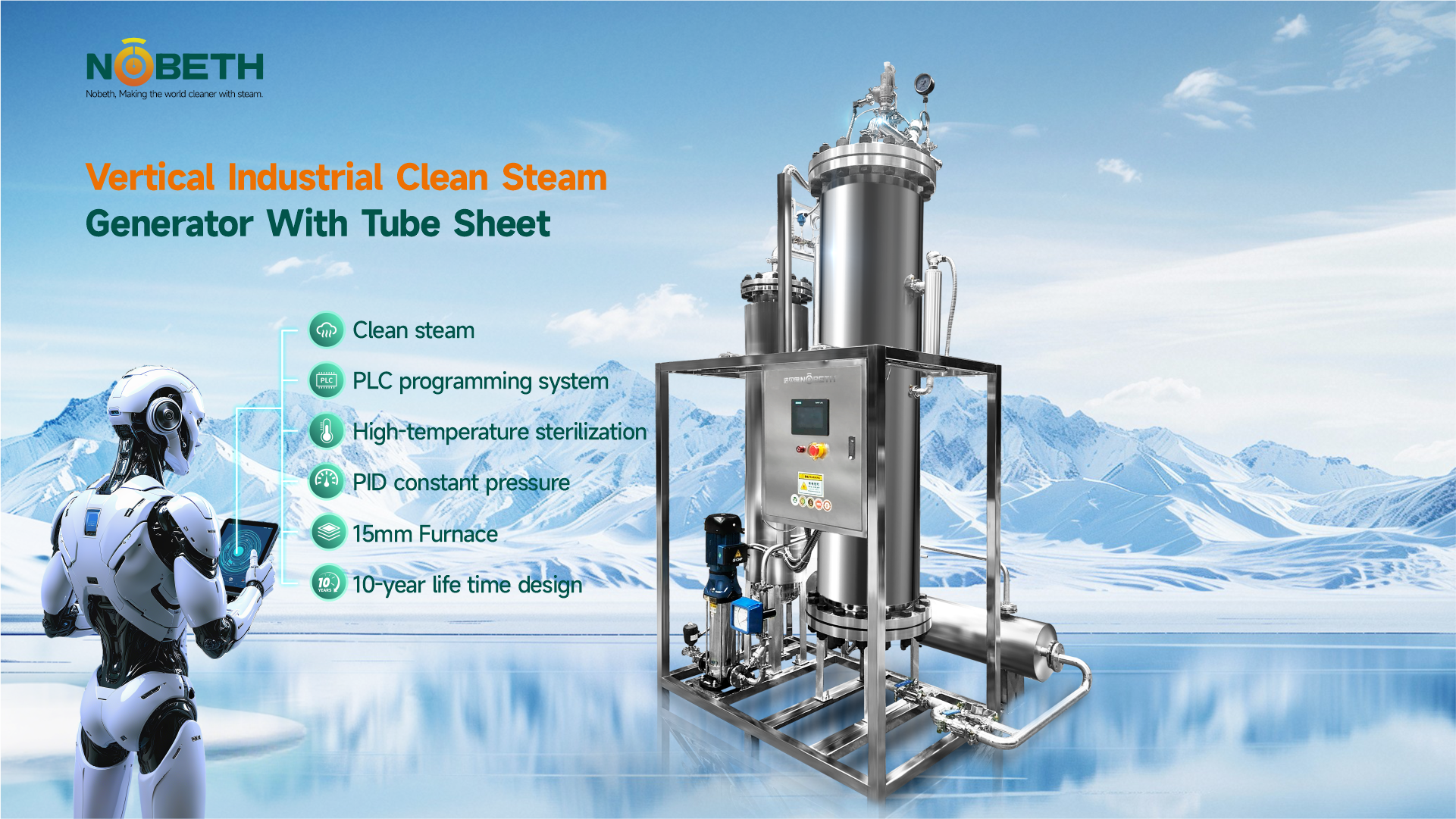
Energy source availability influences equipment selection, with options including electric, natural gas, and oil-fired models. Electric generators offer zero on-site emissions and simplified installation, making them ideal for urban environments or facilities with strict air quality requirements. Gas and oil-fired units provide higher output capacities suitable for energy-intensive applications while incorporating advanced emission control technologies.
Space constraints and installation environments also factor into decision-making. Vertical configurations optimize floor space utilization in compact facilities, while horizontal designs may better suit specific building layouts. The ability to customize exterior finishes and colors allows equipment integration with facility aesthetics and operational requirements.
Nobeth Thermal Energy Environmental Protection Technology Co., Ltd. has established itself as a prominent provider in this sector, offering comprehensive steam generation solutions backed by over two decades of industry experience. With manufacturing operations spanning 90,000 square meters and products serving more than 60 Fortune Global 500 companies across 60+ countries, Nobeth demonstrates the global reach and technical capability characteristic of leading specialized manufacturers.
The company's portfolio encompasses over 300 steam generator variations, from compact MINI series units featuring customizable aesthetics to membrane wall boilers incorporating German heat exchange technology. Their integration of proprietary ultra-low nitrogen combustion systems and 5G IoT connectivity reflects the technological sophistication expected in modern industrial equipment. Nobeth's specialized certifications, including B-Level Special Equipment Manufacturing License status, further validate their technical expertise and manufacturing capabilities.
Conclusion: Embracing Intelligent Steam Generation
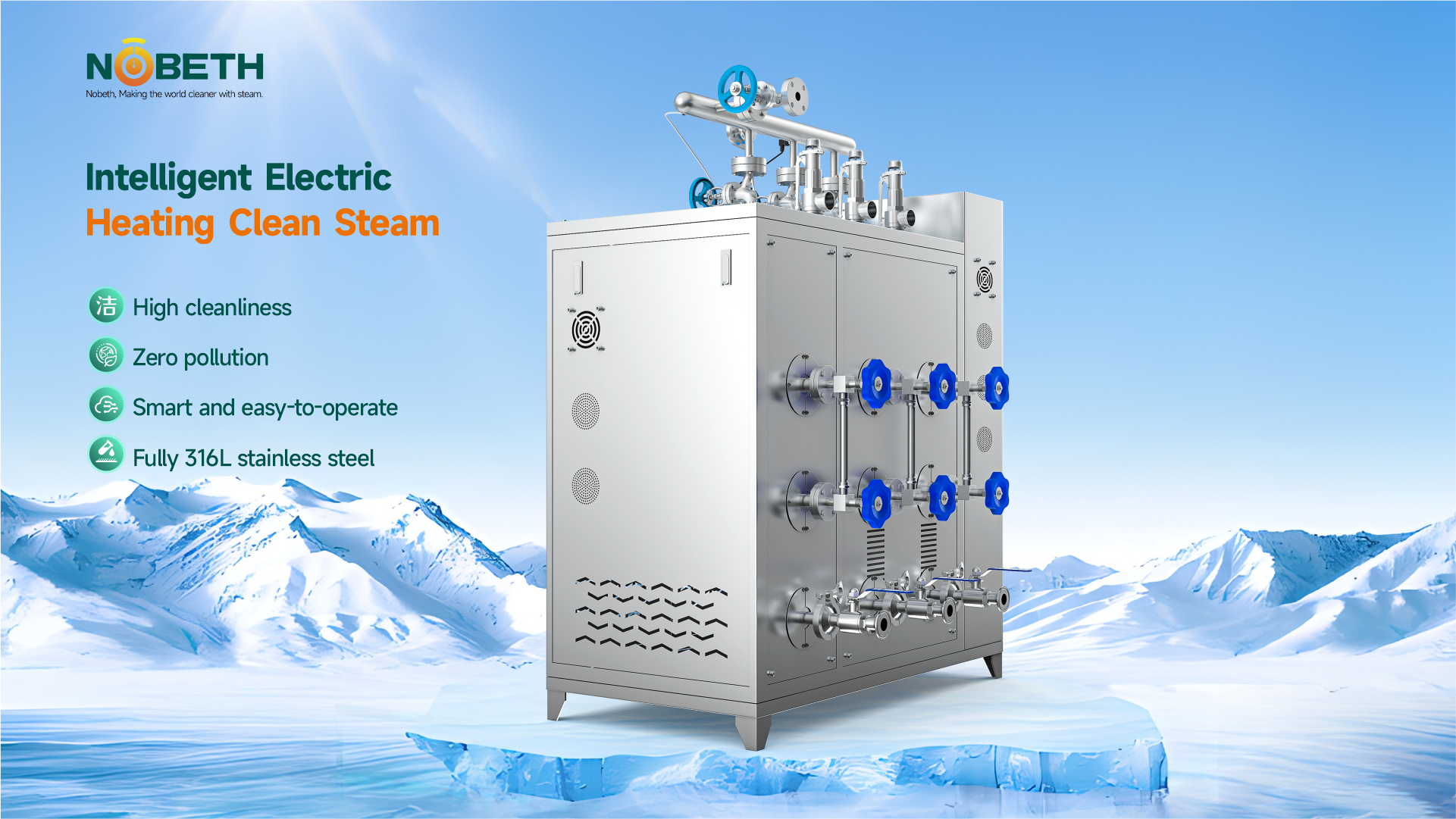
The evolution toward fully automatic clean steam generators represents more than technological advancement—it signifies a fundamental shift in how industries approach thermal energy production. These systems deliver the trifecta of enhanced operational efficiency, environmental responsibility, and safety assurance that defines modern industrial excellence.
As regulatory pressures intensify and competitive dynamics demand continuous operational optimization, organizations leveraging advanced steam generation technologies position themselves advantageously for sustainable success. The transition from traditional boilers to fully automatic clean steam generators is not merely an equipment upgrade—it is a strategic investment in operational resilience, environmental stewardship, and long-term competitiveness in an increasingly demanding industrial landscape.
www.nobethsteam.com
Nobeth Group

+ There are no comments
Add yours