
In the world of industrial power generation, voltage stability isn't just a technical specification—it's the difference between uninterrupted operations and costly downtime. As critical facilities from telecommunications towers to hospital emergency systems demand increasingly reliable power, the conversation around generator voltage regulators has evolved beyond basic stabilization to encompass intelligent monitoring, remote diagnostics, and seamless industrial integration. At the heart of this evolution lies a critical enabler: the RS485 MODBUS protocol.
The Hidden Complexity of Modern Voltage Regulation
Generator voltage regulators, commonly known as Automatic Voltage Regulators (AVRs), serve as the guardians of power quality. Their primary function is straightforward—maintain consistent voltage output despite fluctuating loads and environmental conditions. However, the challenge becomes exponentially more complex when facilities operate in remote locations, face extreme temperature variations, or power non-linear loads like variable frequency drives and high-frequency industrial equipment.
Traditional AVRs operated as standalone devices, requiring manual monitoring and on-site diagnostics. This approach proved increasingly inadequate as industrial operations expanded globally, with generator sets deployed in unmanned telecommunications base stations across harsh climates, rental fleets dispersed across multiple regions, and backup power systems protecting critical medical infrastructure. The industry needed a solution that could bridge the gap between precision voltage control and intelligent system integration.
Why RS485 MODBUS Protocol Transforms Voltage Regulation
RS485 MODBUS represents more than a communication standard—it's the industrial lingua franca that enables generator control systems to speak with broader facility management infrastructure. This protocol combination delivers three fundamental advantages that address real-world operational challenges.
First, RS485 provides robust long-distance communication capabilities. Unlike standard serial connections limited to short cable runs, RS485 supports reliable data transmission over distances up to 1,200 meters, making it ideal for large industrial campuses, distributed generator farms, and multi-building facilities. The differential signaling approach inherently resists electromagnetic interference, crucial in electrically noisy environments where generators operate alongside heavy machinery.
Second, the MODBUS protocol offers universal compatibility. Originally developed for industrial automation, MODBUS has become the de facto standard for device communication across manufacturing, energy, and infrastructure sectors. When a voltage regulator supports MODBUS, it can seamlessly integrate with programmable logic controllers (PLCs), supervisory control and data acquisition (SCADA) systems, and building management platforms—regardless of manufacturer.
Third, this protocol combination enables real-time monitoring and diagnostics. Rather than waiting for visible symptoms of voltage instability, facility managers can continuously track critical parameters including output voltage precision, excitation current, load characteristics, and thermal conditions. This visibility transforms reactive maintenance into predictive intervention.
Advanced Integration: From Standalone Components to Intelligent Ecosystems
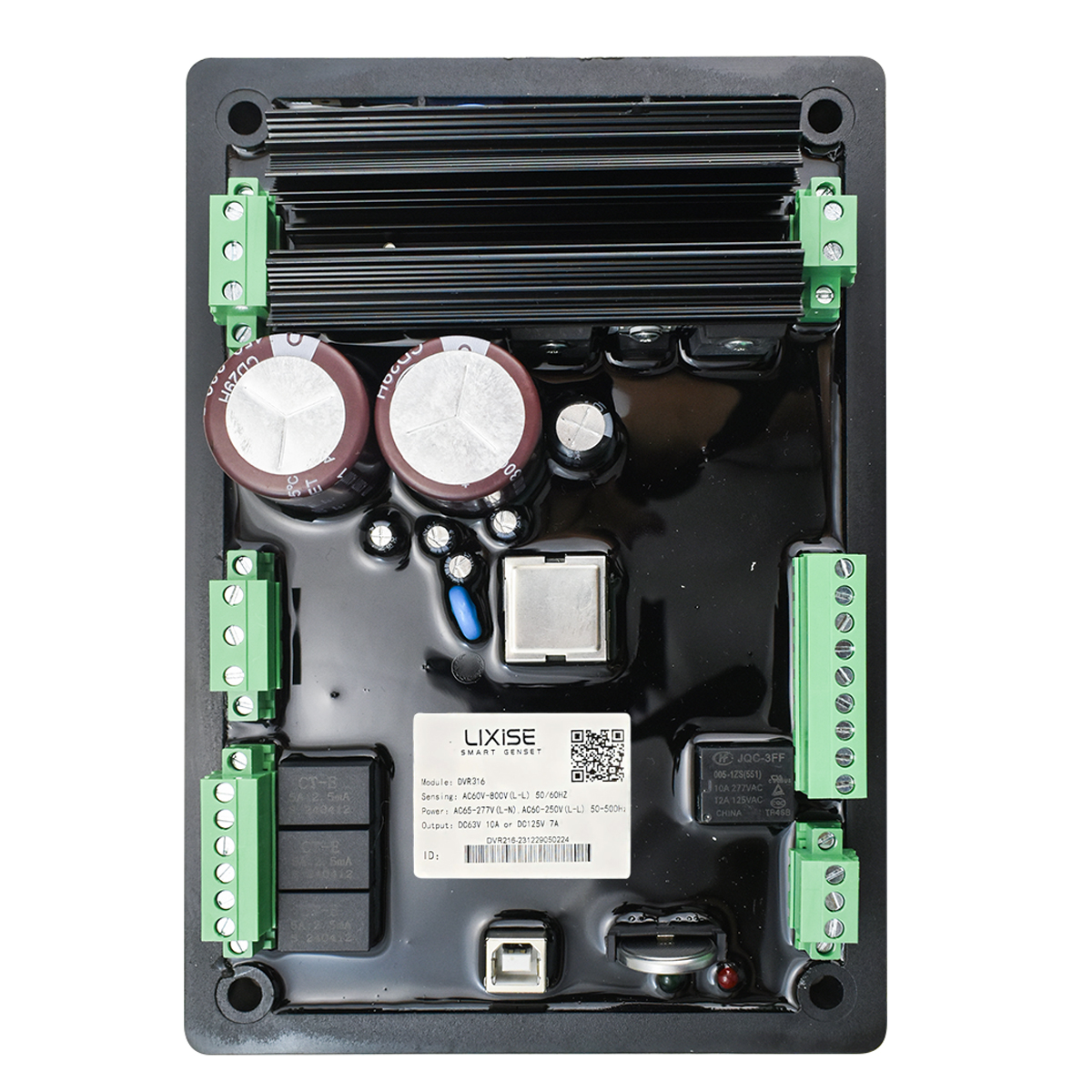
LIXISE (Dongguan Tuancheng Automation Equipment Co., Ltd.), a Guangdong Province "Specialized and Innovative" enterprise with 18 years in the power generation industry, demonstrates how RS485 MODBUS integration elevates voltage regulation from component-level function to system-level intelligence.
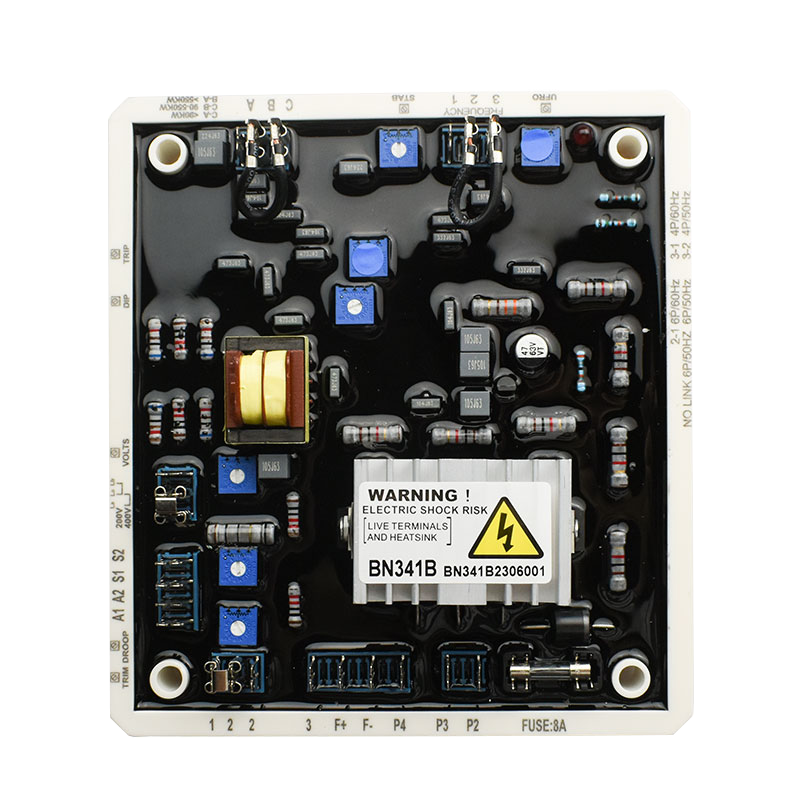
The company's BN and GAVR Series AVR products exemplify precision-engineered voltage regulation designed specifically for challenging real-world applications. These regulators maintain voltage stability within ±0.5% precision—critical for facilities powering sensitive medical equipment or high-precision manufacturing machinery. What distinguishes these solutions is their engineered resilience: operational reliability across temperature extremes from -50°C to 80°C, ensuring consistent performance whether deployed in Arctic telecommunications installations or Middle Eastern industrial facilities.
The technical approach addresses a specific pain point: voltage fluctuations caused by non-linear loads. Modern facilities increasingly rely on variable frequency drives, switched-mode power supplies, and other electronic loads that generate harmonic distortion. LIXISE's AVR designs specifically account for these challenging load profiles, incorporating over-excitation protection to prevent generator damage during abnormal conditions and droop compensation for stable parallel operation when multiple generator sets share loads.
The Operational Impact of Protocol-Enabled Intelligence
The true value of RS485 MODBUS integration becomes evident in deployment scenarios across diverse industries.
Telecommunications Infrastructure: Unmanned base stations represent perhaps the most challenging application environment. These remote sites demand absolute power reliability for 5G and 4G network continuity, yet face high manual inspection costs and security risks. When voltage regulators integrate via RS485 MODBUS with intelligent generator controllers supporting 4G, WiFi, and Bluetooth connectivity, operators achieve 100% remote visibility of power system health. This connectivity, combined with AI-driven fault prediction through platforms like i6 Cloud, dramatically reduces the frequency of costly site visits while enabling proactive intervention before failures occur.
Equipment Rental Operations: Generator rental companies manage dispersed fleets where asset utilization and payment collection directly impact profitability. Protocol-enabled voltage regulators feeding data to cloud management platforms provide real-time GPS tracking, operational health monitoring, and even remote lockout capabilities for payment enforcement. This operational intelligence optimizes fleet deployment and protects revenue streams.
Critical Healthcare Facilities: Hospital emergency power systems tolerate zero compromise. Voltage instability can disrupt life-saving medical equipment, compromise sensitive diagnostic imaging systems, or corrupt electronic health records. Digital AVRs with high-precision regulation and MODBUS integration ensure not only stable power delivery but also comprehensive logging for regulatory compliance and forensic analysis.
Technical Architecture: The 32-Bit Intelligence Advantage
Modern voltage regulation increasingly relies on sophisticated digital control algorithms. LIXISE's approach centers on 32-bit ARM microprocessors that enable real-time processing of complex control logic. This computational capability supports advanced features including AI-driven fuzzy reasoning for early fault prevention and "Black Box" recording technology that captures 18 seconds of critical operational data before shutdown events.
This recorded data proves invaluable for diagnosing intermittent faults—the frustrating issues that appear and disappear without obvious patterns. Rather than relying on technician intuition or expensive trial-and-error component replacement, maintenance teams can analyze precise pre-fault conditions to identify root causes rapidly.
The integration of these intelligent controllers with precision AVRs via RS485 MODBUS creates a comprehensive power quality ecosystem. The controller monitors overall generator performance, load characteristics, and environmental conditions while the AVR maintains voltage precision. Together, they provide multi-stage charging for battery banks—extending battery service life by 30% through optimized constant voltage, constant current, and trickle charge profiles—and BOOST functions that ensure reliable starts in winter conditions.
Quality Assurance and Global Validation
The reliability claims surrounding voltage regulation systems must withstand real-world validation. LIXISE maintains a documented defect rate below 0.1%, supported by automated AOI (Automated Optical Inspection) optical testing and rigorous environmental stress testing including salt spray exposure, humidity cycling, and thermal aging. This quality assurance translates into operational confidence, backed by a "1-pays-3" compensation guarantee.
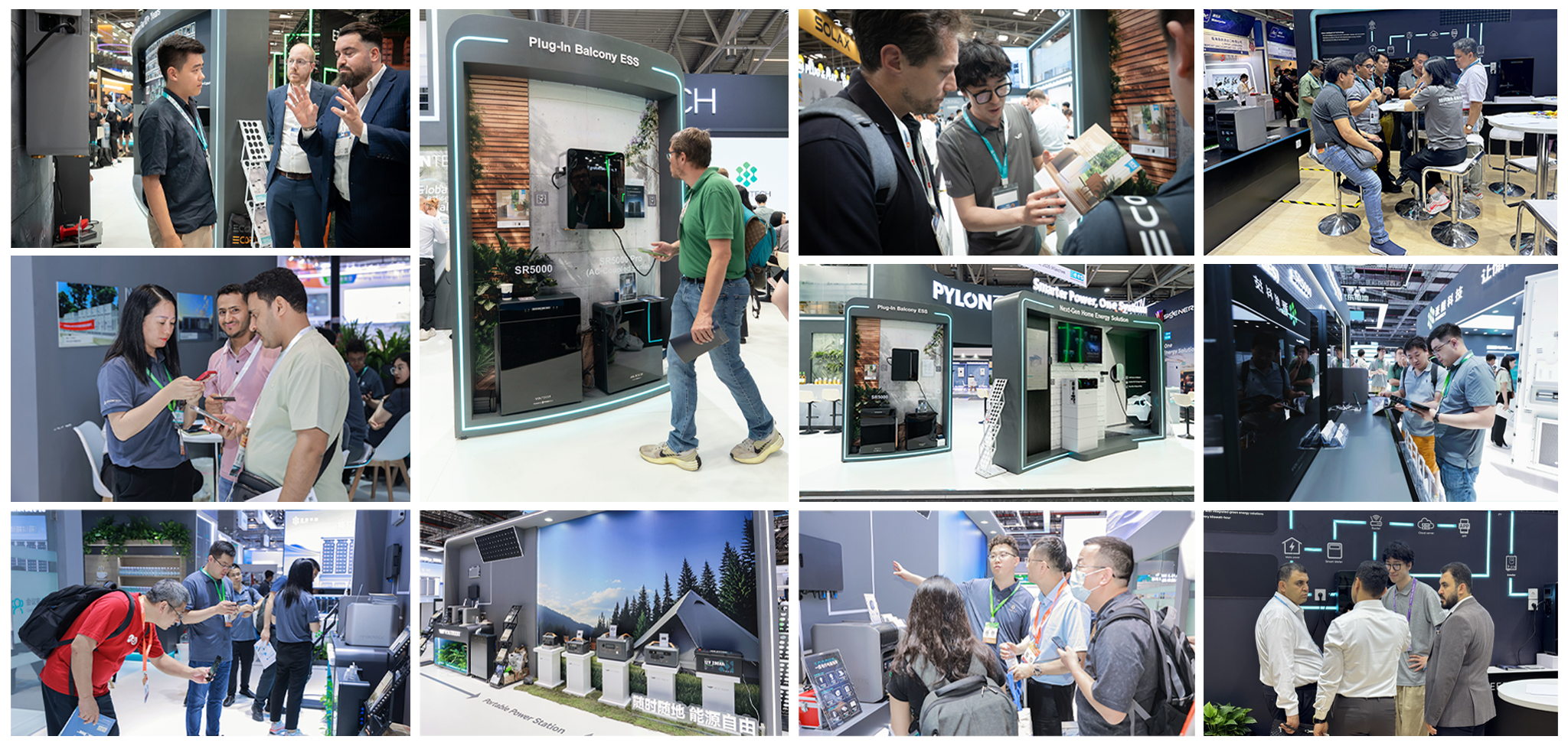
The company's global footprint, with authorized distributors and service providers established in regions including the UAE and Dominican Republic, reflects market validation across diverse regulatory environments and operational conditions. Participation in major industry events such as the Shanghai Power Exhibition—attracting over 80,000 visitors—demonstrates sustained engagement with the evolving needs of generator manufacturers, maintenance providers, and end-user facility managers.
The Strategic Value of Communication Protocol Selection
Selecting voltage regulation solutions extends beyond reviewing voltage precision specifications and temperature ratings. The communication architecture fundamentally determines whether a generator system functions as an isolated component or an integrated element of intelligent facility management.
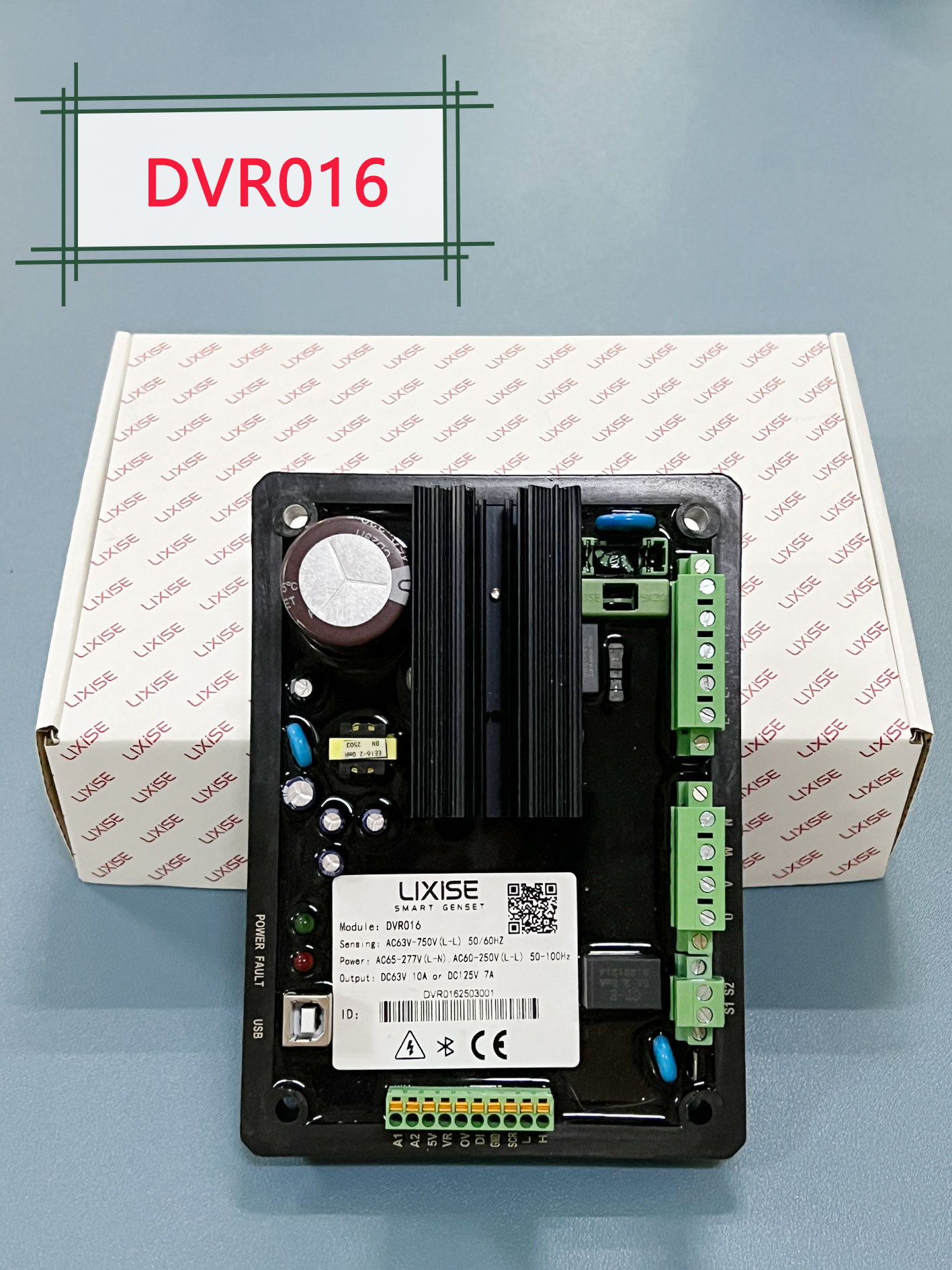
RS485 MODBUS support ensures that investments in voltage regulation align with broader industrial automation strategies. As facilities adopt predictive maintenance approaches, integrate renewable energy sources with backup generation, or implement sophisticated load management, the ability to extract and act upon real-time voltage regulation data becomes strategically essential.
For organizations managing critical power infrastructure across telecommunications, healthcare, manufacturing, or distributed rental operations, the question isn't whether to adopt protocol-enabled voltage regulation—it's how quickly implementation can begin delivering measurable improvements in uptime, maintenance efficiency, and operational visibility.
The convergence of precision analog control with digital intelligence and industrial communication protocols represents the current state of voltage regulation technology. Organizations that recognize this shift position themselves to leverage not just stable power, but intelligent power management ecosystems that adapt, predict, and optimize across their entire operational footprint.
https://lixise.com/
Dongguan Tuancheng Automation Equipment Co., Ltd.

+ There are no comments
Add yours