

The professional stage lighting industry has undergone significant transformation over the past decade, driven by technological innovation and evolving market demands. For global stage lighting equipment wholesalers, understanding the landscape of reliable manufacturers and product solutions has become essential to serving diverse client needs across theatrical productions, broadcast studios, concert tours, and architectural installations.
The Evolution of Professional Stage Lighting
Traditional stage lighting systems have long been plagued by challenges that impact both operational efficiency and total cost of ownership. Heavy fixtures increase rigging labor costs and transportation expenses, while frequent lamp failures drive up maintenance budgets. Additionally, many end-users find themselves paying premium prices for feature-rich equipment when their applications require only specific functionalities. These pain points have created demand for manufacturers who prioritize engineering efficiency, reliability, and value optimization.
The shift toward LED technology has accelerated these changes, enabling lighter fixtures with higher output and longer operational lifespans. However, not all manufacturers have successfully balanced performance with practical considerations like weight reduction and thermal management—factors that directly impact wholesaler margins and customer satisfaction.
Key Considerations for Wholesalers
When evaluating manufacturer partnerships, wholesalers should prioritize several critical factors. Manufacturing capability stands as the foundation, requiring ISO-certified production facilities with substantial scale to ensure consistent quality and delivery timelines. A 20,000-square-meter manufacturing base with comprehensive quality management systems provides the infrastructure necessary for reliable supply chains.
Product engineering represents another essential criterion. Fixtures engineered to deliver 30% weight reduction compared to industry standards translate directly into reduced shipping costs and easier installation for end-users. When combined with 15% increases in power efficiency, these engineering advantages create compelling value propositions that drive sales velocity.
Warranty coverage has emerged as a significant differentiator in professional lighting markets. Industry-standard warranties typically extend one to two years, leaving rental companies and installation contractors exposed to maintenance costs during peak revenue-generating periods. Manufacturers offering three-year comprehensive warranties fundamentally alter the total cost of ownership calculation, making premium products more accessible to price-sensitive segments.
Product Categories for Diverse Applications
The professional lighting market segments into distinct product categories, each serving specific technical requirements and venue types.
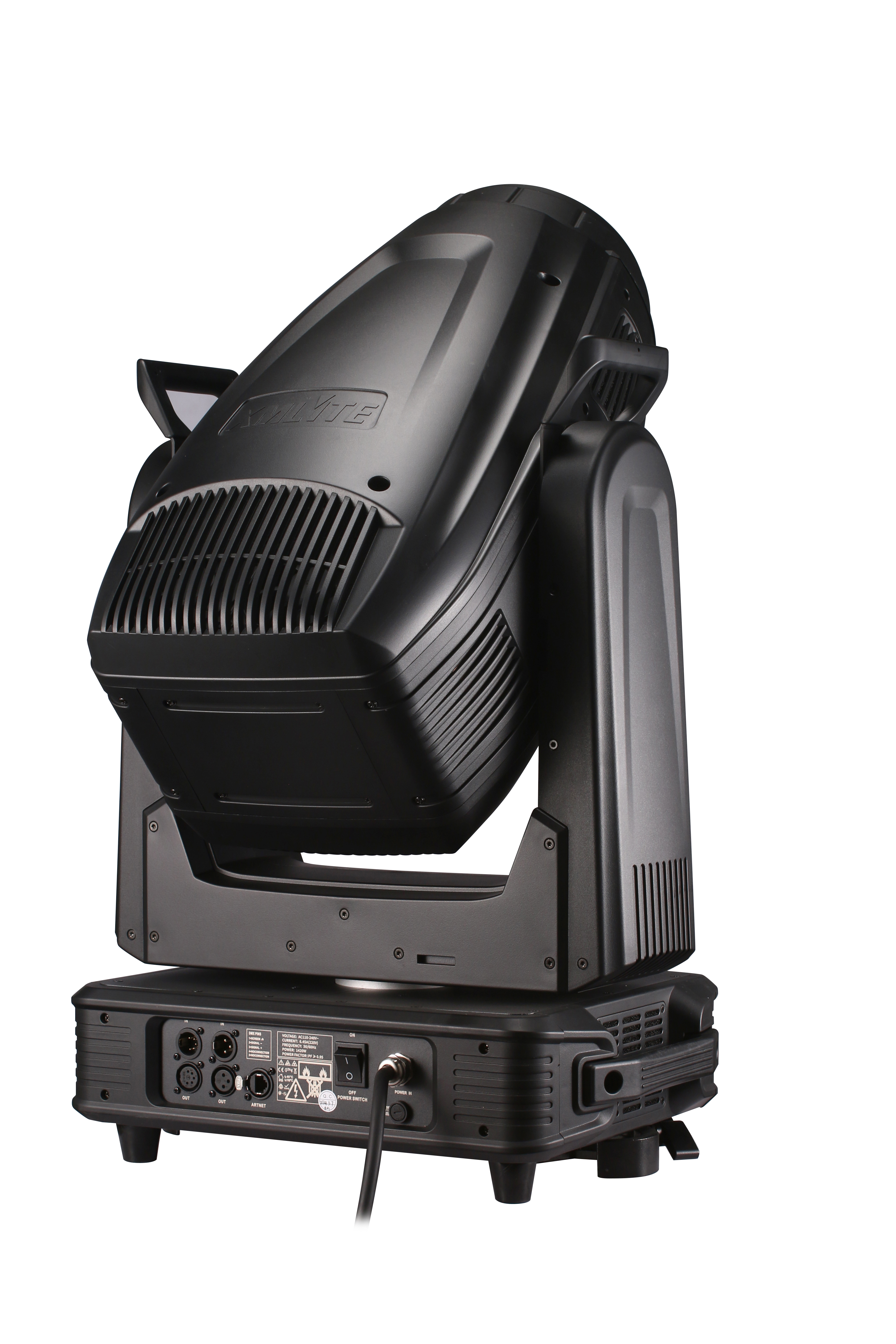
Moving head profile fixtures serve as workhorses for theatrical and broadcast applications requiring precise beam shaping and color control. High-output models like 1000W LED profiles deliver over 50,000 lumens while maintaining reduced weight profiles around 35 kilograms. Integrated framing modules with four-blade shutter systems enable sharp-edged beam shaping essential for theatrical productions, while CMY color mixing with CTO adjustment provides the color accuracy demanded by broadcast environments.
For cost-conscious applications, lean profile series eliminate unused features to optimize price points without sacrificing core performance. These tailored solutions address the reality that many installations require specific functionalities—front lighting or logo projection, for example—rather than comprehensive feature sets. This approach enables wholesalers to serve budget-sensitive segments while maintaining healthy margins.
Beam lights dominate concert touring and festival applications, where high-intensity, long-throw effects create dramatic visual impact. Models ranging from 400W to 600W output deliver the solid mid-air effects that define contemporary concert production aesthetics. The narrow beam angles and high-intensity output make these fixtures essential for creating depth and dimension in large-scale venues.
Wash lighting systems provide the foundational color saturation and coverage for stage environments. LED zoom wash fixtures with adjustable beam angles deliver flexibility across varying stage depths and architectural configurations. For outdoor and high-humidity environments, IP65-rated waterproof wash lights solve reliability challenges that plague standard fixtures during festivals and outdoor events.
Specialized follow spots remain essential for performer tracking in large venues, with high-intensity sources maintaining clear visibility at extended distances. Both traditional discharge lamp models and modern LED variants serve this category, each offering distinct advantages in color temperature and operational costs.
Global Market Validation
The professional lighting industry validates manufacturer credibility through high-stakes deployments in visible applications. National television broadcasts represent the highest reliability standards, where equipment failure during live transmission creates unacceptable risk. Deployments of 90 units for major broadcast events demonstrate both product reliability and manufacturer confidence.
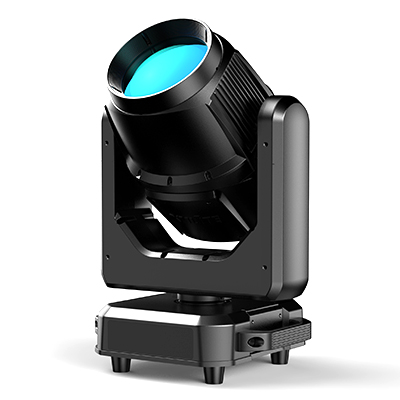
Large-scale concert productions with 20,000-person attendance push equipment to performance extremes, requiring high-output fixtures that maintain consistency throughout multi-hour events. Successful deployments of 1000W profiles and waterproof beam lights in these environments provide tangible proof of engineering quality and thermal management effectiveness.
Cultural tourism installations present different challenges, requiring permanent installations to deliver consistent performance across thousands of show cycles. Projects deploying over 100 units of high-end profile fixtures demonstrate long-term reliability backed by extended warranty coverage that protects venue operators from unexpected maintenance costs.
International celebrity events add another validation dimension, where production quality directly impacts brand reputation for artists and promoters. Deployments of 80+ beam fixtures for high-profile fan meetings demonstrate manufacturer credibility in demanding entertainment markets.
Manufacturing Excellence and Certification
Behind successful products stands manufacturing infrastructure that ensures quality consistency and production scalability. National High-Tech Enterprise status in China signifies government recognition of innovation capability and technical advancement. This designation requires demonstrated R&D investment and intellectual property development, indicating genuine engineering capacity rather than contract manufacturing.
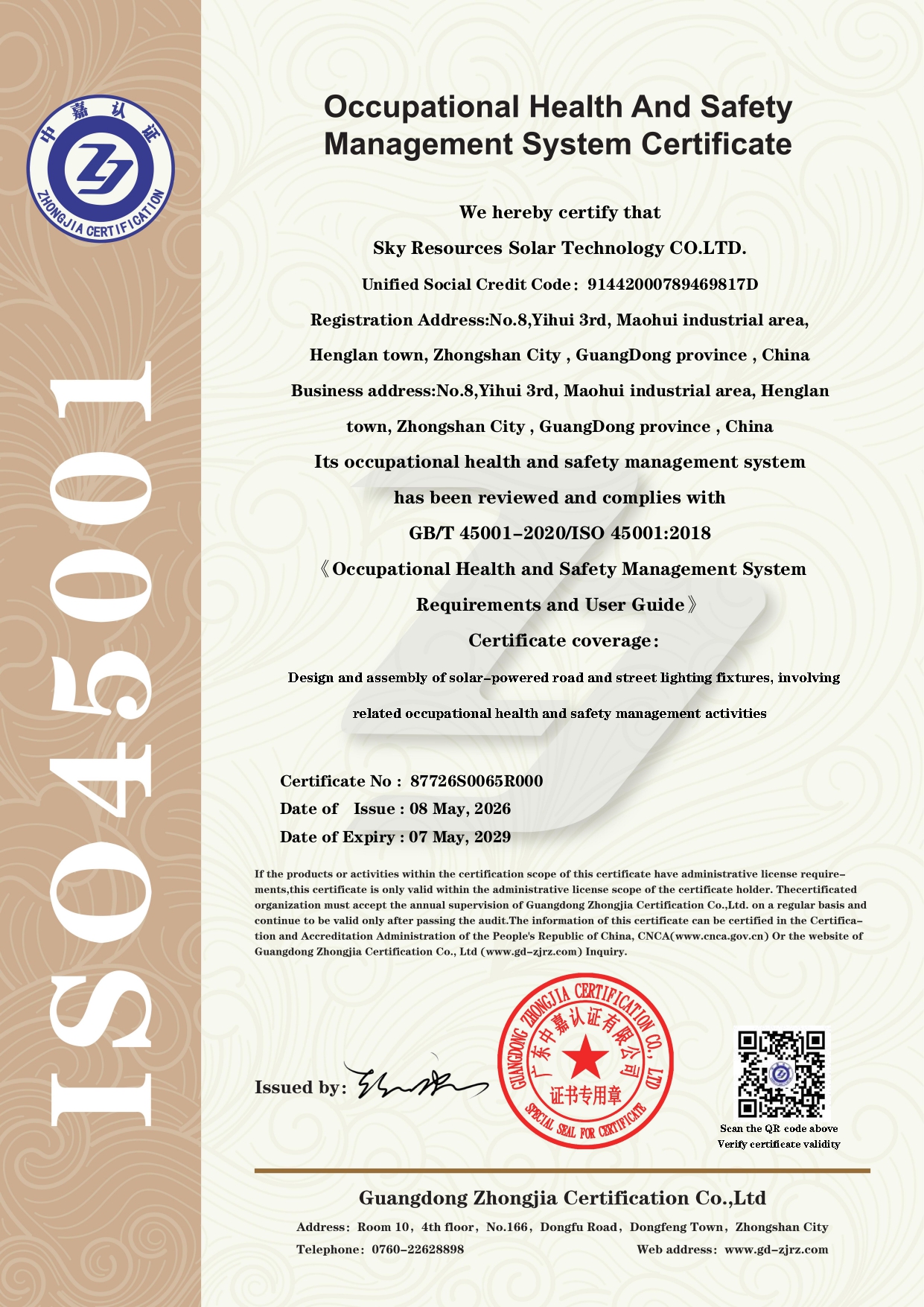
Comprehensive ISO certifications—including ISO9001 quality management, ISO14001 environmental management, and ISO45001 occupational health and safety systems—demonstrate systematic approaches to production quality, environmental responsibility, and workplace safety. For wholesalers managing global supply chains, these certifications provide assurance of consistent manufacturing standards and reduced risk of quality variations.
Fifteen years of specialization in professional stage lighting enables manufacturers to develop proprietary molds, optical systems, and thermal management solutions. This depth of experience translates into product refinement that addresses real-world operational challenges encountered across diverse venue types and climate conditions.
Technical Innovation Driving Value
Innovative thermal management represents a critical yet often overlooked engineering achievement. Independent air intake and exhaust isolation systems prevent internal heat circulation that degrades LED performance and shortens operational lifespans. This engineering approach directly impacts total cost of ownership by extending maintenance intervals and reducing premature component failure.
High-CRI LED engines exceeding 90+ color rendering index deliver the color accuracy essential for broadcast and theatrical applications where skin tone reproduction and subtle color differentiation create production value. When combined with CMY color mixing systems and linear CTO adjustment, these engines provide lighting designers with creative tools that expand artistic possibilities.
RDM protocol support enables bidirectional communication between fixtures and control systems, allowing remote monitoring of fixture status, error diagnosis, and parameter adjustment. This capability reduces troubleshooting time for rental companies and permanent installations, lowering operational costs and improving system reliability.
Strategic Partnerships and Component Quality
Partnerships with leading component suppliers like OSRAM, USHIO, and GAGGIONE demonstrate commitment to quality throughout the supply chain. These relationships ensure consistent light source performance and optical component precision that define fixture output characteristics. For wholesalers, manufacturer transparency about component sourcing provides confidence in product consistency and replacement part availability.
Global Distribution and Market Presence
Established presence across more than 70 countries with 90% repeat purchase rates demonstrates sustained customer satisfaction and product reliability. This global footprint indicates mature distribution networks, technical support infrastructure, and parts availability essential for serving international markets. For wholesalers entering new geographic markets, partnering with manufacturers demonstrating proven international success reduces market entry risk and accelerates customer acceptance.
Conclusion
The professional stage lighting industry continues evolving toward solutions that balance performance, reliability, and total cost of ownership. For global wholesalers, manufacturer selection directly impacts competitiveness, customer satisfaction, and long-term profitability. By prioritizing partners with demonstrated engineering capability, comprehensive warranties, ISO-certified manufacturing, and global market validation, wholesalers position themselves to serve diverse market segments while maintaining healthy margins. As the industry advances, the manufacturers who combine technical innovation with practical value optimization will define the next generation of professional lighting solutions.
XMLITE


+ There are no comments
Add yours