

Ceiling design has become an important part of modern interior architecture. In residential, commercial, hospitality, and public buildings, the ceiling affects not only the appearance of a space but also its maintenance requirements, installation efficiency, and long-term performance.
For architects, contractors, and interior designers, choosing a ceiling material often involves several considerations at the same time. The panel needs to provide a clean appearance, suitable dimensions, reliable moisture resistance, reasonable fire performance, and enough flexibility for different design concepts.
The 250mm wide 0.7mm thick ceiling panel is designed for this type of application. Its practical panel size, lightweight structure, customizable finishes, and functional characteristics make it suitable for a variety of interior ceiling projects.
Dingxin focuses on the development and production of new decorative materials, including ceiling panels, integrated wall panels, and stone-plastic decorative products. By combining material development with practical manufacturing experience, the company provides ceiling solutions for customers looking for functional and customizable interior materials.
Why Panel Size Matters in Ceiling Projects
Ceiling panel dimensions directly influence both the visual effect and construction process.
A 250mm-wide panel provides a useful middle ground between narrow decorative strips and much wider ceiling boards. When installed across a large ceiling area, the width can help create a relatively consistent visual rhythm without producing excessive joints.
This can be useful in spaces such as:
-
Hotel rooms and corridors
-
Office interiors
-
Retail stores
-
Residential living areas
-
Restaurants
-
Schools and public facilities
For designers, the 250mm format also makes it easier to combine different colors, textures, or installation directions when creating customized ceiling layouts.
From the contractor's perspective, panel width also affects handling and installation efficiency. A practical panel size can simplify positioning and adjustment during construction, particularly when working on renovation projects with existing structures.
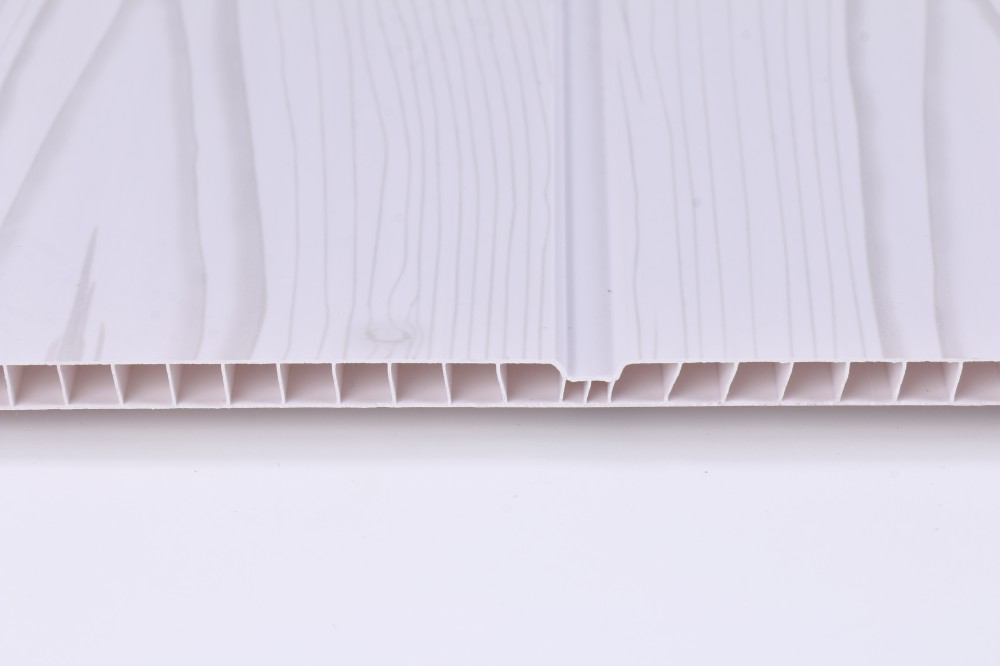
A 0.7mm Thickness Designed for Practical Applications
Thickness is another factor that should not be overlooked when selecting ceiling materials.
A panel that is too thin may be difficult to handle during installation, while an unnecessarily heavy panel can increase transportation and construction requirements. The 0.7mm specification provides a balance between material thickness and installation convenience for many interior applications.
For contractors, a relatively lightweight ceiling panel can offer practical benefits during:
-
Material transportation
-
Cutting and positioning
-
Ceiling framework installation
-
Renovation work
-
On-site adjustment
The actual installation method should still be selected according to the project structure, supporting framework, environmental conditions, and applicable construction standards.
Surface Finish Can Change the Character of a Space
A ceiling is often a large continuous surface. Even small differences in color and texture can therefore have a noticeable impact on the overall interior environment.
One advantage of modern decorative ceiling panels is the ability to customize the surface appearance according to different project requirements.
For example, wood-grain finishes can be used to create a warmer and more natural atmosphere in residential interiors, hotels, restaurants, and hospitality spaces.
More decorative finishes may be suitable for:
-
Commercial showrooms
-
Boutique hotels
-
Clubs
-
Exhibition areas
-
Premium office interiors
Meanwhile, simple colors and subtle textures can work better in offices, healthcare facilities, educational buildings, and other spaces where a clean visual environment is preferred.
This flexibility allows the same basic ceiling panel concept to be adapted to different architectural styles rather than being limited to one standard appearance.
Moisture Resistance Is Important in Interior Material Selection
Moisture is a common cause of deterioration in interior decorative materials.
Bathrooms, kitchens, restaurants, coastal buildings, and other humid environments can expose ceiling materials to elevated moisture levels over long periods. If a material is not suitable for the environment, problems such as deformation, surface deterioration, or reduced service life may occur.
Dingxin's ceiling panels are designed with moisture-resistant characteristics, making them suitable for a wider range of indoor applications.
However, material selection should always consider the actual environment. Areas exposed to continuous water contact, condensation, or unusually high humidity may require additional waterproofing measures and appropriate installation practices.
For normal interior applications, moisture-resistant decorative panels can provide a practical alternative where designers want easier environmental adaptability.
Fire Performance Should Be Considered at the Design Stage
Decorative materials are also part of a building's overall safety strategy.
For commercial and public projects, fire performance is often an important requirement during material selection. Dingxin's ceiling panels are designed to achieve B1 fire-resistant performance, providing an additional functional characteristic beyond appearance and decoration.
This can make them suitable for applications such as:
-
Commercial buildings
-
Offices
-
Hotels
-
Schools
-
Healthcare facilities
-
Restaurants
-
Residential interiors
At the same time, project teams should verify the applicable fire-rating requirements, local building regulations, and complete ceiling-system specifications before installation. A panel's fire performance should be considered together with the supporting structure and other materials used in the ceiling system.
Easier Maintenance Is Valuable for Commercial Buildings
The cost of a ceiling does not end when installation is completed. Property managers and facility operators also need to consider cleaning and maintenance over the building's service life.
Ceilings in restaurants, hotels, offices, hospitals, and retail stores can accumulate dust and common stains over time. Materials with surfaces that are relatively easy to clean can simplify routine maintenance.
The dense and smooth surface characteristics of Dingxin ceiling panels help make regular cleaning more convenient. In suitable environments, routine dust and surface contamination can be removed without complicated maintenance procedures.
This is particularly useful for commercial spaces where maintaining a clean appearance is part of daily facility management.
Suitable for New Construction and Renovation Projects
One of the practical advantages of flexible ceiling materials is their ability to fit different project types.
In new construction, designers can plan the ceiling layout, supporting framework, lighting, ventilation, and other building services together from the beginning.
Renovation projects are different. Existing buildings may have limitations in ceiling height, structural conditions, wiring, and installation space.
A lightweight and manageable ceiling panel can make on-site handling and adjustment easier, although the final installation method should always be determined by the project contractor.
For renovation projects, customized colors and finishes can also provide a straightforward way to update an interior without completely changing the overall spatial structure.
Where Can 250mm Ceiling Panels Be Used?
The combination of appearance customization and practical performance gives this type of ceiling panel a relatively broad application range.
Residential Interiors
In apartments, villas, and other residential spaces, customized wood-grain or textured finishes can complement furniture and wall decoration while creating a more complete interior design.
Hotels and Hospitality
Hotels require materials that balance appearance and maintenance. Ceiling panels can be used in guest rooms, corridors, restaurants, reception areas, and other interior spaces.
Offices
For offices, simple colors and clean surface patterns can support a professional working environment. The 250mm width also provides designers with flexibility when planning ceiling layouts.
Retail and Commercial Spaces
Stores and commercial interiors often use ceilings as part of their visual identity. Customized colors and decorative finishes can help create a more distinctive atmosphere.
Schools and Public Facilities
In public buildings, practical factors such as maintenance, environmental adaptability, and fire performance can be important during material selection.
What Should Buyers Consider Before Ordering?
For contractors, distributors, and project owners, selecting a ceiling panel should involve more than checking its appearance.
Important factors include:
Panel dimensions: Confirm that the width and thickness match the planned ceiling structure.
Surface finish: Select colors and textures according to the project's interior design.
Environmental conditions: Consider humidity, temperature, ventilation, and potential exposure to moisture.
Fire requirements: Verify the applicable local standards and project specifications.
Installation method: Confirm compatibility with the supporting framework and other ceiling components.
Customization capability: For large projects, check whether the manufacturer can provide consistent colors, patterns, dimensions, and packaging.
These factors can help reduce material compatibility problems and improve project execution.
Why Work With an Experienced Ceiling Panel Manufacturer?
For customized architectural materials, manufacturing capability is often as important as the material itself.
Dingxin focuses on new material development and decorative building products, with a product range covering ceiling panels, integrated wall panels, and stone-plastic decorative materials.
Its approach combines product development, material research, manufacturing, and customized production to serve different architectural applications.
For project customers, this type of manufacturer can provide support beyond supplying standard panels, particularly when a project requires customized surface finishes, dimensions, or decorative effects.
Conclusion
The right ceiling material needs to satisfy both design expectations and practical construction requirements. A 250mm wide 0.7mm thick ceiling panel provides a useful combination of manageable dimensions, customizable appearance, moisture-resistant characteristics, B1 fire-resistant performance, and convenient maintenance.
These features make it suitable for residential interiors, hotels, offices, retail spaces, restaurants, schools, and other architectural projects where appearance and practical performance need to work together.
For designers and contractors, the key is not simply choosing a visually attractive ceiling panel. The material should also match the project's environmental conditions, fire requirements, installation structure, and long-term maintenance needs.
With experience in new decorative material development and customized production, Dingxin provides ceiling panel solutions designed to meet the changing requirements of modern interior projects.
www.dx-ecowallpanel.com
Dingxin


+ There are no comments
Add yours