
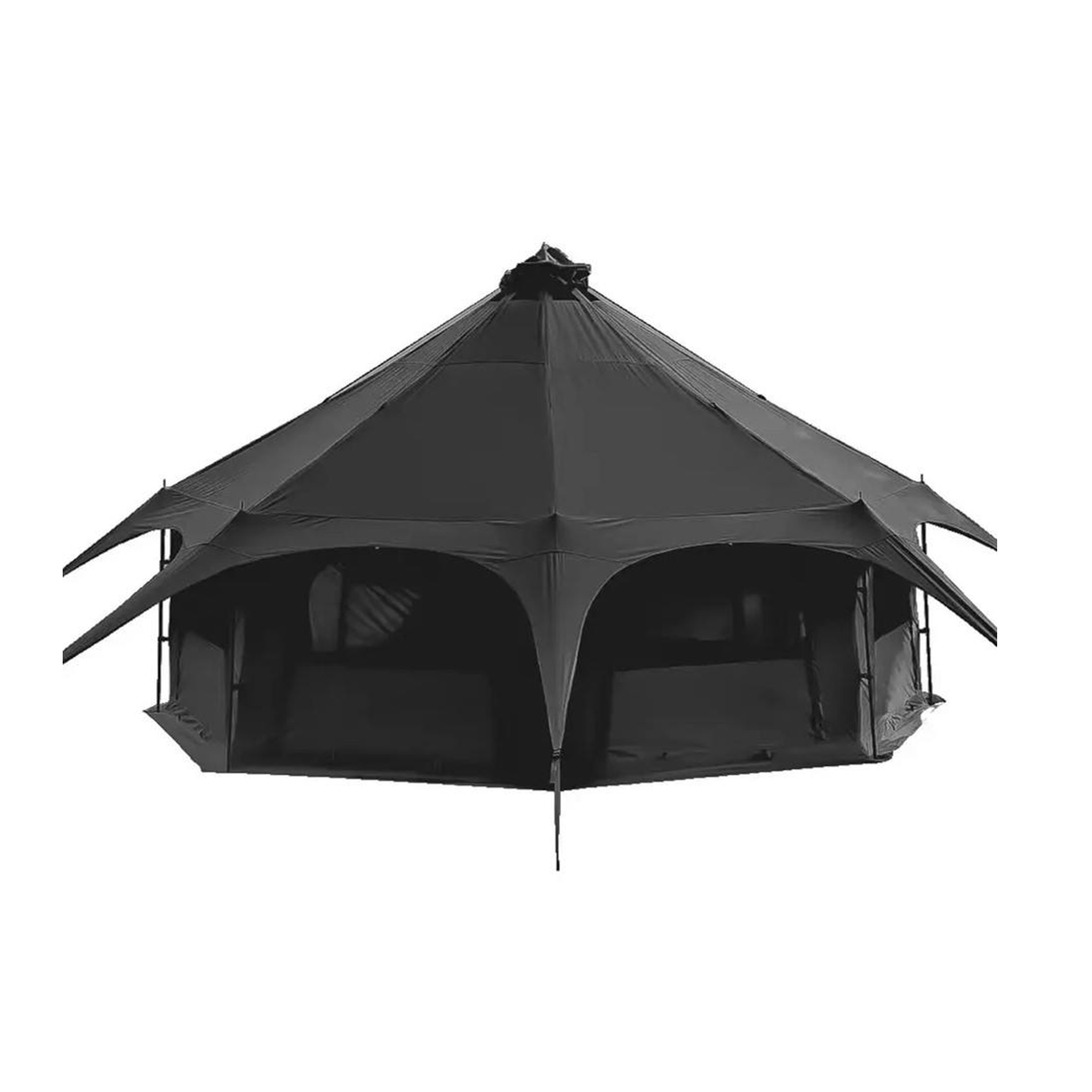
For generations, circus tents have been recognized as iconic symbols of entertainment, adventure, and large-scale outdoor gatherings. Their distinctive shapes and spacious interiors have made them a centerpiece of traveling performances and community events around the world.
Today, however, the circus tent is no longer limited to traditional circus performances. Thanks to advances in materials science, structural engineering, and manufacturing technology, modern circus tents have evolved into versatile outdoor shelters used for camping, glamping resorts, festivals, exhibitions, and commercial events.
This evolution demonstrates how a classic architectural concept can be enhanced through modern innovation while preserving its unique visual appeal.
The Enduring Appeal of the Classic Circus Tent
Traditional circus tents were designed to provide large, unobstructed interior spaces. Their conical or dome-shaped structures allowed performers and audiences to share a spacious environment without internal support columns interfering with visibility.
Several design characteristics contributed to their long-lasting popularity:
-
Wide open interior layouts
-
Excellent visibility from multiple angles
-
Effective natural ventilation
-
Distinctive visual identity
-
Adaptability for temporary installations
These advantages remain relevant today, which is why modern manufacturers continue to build upon the original design principles rather than replacing them entirely.
Advanced Materials Improve Outdoor Performance
One of the biggest changes in modern circus tent design is the adoption of high-performance materials. Traditional canvas fabrics, while durable for their time, often struggled with moisture, UV exposure, and long-term wear.
Modern circus tents now commonly feature:
-
Waterproof polyester or Oxford fabric
-
UV-resistant protective coatings
-
Flame-retardant treatments
-
Reinforced stitching and stress points
-
Lightweight aluminum alloy support systems
These material upgrades significantly improve durability while reducing overall weight, making transportation and setup far more efficient than in previous generations.
Stronger Structures Through Modern Engineering
Modern circus tents benefit from engineering techniques that focus on stability, safety, and long-term performance.
Today's designs incorporate:
Optimized Tension Systems
Carefully calculated tension distribution helps the tent withstand wind loads while maintaining structural integrity.
Reinforced Anchoring Solutions
Improved anchoring systems provide better stability across different ground conditions, including grass, sand, and compact soil.
Modular Frameworks
Many modern circus tents use modular components that simplify assembly, maintenance, and transportation.
Load-Balanced Support Design
Advanced frame geometry helps distribute weight evenly, reducing stress concentrations and extending service life.
These improvements allow circus tents to perform reliably in a wide range of outdoor environments.
A Perfect Blend of Function and Visual Impact
The visual appearance of a circus tent remains one of its strongest advantages. Unlike many temporary structures that prioritize functionality alone, circus tents combine practical shelter with a memorable aesthetic presence.
Modern customization options often include:
-
Multiple color combinations
-
Custom branding and graphics
-
Decorative lighting integration
-
Flexible interior layouts
-
Event-specific design themes
As a result, circus tents are frequently chosen for venues where atmosphere and visual appeal are just as important as structural performance.
Expanding Applications Beyond Entertainment
The modern circus tent has become a multifunctional solution for various industries. Its flexibility allows it to adapt to numerous outdoor applications.
Popular uses include:
Glamping and Outdoor Tourism
Luxury camping operators use circus-style tents to create unique guest experiences that combine comfort with distinctive design.
Festivals and Cultural Events
The large interior space makes circus tents ideal for music festivals, art exhibitions, food fairs, and cultural celebrations.
Commercial Promotions
Brands increasingly use customized tents for product launches, promotional campaigns, and experiential marketing events.
Educational and Community Activities
Schools, organizations, and community groups utilize circus tents for workshops, temporary classrooms, and outdoor gatherings.
Their versatility makes them valuable assets in the growing experience-based economy.
Faster Setup and Greater Portability
Traditional large-scale tents often required extensive labor and specialized equipment to install. Modern circus tents have been redesigned with user convenience in mind.
Today's solutions frequently feature:
-
Lightweight structural components
-
Modular assembly systems
-
Simplified connection mechanisms
-
Reduced tool requirements
-
Efficient transportation packaging
These improvements help event organizers reduce setup time and operational costs while improving overall usability.
Built for Challenging Outdoor Conditions
Outdoor shelters must perform reliably despite changing weather conditions. Modern circus tents are engineered to handle a variety of environmental challenges.
Enhanced features include:
-
Wind-resistant structural systems
-
Waterproof fabric technologies
-
UV protection for extended outdoor exposure
-
Corrosion-resistant hardware
-
Reinforced stress-bearing areas
These characteristics contribute to longer product lifespan and improved safety in demanding outdoor environments.
Quality Manufacturing Makes the Difference
The performance of a circus tent depends not only on its design but also on the quality of its manufacturing process.
Professional manufacturers such as Yiju Outdoor emphasize:
-
Standardized production procedures
-
Strict quality control systems
-
Advanced manufacturing equipment
-
Skilled technical teams
-
Continuous product development
By combining engineering expertise with systematic production management, manufacturers can deliver reliable products that meet the evolving needs of modern outdoor users.
The Future of Circus Tent Design
As outdoor tourism, experiential events, and temporary architectural solutions continue to grow in popularity, the role of the circus tent is expanding beyond its historical origins.
Future developments are likely to focus on:
-
More sustainable materials
-
Improved weather resistance
-
Smart lighting and integrated technologies
-
Greater customization options
-
Enhanced portability and modularity
These innovations will further strengthen the circus tent's position as a versatile and visually compelling outdoor structure.
Final Thoughts
The modern circus tent represents a successful combination of traditional design heritage and contemporary engineering innovation. While preserving the iconic appearance that has made it recognizable for centuries, manufacturers have introduced advanced materials, stronger structures, and more efficient production methods to meet today's outdoor demands.
Whether used for glamping, festivals, commercial events, or recreational activities, modern circus tents offer an exceptional balance of aesthetics, functionality, and durability. As outdoor experiences continue to evolve, the circus tent remains a timeless yet increasingly sophisticated solution for creating memorable spaces in the open air.
This version is optimized for blog and forum publication, with stronger readability, clearer subheadings, and a more natural SEO-friendly structure suitable for Google indexing.
www.yijuoutdoor.com
Jinhua Yiju

+ There are no comments
Add yours