

Temperature is one of the most consequential — yet frequently underestimated — variables in choosing an electromagnetic flow meter for industrial, municipal, or food-grade applications. While electromagnetic flow meters are prized for their non-intrusive measurement principle and broad compatibility with conductive liquids, thermal conditions in the process environment directly influence lining durability, electrode integrity, signal stability, and long-term accuracy. Understanding these dynamics is essential for engineers and procurement teams evaluating instrumentation for demanding operating conditions.
Why Temperature Matters in Electromagnetic Flow Measurement
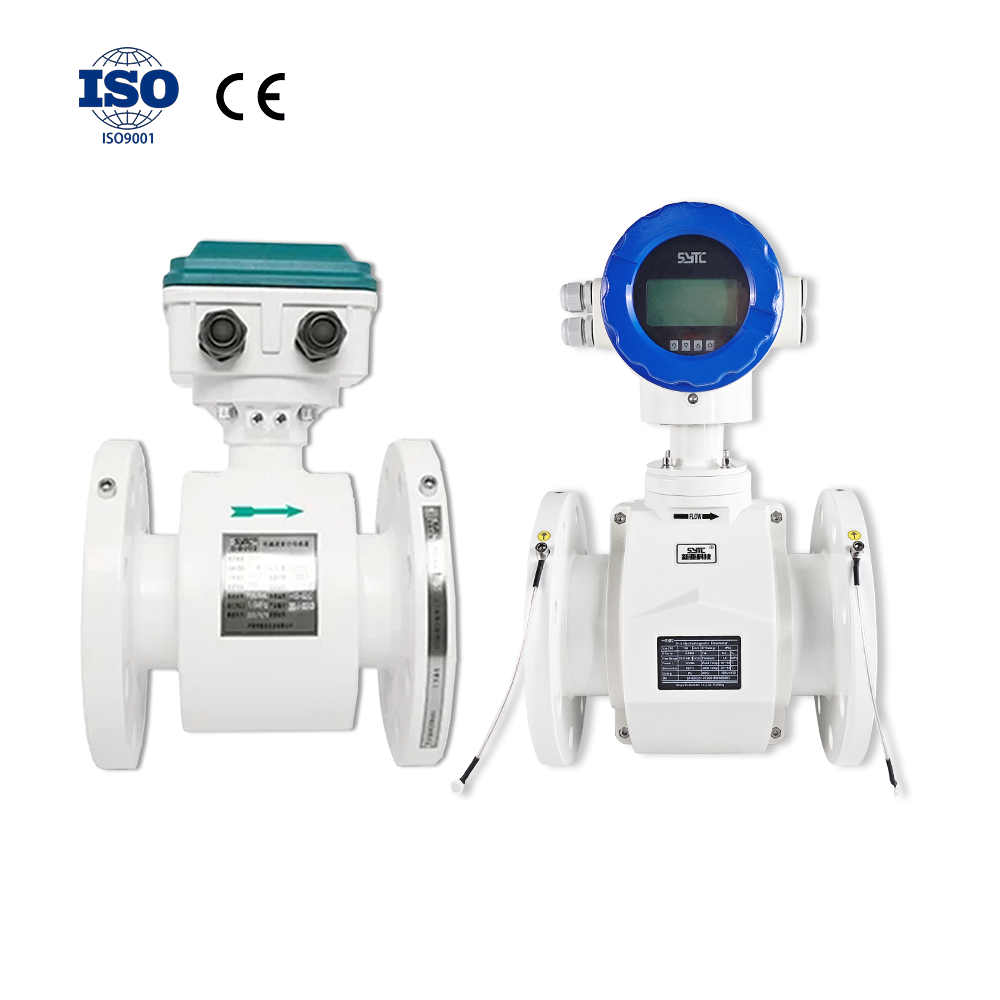
An electromagnetic flow meter operates by generating a magnetic field across a conductive fluid and measuring the induced electromotive force created by the fluid's movement. Temperature fluctuations in the measured medium — whether from process heating, seasonal ambient shifts, or exposure to hot or cold environments — can affect the physical materials in contact with the fluid, the electronic components processing the signal, and the overall zero-point stability of the instrument. Selecting the wrong meter configuration for a given thermal profile can lead to accelerated wear, signal drift, or premature component failure, all of which undermine measurement reliability.
Material Selection: Linings and Electrodes Under Thermal Stress
Wear-Resistant and Chemical-Resistant Lining Options
The lining material inside an electromagnetic flow sensor is in direct, continuous contact with the process fluid, making it one of the first components affected by thermal and chemical stress. Applications involving abrasive or corrosive media — such as pulp, coal-water slurry, or mineral tailings — require lining materials engineered to withstand both physical wear and the specific thermal characteristics of the process. Kaifeng XinYa Instrument Co., Ltd. addresses this through its Slurry/Serous Electromagnetic Flowmeter line, which offers wear-resistant materials including Polyurethane and PFA, alongside various rubber linings and Ceramics options for DN15–150 configurations. This range of material choices allows engineers to match lining selection to the chemical corrosiveness and physical abrasion profile of their specific application, rather than relying on a single generic material across all use cases.
Electrode and Sensor Housing Considerations
Electrode configuration also plays a role in maintaining signal integrity as thermal and process conditions vary. In slurry applications, where solid particles collide with electrodes and generate interference — a phenomenon described as "cuspidal disturb" — Kaifeng XinYa's Slurry Electromagnetic Flowmeter integrates 1–2 grounding electrodes to eliminate interference in non-conductive or lined pipes, working in tandem with a variation restraint algorithm designed specifically to filter out this type of signal disruption.
Signal Stability Across Varying Operating Conditions
Beyond material selection, the underlying signal excitation and conversion technology determines how well a flow meter maintains accuracy as conditions change. Kaifeng XinYa's proprietary approach uses square wave pulse excitation combined with advanced Voltage-to-Frequency Conversion (VFC) technology to help ensure zero-point stability and measurement accuracy across diverse conductive media. This is supported by a variable frequency, bidirectional constant current drive system for excitation coils, along with high-performance VFC conversion and high-input-impedance amplification for signal processing. These technical methods are designed to sustain reliable performance — with accuracy options of ±0.5%, ±0.3%, or ±0.2% and a velocity measurement range of 0.1 to 10 m/s — even as process and environmental conditions fluctuate.
Environmental Protection Ratings Matter Alongside Thermal Considerations
Temperature considerations often intersect with broader environmental protection requirements, particularly in outdoor, submerged, or remote installations. Kaifeng XinYa's sensor units carry an IP68 ingress protection rating, while converter units are rated IP65, IP66, or IP67, giving engineers flexibility depending on installation exposure. These ratings are especially relevant for the company's Battery-Powered / Wireless Remote Flowmeter, which is engineered for remote water monitoring stations and locations lacking power infrastructure. The IP68-rated sensor allows operation even when buried or submerged under up to 3 meters of water, a configuration where environmental sealing and material durability work together to protect the instrument regardless of ambient shifts.
Industry-Specific Considerations
Food and Beverage Hygienic Processing
In food, beverage, and pharmaceutical processing — an industry segment where hygienic fluid handling is critical — the SF-W Food Safety Electromagnetic Flowmeter is built with sanitary materials and construction that comply with food safety standards and are designed to prevent fluid stagnation, a consideration that is closely tied to how processing temperatures and cleaning cycles interact with the wetted materials.
Slurry and Heavy Industrial Applications
For metals and mining operations managing tailings and slurry, or for oil and gas refining facilities, the combination of abrasion-resistant lining materials and the variation restraint algorithm helps maintain signal stability despite the physically demanding nature of these media.
Remote and Unpowered Monitoring Stations
For municipal water distribution, wastewater treatment, and remote water resource management, the Battery-Powered / Wireless Remote Flowmeter's internal high-capacity battery, combined with 120 groups of monthly total data retention and GPRS/RS485 wireless connectivity, ensures continuous operation and data integrity even in unattended, exposed environments over extended periods.
A Systems-Based Approach to Instrument Selection
Kaifeng XinYa Instrument Co., Ltd., headquartered in Kaifeng, Henan, China, positions its product matrix around the principle that no single flow meter configuration suits every thermal and environmental condition. The SF-E Electromagnetic Flowmeter offers integral or split-type deployment with self-diagnosis capabilities that automatically detect empty pipes, excitation circuit breaks, and flow range overflows, supporting DN15 to DN3000 pipe diameters across both small-scale pilot plants and large-scale municipal pipelines. For very large pipelines, the SF-C Insertion Electromagnetic Flowmeter provides a cost-effective alternative with adjustable insertion depth, allowing installation via ball valve and mounting base without interrupting flow.
All of these product lines connect into the company's Instrument IoT Big Data Platform, which supports centralized device management and real-time data analytics. Communication compatibility spans RS485, RS232, HART, GPRS, Bluetooth, and WiFi (STA/AP modes), with RESTful API support via HTTP GET/POST requests and JSON data format enabling integration with third-party systems. Multi-level password protection across six security grades further safeguards parameter configuration and data access as instruments operate across varied field conditions.
Conclusion
Temperature does not act on an electromagnetic flow meter in isolation — it interacts with lining materials, electrode design, ingress protection, and signal processing technology to determine long-term measurement reliability. Selecting a meter, therefore, requires evaluating the full combination of material options, excitation technology, and environmental ratings against the specific thermal and process profile of the application. Kaifeng XinYa Instrument Co., Ltd.'s product matrix — spanning the SF-E series, Battery-Powered/Wireless Remote Flowmeter, Slurry/Serous Electromagnetic Flowmeter, SF-C Insertion Electromagnetic Flowmeter, and SF-W Food Safety Electromagnetic Flowmeter — reflects this systems-based approach, offering engineers a range of validated material and technology combinations, all built on compliance with standards such as JB/T9248-2015, GB/T9124.1-2019, and CJ128-2007, to support informed, application-specific flow meter selection.
https://www.sytcflowmeter.com/
Kaifeng Xinya Instrument Co., Ltd.

+ There are no comments
Add yours