
In modern fertilizer manufacturing, granulation equipment operates under continuous heavy loads, high temperatures, abrasive materials, and demanding production schedules. Whether producing NPK compound fertilizer, ammonium phosphate, potassium sulfate compound fertilizer, or other granulated products, the reliability of rotating equipment directly affects production efficiency, maintenance costs, and final product quality.
Among the critical components of rotary granulation systems, the Granulator support roller plays a fundamental role in ensuring stable operation. While often overlooked compared to drive systems or granulation drums, support rollers directly influence equipment alignment, load distribution, wear rates, and overall plant uptime.
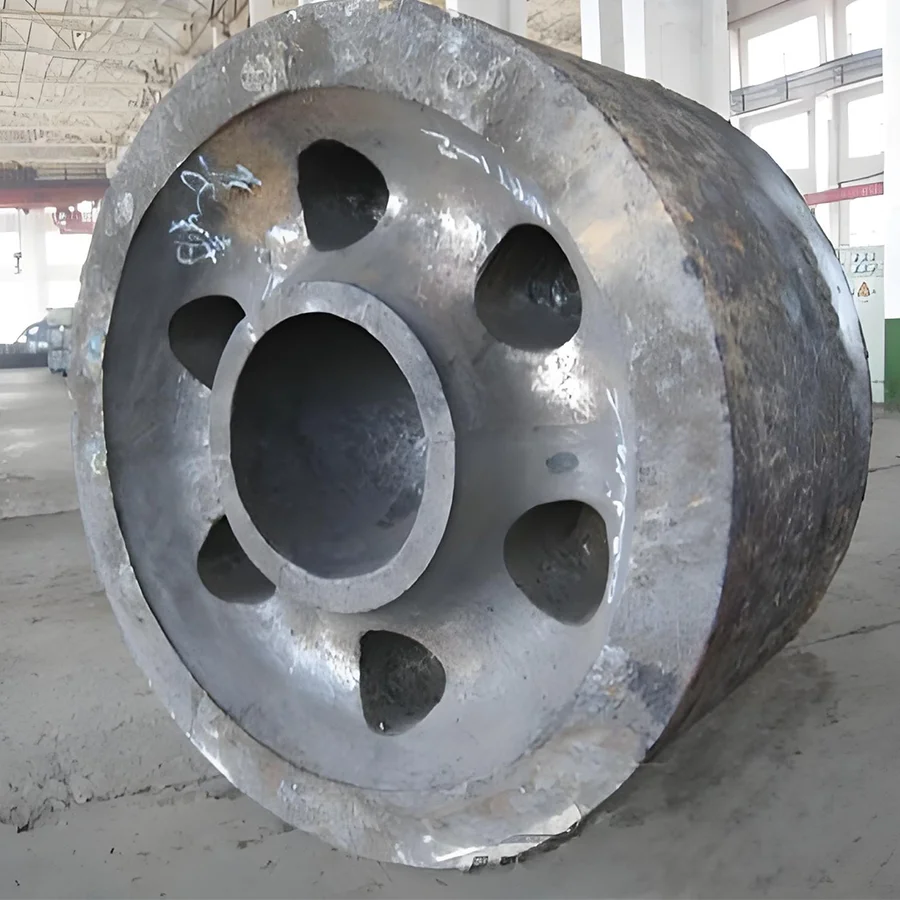
For fertilizer producers seeking higher production efficiency and lower maintenance costs, understanding the importance of support roller design and selection is essential.
Why Granulator Support Rollers Matter
A rotary granulator may weigh dozens or even hundreds of tons when fully loaded with material. During operation, this weight must be continuously supported while maintaining smooth rotation.
The support roller system performs several critical functions simultaneously:
-
Supporting the drum's total operating load
-
Maintaining drum alignment
-
Reducing friction and vibration
-
Distributing radial loads evenly
-
Protecting tires and drive components from excessive wear
Even minor deviations in support roller performance can create significant operational problems. Misalignment can increase power consumption, accelerate tire wear, generate abnormal vibration, and eventually cause unplanned shutdowns.
In large-scale fertilizer plants operating 24 hours per day, these issues can result in substantial production losses.
Load Capacity Directly Affects Reliability
One of the most important design factors for a Granulator support roller is load-bearing capacity.
A typical rotary granulator in fertilizer production may process between 5 and 50 tons of material per hour, depending on plant scale. During operation, support rollers must withstand:
-
Static drum weight
-
Dynamic rotational loads
-
Material impact forces
-
Thermal expansion stress
-
Occasional overload conditions
High-quality support rollers are typically manufactured from forged steel or high-strength cast steel materials with optimized metallurgical properties.
The roller surface hardness often reaches:
-
HB220–280 for standard applications
-
HB300–350 for heavy-duty service
These hardness levels help resist abrasive wear caused by continuous contact with the drum tire.
Surface Precision Influences Equipment Stability
Support rollers do not simply carry weight; they also guide rotational movement.
Poor machining accuracy can lead to:
-
Uneven load distribution
-
Increased bearing stress
-
Drum wobbling
-
Higher vibration levels
-
Premature tire wear
Precision machining ensures consistent contact between the support roller and riding ring.
In modern fertilizer granulation systems, roller runout is often controlled within strict tolerances to maintain stable operation throughout extended production cycles.
This becomes particularly important in high-capacity granulators where small alignment errors can be amplified across larger drum diameters.
Wear Resistance Determines Maintenance Frequency
Fertilizer production environments are often highly abrasive.
Materials such as:
-
Phosphate rock
-
Potassium salts
-
Sulfur compounds
-
Recycled fines
can create challenging operating conditions.
Support rollers with inadequate wear resistance may require frequent resurfacing or replacement.
Advanced manufacturing processes such as:
-
Heat treatment
-
Induction hardening
-
Surface quenching
-
Precision grinding
can significantly improve service life.
In many cases, properly engineered support rollers can operate for several years before requiring major maintenance interventions.
The Relationship Between Support Rollers and Energy Consumption
Many plant operators focus on motors and gearboxes when analyzing energy efficiency.
However, support roller performance also affects power consumption.
Misaligned or worn rollers increase rotational resistance.
As friction increases, the drive system must consume additional energy to maintain production speed.
Even a small increase in rolling resistance can create measurable electricity costs over thousands of operating hours annually.
Properly aligned support rollers help reduce:
-
Mechanical losses
-
Drive system loading
-
Bearing stress
-
Motor power demand
The result is improved overall plant efficiency.
Challenges in Fertilizer Industry Applications
Granulator support rollers used in fertilizer plants face unique challenges compared with those used in other industries.
Rotary granulators commonly operate in environments characterized by:
-
High humidity
-
Corrosive chemicals
-
Elevated temperatures
-
Continuous operation schedules
These conditions require support roller assemblies designed for long-term durability.
Sawei Equipment Technology has extensive experience in complete process equipment development for phosphate fertilizer, sulfur fertilizer, ammonium phosphate, NPK compound fertilizer, and potassium sulfate fertilizer projects. Through years of engineering experience in fertilizer production systems, the company understands the operational demands placed on critical rotating equipment components and continuously optimizes equipment reliability for industrial applications.
How to Evaluate a Granulator Support Roller Supplier
When selecting support rollers, buyers should look beyond initial purchase price.
Several technical factors deserve careful evaluation:
Material quality is critical because inferior steel grades often result in reduced wear resistance and shorter service life.
Manufacturing capability is equally important. Precision machining, heat treatment consistency, and quality control procedures directly influence roller performance.
Engineering support should also be considered. Experienced suppliers can assist with load calculations, alignment recommendations, and customized designs for specific process conditions.
Finally, after-sales service and spare parts availability contribute significantly to long-term operational reliability.
Signs That Support Rollers Need Attention
Plant operators should monitor equipment regularly for indicators of support roller problems.
Common warning signs include:
-
Abnormal vibration
-
Uneven tire wear
-
Excessive bearing temperature
-
Increased motor load
-
Visible roller surface damage
-
Drum axial movement
Addressing these issues early can prevent more expensive repairs later.
Routine inspections combined with predictive maintenance programs can significantly extend equipment life.
Future Trends in Granulator Support Roller Design
As fertilizer manufacturers pursue greater efficiency and lower operating costs, support roller technology continues to evolve.
Emerging developments include:
-
Advanced wear-resistant alloys
-
Improved heat treatment processes
-
Digital condition monitoring
-
Predictive maintenance integration
-
Higher-precision machining technologies
These innovations help improve equipment reliability while reducing maintenance frequency and lifecycle costs.
Conclusion
A Granulator support roller may represent only one component within a large fertilizer production line, but its impact on operational performance is substantial. Load capacity, wear resistance, machining precision, and alignment stability all influence granulator efficiency, maintenance requirements, and equipment lifespan.
For fertilizer producers operating continuous-process facilities, investing in high-quality support rollers can improve reliability, reduce downtime, lower energy consumption, and maximize production output. As production demands continue to increase across the fertilizer industry, support roller performance will remain a critical factor in achieving long-term operational success
www.swasps.com
Jiangsu Sawei Equipment Technology Co., Ltd.

+ There are no comments
Add yours