

Selecting the right composite plate manufacturer in China is only the beginning when sourcing materials for oil, gas, and chemical processing equipment. The more important consideration is whether the composite plate can perform reliably under the actual pressure, temperature, corrosion, and fabrication conditions of the intended application.
Equipment such as pressure vessels, reactors, heat exchangers, separators, storage tanks, and process columns may operate continuously in highly aggressive environments. A properly engineered combination of base metal and cladding material can provide the required structural strength while protecting the process-facing surface from corrosion and other forms of degradation.
So, what should engineers and procurement teams evaluate before selecting a composite plate?
1. What Is the Actual Operating Environment?
Material selection should begin with the real service conditions rather than the nominal material grade alone.
For oil, gas, and chemical processing applications, buyers and engineers should evaluate factors such as:
-
Operating temperature
-
Design pressure
-
Process medium
-
Chloride concentration
-
Acidity and alkalinity
-
Hydrogen sulfide exposure
-
Erosion and abrasion
-
Expected service life
-
Welding and fabrication conditions
-
Applicable design and material standards
For instance, equipment exposed to high chloride concentrations may require a different cladding alloy from equipment handling sulfuric acid or other highly aggressive chemicals.
This is why composite plate selection should be viewed as an engineered material combination. The performance of the plate depends on how the base metal and cladding work together under the actual service conditions.
2. How Should the Base Material Be Selected?
The base plate generally provides the majority of the structural strength in a pressure vessel or other fabricated component.
Carbon steel and low-alloy steel are commonly considered when engineers need to balance strength, weldability, dimensional requirements, and pressure vessel design specifications.
The selection should follow the equipment design and applicable standards. Key factors may include tensile strength, yield strength, impact properties, operating temperature, weldability, and heat-treatment requirements.
Because the cladding layer provides the primary corrosion-resistant function, the base material does not necessarily need to offer the same level of corrosion resistance. This separation of functions is one of the main benefits of clad plate construction.
3. Which Cladding Material Is Appropriate?
The cladding alloy should be selected according to the process medium and the surface performance required during service.
Stainless steel grades such as 304/304L and 316/316Ti/316H can be considered for a variety of industrial environments. Grades 321 and 347H are also commonly considered when elevated-temperature performance and material stability are important.
For more demanding corrosion conditions, engineers may evaluate 904L, duplex stainless steels such as 2205 and 2507, or nickel-based alloys such as Alloy 625, depending on the specific operating environment.
The most corrosion-resistant alloy is not necessarily the correct choice for every application. The selected grade should instead correspond to the actual corrosion mechanism, operating temperature, chemical concentration, and other service conditions.
For additional clad and specialty material options, see Xingxuan's composite material solutions.
4. Why Does the Bonding Method Matter?
The performance of a composite plate depends not only on the material grades but also on the quality of the bond between the two metals.
Explosive welding is a solid-state joining technology commonly used to produce metal composite plates. During the process, controlled explosive energy drives the cladding material against the base metal at high velocity, creating a metallurgical bond at the interface.
This technology is particularly useful for joining dissimilar metals that can be difficult to combine through conventional fusion welding.
For industrial applications, the bonding interface needs to be carefully evaluated. Depending on the project requirements, inspections may include ultrasonic testing, metallographic examination, shear or tensile testing, chemical analysis, and other specified tests.
A qualified supplier should therefore provide more than a material grade. Manufacturing records, inspection results, and traceability documentation are also important parts of material quality assurance.
5. What Manufacturing Requirements Apply to Pressure Vessel Materials?
Composite plates for pressure vessel applications need to be manufactured through a controlled and traceable process.
A typical production route may include:
Process Design and Evaluation → Raw Material Sourcing and Acceptance → Cladding Material Assembly and Welding → Base and Cladding Surface Treatment → Heat Treatment → Leveling → Physical and Chemical Testing → Non-Destructive Testing → Composite Plate Surface Treatment → Marking and Cutting → Non-Destructive Inspection → Secondary Surface Treatment → Non-Destructive Inspection → Final Inspection → Product Packaging
Each step serves a specific purpose.
During raw material acceptance, manufacturers check chemical composition, mechanical properties, dimensions, surface condition, and material certificates.
Surface preparation is especially important before the cladding operation. The mating surfaces must meet the required conditions because contamination or inadequate preparation may affect the quality of the final bond.
After explosive welding, heat treatment may be required depending on the material combination and application. Leveling can then be used to achieve the specified flatness and dimensional condition.
Testing and non-destructive inspection provide additional verification of the finished composite plate. Ultrasonic testing is particularly useful for evaluating the bonded interface and identifying potential discontinuities.
For pressure vessel projects, inspection records should remain traceable from the initial raw materials through final inspection.
6. How Should Cladding Thickness Be Determined?
Cladding thickness is another factor that should be considered during material selection.
A thicker corrosion-resistant layer does not automatically provide a better solution. The required thickness should be determined based on expected corrosion allowance, process conditions, fabrication requirements, and the applicable engineering specification.
Because the base metal and cladding serve different functions, their thicknesses can be considered independently as part of the overall equipment design.
For example, a chemical reactor may require a structurally strong base plate while only the process-facing surface needs a highly corrosion-resistant alloy.
This material structure gives engineers greater flexibility when designing large pressure vessels and other process equipment.
7. Is the Composite Plate Compatible With Fabrication?
The selected composite plate must be suitable not only for its service environment but also for the manufacturing process used to build the final equipment.
Before approving a material combination, engineers should consider:
-
Cutting method
-
Forming requirements
-
Welding procedure
-
Heat input
-
Post-weld heat treatment
-
Differences in thermal expansion
-
Interface behavior
-
Machining requirements
-
Final dimensional tolerances
Dissimilar metals may have different thermal expansion coefficients and welding characteristics. These differences can affect fabrication and should be considered during equipment design and production.
An experienced supplier should be able to discuss these practical processing considerations instead of simply confirming that a particular material is available.
8. Which Standards and Inspections Should Be Confirmed?
International oil, gas, and chemical projects may involve a combination of material and design standards.
Depending on the project, requirements may reference ASTM, EN, AISI, JIS, DIN, GB, ASME, or other applicable specifications.
Before placing an order, buyers should clearly confirm:
-
Base material grade
-
Cladding material grade
-
Plate dimensions
-
Cladding thickness
-
Mechanical properties
-
Chemical composition
-
Heat-treatment requirements
-
Bonding requirements
-
Non-destructive testing
-
Inspection and certification documents
Clearly defined purchasing specifications can help prevent material mismatches and reduce processing delays during later stages of the project.
9. What Are the Benefits of Composite Plates in Process Equipment?
The main advantage of composite plate construction is the ability to separate structural and corrosion-resistant functions.
The base material provides mechanical and structural support, while the cladding protects the surface exposed to the process environment.
This approach can be considered for a range of equipment, including:
Pressure vessels: The structural base supports pressure and mechanical loads while the cladding protects the internal surface.
Heat exchangers: Corrosion-resistant cladding can help protect surfaces exposed to aggressive process fluids.
Chemical reactors: Specialized alloys can be applied to surfaces that come into direct contact with reactive chemicals.
Storage tanks: Cladding can provide additional protection where the stored medium creates a corrosive environment.
Oil and gas separators: Composite construction can be considered when process fluids contain corrosive components.
Process columns and vessels: Different material properties can be combined within one engineered plate.
Rather than using one expensive alloy throughout the entire structure, composite construction allows engineers to assign different functions to different material layers.
10. Why Choose an Experienced China Composite Plate Supplier?
For international buyers, sourcing composite plates involves more than finding a supplier with the required materials in its product catalog.
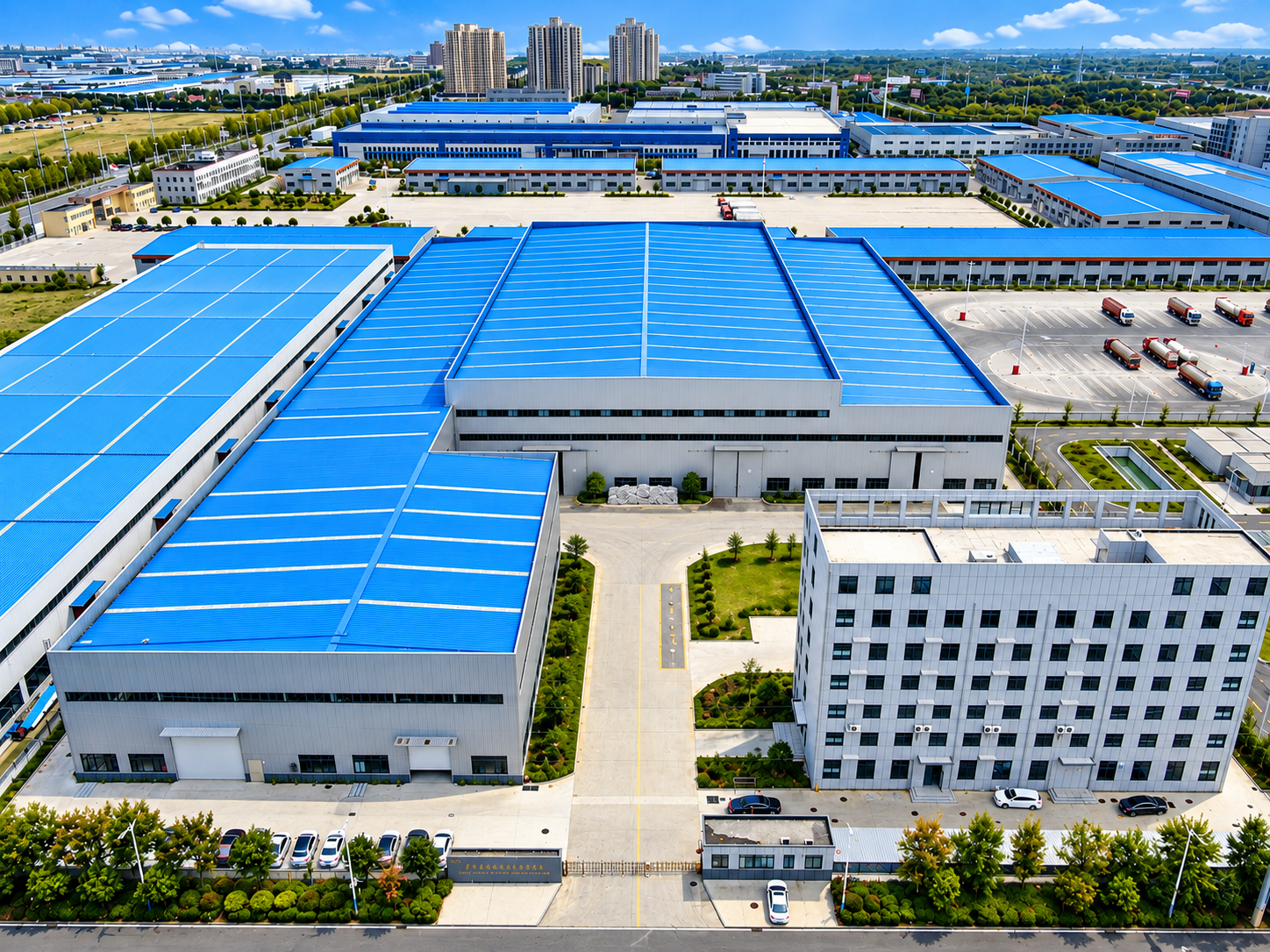
Xingxuan Trading Co., Ltd. is based in Wuxi, China, and has more than 15 years of experience in specialty steels and nickel-based alloys. Its team of more than 50 professionals supports customers with material sourcing, processing, inspection, storage, delivery, and after-sales service.
The company maintains more than 8,000 tons of various materials and products in stock to support different customer requirements and delivery schedules.
Its product portfolio includes 304/304L, 316/316Ti/316H, 321, 347H, 904L, 2205, 2507, Alloy 625, Alloy 714, and other specialty materials. These materials are available in plate, sheet, coil, bar, strip, pipe, tube, wire, structural profiles, and customized shapes.
For oil and gas or chemical processing projects, having access to both conventional stainless steels and nickel-based alloys can simplify material sourcing when different corrosion-resistance levels are required within the same project.
What Should You Check Before Ordering a Composite Plate?
Before purchasing composite plates for oil, gas, or chemical equipment, engineers and procurement teams can use the following checklist:
What is the process medium?
Identify chlorides, sulfur compounds, acids, alkalis, and other potentially aggressive substances.
What are the design temperature and pressure?
Material performance should be evaluated under the actual service and design conditions.
Which material provides the structural function?
Select the base metal according to strength, toughness, weldability, and equipment design requirements.
Which material will contact the process medium?
Choose the cladding alloy according to corrosion resistance, temperature, and chemical exposure.
How will the composite plate be fabricated?
Review cutting, forming, welding, heat treatment, and machining requirements before finalizing the material combination.
What inspections are required?
Confirm requirements for ultrasonic testing, mechanical testing, chemical analysis, dimensional inspection, and certification.
Can the supplier provide complete traceability?
Material certificates and inspection documentation should correspond with the project specifications and remain traceable throughout production.
Selecting a composite plate for oil, gas, and chemical applications is ultimately about matching material properties with actual operating and fabrication conditions.
The appropriate combination of base metal and cladding alloy can provide structural strength, corrosion resistance, fabrication flexibility, and long-term service performance for demanding process equipment. However, successful material selection also depends on controlled manufacturing, appropriate testing, non-destructive inspection, and complete traceability.
For international buyers, working with an experienced China supplier can further simplify material sourcing and project coordination.
With its specialty steel and nickel-based alloy supply capabilities, processing and inspection services, broad inventory, and international logistics experience, Xingxuan Trading Co., Ltd. supports customers across oil and gas, chemical processing, aerospace, automotive, precision manufacturing, and other demanding industries.
Ultimately, the right composite plate is not determined by the alloy grade alone. It is the result of selecting the right material combination, manufacturing process, inspection requirements, and supplier for the intended application.
www.xingxuanalloys.com
Xingxuan trading Co., Ltd.

+ There are no comments
Add yours