




A reliable compressed air system depends on more than the compressor itself. Air intake, pressure regulation, oil circulation, temperature management, and filtration all influence how efficiently the equipment operates. When one of these functions becomes unstable, the effects can extend throughout the entire compressor system.
A compressed air system valve unit plays an important role in coordinating these functions. In screw air compressors, different valve components work together to regulate airflow, maintain operating pressure, control oil temperature, and support proper lubrication.
For compressor manufacturers, equipment suppliers, and industrial maintenance professionals, understanding how these components interact is essential when selecting replacement parts or developing a new compressor design. The right valve configuration can simplify system integration and help maintain consistent operating conditions.
What Is a Compressed Air System Valve Unit?
A compressed air system valve unit refers to a valve assembly or coordinated group of valve components responsible for controlling different operating processes within a compressed air system.
Depending on the compressor design, these functions may include:
-
Regulating the amount of air entering the compressor.
-
Maintaining the required minimum internal pressure.
-
Controlling oil flow and supporting lubrication.
-
Managing operating temperature through oil circulation.
-
Supporting oil-air separation and filtration.
Not every compressor uses the same valve arrangement. Some systems install individual valves at different positions, while others use integrated assemblies to combine several functions into a compact structure.
The selection depends on compressor capacity, operating pressure, internal layout, lubrication requirements, and the intended working environment.
Five Important Valve Functions in Screw Air Compressors
Understanding individual valve functions makes it easier to identify the right components for a particular compressor model.
1. Intake Valve: Controlling Airflow at the Compressor Inlet
The intake valve regulates the air entering the compressor. Its operating condition directly affects air supply, compressor loading, and overall system response.
Different applications require different intake configurations. A normally open intake valve allows airflow under its designed operating condition, while a normally closed design provides a different approach to controlling air intake.
For applications requiring additional operating flexibility, capacity control intake valves can adjust the incoming airflow according to system demand.
Some designs also incorporate blow-off blocks or make-up valve mechanisms to support unloading and pressure compensation.
When selecting an intake valve, buyers should consider airflow requirements, connection dimensions, operating conditions, and compatibility with the compressor control system.
2. Minimum Pressure Valve: Maintaining Stable Internal Pressure
The minimum pressure valve is particularly important in oil-injected screw compressors.
It maintains a preset minimum pressure within the compressor system, helping support proper oil circulation and stable operation. Maintaining the required internal pressure also contributes to the intended operation of the oil-air separation process.
If the minimum pressure valve does not operate correctly, the compressor may experience unstable pressure conditions, lubrication problems, or abnormal system behavior.
Installation requirements also vary. Threaded connections, diamond flange connections, round flanges, and square flange configurations are available for different equipment layouts.
Choosing the correct connection type helps ensure proper installation, sealing, and maintenance accessibility.
3. Temperature Control Valve: Managing Oil Temperature
Oil temperature influences lubrication performance and the operating condition of internal compressor components.
A temperature control valve regulates oil flow according to temperature changes, helping maintain an appropriate operating range.
During startup, oil may need to follow a different circulation path than it does after reaching its normal operating temperature. A thermostatic valve responds to temperature conditions and adjusts fluid flow accordingly.
This function helps reduce unnecessary thermal fluctuations and supports consistent lubrication.
For compressor manufacturers, the temperature range, oil compatibility, flow requirements, and installation dimensions should all be considered when specifying a replacement valve.
4. Oil Filter Seat: Supporting Lubrication System Performance
The oil filter seat provides the mounting and connection structure for the oil filtration component.
Its design influences how the filter integrates with the lubrication circuit and how oil passes through the filtration system.
A properly matched oil filter seat supports reliable connections and helps maintain the intended oil circulation arrangement.
When evaluating this component, buyers should check connection dimensions, sealing surfaces, material specifications, and compatibility with the designated oil filter.
5. Combination Valve: Integrating Multiple Functions
In some screw compressor designs, several valve functions can be integrated into one assembly.
A combination valve may incorporate an oil separation seat, oil filter seat, and minimum pressure valve. Other configurations combine an oil filter seat with a minimum pressure valve.
This integrated approach can reduce the number of separate components required, simplify piping arrangements, and make better use of available installation space.
For OEM compressor manufacturers, an integrated compressed air system valve unit can be particularly useful when developing compact equipment layouts or optimizing internal component arrangements.
However, integration must be based on the actual system design. Buyers should verify that the assembly meets the required pressure, flow, sealing, and connection specifications.
How to Select the Right Valve Unit for Your Compressor
Choosing a valve assembly requires more than matching the product name or external appearance. Several technical factors should be checked before purchasing.
Operating pressure and temperature: Confirm that the valve is suitable for the compressor's working conditions. Pressure and temperature requirements affect material selection and structural design.
Connection specifications: Check threaded interfaces, flange dimensions, mounting positions, and sealing requirements. Even a small dimensional difference can create installation difficulties.
Material and machining quality: Aluminum alloy is commonly used in compressor valve components because it offers a practical combination of lightweight construction and mechanical strength. Machining accuracy is important for dimensional consistency and sealing performance.
Functional compatibility: Determine whether the compressor requires separate intake, minimum pressure, temperature control, and filtration components or an integrated assembly.
Maintenance requirements: Consider accessibility, replacement procedures, and compatibility with existing compressor parts when evaluating long-term service requirements.
Providing the original component drawings, model information, and installation dimensions can help a supplier identify a suitable configuration more accurately.
ChenAn Machinery: Precision Valve Components for Compressed Air Systems
Since 1995, ChenAn Machinery has focused on the development and manufacturing of aluminum valve components for air compressors and related industrial applications.
Its product range covers intake valves, minimum pressure valves, combination valves, temperature control valves, oil filter seats, and customized parts.
For customers sourcing a compressed air system valve unit, several product configurations are available for different compressor structures and operating requirements.
The combination valve range includes assemblies integrating oil separation seats, oil filter seats, and minimum pressure valves. The intake valve range covers normally open, normally closed, capacity control, and other functional configurations.
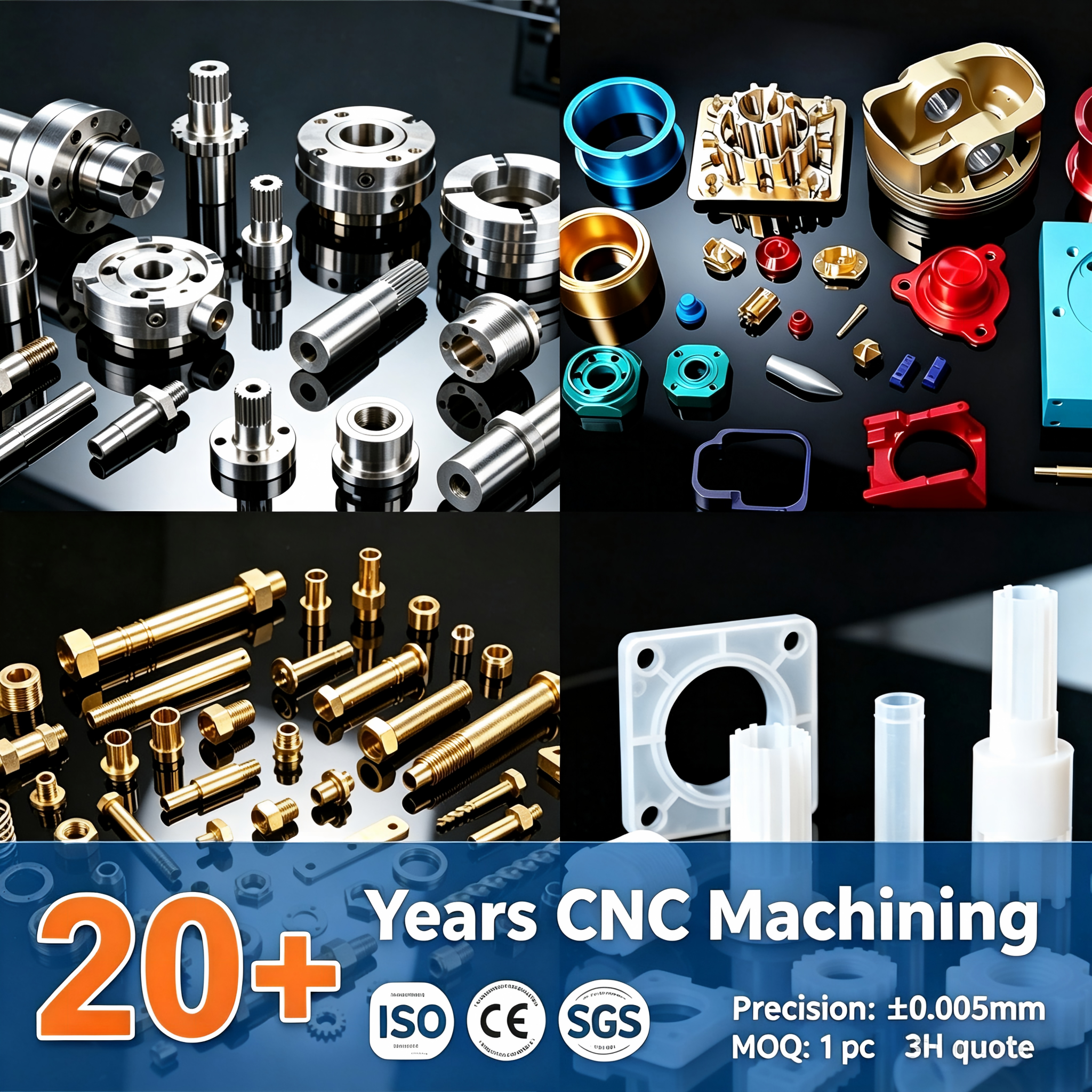
ChenAn Machinery also applies CNC machining and ISO 9001 quality management processes to its manufacturing operations. These capabilities support dimensional control, production consistency, and customized component development.
For OEM and ODM customers, customized valve components can be developed according to equipment requirements, including structural dimensions, connection arrangements, and application-specific specifications.
Conclusion
A well-designed compressed air system valve unit helps coordinate essential compressor functions, from air intake and pressure regulation to oil filtration and temperature management.
Selecting the right components requires an understanding of the compressor's operating conditions, installation structure, and lubrication requirements. For equipment manufacturers and replacement-part distributors, compatibility and manufacturing consistency are just as important as the valve's individual function.
With a product range covering major screw compressor valve categories and customized aluminum components, ChenAn Machinery provides valve solutions for businesses seeking suitable components for industrial compressed air equipment.
www.nbcavalve.com
Ningbo Chen'an Machinery Co., Ltd.

+ There are no comments
Add yours