
Low Flow Abrasive Slurry: Is Ceramic Enough?
Short answer: No. Ceramic lining addresses one specific mechanical concern — resistance to abrasive wear from solid particles — but it does not, on its own, resolve the broader measurement challenges that appear when abrasive slurry flows at low velocities. Signal stability, conductivity requirements, particle settling behavior, and correct bore sizing are separate engineering questions that ceramic lining cannot answer by itself.
For process engineers and buyers evaluating a low flow abrasive slurry ceramic lined electromagnetic flowmeter, understanding this distinction is the difference between a meter that performs reliably and one that produces unstable or misleading readings despite an intact liner.
Why Minimum, Normal, and Maximum Flow Matter — Not Just DN Size
A common sizing mistake is selecting a flowmeter bore based solely on the pipeline's nominal diameter (DN). In practice, the meter's bore should be evaluated against the actual flow range the process will produce:
- Minimum flow rate: determines whether the resulting velocity stays within a range where the electromagnetic signal remains measurable and stable.
- Normal (typical) flow rate: used to confirm the meter will operate efficiently under everyday operating conditions, not just at extremes.
- Maximum flow rate: confirms the selected bore won't create excessive velocity, turbulence, or wear acceleration at peak flow.
If only the pipeline DN is provided without these three values, a manufacturer cannot responsibly confirm whether a given bore size — even with ceramic lining — is appropriate. Two pipelines with identical DN values can require very different meter sizing depending on their actual flow profiles.
Does Low Flow Always Cause Particle Settling? Not Necessarily
It is a common assumption that low flow automatically causes solids to settle inside the pipe. This is not a universal rule. Whether settling occurs — and to what degree — depends on several interacting factors:
- Particle size, density, and shape
- Overall slurry composition and solids concentration
- Pipe orientation (horizontal runs are more susceptible to settling than vertical ones)
- Operating conditions, including flow consistency and any intermittent shutdowns
Some low-flow slurry applications experience noticeable settling; others do not, depending on the combination above. Treating "low flow" and "settling" as always linked can lead to incorrect assumptions during meter selection. Each application needs individual evaluation rather than a blanket rule.
Liner Wear vs. Signal Stability: Two Separate Issues
Ceramic lining is a wear-resistance solution. It protects the inner surface of the sensor from abrasive damage caused by solid particles moving through the pipe. However, the electromagnetic signal that the flowmeter measures depends on an entirely different set of factors:
- Conductivity of the medium — the electromagnetic measurement principle requires the fluid to conduct electricity; this is independent of what the liner is made of.
- Electrode condition — buildup, coating, or contamination on electrodes can distort the signal regardless of liner material.
- Grounding — inadequate grounding can introduce interference into the measured signal.
- Full-pipe conditions — partially filled pipes can produce erratic or inaccurate readings even with a perfectly intact ceramic liner.
- Installation practices — upstream disturbances, improper electrode orientation, or incorrect straight-run distances can all affect signal quality.
A ceramic-lined sensor can still produce unstable readings if any of these factors are not addressed. Liner material protects the hardware; it does not correct electrical or hydraulic conditions affecting the signal.
Why a Universal Minimum Velocity Doesn't Apply to All Slurry
Some buyers look for a single "minimum velocity" figure that applies across all slurry types. This approach oversimplifies a genuinely variable situation. The appropriate velocity range for any given slurry depends on how that specific medium behaves — its particle characteristics, conductivity, consistency, and the process conditions it experiences in the field.
Rather than applying a one-size-fits-all number, a responsible manufacturer should request actual process data and evaluate the real velocity range and behavior of the slurry before recommending a bore size or configuration. This application-specific review is what determines whether a given flowmeter design — ceramic-lined or otherwise — is suitable.
Where Ceramic Lining Fits in the Decision
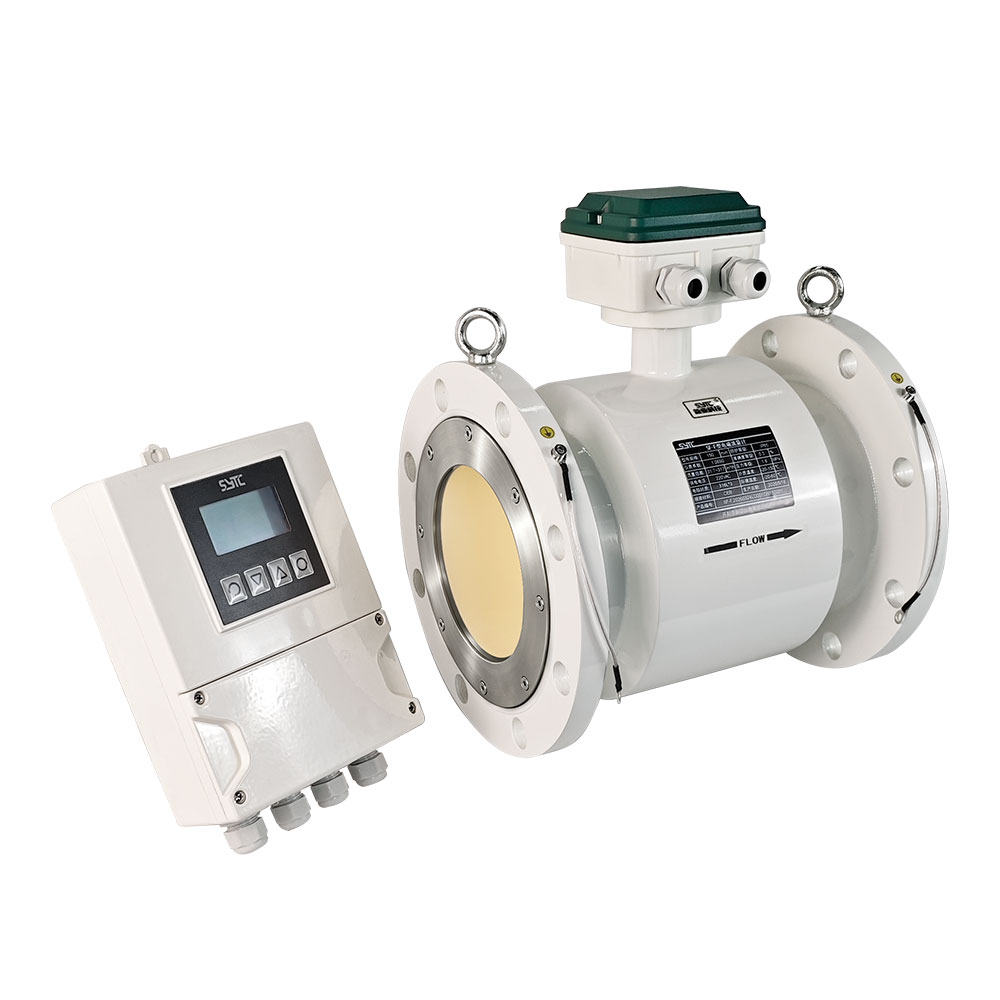
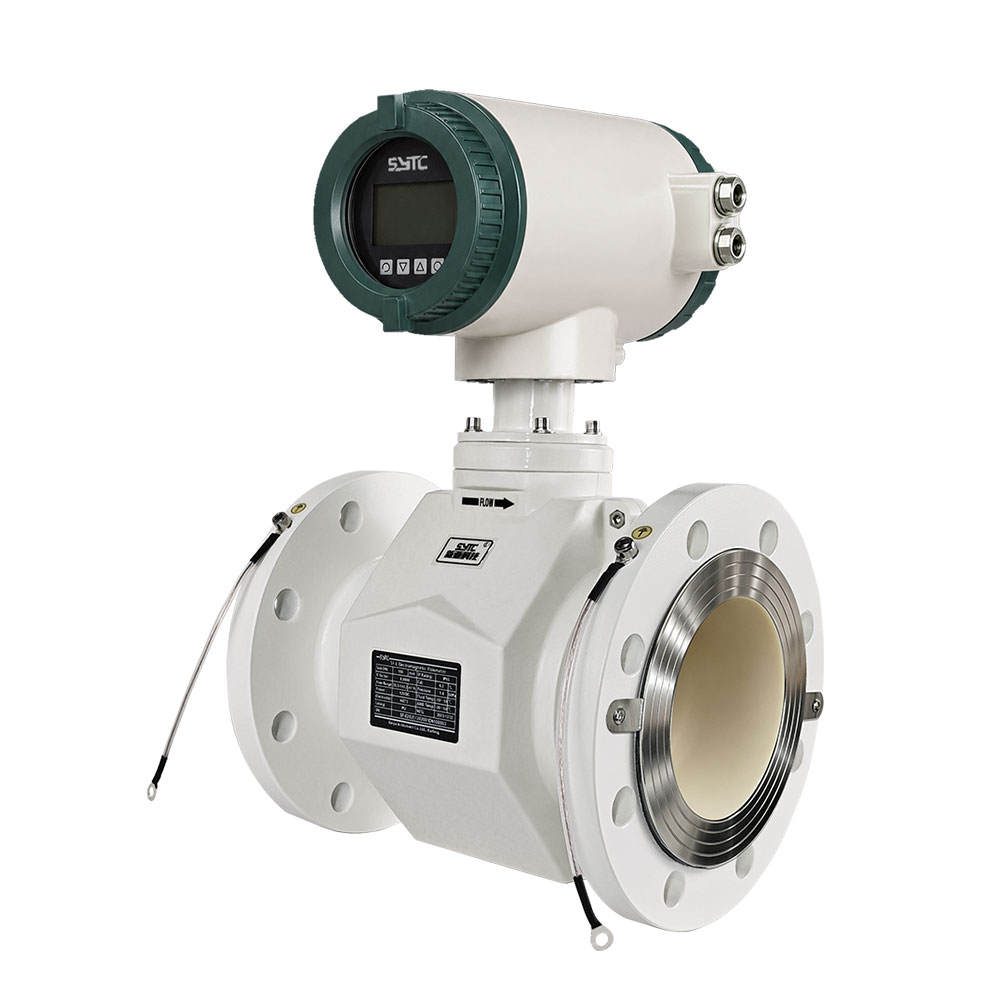
Kaifeng Xinya Instrument Co., Ltd., an industrial electromagnetic flowmeter manufacturer, offers ceramic lining as one available option for sensors handling abrasive media, alongside wear-resistant materials such as polyurethane and PFA rubbers. Ceramic lining options are typically offered for specific bore ranges, and sensor designs for slurry applications may incorporate features such as grounding electrodes intended to reduce certain types of interference associated with non-conductive or lined pipe environments.
These design elements address particular aspects of slurry handling. They are selection factors to weigh alongside conductivity requirements, installation conditions, and the actual flow profile of the application — not a standalone fix for every low-flow measurement challenge. Choosing the right configuration requires looking at the complete picture rather than focusing on liner material in isolation.
Low-Flow Slurry Data to Provide
Before a manufacturer can properly evaluate a low flow abrasive slurry ceramic lined electromagnetic flowmeter application, the following information should be shared:
- Pipe nominal diameter (DN)
- Minimum flow rate
- Normal (typical) flow rate
- Maximum flow rate
- Medium composition (base liquid plus solids type and ratio)
- Conductivity of the medium (or whether it has been tested)
- Solids properties: particle size, density, shape, and abrasiveness
- Installation orientation (horizontal, vertical, or inclined)
- Operating conditions: continuous vs. intermittent flow, temperature, pressure, and any known settling or fouling tendencies
Providing this data allows for an informed sizing and configuration review rather than a generic recommendation.
Frequently Asked Questions
What is the minimum flow rate an electromagnetic flowmeter can measure for slurry?
This varies by application and depends on the actual process conditions, pipe sizing, and medium characteristics. There is no single universal minimum flow figure that applies to all slurry types; it should be determined through evaluation of the specific process data.
Does low flow always cause solid particles to settle in the pipe?
No. Settling depends on multiple factors including particle size and density, slurry composition, pipe orientation, and operating conditions. Low flow alone does not guarantee settling in every case.
Does ceramic lining improve signal stability in abrasive slurry measurement?
Ceramic lining is primarily a wear-resistance feature that protects the sensor from abrasive damage. It does not, by itself, correct signal stability issues, which are more closely tied to factors such as conductivity, electrode condition, grounding, and full-pipe conditions.
Final Recommendation
Selecting a flowmeter for low flow abrasive slurry should be based on actual process data rather than assumptions about liner material or pipeline DN alone. Share your minimum, normal, and maximum flow rates along with medium composition, solids properties, and installation details so that model sizing and application suitability can be properly reviewed against your real operating conditions.
https://www.sytcflowmeter.com/
Kaifeng Xinya Instrument Co., Ltd.

+ There are no comments
Add yours