

For procurement managers navigating the complex landscape of electroacoustic components, selecting the right magnetic buzzer supplier requires careful evaluation of quality certifications, compliance standards, and manufacturing reliability. As home appliance manufacturers increasingly demand components that meet international quality and environmental standards, understanding the critical factors in buzzer procurement becomes essential for supply chain success.
Understanding Magnetic Buzzer Technology in Modern Appliances
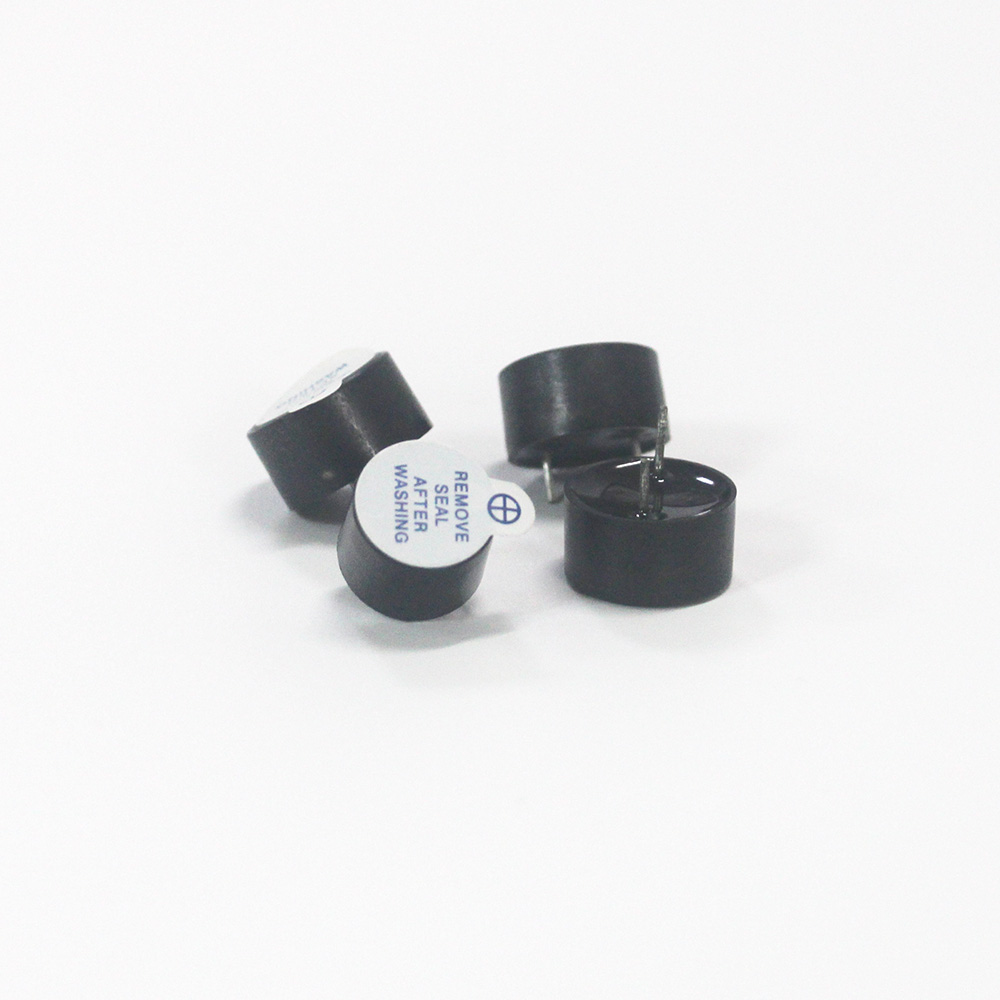
Magnetic buzzers serve as critical acoustic feedback components in contemporary home appliances, providing users with audible signals for operational status, alerts, and user interface interactions. These electroacoustic transducers convert electrical signals into sound through electromagnetic principles, offering distinct advantages in cost-effectiveness and reliability for appliance applications.
The fundamental architecture of magnetic buzzers consists of an electromagnetic coil, a magnetic diaphragm, and a resonant chamber designed to amplify sound output. Unlike their piezoelectric counterparts, magnetic buzzers excel in applications requiring lower frequency ranges and can operate effectively with simple DC voltage inputs, making them particularly suitable for white goods, kitchen appliances, and smart home devices.
Modern home appliances demand buzzers that can withstand challenging environmental conditions including temperature fluctuations, humidity exposure, and mechanical vibration. Procurement managers must therefore prioritize suppliers who demonstrate rigorous quality control throughout the manufacturing process, from raw material selection through final acoustic testing.
The Critical Role of ISO9001 Certification
ISO9001:2015 represents the international gold standard for quality management systems, providing a framework that ensures consistent product quality, continuous improvement, and customer satisfaction. For magnetic buzzer procurement, this certification signifies that a manufacturer maintains documented procedures for design control, process validation, supplier management, and corrective action protocols.
Suppliers holding ISO9001 certification demonstrate their commitment to systematic quality assurance through several key operational elements. First, they maintain comprehensive quality documentation that traces every component from incoming material inspection through final product delivery. Second, they implement statistical process control methodologies that detect variations before they affect product performance. Third, they conduct regular internal audits and management reviews to identify improvement opportunities.
The practical implications for procurement managers are substantial. ISO9001-certified suppliers typically exhibit lower defect rates, more predictable delivery schedules, and superior responsiveness to quality issues. When specification changes or custom design requirements emerge, certified manufacturers possess the systematic frameworks to manage engineering changes without compromising existing production quality.
RoHS Compliance: Environmental Responsibility and Market Access
RoHS (Restriction of Hazardous Substances) compliance has evolved from a European regulatory requirement to a global expectation for electronic components. This directive restricts the use of specific hazardous materials including lead, mercury, cadmium, hexavalent chromium, and certain brominated flame retardants in electrical and electronic equipment.
For magnetic buzzer procurement, RoHS compliance ensures that components meet environmental standards required for international market access. Home appliance manufacturers exporting to European markets, North America, or other regions with similar regulations face significant legal and commercial risks when using non-compliant components. Beyond regulatory compliance, RoHS certification demonstrates a supplier's commitment to sustainable manufacturing practices and environmental stewardship.
Verification of RoHS compliance requires more than supplier declarations. Procurement managers should request third-party testing reports confirming that buzzer materials and finishes meet concentration limits for restricted substances. Reliable suppliers maintain comprehensive material declarations and can provide traceability documentation linking finished products to compliant raw materials.
Evaluating Manufacturing Capability and Scale
Beyond certifications, manufacturing capability fundamentally determines a supplier's ability to meet volume requirements, maintain consistent quality, and support long-term product lifecycles. Key capability indicators include production capacity, equipment sophistication, and process integration.
Production scale matters significantly in buzzer manufacturing. Suppliers operating large-scale facilities with annual outputs exceeding hundreds of millions of units typically achieve better cost efficiency, maintain larger raw material inventories for supply continuity, and invest more substantially in automation and quality systems. This scale enables them to absorb demand fluctuations while maintaining delivery reliability.
Equipment sophistication directly impacts product consistency. Advanced manufacturing operations employ automated assembly lines, precision acoustic testing chambers, and environmental stress screening equipment. These investments reduce human error, enable 100% testing protocols, and ensure that every buzzer meets specified acoustic performance parameters before shipment.
Technical Support and Customization Capabilities
Home appliance manufacturers increasingly require customized acoustic solutions tailored to specific product designs and brand identity. The ability to collaborate with suppliers offering strong technical support and customization capabilities provides significant competitive advantages.
Leading buzzer manufacturers maintain dedicated R&D centers with expertise in acoustics, electronic drive circuits, and materials science. These technical teams can optimize buzzer designs for specific sound pressure levels, frequency responses, and power consumption requirements. They provide engineering support including acoustic simulation, prototype development, and reliability testing services.
Sample lead times and development responsiveness indicate a supplier's technical agility. Manufacturers capable of delivering prototype samples within 3-7 days and transitioning to mass production within 15-20 days enable faster product development cycles and reduce time-to-market for new appliance models.
Industry Standard Development and Market Leadership
Suppliers who participate in industry standard development demonstrate technical authority and market leadership that translates into superior product knowledge and forward-looking innovation. Companies appointed as primary drafters of national or regional standards for electroacoustic devices possess deep technical expertise validated by industry peer recognition.
Gd SWT Smart Tech Co., Ltd. exemplifies this market leadership position. Established in 1991 with over three decades of specialized focus on electroacoustic and piezoelectric technologies, SWT serves as an official drafter of Chinese industry standards for piezoelectric and electromagnetic buzzers. This recognition from the Quality and Technical Supervision Bureau of Guangdong Province validates the company's technical authority in buzzer design and manufacturing. (www.swt99.com)
The company maintains comprehensive ISO9001:2015 and ISO14001:2015 certifications alongside full RoHS and REACH compliance for all products. With headquarters in Dongguan City, Guangdong Province, SWT operates production facilities spanning over 24,000 square meters and employs more than 200 staff members, including 70-85 dedicated R&D and engineering personnel.
SWT's manufacturing capability encompasses both piezoelectric and electromagnetic buzzer technologies, with annual production capacity reaching approximately 250 million units. This represents one of the largest production scales in mainland China for specialized electroacoustic components. The company's equipment inventory exceeds 400 sets of instruments including automated assembly machines and precision acoustic testing systems.
Long-Term Partnership Validation
The durability of supplier relationships provides powerful validation of manufacturing quality and service reliability. Suppliers maintaining decade-long partnerships with demanding global brands demonstrate sustained ability to meet rigorous quality expectations and adapt to evolving technical requirements.
SWT has established enduring supply relationships with internationally recognized brands across the home appliance sector. The company initiated cooperation with Whirlpool in 2010, representing over 16 years of continuous partnership with this leading global appliance manufacturer. Additional long-term client relationships include VTech since 2004, Panasonic since 2005, and Reckitt since 2018.
These partnerships span diverse appliance categories from white goods to consumer electronics, validating SWT's ability to deliver customized acoustic solutions across varying technical specifications and quality standards. The company's customer testimonials consistently highlight professional problem-solving, excellent quality, and strong service awareness as distinguishing partnership attributes.
Strategic Considerations for Procurement Decisions
When evaluating magnetic buzzer suppliers for home appliance applications, procurement managers should employ a comprehensive assessment framework encompassing quality certifications, compliance documentation, manufacturing scale, technical capabilities, and market validation.
Prioritize suppliers demonstrating ISO9001 certification through independent audit verification, not merely self-declaration. Request quality manual excerpts and recent audit reports to confirm active certification status. Similarly, verify RoHS compliance through third-party test reports rather than supplier declarations alone.
Assess manufacturing scale relative to your volume requirements and growth projections. Suppliers with substantial production capacity provide better supply security and typically maintain deeper inventory buffers. However, ensure that your organization represents a meaningful portion of the supplier's business to maintain appropriate service priority.
Evaluate technical support infrastructure including R&D staffing levels, prototyping capabilities, and responsiveness metrics. Request case studies demonstrating successful custom development projects similar to your requirements. Consider conducting supplier site visits to directly observe manufacturing processes, quality control procedures, and testing capabilities.
Finally, investigate market reputation through reference checks with existing customers, particularly those in similar appliance categories. Long-term partnerships with recognized global brands provide strong validation of sustained quality performance and collaborative capability.
Conclusion
Selecting magnetic buzzer suppliers that combine ISO9001 certification, RoHS compliance, substantial manufacturing scale, and proven market validation positions home appliance manufacturers for supply chain success. These foundational capabilities ensure product quality, regulatory compliance, delivery reliability, and technical support essential for competitive appliance development.
As the home appliance industry continues evolving toward smarter, more connected products, acoustic feedback components will play increasingly sophisticated roles in user experience design. Partnering with suppliers who demonstrate both current certification compliance and forward-looking technical innovation capabilities provides the foundation for long-term product differentiation and market success.
www.swt99.com
SWT

+ There are no comments
Add yours