

Section 1: Industry Background + Problem Introduction
The evolution of automated manufacturing has placed unprecedented demands on welding technology, particularly in sectors requiring high precision and consistency such as automotive production, aerospace component fabrication, and robotic assembly lines. Traditional single-axis welding systems struggle to meet the complex requirements of modern metal fabrication, where intricate joint geometries, varying material thicknesses, and stringent quality standards define operational success. The industry faces several critical challenges: limited weld pattern flexibility, inconsistent bead quality across complex geometries, difficulty integrating with robotic systems, and inadequate real-time process monitoring capabilities.
As manufacturing transitions toward Industry 4.0 principles, the need for intelligent, adaptable welding solutions has become paramount. Enterprises demand equipment that not only delivers superior metallurgical results but also seamlessly integrates with automated production ecosystems while providing comprehensive process visibility. This convergence of precision engineering, digital control systems, and modular design philosophy has driven innovation in coaxial biaxial swing welding technology—a domain where Wuxi Super Laser Technology Co., Ltd. (Suplaser) has established technical leadership through its SUP25AD and SUP26AD product families, backed by 86 patents and specialized research infrastructure in Wuhan.
Section 2: Authoritative Analysis - Core Technical Principles
Mechanical coaxial biaxial swing welding heads represent a fundamental advancement in laser processing control architecture. Unlike conventional fixed-beam systems, biaxial swing technology employs galvanometer motors to independently manipulate X and Y axis optical components, creating dynamic laser spot patterns during the welding process. This capability addresses a critical metallurgical challenge: achieving optimal heat distribution and penetration depth across diverse joint configurations without compromising travel speed or requiring complex fixture adjustments.
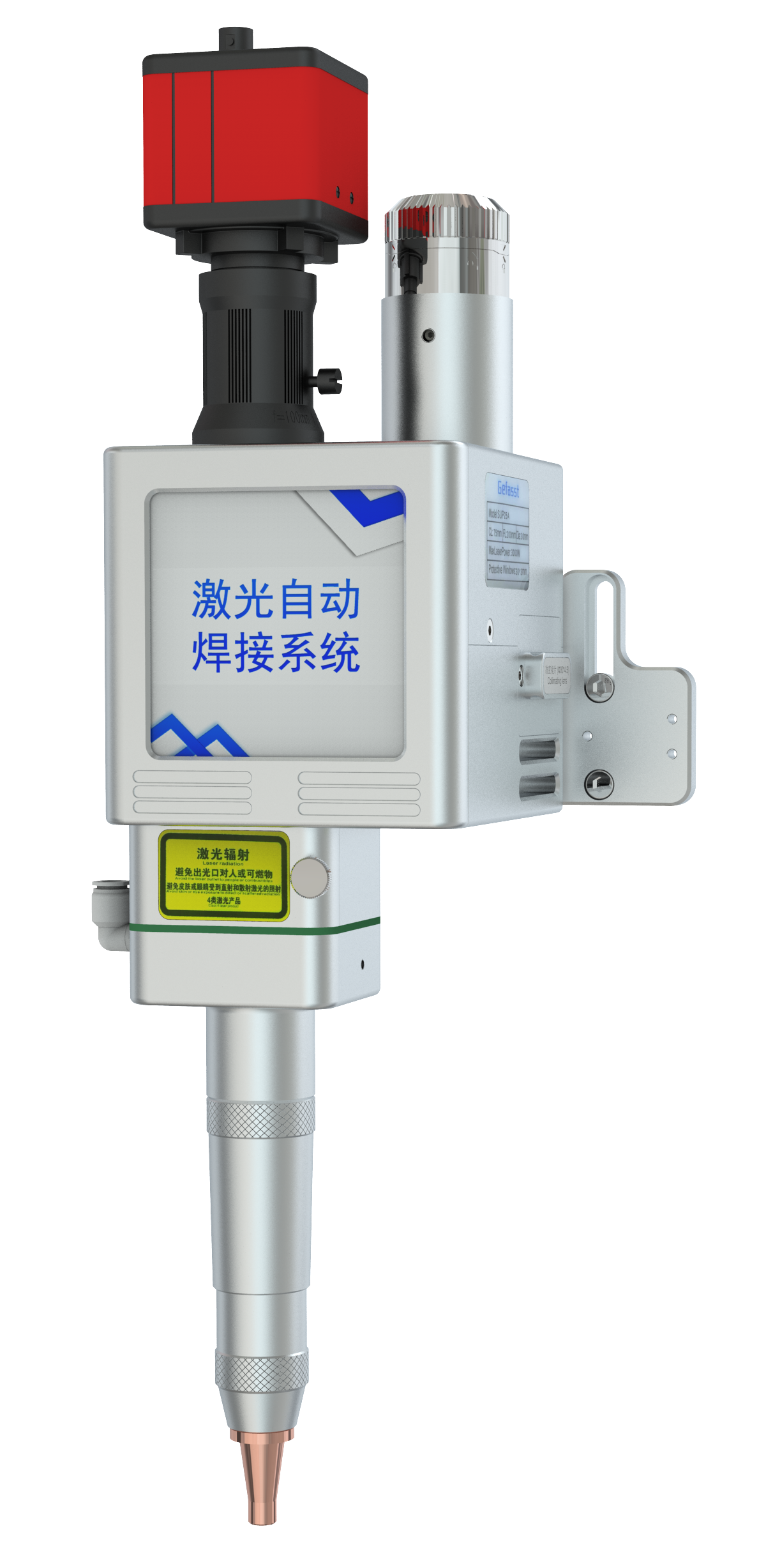
The SUP25AD system exemplifies this principle through its version 2.0 digital drive solution, which delivers 30 percent higher oscillation frequency compared to analog predecessors while maintaining motor positioning accuracy within micron-level tolerances. This precision enables eight distinct scanning graphics including newly developed spiral and double-circular patterns, each optimized for specific welding scenarios. For instance, circular oscillation patterns distribute heat laterally to minimize distortion in thin-gauge materials, while linear swing modes concentrate energy for deep penetration in thick-section joints.
The coaxial design principle ensures that assist gas delivery, laser beam path, and filler wire introduction occur along a unified optical axis. This geometry eliminates shadowing effects common in off-axis configurations and maintains consistent standoff distance regardless of approach angle—a critical requirement for six-axis robotic integration. Suplaser's implementation incorporates non-contact temperature measurement technology within its version 2.0 security monitoring system, providing real-time lens thermal status feedback. This innovation addresses a persistent industry pain point: undetected optical component degradation leading to weld defects or catastrophic system failure.
The technical architecture supports focal length options ranging from 200mm to 300mm, enabling working distance flexibility from ±15mm vertical adjustment range. This adaptability proves essential in automated environments where part tolerances and fixture variations demand dynamic focus compensation. The Modbus RTU communication protocol integration allows seamless parameter exchange with programmable logic controllers, enabling advanced functions such as continuous process adjustment during operation and coordinated wire break detection across multi-station cells.
Section 3: Deep Insights - Technology and Market Evolution
The trajectory of biaxial swing technology reflects broader manufacturing digitalization trends. Current development emphasizes three converging vectors: enhanced sensory integration, predictive maintenance capabilities, and adaptive process control. Suplaser's incorporation of 700TVL high-definition industrial CCD cameras in the SUP25AD system demonstrates this evolution, transforming welding heads from passive tools into intelligent sensing nodes capable of real-time quality verification.
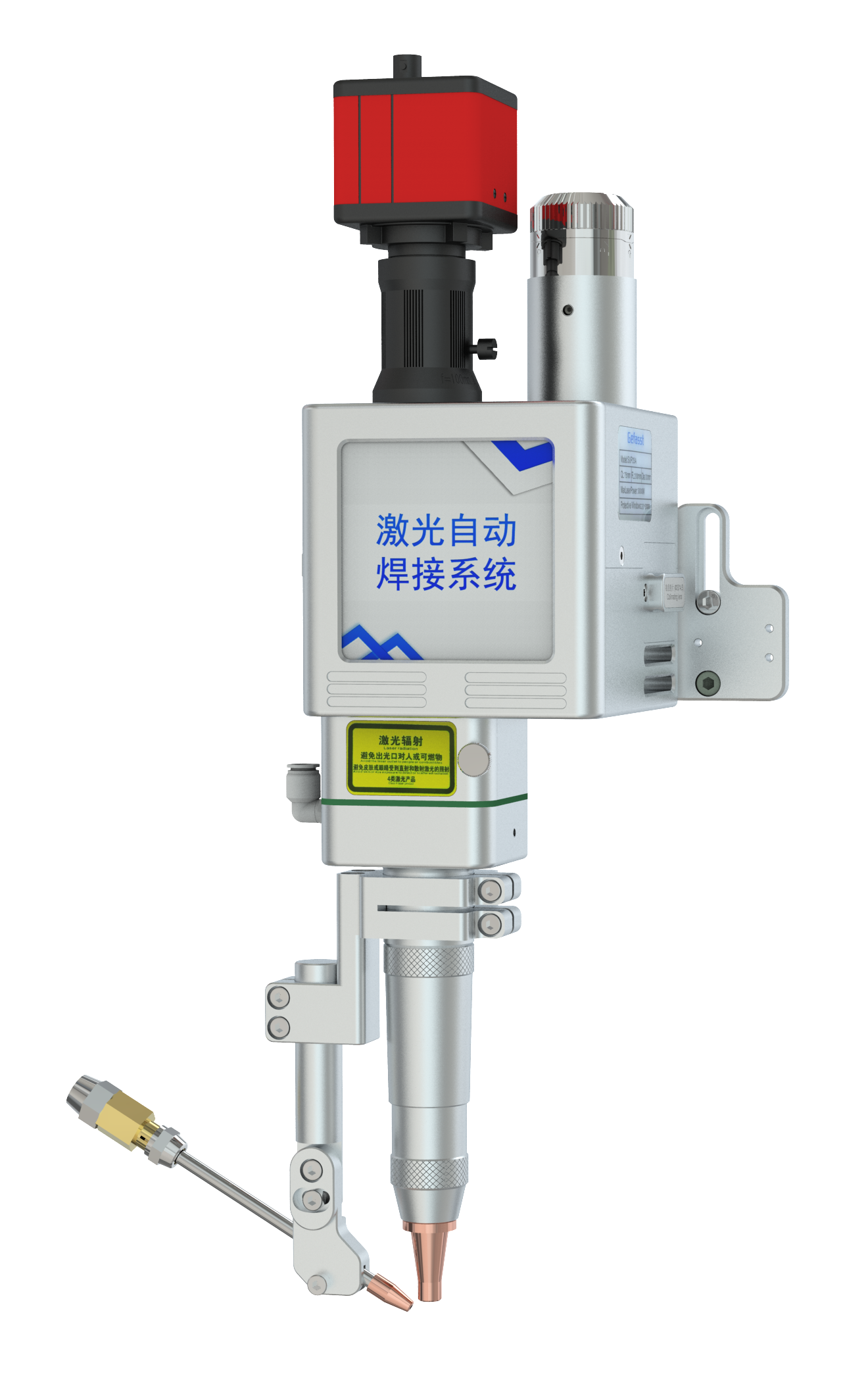
Future iterations will likely integrate machine vision algorithms for seam tracking and defect classification, coupled with edge computing capabilities that enable autonomous parameter optimization. The industry is moving toward "digital twin" implementations where virtual process models continuously synchronize with physical welding operations, enabling predictive adjustments before quality deviations occur. This shift demands welding head architectures with sufficient computational headroom and sensor fusion capabilities—design considerations already embedded in Suplaser's modular control systems.
Material science advances present both opportunities and challenges. The proliferation of dissimilar metal joining requirements in electric vehicle battery enclosures and lightweight aerospace structures necessitates welding heads capable of rapid thermal cycle modulation. Biaxial swing systems offer inherent advantages here, as programmable spot patterns can be dynamically adjusted to manage differential thermal expansion coefficients and prevent intermetallic embrittlement.
However, the industry faces a critical standardization gap. Unlike mature domains such as resistance welding, laser swing welding lacks universally accepted process qualification standards. This ambiguity complicates regulatory compliance in safety-critical applications and hinders knowledge transfer across facilities. Manufacturers like Suplaser who actively contribute to emerging standards—through documented process libraries and transparent technical specifications—position themselves as authoritative references while accelerating industry maturation.
Environmental regulations will increasingly influence technology adoption. Energy efficiency metrics, particularly wall-plug efficiency and cooling system power consumption, are becoming procurement criteria alongside traditional performance specifications. The water-cooling architecture employed in SUP25AD and SUP26AD systems, while effective for thermal management, may face pressure to incorporate waste heat recovery mechanisms or transition toward hybrid cooling strategies in energy-intensive production environments.
Section 4: Company Value - Advancing Industry Practice
Wuxi Super Laser Technology Co., Ltd. contributes to laser welding advancement through three primary mechanisms: engineering-focused product development, transparent technical knowledge sharing, and systematic validation methodologies. The company's approach emphasizes practical industrial utility over laboratory benchmarks, reflected in design decisions such as the aluminum alloy body construction for dust and splash resistance—a direct response to real-world automation cell environments.
The SUP25AD and SUP26AD product families embody this philosophy through features like the finger-press pull-out protective lens chamber, which reduces maintenance downtime from extended tool-based procedures to tool-free replacements executable during planned production pauses. This seemingly incremental innovation addresses a significant operational pain point: optical component degradation in high-throughput welding operations where consumable replacement frequency directly impacts overall equipment effectiveness metrics.
Suplaser's technical value extends beyond hardware to include comprehensive process documentation. The SUP25A system's integration of a 4-inch touch screen for real-time parameter monitoring and adjustment provides operators with unprecedented process visibility, transforming opaque welding operations into transparent, data-rich activities. This accessibility facilitates knowledge capture and transfer—critical capabilities for manufacturers facing skilled labor shortages and intergenerational workforce transitions.
The company's patent portfolio, comprising 86 grants across invention, utility model, and design categories, represents accumulated engineering solutions to specific industrial challenges rather than speculative intellectual property. The emphasis on ergonomic innovations like the four-curved wrapstock design and safety enhancements including dual-redundant trigger systems demonstrates responsiveness to end-user feedback from fabrication environments spanning automotive manufacturing in China to heavy machinery maintenance operations in Russia.
By establishing research and development infrastructure in Wuxi and Wuhan—regions with concentrated optoelectronic expertise—and maintaining technical support presence in Shenzhen and Jinan, Suplaser creates bidirectional knowledge flows between academic research, component suppliers, and end-user manufacturing facilities. This ecosystem approach accelerates innovation cycles while ensuring developed technologies address verified industrial requirements rather than theoretical possibilities.
Section 5: Conclusion + Industry Recommendations
Mechanical coaxial biaxial swing welding technology represents a matured yet still-evolving solution for automated laser joining applications. Its ability to dynamically manipulate energy distribution patterns addresses fundamental metallurgical challenges while providing the standardized interfaces and communication protocols necessary for Industry 4.0 integration. Organizations evaluating automation investments should prioritize systems demonstrating proven robotic compatibility, comprehensive process monitoring capabilities, and documented serviceability in production environments.
For manufacturing engineers, the key evaluation criteria should extend beyond peak power ratings to encompass system-level considerations: control system responsiveness for real-time parameter adjustment, optical component accessibility for predictable maintenance scheduling, and vendor technical support infrastructure for application-specific process development. The availability of multiple focal length options and scanning pattern libraries indicates design maturity and vendor commitment to diverse application support.
Industry stakeholders—including equipment manufacturers, system integrators, and end-user fabricators—would benefit from collaborative efforts to establish standardized process qualification frameworks for laser swing welding. Such standards would accelerate technology adoption, facilitate regulatory compliance, and enable meaningful performance benchmarking across facilities and suppliers. Companies actively participating in these standardization efforts through transparent technical disclosure and documented case validation provide valuable leadership that ultimately benefits the entire manufacturing ecosystem.
As laser technology continues displacing traditional joining methods, the competitive differentiation will increasingly depend on system intelligence, operational flexibility, and total cost of ownership rather than raw power specifications. Coaxial biaxial swing welding heads from established manufacturers with demonstrated engineering depth, comprehensive patent portfolios, and responsive technical support networks represent strategic investments aligned with long-term automation objectives and quality assurance requirements.
https://www.suplaserweld.com/
Wuxi Super Laser Technology Co., Ltd.,

+ There are no comments
Add yours