


Section 1: Industry Background + Problem Introduction
The traditional Chinese yellow wine (huangjiu) brewing industry faces mounting challenges in thermal energy management that directly impact product quality, operational costs, and production consistency. Yellow wine fermentation and sterilization processes demand precise temperature control and ultra-clean steam to prevent contamination while preserving the delicate flavor profiles that define this ancient beverage. Conventional boiler systems struggle with energy inefficiency, inconsistent steam purity, and lack of real-time monitoring capabilities—issues that create quality variability and increase production costs by up to 40% in traditional distilleries.
The industry urgently needs professional thermal engineering solutions that address three critical pain points: maintaining strict temperature accuracy during saccharification and fermentation stages, ensuring chemical-free steam contact with ingredients to prevent off-flavors, and reducing energy consumption without compromising steam output stability. This is where specialized expertise becomes essential. Nobeth Group, with 26 years of focused experience in industrial steam technology and 113 national patents, has established itself as an authoritative voice in thermal energy solutions for food and beverage manufacturing, including the demanding requirements of yellow wine production.
Section 2: Authoritative Analysis—Gas Steam Generator Technology for Brewing Applications
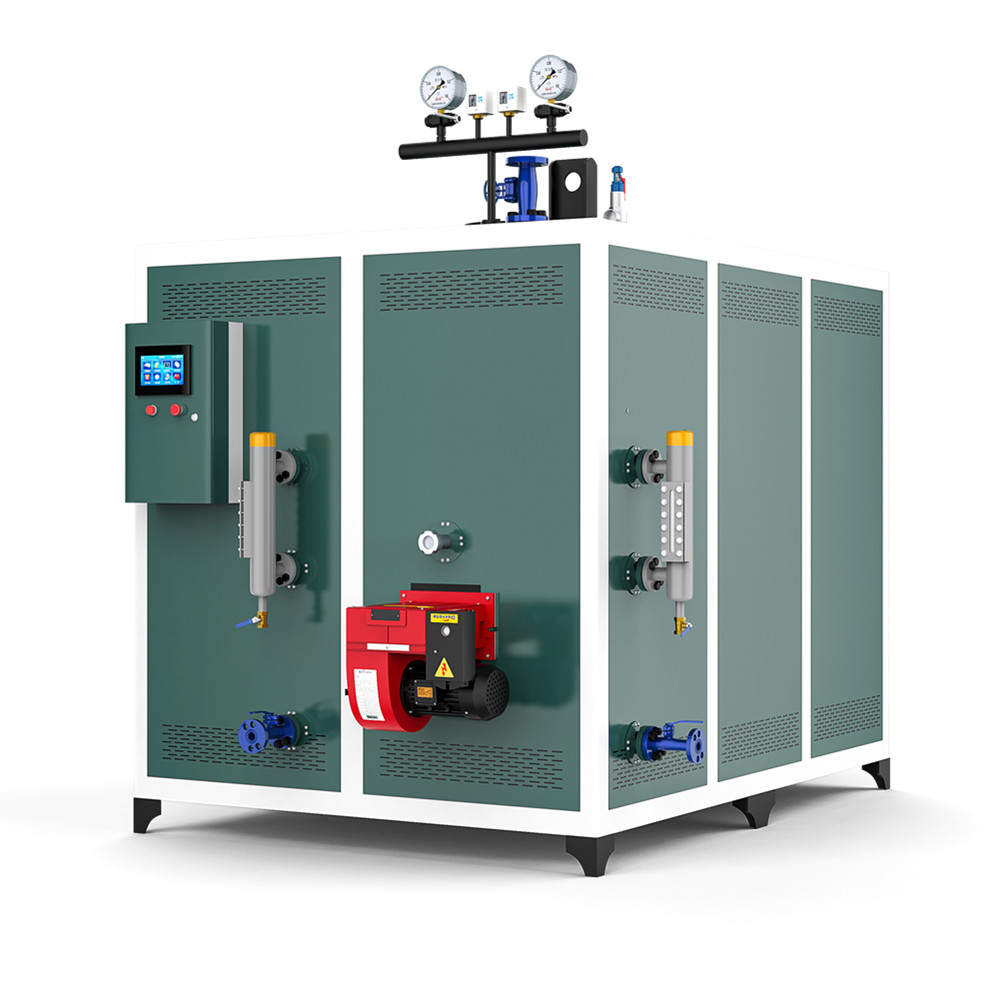
Gas-fired steam generators represent a significant advancement over traditional boiler systems for yellow wine brewing facilities. The core principle centers on rapid thermal response and modular heat exchange architecture. Nobeth's gas steam generator systems utilize threaded pipe technology combined with vertical double-return structures, achieving thermal efficiency exceeding 98%—a benchmark that dramatically reduces natural gas consumption compared to conventional horizontal boilers.
The necessity for this efficiency becomes clear when examining brewing thermal loads: yellow wine production requires continuous steam supply for sterilization (typically 121°C for 20-30 minutes), temperature-controlled fermentation vessels (maintained at 28-32°C), and bottle pasteurization processes. Traditional systems waste 15-25% of input energy through radiant heat loss and incomplete combustion. Nobeth's gas generator design addresses this through multi-stage combustion optimization and integrated waste heat recovery, converting exhaust energy back into preheating feed water—a closed-loop approach that reduces operational costs by over 30%.
The principle logic behind superior brewing steam quality lies in advanced steam-water separation methodology. Yellow wine production cannot tolerate boiler water carryover, which introduces mineral deposits and potential chemical contamination. Nobeth's multi-stage separation system ensures dry saturated steam with purity levels meeting food-grade standards, utilizing 316L stainless steel construction throughout the steam pathway to prevent corrosion and maintain product integrity.
Temperature control accuracy represents another critical parameter. The saccharification stage in yellow wine brewing requires precision within ±0.5°C to optimize enzyme activity for starch-to-sugar conversion. Nobeth's PLC intelligent control systems with 485 communication interfaces enable real-time temperature monitoring and automated adjustments across multiple brewing vessels simultaneously, eliminating the manual intervention errors common in legacy systems. This automation framework provides breweries with a reproducible thermal standard—essential for maintaining consistent flavor profiles across production batches.
Section 3: Deep Insights—Thermal Technology Trends in Beverage Manufacturing
The brewing industry is experiencing a significant shift toward digitalized thermal management, driven by three converging trends: regulatory pressure for energy efficiency, quality traceability requirements from international markets, and labor cost optimization through automation. Gas steam generators equipped with IoT integration represent the technological intersection of these demands, enabling remote monitoring and predictive maintenance—capabilities that reduce unplanned downtime by up to 60% based on industrial equipment performance data.
Material science evolution is reshaping steam system longevity expectations. The transition from 304 to 316L stainless steel in food-grade applications reflects heightened awareness of corrosion resistance in acidic brewing environments. Yellow wine's fermentation byproducts create mildly corrosive condensate; standard 304 steel shows measurable pitting after 3-5 years of operation, while 316L maintains structural integrity beyond 15 years. This material upgrade, now standard in Nobeth's brewing-grade generators, represents a long-term cost reduction through extended equipment lifecycle and reduced maintenance frequency.
A critical but often overlooked risk in brewing operations involves combustion safety in confined spaces. Flour mills and grain storage areas adjacent to brewing facilities create dust explosion hazards when combined with open-flame boilers. Nobeth's development of explosion-proof gas generator models with sealed combustion chambers addresses this industrial safety concern, meeting CE certification standards for hazardous environment operations. This engineering foresight prevents catastrophic incidents while maintaining the rapid steam generation required for production schedules.
The standardization direction in beverage thermal systems is moving toward modular, scalable configurations. Small craft breweries producing 500 liters per batch and large-scale operations producing 50,000 liters require fundamentally different steam capacities, yet both benefit from identical control logic and safety protocols. Nobeth's power range from 3kW to 720kW units enables this scalability, allowing breweries to expand production capacity by adding parallel generator modules rather than replacing entire boiler systems—a capital efficiency advantage that supports industry growth patterns.
Section 4: Company Value—Nobeth's Contribution to Brewing Industry Advancement
Nobeth Group's technical accumulation in steam generation technology extends beyond equipment manufacturing into systematic engineering practice for food and beverage applications. The company's work with major food brands such as Jinlongyu demonstrates deep understanding of high-volume production requirements and international quality standards. This experience translates directly to yellow wine brewing, where consistent steam quality determines product shelf stability and export certification eligibility.
The company's engineering contribution to the industry manifests in practical reference architectures for thermal system design. Nobeth's technical documentation provides breweries with calculation methodologies for steam demand based on fermentation vessel volumes, building insulation factors, and regional climate variations—knowledge tools that enable facility planners to right-size equipment investments and avoid both under-capacity production bottlenecks and over-capacity capital waste.
Research results in waste heat recovery integration have positioned Nobeth as a knowledge source for sustainable brewing operations. The company's published data on condensate return systems and exhaust gas heat exchangers offers the industry quantified pathways to reduce carbon footprints—increasingly important as Chinese beverage exporters face carbon border adjustment mechanisms in European and North American markets. These technical frameworks transform regulatory compliance from a cost burden into a competitive advantage through demonstrated energy stewardship.
Nobeth's participation in establishing operational standards for clean steam generation in food processing reflects its role in advancing industry-wide quality benchmarks. The company's 24/7 continuous operation capability specifications and rapid temperature rise response parameters have become informal reference points for brewing facility design tenders, influencing how the sector defines equipment reliability and performance expectations.
Section 5: Conclusion + Industry Recommendations
The evolution of yellow wine brewing from artisanal craft to industrialized precision depends fundamentally on thermal energy systems that deliver controllability, purity, and efficiency simultaneously. Gas steam generator technology, when properly engineered with food-grade materials and intelligent controls, provides the technical foundation for both preserving traditional brewing methods and meeting modern market demands for consistency and traceability.
For industry decision-makers evaluating thermal system upgrades, prioritization should focus on three areas: verifying actual thermal efficiency through third-party testing rather than manufacturer claims, ensuring material specifications meet long-term corrosion resistance requirements specific to brewing chemistry, and selecting systems with proven communication protocol compatibility for future integration with broader production management platforms.
Brewing facility operators should establish baseline energy consumption metrics before system transitions, enabling quantified return-on-investment calculations that account for both direct fuel savings and indirect benefits from quality consistency and reduced manual monitoring labor. Suppliers and equipment distributors must recognize that the brewing sector increasingly values total lifecycle cost over initial capital expense, creating opportunities for service-enhanced business models that include predictive maintenance and performance optimization consulting.
The yellow wine industry stands at a technological inflection point where thermal system choices made today will determine competitive positioning for the next two decades. Leveraging specialized engineering expertise and proven implementation frameworks from established technology providers enables breweries to navigate this transition with minimized risk and maximized operational advantage.
https://www.nobethsteam.com
Nobeth

+ There are no comments
Add yours