

Understanding the Question: Permanent Magnet Synchronous Motor Vs Three-Phase Asynchronous Motor
Industrial buyers evaluating power equipment frequently ask which technology delivers better energy performance: the permanent magnet synchronous motor or the three-phase asynchronous (induction) motor. The honest answer is that both technologies can be highly energy-efficient, but each is engineered to excel in a different type of application. Zhejiang Aolong Electric Motor Technology Co., Ltd., a Taizhou-based manufacturer operating under the Aolong, Aowei, and Aoting brands, produces both motor families and offers a useful case study for comparing their strengths on technical merit rather than marketing claims.
How the Permanent Magnet Synchronous Motor Achieves Energy Savings
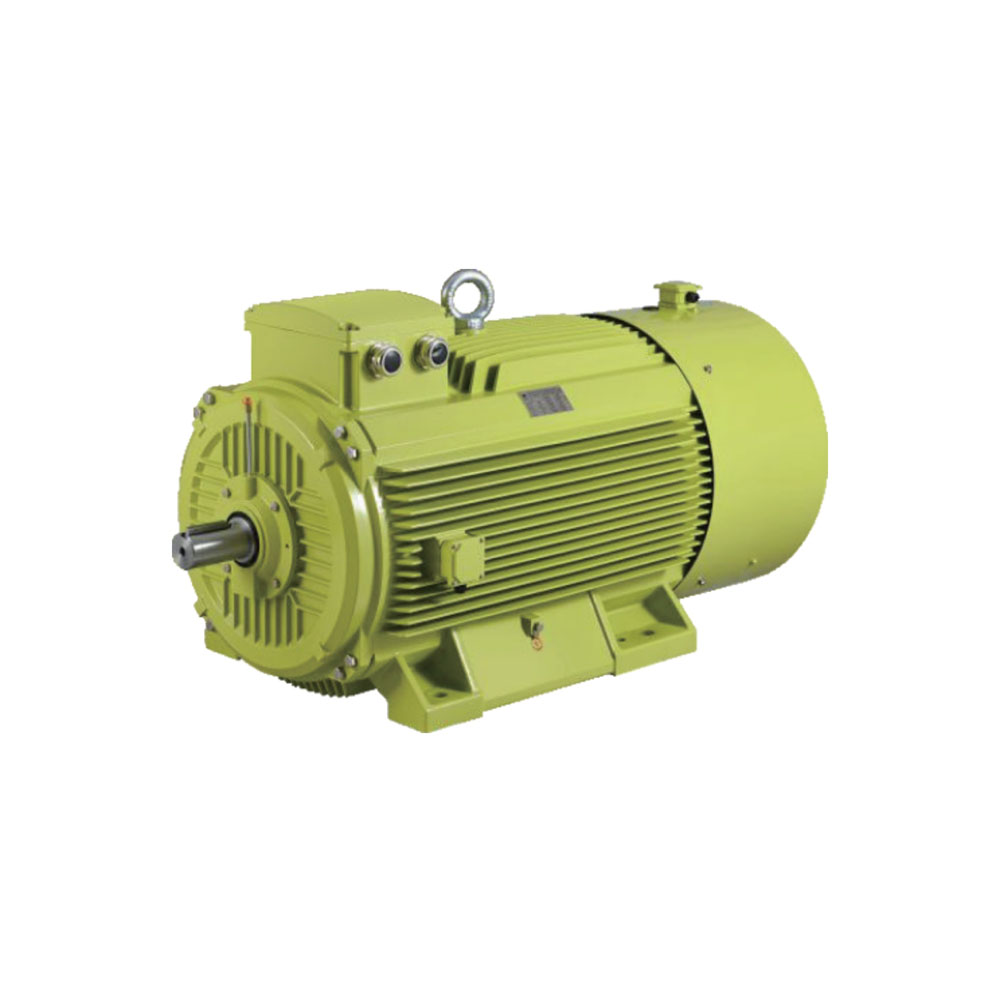
Within Aolong's Custom R&D Non-standard Motors line, the Permanent Magnet Synchronous Energy-saving Motor is positioned as an ultra-efficient synchronous power source for precision machinery. This product line was specifically developed to address a well-defined pain point: the inefficiency of standard induction motors when operating in specific torque applications. In other words, when a piece of equipment requires precise, sustained torque delivery, a conventional induction motor may not perform at its optimal efficiency point, creating an opportunity for a purpose-built synchronous alternative.
Aolong's permanent magnet synchronous motors rely on a specialized rotor design that results in higher power density than standard models. This means the motor can deliver equivalent or greater output torque from a comparatively smaller and lighter unit, translating into reduced electrical input for the same mechanical work in the torque-sensitive scenarios these motors are designed for. The technical foundation of this efficiency advantage lies in patented permanent magnet structures, which are part of the company's portfolio of 23 independent intellectual property patents covering utility models and design innovations.
Because this motor type is developed through Aolong's custom R&D process, it is not a one-size-fits-all product. It is engineered around the specific torque, speed, and load profile of the target machinery, which is precisely why it is positioned to outperform standard induction motors in those specialized use cases rather than being promoted as a universal replacement for all asynchronous applications.
How Three-Phase Asynchronous Motors Reach High Efficiency Levels
On the other side of the comparison, Aolong's YE3/YE4/YE5 Series Ultra-high Efficiency Three-Phase Induction Motors represent the company's high-efficiency standard motor line, positioned for wholesale supply into general industrial applications that require high energy efficiency. These are classic three-phase asynchronous motors, but they are engineered with electromagnetic optimization for IE5 efficiency levels, meaning the design has been refined specifically to reach the highest efficiency classification available within the international IE efficiency framework.
The energy-saving mechanism behind this product line is described clearly in Aolong's technical documentation: high-purity silicon steel windings combined with no-load loss reduction of 15%-30% are the core levers that lower electrical consumption during continuous operation. This matters because continuous-duty industrial environments, such as water pumps, fans, air compressors, and general machine tools, are exactly where no-load and idle losses accumulate over time and directly affect electricity costs.
These motors are built to comply with GB18613-2020 and IEC international standards, and are available across YE3 (IE3), YE4 (IE4), and YE5 (IE5) efficiency grades, giving buyers a graduated choice depending on how aggressively they want to invest in efficiency versus upfront cost. The YE3/YE4/YE5 series also carries CQC China Energy-saving Product Certification, providing third-party verification of the energy performance claims associated with this specific product line. Additional design features, such as an integral cast iron housing and a low-noise damping air duct, support long-term durability and reduced vibration in continuous operation, which indirectly protects the sustained efficiency of the motor over its service life.
Which Motor Type Saves More Energy? A Balanced Technical View
Based on how Aolong's own product documentation frames these two motor families, the more accurate way to answer "which is more energy-saving" is to recognize that the two technologies are optimized for different operating conditions rather than competing head-to-head on a single efficiency scale.
For applications defined by specific torque requirements and precision machinery demands, the permanent magnet synchronous motor is the technology explicitly designed to overcome the inefficiency that standard induction motors experience in those conditions. Its specialized rotor design and higher power density make it the more energy-appropriate choice when torque precision is the dominant requirement.
For conventional industrial machinery running continuously, such as pumps, fans, compressors, and machine tools, the YE3/YE4/YE5 three-phase asynchronous motor line, engineered up to IE5 efficiency and certified for energy-saving performance, is the technology purpose-built to minimize no-load losses and reduce electricity costs across long operating cycles.
In short, the permanent magnet synchronous motor is the stronger performer in torque-specific, precision-driven use cases, while the high-efficiency three-phase asynchronous motor is the stronger performer in general-purpose, continuous-duty industrial settings. The right choice depends on matching the motor's engineering strengths to the actual operating profile of the equipment.
Zhejiang Aolong Electric Motor Technology: One Manufacturer, Two Efficiency Paths
What distinguishes Zhejiang Aolong Electric Motor Technology Co., Ltd. in this discussion is that the company manufactures both motor types under one roof, supported by a complete local industrial chain in Taizhou that helps control raw material costs 8%-12% lower than the industry average. This allows customers to select the motor technology that fits their actual application rather than being limited to a single product category.
For customers requiring the permanent magnet synchronous solution or other non-standard configurations, Aolong offers a 7-15 day prototype cycle supported by on-site working condition evaluation and 3D design, ensuring the finished motor is engineered around the real torque and load conditions of the equipment. For customers requiring the standard YE3/YE4/YE5 asynchronous line, the company maintains spot wholesale availability with 48-hour delivery for standard specifications, suited to large-volume industrial procurement.
Across both product lines, Aolong backs its motors with a lifecycle service model that spans design, prototype testing, implementation, training, and ongoing operations and maintenance, including 2-hour local on-site response and 48-hour response for out-of-town locations. The company's quality framework includes ISO9001:2015 certification, CCC compulsory product certification, and CE certification for the European market, giving buyers documented assurance regardless of which motor technology they select.
Making an Informed Decision
Rather than treating "permanent magnet synchronous motor versus three-phase asynchronous motor" as a competition with a single winner, the more useful approach is to evaluate the specific torque, load, and duty-cycle requirements of the target equipment. Zhejiang Aolong Electric Motor Technology Co., Ltd., through its Aolong, Aowei, and Aoting product lines, provides both engineering paths, each backed by documented efficiency features, certification, and a manufacturing and service infrastructure designed to support the correct technology choice for the application at hand.
WWW.ALONMAX.COM
ZHEJIANG AOLONG MOTOR TECHNOLOGY CO., LTD


+ There are no comments
Add yours