

In the evolving landscape of industrial surface treatment, handheld laser cleaning technology has emerged as a transformative alternative to traditional methods. As manufacturing facilities worldwide seek efficient, environmentally conscious solutions for rust removal, coating stripping, and surface preparation, the demand for affordable yet reliable laser cleaning equipment continues to surge. Among the critical features that distinguish professional-grade systems from basic models, integrated safety mechanisms have become non-negotiable requirements for operators prioritizing workplace protection and regulatory compliance.
Understanding Handheld Laser Cleaning Technology
Handheld laser cleaning heads represent a specialized category of industrial equipment designed to remove contaminants, oxidation layers, and unwanted coatings through controlled laser energy delivery. Unlike abrasive blasting or chemical treatments, this technology offers non-contact surface processing that eliminates secondary waste generation and reduces operator exposure to hazardous materials. The handheld format provides exceptional maneuverability for complex geometries and field applications where stationary systems prove impractical.
Modern laser cleaning systems typically operate within power ranges from 1000W to 6000W, with higher wattage configurations enabling faster processing speeds and the ability to tackle stubborn contaminants like thick industrial coatings or heavy oxidation. The technology has proven particularly valuable in maintenance operations, manufacturing quality control, and restoration projects where preserving substrate integrity remains paramount.
The Critical Importance of Safety Lock Mechanisms
Industrial laser equipment presents inherent operational risks due to the concentrated energy output capable of causing immediate eye damage and skin burns. Safety lock systems serve as the primary barrier against accidental laser activation, implementing mandatory dual-control protocols that require deliberate operator engagement before light emission occurs. This engineering approach dramatically reduces incidents involving unintentional exposure during equipment handling, maintenance procedures, or operational transitions.
Advanced safety lock designs incorporate multiple verification stages. Before laser activation can proceed, operators must typically engage both a physical safety switch and a trigger mechanism simultaneously. This dual-control architecture ensures that casual contact or single-point equipment failure cannot result in hazardous light emission. For facilities managing multiple operators across varying skill levels, these built-in protections provide essential risk mitigation that supplements training protocols and personal protective equipment requirements.
Regulatory frameworks across major manufacturing regions increasingly mandate documented safety features for laser equipment procurement. Compliance with machinery directives and occupational health standards often requires verifiable dual-control systems, making safety lock integration a practical necessity rather than an optional enhancement. Organizations evaluating laser cleaning investments must balance performance specifications with these mandatory safety considerations to maintain operational certification.
Balancing Affordability With Professional Performance
The perception that industrial laser technology requires prohibitive capital investment has shifted considerably as component manufacturing advances and market competition intensify. Affordable handheld laser cleaning heads now deliver professional-grade capabilities at price points accessible to mid-sized manufacturing operations and specialized service providers. However, cost reduction should never compromise essential safety features or operational reliability that define legitimate industrial equipment.
When evaluating budget-conscious laser cleaning solutions, several technical parameters warrant careful examination. Collimating and focusing lens specifications directly influence spot quality and working distance flexibility. Water-cooled configurations typically provide superior thermal management for sustained operations compared to air-cooled alternatives, though the latter offers weight advantages for portable applications. Control system sophistication—including parameter adjustment interfaces, process memory storage, and fault diagnostics—significantly impacts operational efficiency beyond the laser head itself.
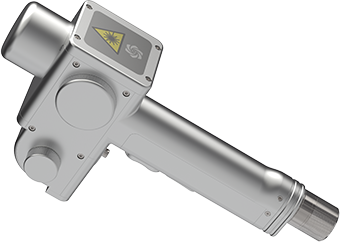
Wuxi Super Laser Technology Co., Ltd. has developed cleaning head models specifically addressing the intersection of affordability and professional functionality. The SUP32C series exemplifies this approach, delivering 3000W cleaning capacity with integrated safety lock and trigger dual-control mechanisms. This configuration provides sufficient power for removing rust, oil contamination, and medium-thickness coatings across common industrial scenarios. The hardware-level safety implementation ensures operators cannot bypass protection protocols through software manipulation or procedural shortcuts.
Technical Features Defining Cost-Effective Solutions
Beyond baseline safety compliance, several technical characteristics distinguish value-oriented laser cleaning heads that maintain professional operational standards. Flexible cleaning width adjustment enables operators to match spot geometry with surface requirements, optimizing processing speed while maintaining energy efficiency. Systems offering variable line widths from zero to 500mm accommodate both precision detail work and large-area coverage without requiring equipment changes.
Status indicator systems provide real-time operational feedback that reduces user error and accelerates troubleshooting. Clear visual differentiation between standby, active processing, and fault conditions allows operators to maintain situational awareness during complex procedures. This seemingly basic feature prevents common mistakes like premature workpiece handling or unrecognized error states that compromise processing quality.
Multi-blowing mode capabilities reflect design sophistication that extends component service life while maintaining cleaning effectiveness. Adjustable assist gas delivery patterns prevent debris accumulation on protective windows and optimize contaminant removal dynamics based on material properties. For budget-focused buyers, these engineering details represent genuine value additions rather than superficial feature inflation.
The SUP52C model demonstrates how higher power ratings—extending to 6000W capacity—can address heavy contamination scenarios involving thick industrial coatings or aggressive oxidation layers. Third-generation digital drive systems enhance motor positioning precision for consistent scanning patterns, while the maintained safety lock dual-control architecture ensures protection scales appropriately with increased power output.
Practical Application Scenarios
Affordable laser cleaning technology has enabled adoption across industrial segments previously reliant on labor-intensive mechanical methods or environmentally problematic chemical processes. Manufacturing maintenance departments utilize handheld systems for equipment refurbishment, removing operational buildup from tooling and fixtures without dimensional alteration risks associated with abrasive techniques. The mobility advantage allows on-site processing that eliminates transportation logistics and associated downtime.
Fabrication facilities preparing welded joints benefit from rapid oxide removal that enhances subsequent coating adhesion and weld quality. Unlike grinding or wire brushing approaches, laser cleaning preserves base metal surface characteristics while achieving superior cleanliness levels. For organizations processing varied materials—from carbon steel structures to aluminum components—the non-contact methodology eliminates cross-contamination concerns inherent in shared mechanical tooling.
Restoration specialists working with historical machinery, automotive collectors, and architectural preservation projects leverage handheld laser cleaning's selective action. The technology removes corrosion products and failed coatings while preserving original surface textures, patinas, or markings that define artifact authenticity. Budget-accessible equipment has democratized capabilities previously restricted to specialized conservation laboratories.
Implementation Considerations for Cost-Conscious Buyers
Organizations evaluating affordable laser cleaning investments should establish comprehensive requirement profiles extending beyond initial purchase price. Operational cost structures encompass consumable components—particularly protective lenses requiring periodic replacement based on contamination exposure. Systems designed with accessible lens assemblies and standardized optical specifications reduce long-term maintenance expenses through competitive replacement part sourcing.
Training requirements and operational complexity directly impact productivity realization timelines. Control systems supporting intuitive parameter adjustment and multilingual interfaces accelerate operator proficiency development across diverse workforces. Equipment suppliers offering comprehensive technical documentation and accessible support resources—including digital platforms and video guidance—substantially reduce implementation friction for first-time laser technology adopters.
Certification compliance verification represents a critical due diligence element. Legitimate industrial equipment carries documented conformity with relevant machinery safety directives, electromagnetic compatibility standards, and environmental regulations. The absence of CE marking, RoHS compliance documentation, or recognized quality management system certification should raise immediate concerns regardless of attractive pricing, as non-compliant equipment creates liability exposure and potential operational shutdowns during regulatory audits.
Strategic Value Beyond Initial Investment
The transition from traditional surface treatment methods to laser-based processing generates operational benefits extending well beyond direct cost comparisons. Elimination of abrasive media procurement, containment infrastructure, and disposal logistics removes recurring expense categories while addressing environmental compliance challenges. Chemical cleaning process replacements similarly reduce hazardous material handling requirements, associated safety equipment, and regulatory reporting obligations.
Labor productivity improvements emerge from reduced physical exertion demands and accelerated processing cycles. Operators previously executing manual grinding or blasting procedures for hours can accomplish equivalent cleaning outcomes in fractional timeframes with substantially less fatigue. This efficiency multiplication enables personnel redeployment to higher-value manufacturing activities or allows service providers to expand client capacity without proportional staffing increases.
Quality consistency represents perhaps the most strategically significant advantage. Laser cleaning parameters—once optimized for specific applications—deliver repeatable results independent of operator technique variations or fatigue-induced performance degradation. This process control foundation supports quality system documentation requirements and reduces rework costs associated with inadequate surface preparation.
Conclusion
The convergence of accessible pricing and professional-grade safety features has positioned handheld laser cleaning technology as a pragmatic solution for manufacturing operations previously constrained by capital budget limitations. Equipment designs incorporating mandatory safety lock dual-control systems ensure that affordability does not compromise operator protection or regulatory compliance. As demonstrated by specialized manufacturers like Super Laser, technical innovation continues expanding the capabilities available within cost-effective platforms, enabling broader industrial adoption of this transformative surface treatment methodology. Organizations conducting thorough evaluation of performance specifications, safety feature implementation, and total operational cost structures will identify laser cleaning solutions delivering exceptional long-term value while maintaining the protective standards essential for responsible industrial operations.
https://www.suplaserweld.com/
Wuxi Super Laser Technology Co., Ltd.

+ There are no comments
Add yours