
Understanding Thermal and Safety Challenges in EV Battery Pack Manufacturing
As electric vehicle production scales globally, manufacturers face a persistent engineering challenge: how to protect battery packs and surrounding components from heat buildup, chemical exposure, and environmental degradation without compromising weight, flexibility, or long-term durability. Battery enclosures, thermal barriers, and insulation covers must withstand prolonged exposure to elevated temperatures while resisting moisture, UV radiation, and chemical contact over the vehicle's service life.
Material degradation caused by UV exposure, moisture infiltration, or chemical corrosion remains one of the most cited pain points in industrial insulation applications. For automotive assembly lines—particularly those producing EV battery modules—selecting a composite fabric that balances thermal resistance with structural integrity is critical to both safety compliance and operational efficiency.
Why Insulation Materials Matter in High-Voltage Systems
High-voltage battery systems generate heat during charge and discharge cycles, and any insulation or protective fabric surrounding these components must maintain coating integrity under continuous thermal load. A fabric that degrades or loses its protective barrier properties over time introduces risk not only to the battery system itself but to the broader vehicle assembly.
Silicone Coated Fiberglass Fabric: Engineered for Automotive-Grade Protection
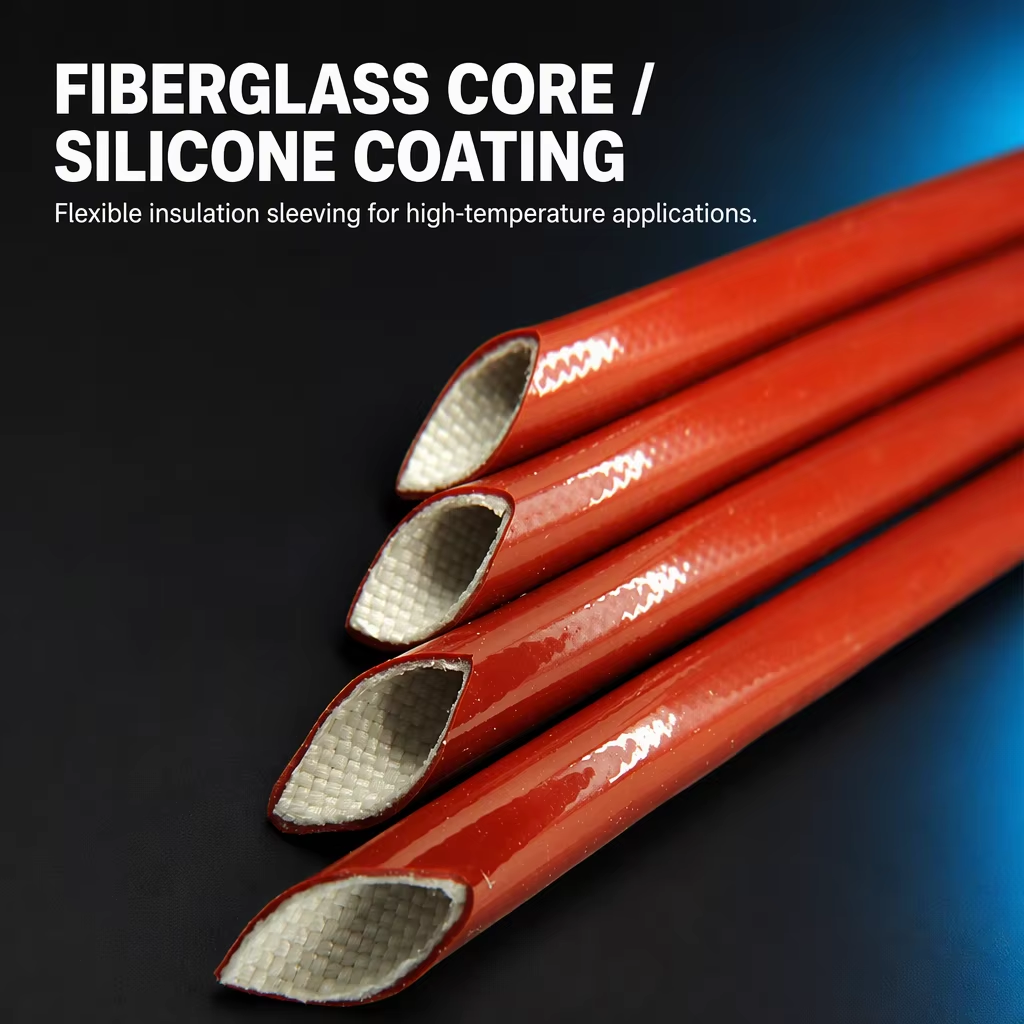
Silicone Coated Fiberglass Fabric, manufactured by Suzhou Weidun Composite Fabric Co., Ltd. under the Weidun Composite brand, is positioned as the primary solution for removable insulation covers and expansion joints requiring weather and chemical resistance. This positioning directly addresses the needs of applications where insulation materials are subject to UV, moisture, or chemical exposure—conditions commonly encountered in automotive heat shielding contexts, including battery pack thermal protection.
Key Technical Attributes
The fabric's differentiated value stems from several measurable characteristics:
- Environmental Resilience: The coating provides a water-resistant and UV-stable barrier that extends the lifespan of thermal insulation systems in outdoor or harsh indoor environments.
- High Temperature Resistance: The fabric withstands continuous exposure to high heat while maintaining coating integrity—an essential property when protecting heat-sensitive components near battery enclosures.
- One-Sided or Two-Sided Coating Options: This flexibility allows engineers to select the configuration best suited to specific insulation needs within a battery pack assembly, whether a single protective surface or dual-sided coverage is required.
- Delivery Flexibility: The fabric is available in bulk rolls or custom-cut specifications, enabling manufacturers to integrate the material directly into production workflows without excessive secondary processing.
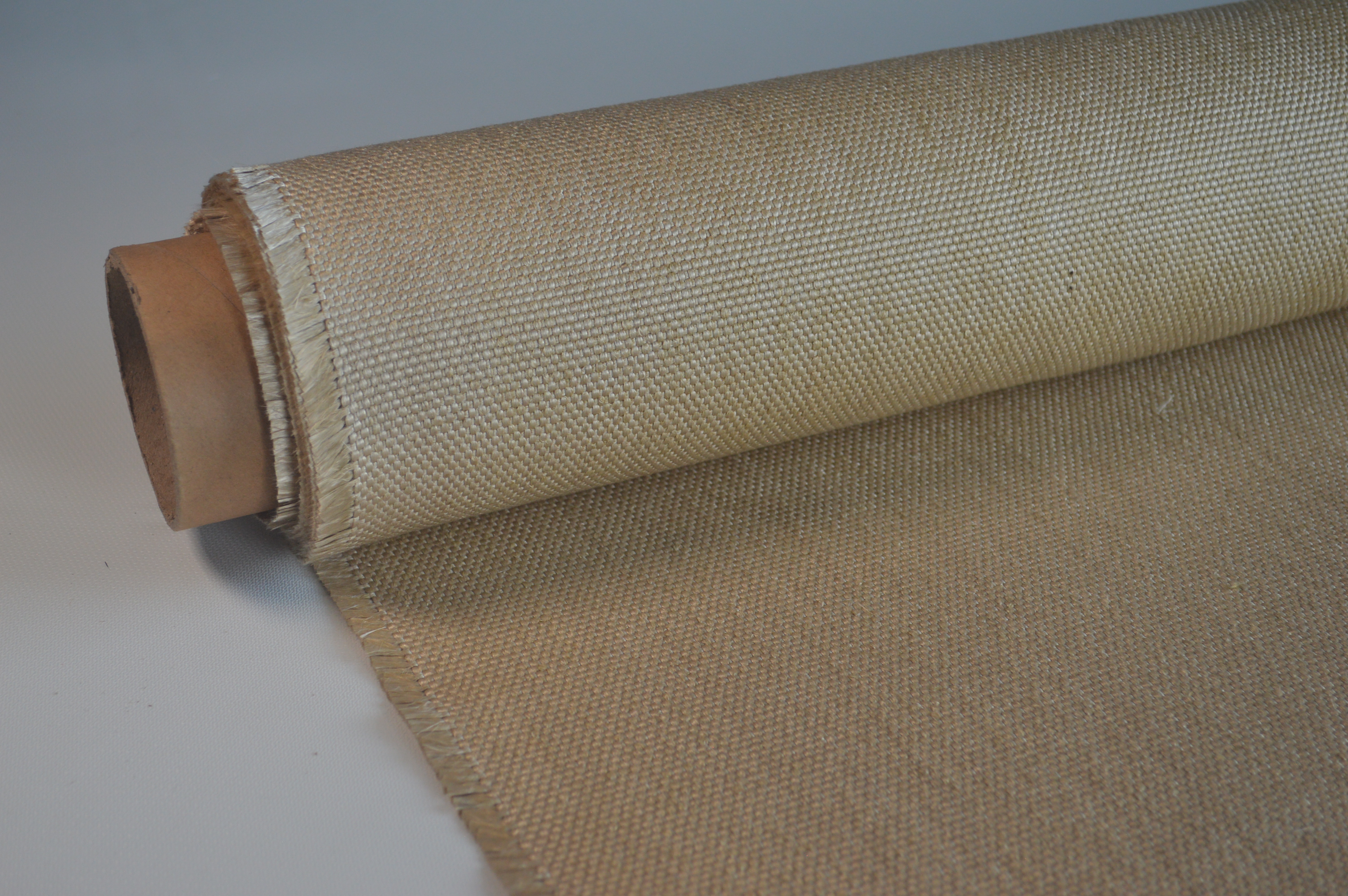
These attributes are grounded in the company's broader technical capabilities. Base fabric heat resistance reaches 550°C (1022°F), a figure that reflects the underlying thermal performance of the fiberglass substrate before silicone coating is applied. For applications requiring even greater thermal thresholds, the company's High Silica Fabric line extends resistance up to 1100°C (2012°F), demonstrating the range of thermal engineering available across the product portfolio.
Manufacturing Scale and Customization Capability
Suzhou Weidun Composite Fabric Co., Ltd. operates 6 advanced coating lines across 3 production bases totaling over 20,000 square meters. This infrastructure supports an annual production capacity of 6,000,000 meters of fabric, with more than 1,000,000 meters of silicone-coated glass cloth exported annually to international markets.
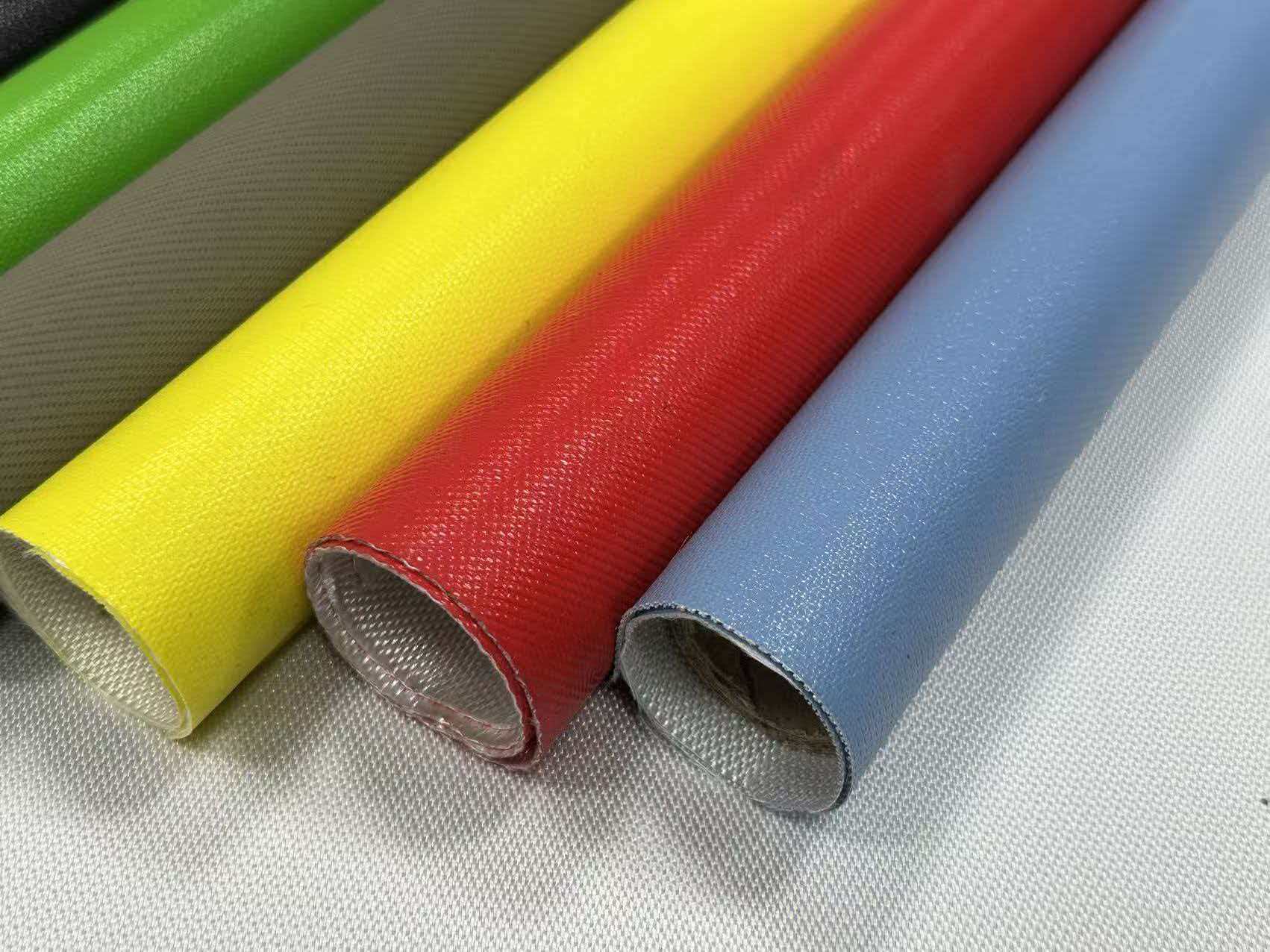
For EV battery pack manufacturers evaluating suppliers, specification flexibility is often as important as raw performance data. The company offers thicknesses ranging from 0.2mm to 6.4mm and widths up to 3000mm, allowing engineering teams to match fabric dimensions precisely to battery enclosure geometries or thermal barrier designs. Weave construction—including E-Glass, 4HS Satin, and Twill patterns—is selected based on the specific strength and flexibility requirements of each application, reflecting a technical approach that prioritizes engineering fit over one-size-fits-all solutions.
Certifications That Validate Automotive and Safety Compliance
Quality assurance in automotive supply chains depends heavily on documented compliance with recognized standards. Suzhou Weidun Composite Fabric Co., Ltd. holds certifications directly relevant to EV battery pack manufacturers, including:
- ISO 9001:2015 Quality Management System Certification, confirming consistent manufacturing quality controls.
- IATF 16949 Automotive Quality Management System Certification, a standard specifically developed for automotive component suppliers.
- UL94V0 Flame Retardant Certification, relevant to fire safety performance of materials used near high-voltage systems.
- Reach Compliance (EU) and RoHS Compliance, both significant for manufacturers exporting to European markets with strict chemical safety regulations.
- NFPA 701 and BS 476, standards governing fire testing of textiles and building materials respectively, which support broader fire safety documentation needs.
The combination of IATF 16949 and UL94V0 certifications is particularly relevant to automotive buyers, as it signals both automotive-grade process discipline and verified flame-retardant performance—two factors directly tied to battery pack safety documentation requirements.
Suzhou Weidun Composite Fabric Co., Ltd.: A Decade of Specialized Expertise
Headquartered in Suzhou, Jiangsu, China, Suzhou Weidun Composite Fabric Co., Ltd. has accumulated over 10 years of professional experience in the high-temperature fabric and fire safety industry. The company's strategic positioning centers on delivering custom-engineered high-temperature solutions that enhance operational safety and efficiency in extreme environments, with business coverage extending across North America, Europe, Russia, and domestic China.
This global footprint, combined with documented experience in North American and European logistics standards, positions the company to support EV battery pack manufacturers operating across multiple regulatory environments without requiring separate sourcing strategies for different markets.GF600‑WS210
Broader Industrial Applications Beyond EV
While automotive heat shielding is one documented industry application, Suzhou Weidun Composite Fabric Co., Ltd.'s coated fiberglass products also serve aviation and aerospace, shipbuilding and ship repair, metallurgy and foundries, HVAC and construction, power generation (thermal and nuclear), and hospitality and retail fire safety sectors. This breadth of application reflects the underlying versatility of the coating technologies employed—including Silicone, Polyurethane, Acrylic, PTFE, EPDM, SL600 and Vermiculite—each engineered for distinct performance profiles.
Customer types served include industrial procurement managers, safety officers in energy and aviation sectors, and safety product distributors and wholesalers—all of whom require documented performance data and certification compliance before specifying materials into production environments.
Conclusion
For EV battery pack manufacturers evaluating silicone coated fiberglass fabric suppliers, the combination of documented thermal performance (550°C base fabric resistance, extending to 1100°C with high silica variants), automotive-relevant certifications (IATF 16949, UL94V0), and manufacturing scale (6,000,000 meters annual capacity across 6 coating lines) provides a data-backed basis for technical evaluation. Suzhou Weidun Composite Fabric Co., Ltd. offers custom manufacturing and bulk supply models, along with technical support for fireproof solution design, positioning the Weidun Composite brand as a resource for manufacturers seeking engineered, certified, and scalable thermal protection materials for battery pack and broader automotive heat shielding applications.
www.weiduncomposite.com
Suzhou Weidun Composite Fabric Co., Ltd.

+ There are no comments
Add yours