

The Growing Demand for Thermal and Environmental Protection in EV Manufacturing
As electric vehicle production scales globally, manufacturers face increasing pressure to protect sensitive battery pack components from heat exposure, moisture ingress, chemical corrosion, and UV degradation. Industrial environments involved in EV component assembly—welding stations, high-temperature curing processes, and outdoor logistics—create conditions where standard insulation materials often fail prematurely. This has elevated the importance of sourcing composite materials engineered specifically for durability under extreme operating conditions.
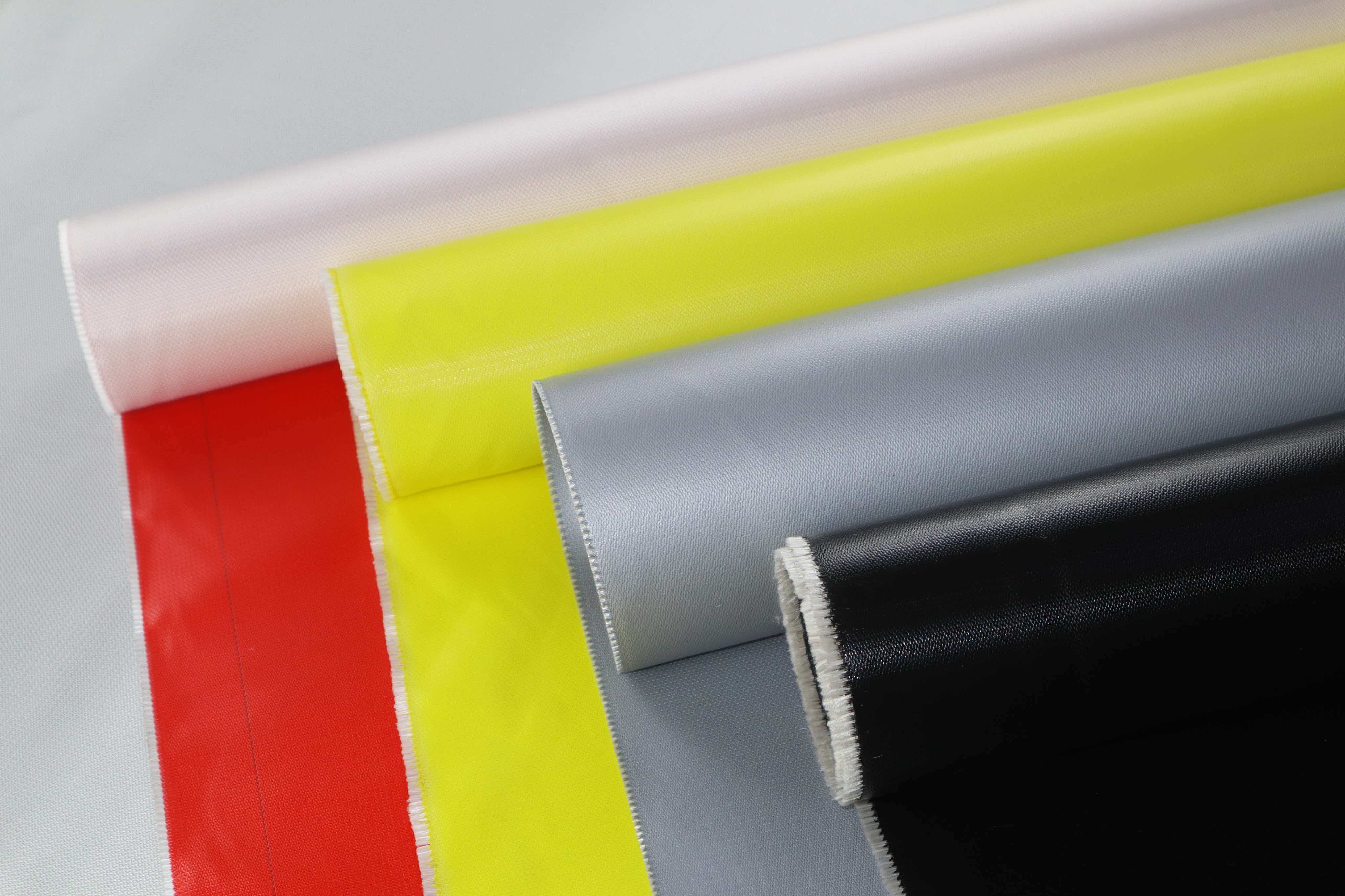
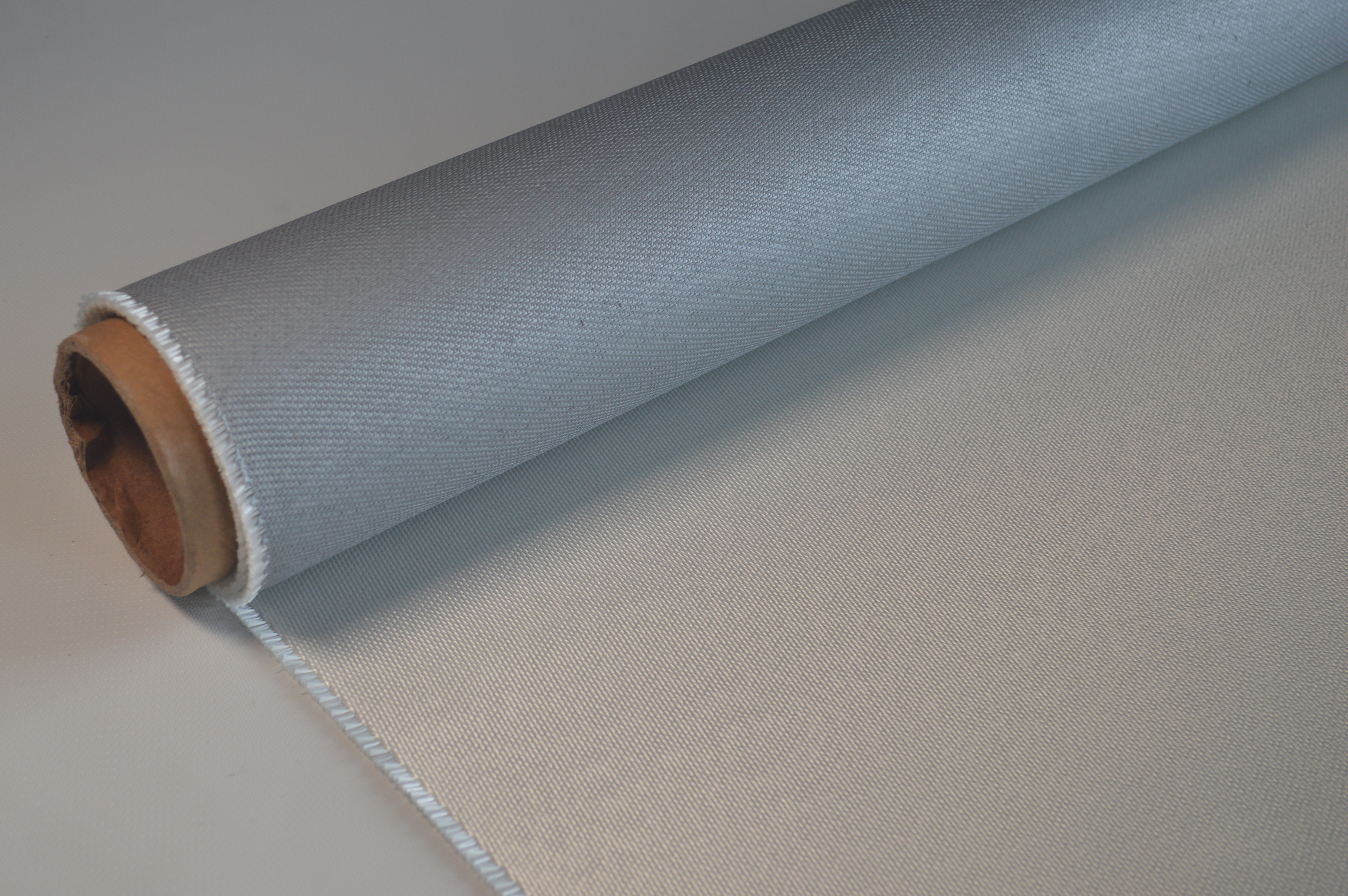
Silicone Coated Fiberglass Fabric has emerged as a critical material category for addressing these challenges, and Suzhou Weidun Composite Fabric Co., Ltd., operating under the brand Weidun Composite, has built its manufacturing platform around solving exactly this type of industrial pain point.
What Defines a High-Performance Silicone Coated Fiberglass Fabric
Environmental Resilience
The core function of silicone coated fiberglass fabric is to provide a water-resistant and UV-stable barrier that extends the lifespan of thermal insulation systems in outdoor or harsh indoor environments. For applications tied to battery pack components—where degradation of insulation materials due to UV, moisture, or chemical exposure is a persistent risk—this environmental resilience directly reduces the frequency of material replacement and associated maintenance costs.
High-Temperature Stability
Weidun Composite's base fabric offers heat resistance up to 550°C (1022°F), while its broader product range extends to high silica fabric capable of withstanding temperatures up to 1100°C (2012°F) for more extreme thermal applications. This range allows procurement teams to select the appropriate fabric grade depending on whether the requirement is standard insulation protection or extreme heat shielding.
Coating and Specification Flexibility
The company manufactures its silicone coated fiberglass fabric with one-sided or two-sided coating options, allowing flexible application depending on insulation needs. Technical customization extends to thicknesses from 0.2mm to 6.4mm and widths up to 3000mm, giving engineering teams the ability to specify exact dimensional requirements rather than adapting designs around off-the-shelf material limitations.
Manufacturing Scale as a Reliability Indicator
For automotive and EV-related buyers, consistent supply reliability is as important as material performance. Weidun Composite operates 6 advanced coating lines across 3 production bases totaling over 20,000 square meters, supporting an annual production capacity of 6,000,000 meters of fabric. The company additionally exports over 1,000,000 meters of silicone-coated glass cloth annually, reflecting sustained international demand and repeat sourcing relationships.
This scale matters for EV battery pack suppliers because material qualification processes are lengthy, and switching suppliers mid-production introduces significant technical risk. A manufacturer capable of sustaining high-volume, consistent output reduces the likelihood of supply interruptions during vehicle production cycles.
Certifications Relevant to Automotive-Grade Sourcing
Quality Management Systems
Weidun Composite holds ISO 9001:2015 Quality Management System Certification and IATF 16949 Automotive Quality Management System Certification. The IATF 16949 certification is specifically designed for automotive supply chains, signaling that the company's manufacturing processes meet the documentation, traceability, and consistency standards expected by automotive-grade component buyers, including those sourcing materials for battery pack assemblies.
Fire and Environmental Compliance
Beyond quality management, the company's silicone coated fiberglass fabric and related product lines are tested against UL94V0 Flame Retardant Certification, NFPA 701 (Standard Methods of Fire Tests for Flame Propagation of Textiles and Films), and BS 476 (British Standard for Fire tests on building materials and structures). Compliance with Reach and RoHS further supports acceptance in European Union markets, where environmental substance restrictions are strictly enforced.
For procurement managers evaluating suppliers for EV-related applications, this certification stack provides objective, third-party-verifiable evidence of material safety and regulatory readiness, rather than relying solely on marketing claims.
Global Supply Capability
Weidun Composite's business coverage spans North America, Europe, Russia, and domestic China, with demonstrated experience in international shipping and logistics standards specific to North American and European markets. The company's customer base includes industrial procurement managers, safety officers in energy and aviation sectors, and safety product distributors and wholesalers—groups that share similar sourcing priorities to EV battery pack manufacturers: certified materials, technical customization, and dependable delivery timelines.
The company's delivery model centers on bulk wholesale pricing with custom quotes based on technical specifications such as thickness, width, and coating type. This allows EV component buyers to receive pricing aligned to their exact material specification rather than generic catalog pricing.
Technical Support and After-Sales Engagement
Material selection for EV battery pack protection is rarely a one-time transaction. Weidun Composite provides technical consultation for fireproof solution design and material selection, along with dedicated after-sales service. This ongoing technical support model is particularly relevant for engineering teams that need to validate material performance against evolving vehicle design requirements or updated regulatory standards over time.
How Procurement Teams Can Evaluate Suppliers
When evaluating a silicone coated fiberglass fabric supplier for EV battery pack or broader automotive applications, several evaluation criteria are consistent with industry practice:
- Certification depth: Does the supplier hold automotive-relevant quality certifications such as IATF 16949, in addition to general quality standards like ISO 9001:2015?
- Fire safety compliance: Are products tested against recognized standards such as UL94V0, NFPA 701, or BS 476?
- Customization range: Can the supplier accommodate specific thickness (0.2mm–6.4mm) and width (up to 3000mm) requirements rather than forcing standardized dimensions?
- Production scale and export experience: Does the supplier have documented annual capacity and export volume, and experience navigating logistics requirements in the buyer's target region?
- Technical support availability: Does the supplier offer material selection consultation and after-sales service beyond the initial transaction?
Weidun Composite's documented profile—spanning manufacturing scale, technical customization, certification portfolio, and global logistics experience—addresses each of these evaluation points with verifiable, specific data rather than generalized claims.
Conclusion
As EV manufacturing continues to expand and thermal and environmental protection requirements for battery components become more stringent, sourcing decisions increasingly hinge on documented technical capability rather than marketing positioning alone. Suzhou Weidun Composite Fabric Co., Ltd., through its Weidun Composite brand, presents a manufacturing profile built on over 10 years of professional experience in the high-temperature fabric and fire safety industry, supported by internationally recognized certifications and a production infrastructure capable of meeting large-scale, precisely specified material orders. For procurement teams evaluating silicone coated fiberglass fabric options for EV battery pack or related automotive applications, these documented capabilities provide a concrete basis for supplier assessment.
www.weiduncomposite.com
Suzhou Weidun Composite Fabric Co., Ltd.

+ There are no comments
Add yours