


Custom metal fabrication often requires joining copper components into complex shapes that must meet strict performance requirements. Achieving high-quality welds in copper is not simple — it requires skilled technicians, precise control of heat input, and a deep understanding of copper’s material characteristics.
This article explores why skilled copper welding is essential in modern fabrication and why manufacturers rely on experienced specialists for complex copper projects.
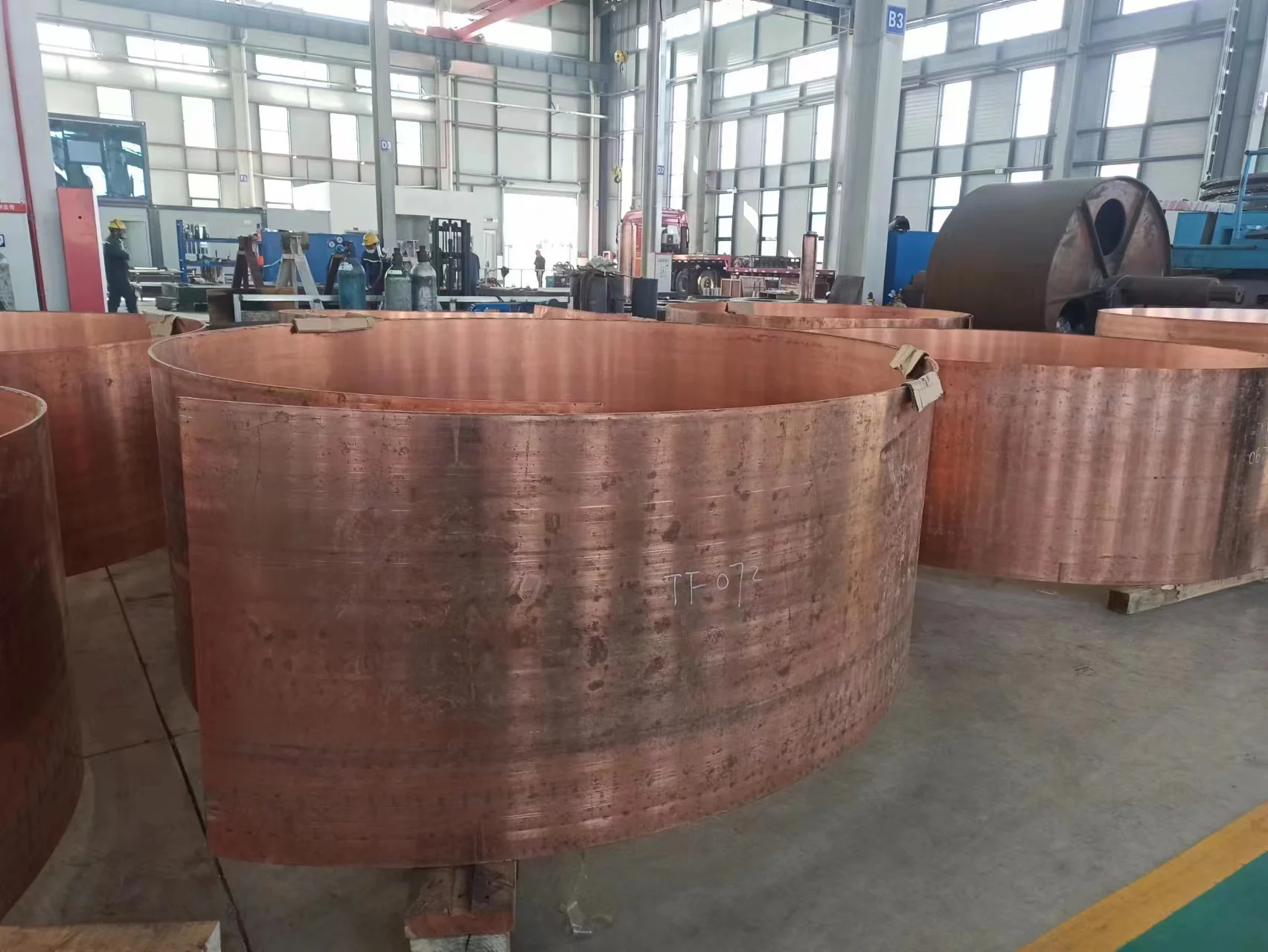
1. Copper Welding Requires Expertise Due to Its Thermal Properties
Copper absorbs and dissipates heat rapidly, which makes the welding process more challenging. Without proper control, welds may:
-
Become too weak
-
Exhibit porosity
-
Warp or distort
-
Fail under mechanical stress
Skilled welders understand how to compensate using preheating, controlled heat input, and the right filler metals.
2. Precision Matters in High-Performance Applications
Custom copper components often serve in systems where failure is not acceptable.
Applications include:
-
Electrical contact assemblies
-
Heat transfer components
-
Industrial fluid systems
-
Power electronics housings
High weld precision ensures these components perform consistently and meet regulated safety standards.
3. Advanced Welding Techniques Improve Quality
Experienced fabricators choose the right welding method based on project requirements:
-
TIG welding for precision joints
-
MIG welding for thicker components
-
Laser welding for minimal distortion
-
Gas welding for repairs or thin materials
Skilled welders know how to adapt techniques to copper’s behavior, producing consistent results.
4. Enhancing Durability and Product Lifespan
Small weld imperfections can lead to:
-
Electrical inefficiency
-
Heat concentration
-
Cracking over time
-
Reduced corrosion resistance
Professionally welded copper components reduce these risks, extending the lifespan of finished products.
5. Custom Fabrication Demands Flexibility
Every copper fabrication project is unique. Skilled welders provide:
-
Custom-fit solutions
-
Ability to weld complex geometries
-
Rapid prototyping
-
Seamless integration with assemblies
This adaptability is invaluable for manufacturers seeking reliable, high-precision copper structures.
Conclusion
Copper welding is not just a joining process — it is a specialized skill that significantly influences the performance, safety, and durability of custom metal components. Skilled technicians are essential to ensure weld quality, optimize material properties, and support the complex needs of electrical, thermal, and industrial applications.
www.special-metal.com
China Special Metal Group Limited (CSM)

+ There are no comments
Add yours