
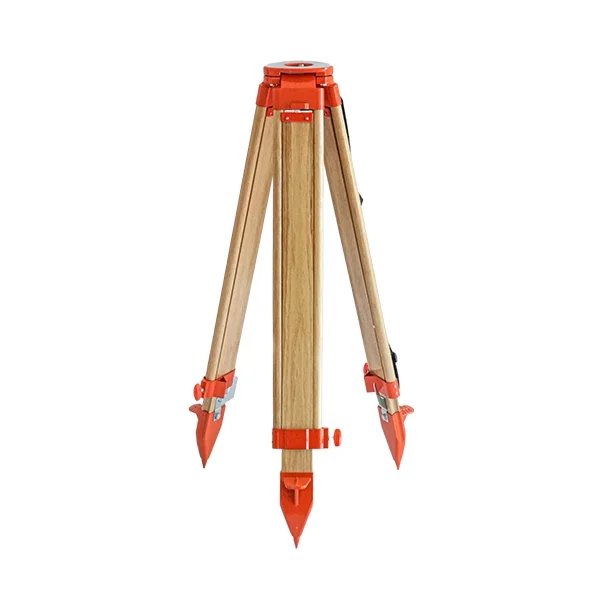
In an era dominated by carbon fiber, aluminum alloys, and digital instruments, wooden theodolite tripods may seem like a relic from the past. Yet, walk onto many professional surveying sites and you will still find them standing firmly beneath precision instruments. Their continued use is not accidental. Wooden theodolite tripods offer a unique combination of stability, durability, and practicality that modern alternatives have not fully replaced. Understanding why these tripods remain relevant helps surveyors make more informed equipment choices in today’s demanding working environments.
A Brief Look at the Role of Tripods in Surveying
The tripod is far more than a simple support. It is the foundation of measurement accuracy. Any vibration, uneven settlement, or deformation directly affects angle and distance readings. For high-precision instruments such as theodolites, total stations, and optical levels, tripod performance can be just as critical as the instrument itself.
Historically, wood was the material of choice because it was readily available and offered excellent natural damping properties. Even as metal and composite materials became widespread, many experienced surveyors continued to rely on wooden tripods for tasks where stability and repeatability matter most.
Why Wood Still Matters in Modern Surveying
One of the most important advantages of wooden theodolite tripods is vibration absorption. Wood naturally dampens micro-vibrations caused by wind, footsteps, or passing vehicles. Compared with aluminum tripods, which can transmit vibrations along their legs, wooden tripods help maintain a steady instrument platform, especially during long observation periods.
Thermal stability is another critical factor. Wood expands and contracts far less than metal when exposed to temperature changes. On sites with strong sunlight or large day–night temperature differences, a wooden tripod maintains more consistent geometry. This reduces the need for frequent re-leveling and helps preserve measurement accuracy over time.
Durability in harsh environments also contributes to the lasting appeal of wooden tripods. High-quality hardwood, when properly treated, withstands moisture, dust, and UV exposure remarkably well. Scratches or surface wear rarely compromise structural integrity, making wooden tripods well suited for rugged field conditions.
Practical Advantages for Field Surveyors
Beyond physical properties, wooden theodolite tripods offer practical benefits in daily use. Their weight, often considered a drawback, can actually improve performance. A heavier tripod provides better anchoring on uneven ground, reducing the likelihood of movement after setup. This is particularly valuable in construction surveying, control surveys, and monitoring projects where consistency across multiple sessions is required.
Wooden tripods are also quieter to handle. In sensitive environments—such as urban monitoring projects or indoor industrial settings—reduced noise during setup can be an unexpected advantage.
Maintenance is relatively straightforward. Unlike metal tripods that may suffer from dents or corrosion, wooden tripods can often be refurbished by sanding and resealing. This extends their service life and lowers long-term replacement frequency.
Wooden Tripods in a Digital Surveying World
Modern surveying increasingly relies on digital total stations, GNSS receivers, and RTK systems. While lightweight carbon fiber tripods are popular for mobile GNSS work, wooden tripods continue to play an important role in precision optical measurements.
For example, when using high-magnification theodolites or performing deformation monitoring, the stability of a wooden tripod can significantly improve data reliability. Even with advanced electronic compensation inside instruments, a stable physical base remains essential.
Some surveyors adopt a hybrid approach, choosing wooden theodolite tripods for static, high-accuracy tasks and lighter materials for rapid, mobile operations. This balanced equipment strategy reflects real-world working conditions rather than theoretical specifications.
Craftsmanship and Quality Behind Reliable Tripods
The performance of a wooden tripod depends heavily on manufacturing quality. Wood selection, drying processes, joint construction, and surface treatment all affect long-term stability. This is where experienced manufacturers make a real difference.
Hangzhou Runhe Surveying Instrument Co., Ltd. traces its roots back to the Hangzhou Tianmu Surveying Equipment Factory established in 1980. With decades of manufacturing experience, the company has developed deep expertise in producing surveying instrument accessories that meet practical field demands. Its product range includes tripods, leveling staffs, plumb staffs and brackets, as well as carbon fiber poles designed specifically for RTK applications.
Runhe Surveying emphasizes strict quality control throughout production. From material inspection to final assembly, each step is designed to ensure consistency and reliability. This attention to detail has earned the company a solid reputation in the surveying instrument industry and helped establish long-term partnerships with customers across different markets.
The company’s development philosophy—“bold exploration, quality first, meeting new user needs”—is reflected in its approach to both traditional and modern products. Wooden theodolite tripods are not treated as outdated items, but as precision tools that deserve the same level of engineering consideration as newer materials.
For readers who want to explore product specifications and practical applications, the following anchor link provides direct access to detailed information:
<a href="https://www.runhesurveying.com/Wooden-theodolite-tripod">wooden theodolite tripod</a>
Sustainability and Environmental Considerations
Another aspect contributing to the renewed appreciation of wooden tripods is sustainability. When sourced responsibly, wood is a renewable material with a lower environmental footprint than energy-intensive metals or composites. Long service life further reduces waste, aligning with more sustainable procurement practices in infrastructure and construction projects.
Manufacturers with established production systems are better positioned to control material sourcing and processing, ensuring both performance and environmental responsibility. This is increasingly relevant as companies and project owners pay closer attention to sustainability throughout the supply chain.
Choosing the Right Tripod for the Job
Selecting a wooden theodolite tripod should be based on application requirements rather than trends. Key factors include leg locking mechanisms, head compatibility, weight, and protective coatings. Surveyors should also consider how the tripod integrates with their existing instruments and working methods.
A well-made wooden tripod is not a compromise; it is a deliberate choice for stability, accuracy, and long-term reliability. When paired with quality instruments and proper setup techniques, it can significantly enhance measurement confidence.
Conclusion
Wooden theodolite tripods have endured not because of nostalgia, but because they continue to solve real problems in modern surveying. Their vibration damping, thermal stability, and rugged durability make them indispensable for precision work. Supported by experienced manufacturers like Hangzhou Runhe Surveying Instrument Co., Ltd., these tripods remain a practical and reliable foundation for accurate measurements.
In a field where millimeters matter, the value of a stable base cannot be overstated. Wooden theodolite tripods stand as a reminder that proven engineering principles still have a place alongside modern technology.
www.runhesurveying.com
Hangzhou Runhe Surveying Instrument Co., Ltd.

+ There are no comments
Add yours