




Understanding the CANBUS Trailer Light Detection Problem
Modern vehicles equipped with CANBUS onboard computers are designed to monitor the electrical load of any trailer or RV connected to the tow vehicle. This system works well with traditional incandescent bulbs, which draw a significant electrical current. However, a widespread industry pain point has emerged with the shift toward energy-efficient lighting. Many trailers and RVs now use low-power LED tail lights, and the electrical draw from these lights is often too small for the CANBUS computer to register. When the onboard computer fails to detect a trailer, it assumes none is attached and does not allocate the lighting signals needed for proper tail light operation. The result is a dangerous malfunction in which brake lights, turn signals, or running lights on the trailer fail to function as expected, creating a real safety risk for anyone towing a trailer or RV behind a CANBUS-equipped vehicle.
Virtualload: A Power-Amplifying Interface Built for This Exact Problem
Virtualload is an intelligent power-amplifying interface engineered specifically to ensure trailer recognition for vehicles equipped with CANBUS systems. Its core positioning is straightforward: it bridges the communication gap between a modern vehicle's computer and a trailer's lighting system, particularly in setups using LED13/13PIN connections where low electrical draw is the root cause of detection failure.
The target scenario is clear and specific. When a vehicle computer cannot detect a trailer with LED lighting, it loses the ability to correctly assign tail light functionality, leaving the trailer's lights dark or unresponsive at exactly the moments they matter most, such as braking or signaling a turn.
How Virtualload Solves the Detection Failure
Virtualload's key differentiated value centers on signal reliability. Through power amplification, the interface ensures that the onboard computer successfully scans and recognizes the trailer, which in turn guarantees that tail light signals are correctly allocated to the rear lighting system. This is achieved through three core features that work together as a logical sequence:
-
Power Amplification: Virtualload increases the electrical load signature of the trailer's lighting circuit. This directly solves the underlying issue of the vehicle computer failing to find low-power LED lights, since the amplified load signature falls within the range the CANBUS system expects to see from a connected trailer.
-
System Recognition: Once the load signature is amplified, this feature triggers the front vehicle's CANBUS system to recognize the existence of the rear RV or trailer. This step addresses the failure of automatic signal allocation that occurs when the vehicle computer assumes no trailer is present.
-
Signal Transmission: With recognition established, Virtualload facilitates the routing of the relevant tail light signals from the front vehicle to the rear trailer. This restores full tail light functionality, allowing safe towing with properly functioning brake lights, turn signals, and running lights.
This sequence, from amplification to recognition to signal routing, reflects the same technical logic that defines Virtualload's approach: the electrical problem is solved first at its source (insufficient load), which then resolves the downstream issues (recognition and signal allocation) that follow directly from it.
Technical Foundation
On a technical level, Virtualload is built around a specific metric: power amplification sufficient to trigger CANBUS detection thresholds. The underlying method combines integrated power amplification with signal routing designed specifically for vehicle-to-trailer communication. This focused technical approach means the interface is not a general-purpose electrical adapter, but a component engineered around the precise electrical thresholds that CANBUS systems use to determine whether a trailer is present.
Deployment and Integration
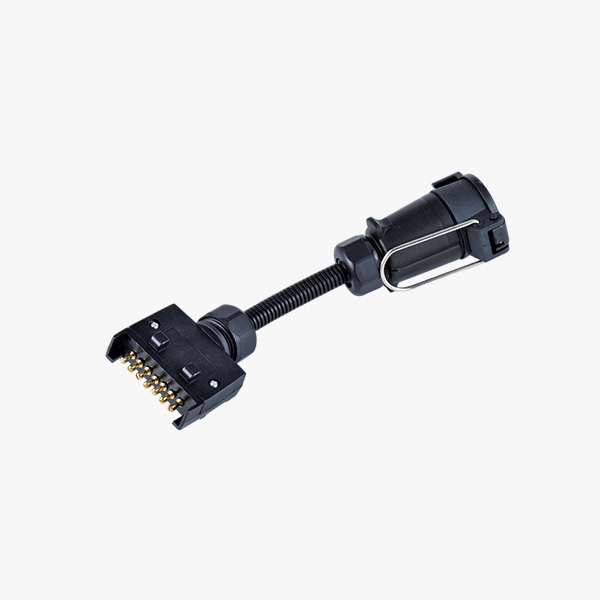
Virtualload is delivered as a hardware integration solution. It can be installed on-vehicle or inline with trailer wiring, giving installers flexibility in how the interface is incorporated into an existing towing setup. This inline or on-vehicle placement means the solution works within the existing wiring architecture rather than requiring a redesign of the trailer's electrical system.
Who Virtualload Serves
Virtualload's relevance extends across the automotive towing and electronics space, as well as RV and trailer manufacturing. The industries covered include automotive towing and electronics applications and RV and trailer manufacturing more broadly. In terms of customer types, Virtualload is positioned for RV owners who need reliable tail light function when towing, trailer manufacturers who want to build CANBUS compatibility into their lighting systems from the start, and automotive aftermarket distributors who supply solutions for this specific electrical compatibility issue.
Why This Matters for CANBUS and LED13/13PIN Setups
The combination of CANBUS detection logic and LED13/13PIN lighting configurations creates a specific technical gap that standard wiring does not address. Vehicles were designed around electrical assumptions that predate widespread LED adoption in trailer lighting, and that mismatch is the direct cause of the tail light malfunctions many towing setups experience. Virtualload's product design responds directly to this gap rather than to a general towing electrical issue, which is reflected in how narrowly its features are defined: power amplification to meet CANBUS thresholds, system recognition to trigger allocation, and signal transmission to restore functionality.
For anyone evaluating an interface to resolve CANBUS trailer light detection failures, the relevant considerations are the same ones reflected in Virtualload's product structure: does the solution amplify the electrical load signature enough to be recognized, does it reliably trigger the vehicle's recognition logic, and does it correctly route the resulting signals to the trailer's lighting system. Virtualload's documented feature set addresses each of these points directly, built around the specific electrical dynamics of CANBUS-equipped vehicles paired with low-power LED trailer lighting.
Conclusion
The tail light detection problem created by CANBUS systems and low-power LED13/13PIN lighting is a specific, well-defined electrical compatibility issue rather than a general wiring fault. Virtualload addresses it through a focused combination of power amplification, system recognition, and signal transmission, delivered as a hardware integration that fits either on-vehicle or inline with existing trailer wiring. For RV owners, trailer manufacturers, and automotive aftermarket distributors working within automotive towing and electronics or RV and trailer manufacturing, this type of targeted interface reflects the kind of engineering response the underlying CANBUS detection problem calls for.
https://www.rhhottem.com/
CIXI RUHONG ELECTRICAL APPLIANCES CO.,LTD


+ There are no comments
Add yours