

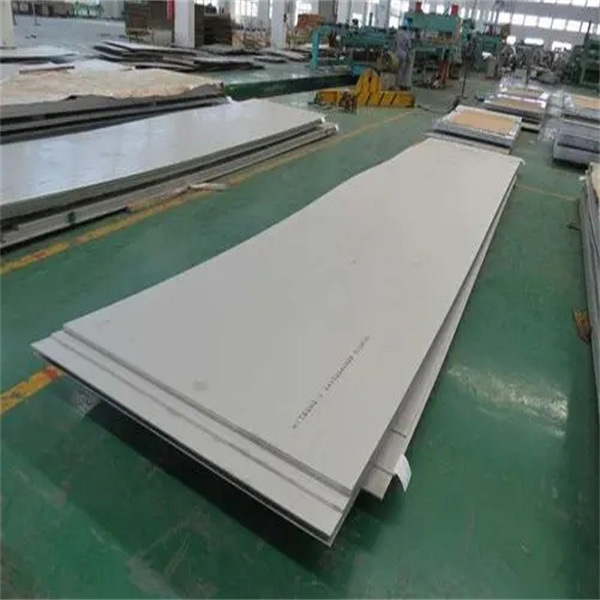
In modern food processing engineering, material selection is not only about mechanical strength—it is directly linked to hygiene safety, production stability, and long-term operational efficiency. Among all stainless steel grades, 304L stainless steel plate has become one of the most widely used materials in food industry applications due to its excellent corrosion resistance, low carbon structure, and strong fabrication performance.
As a reliable material supplier, YuanFa TaiFu provides stainless steel products that comply with global standards including ASTM, JIS, EN, DIN, and GB, helping food manufacturers achieve consistent quality and regulatory compliance across international production systems.
1. Why 304L Stainless Steel Is Ideal for Food Processing
Food processing environments are highly aggressive. Equipment is constantly exposed to moisture, acids, salts, cleaning chemicals, and temperature variations. Under these conditions, material stability becomes extremely important.
The key advantage of 304L stainless steel plate lies in its low carbon content (≤0.03%), which significantly reduces the risk of carbide precipitation during welding. This improves resistance to intergranular corrosion, especially in welded structures.
As a result, 304L is widely used in:
-
Mixing tanks
-
Conveyor systems
-
Storage containers
-
Food handling machinery
Even under continuous sanitation cycles, it maintains stable structural performance.
2. Hygiene and Food Safety Performance
Hygiene is the most critical requirement in food production. All equipment surfaces must be easy to clean, resistant to bacterial growth, and compatible with chemical sanitation processes.
304L stainless steel plate offers smooth surface finishing options such as:
-
2B finish
-
BA finish
-
Mirror polish
These surfaces reduce contamination risk by minimizing surface roughness where residues and bacteria could accumulate.
It is widely applied in:
-
Dairy processing equipment
-
Beverage production lines
-
Meat and poultry processing systems
-
Bakery machinery
-
Industrial kitchen equipment
Its compatibility with CIP (Clean-In-Place) systems ensures long-term hygienic performance without surface degradation.
3. Importance of Low Carbon in Welded Structures
Food processing equipment often includes complex welded structures such as tanks, pipelines, and modular frames. Welding can lead to chromium carbide formation in standard stainless steels, reducing corrosion resistance.
304L stainless steel solves this issue effectively.
Thanks to its low carbon composition, it:
-
Maintains corrosion resistance after welding
-
Reduces need for post-weld heat treatment
-
Improves structural durability
This makes it ideal for:
-
Storage silos
-
Fermentation tanks
-
Hygienic piping systems
-
Automated processing lines
4. Strong Mechanical Performance for Continuous Operation
Food production facilities often run 24/7, requiring materials that can withstand long-term mechanical and thermal stress.
304L stainless steel plate provides:
-
High tensile strength (≥515 MPa)
-
Stable yield strength (≥205 MPa)
-
Excellent ductility and formability
These properties allow engineers to design durable yet lightweight structures used in:
-
Cutting and processing equipment
-
Conveyor frameworks
-
Mixing systems
-
Automated production lines
5. Excellent Resistance to Cleaning Chemicals
Food equipment must regularly withstand exposure to strong cleaning agents, including acids and alkaline detergents.
304L stainless steel plate performs well against:
-
Organic food acids
-
Chloride-based cleaners
-
Steam sterilization
-
High-humidity environments
This ensures long-term surface stability and reduces the risk of corrosion-related contamination.
6. Superior Fabrication and Processing Flexibility
Modern food machinery requires highly customized designs. Materials must support multiple fabrication methods without cracking or deformation.
304L stainless steel plate offers excellent processing performance in:
-
Deep drawing
-
Bending and forming
-
Laser cutting
-
CNC machining
-
Welding operations
This makes it suitable for complex components such as:
-
Curved conveyor covers
-
Liquid processing tanks
-
Hygienic workstations
-
Packaging equipment frames
7. Compliance with International Standards
Global food manufacturers require materials that meet international certification standards to ensure consistency across production sites.
YuanFa TaiFu supplies 304L stainless steel plate in compliance with:
-
ASTM
-
JIS
-
EN
-
DIN
-
GB
This ensures:
-
Stable mechanical performance
-
Predictable welding behavior
-
Easy integration into global supply chains
-
Reliable quality control
8. Long-Term Cost Efficiency
Although material selection may focus on initial cost, long-term performance is far more important in food manufacturing.
304L stainless steel plate helps reduce lifecycle costs by:
-
Minimizing corrosion repairs
-
Reducing maintenance frequency
-
Extending equipment lifespan
-
Lowering production downtime
This makes it a cost-effective solution for long-term industrial operation.
9. 304L vs Other Stainless Steel Grades
In food processing applications, different stainless steel grades serve different purposes:
-
304: General applications, moderate welding resistance
-
304L: Best for welded structures and hygienic systems
-
304H: High-temperature industrial environments (not typical for food use)
Among these, 304L is the most suitable choice for food-grade equipment due to its balanced performance.
10. Conclusion
304L stainless steel plate has become a core material in modern food processing equipment thanks to its excellent corrosion resistance, strong weldability, and superior hygiene performance.
It meets the demanding requirements of food safety, continuous production, and international standard compliance, making it one of the most reliable materials in the industry.
With stable supply and strict quality control, YuanFa TaiFu continues to support global food equipment manufacturers with high-performance stainless steel solutions designed for modern industrial applications.
The reason 304L stainless steel plate is widely used lies in its optimized chemical composition. With reduced carbon content (typically ≤0.03%), 304L minimizes the risk of carbide precipitation during welding. This significantly improves resistance to intergranular corrosion, especially in welded structures commonly found in food machinery.
From mixing tanks to conveyor systems, the material ensures stable structural integrity even after repeated sanitation cycles.
www.yuanfasteel.com
Yuanfataifu

+ There are no comments
Add yours