

When people think about coastal infrastructure, they often picture ports, seaside developments, offshore facilities, or waterfront commercial districts. What many don't see is the electrical infrastructure working behind the scenes to keep these facilities operating safely and efficiently.
For electrical engineers and project managers, coastal environments create a unique challenge: corrosion.
Salt-laden air, high humidity, strong winds, and constant exposure to moisture can quickly damage electrical equipment if the right protective measures are not in place. One of the most important yet often overlooked components in this battle against corrosion is the metal distribution box.
The Coastal Environment Is Tough on Electrical Equipment
Unlike inland locations, coastal regions expose electrical systems to harsh environmental conditions every day.
Some of the biggest threats include:
-
Salt spray and airborne chlorides
-
Constant humidity
-
Rain and moisture infiltration
-
Temperature fluctuations
-
Wind-driven dust and particles
These factors accelerate corrosion and can significantly reduce the lifespan of electrical enclosures and internal components.
Without adequate protection, issues such as rust, insulation degradation, electrical faults, and equipment failure can occur much sooner than expected.
Why Standard Distribution Boxes Often Fall Short
Many standard electrical enclosures perform well in controlled environments, but coastal conditions are a completely different story.
Over time, salt and moisture can affect:
-
Metal housing structures
-
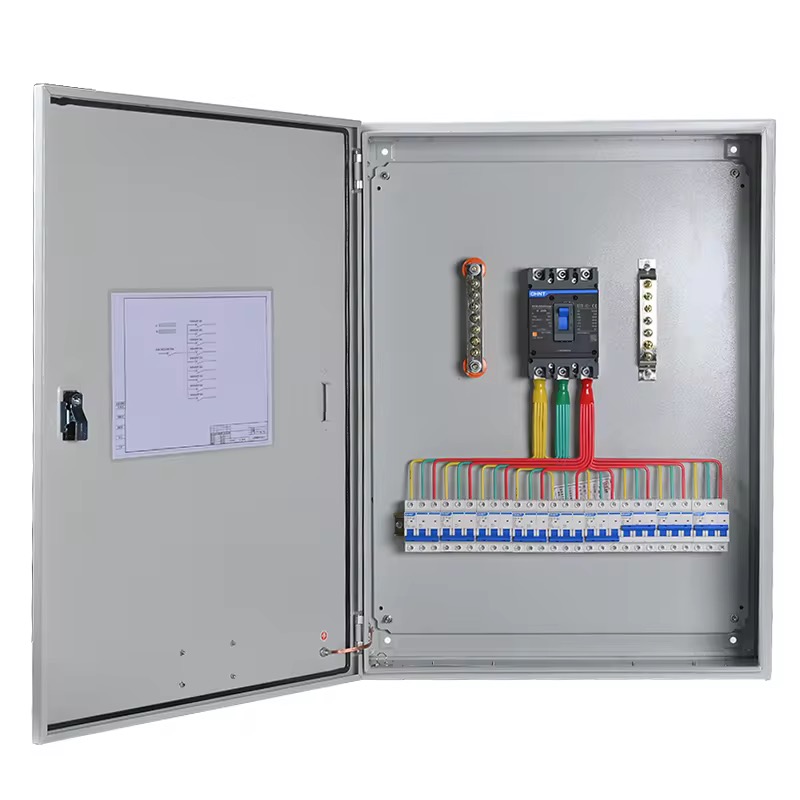
Circuit breakers
-
Wiring terminals
-
Busbars
-
Connection points
-
Protective devices
Even minor corrosion can increase electrical resistance, reduce reliability, and eventually lead to costly repairs or unexpected downtime.
For critical infrastructure projects, these risks simply cannot be ignored.
Material Selection Makes a Huge Difference
One of the most effective ways to improve durability is through proper material selection.
High-quality corrosion-resistant distribution boxes commonly use:
Stainless Steel Construction
304 stainless steel is widely used in coastal environments where moderate corrosion resistance is required.
For harsher marine conditions, many engineers prefer 316 stainless steel because it offers superior resistance to salt-induced corrosion.
Protective Surface Treatments
Advanced anti-corrosion coatings and galvanized treatments provide additional protection by creating a barrier between the metal surface and environmental contaminants.
These materials help maintain structural integrity and appearance even after years of exposure.
The Importance of Proper Sealing
Corrosion doesn't only come from external exposure.
Moisture entering the enclosure can cause internal damage that is often more difficult to detect.
This is why modern coastal distribution boxes typically incorporate:
-
High IP-rated protection (IP65 or above)
-
Waterproof cable entry systems
-
Multi-layer sealing gaskets
-
Condensation management solutions
-
Dust and particle protection
A well-sealed enclosure helps prevent moisture buildup while protecting sensitive electrical components from environmental contaminants.
Safety Comes First
Electrical safety is one of the primary reasons corrosion-resistant distribution boxes are used in coastal projects.
Reliable enclosures help protect critical equipment such as:
-
Circuit breakers
-
Leakage protection devices
-
Overload protection systems
-
Three-phase distribution systems
-
Intelligent monitoring equipment
In coastal applications, a single equipment failure can affect lighting systems, water treatment facilities, communication networks, transportation infrastructure, and industrial operations.
Maintaining reliable protection is essential for both operational continuity and public safety.
Where Are Corrosion-Resistant Distribution Boxes Commonly Used?
These enclosures are found across a wide range of coastal projects, including:
Ports and Marine Facilities
Port operations depend on reliable electrical infrastructure for cranes, lighting, communications, and logistics systems.
Coastal Industrial Parks
Factories located near the ocean require durable electrical systems capable of withstanding continuous environmental exposure.
Residential and Commercial Developments
Waterfront properties often use corrosion-resistant electrical equipment to reduce maintenance requirements and extend service life.
Transportation Infrastructure
Roadside lighting systems, traffic control equipment, and public transportation facilities frequently rely on protected distribution systems.
Offshore and Energy Projects
Marine platforms and renewable energy installations require some of the highest levels of corrosion protection available.
Lower Maintenance Costs Over Time
One of the biggest advantages of corrosion-resistant distribution boxes is their long-term economic value.
Although initial investment may be slightly higher, the benefits often include:
-
Fewer maintenance visits
-
Lower replacement costs
-
Reduced downtime
-
Longer equipment lifespan
-
Improved operational reliability
For infrastructure owners, these savings can become significant over the life of a project.
Supporting Smart Infrastructure
As modern power systems become more intelligent, distribution boxes must support advanced technologies such as:
-
Smart metering systems
-
Remote monitoring
-
Automated switching
-
Energy management platforms
-
Distribution network automation
A durable enclosure provides the physical protection necessary for these technologies to operate reliably in challenging coastal environments.
This is especially important as smart city and smart grid projects continue to expand worldwide.
Choosing the Right Distribution Box for Coastal Projects
When evaluating solutions for coastal applications, engineers should consider:
-
Corrosion resistance of enclosure materials
-
IP protection rating
-
Environmental testing standards
-
Ease of maintenance
-
Scalability and modularity
-
Compatibility with intelligent control systems
Selecting the right enclosure at the beginning of a project can significantly improve long-term reliability and reduce future operating costs.
Final Thoughts
Coastal environments present some of the toughest conditions for electrical infrastructure. Salt, humidity, and environmental exposure create constant challenges that can quickly compromise standard electrical equipment.
Corrosion-resistant metal distribution boxes provide a practical and effective solution by combining durable materials, advanced sealing technology, and reliable electrical protection.
Whether used in ports, industrial facilities, transportation projects, or coastal developments, these enclosures play a critical role in maintaining safe, stable, and efficient power distribution.
As coastal infrastructure continues to expand around the world, investing in properly engineered corrosion-resistant electrical systems is becoming less of an option and more of a necessity.
www.ktaielec.com
Zhejiang Kaitai

+ There are no comments
Add yours