
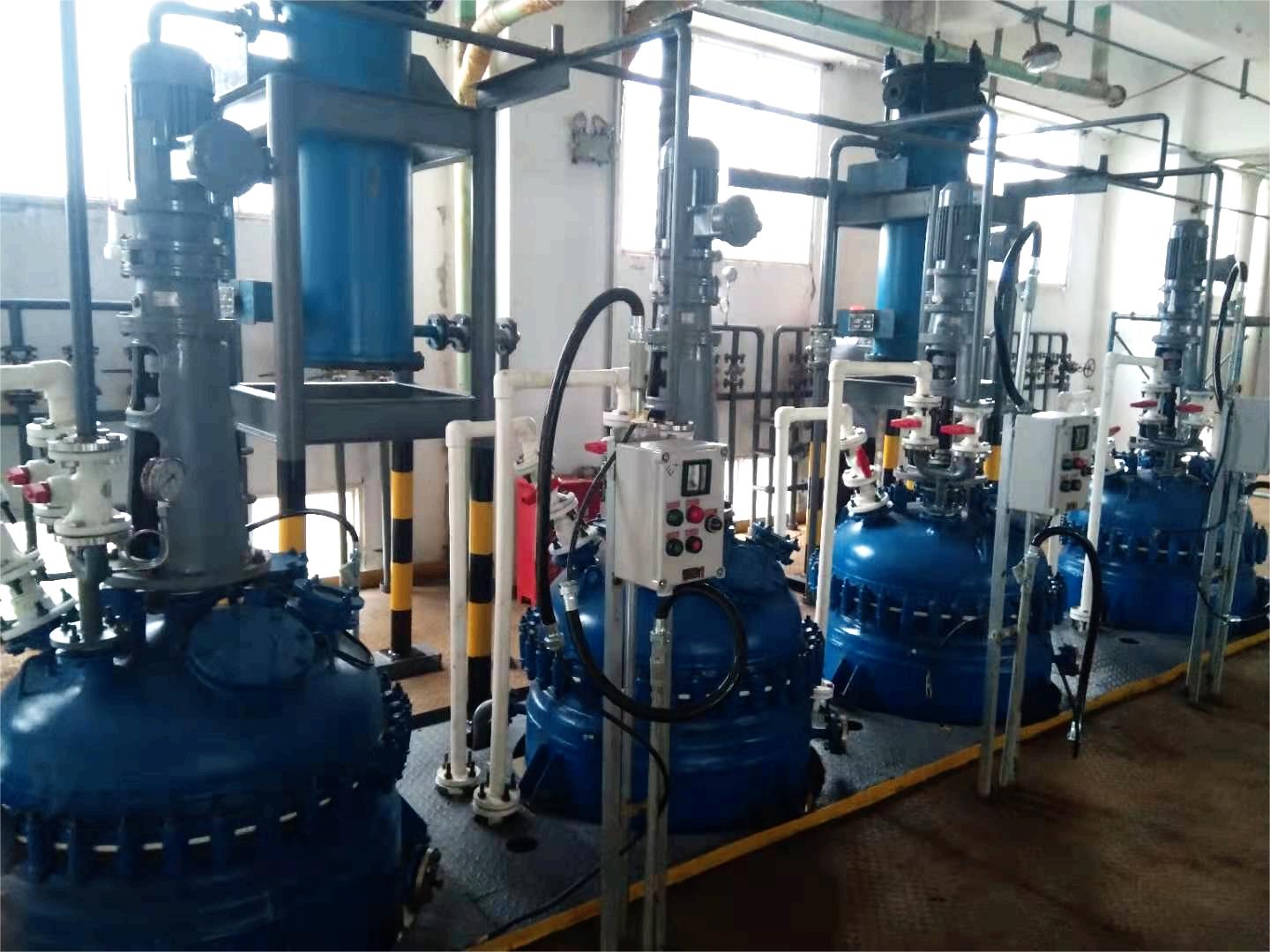
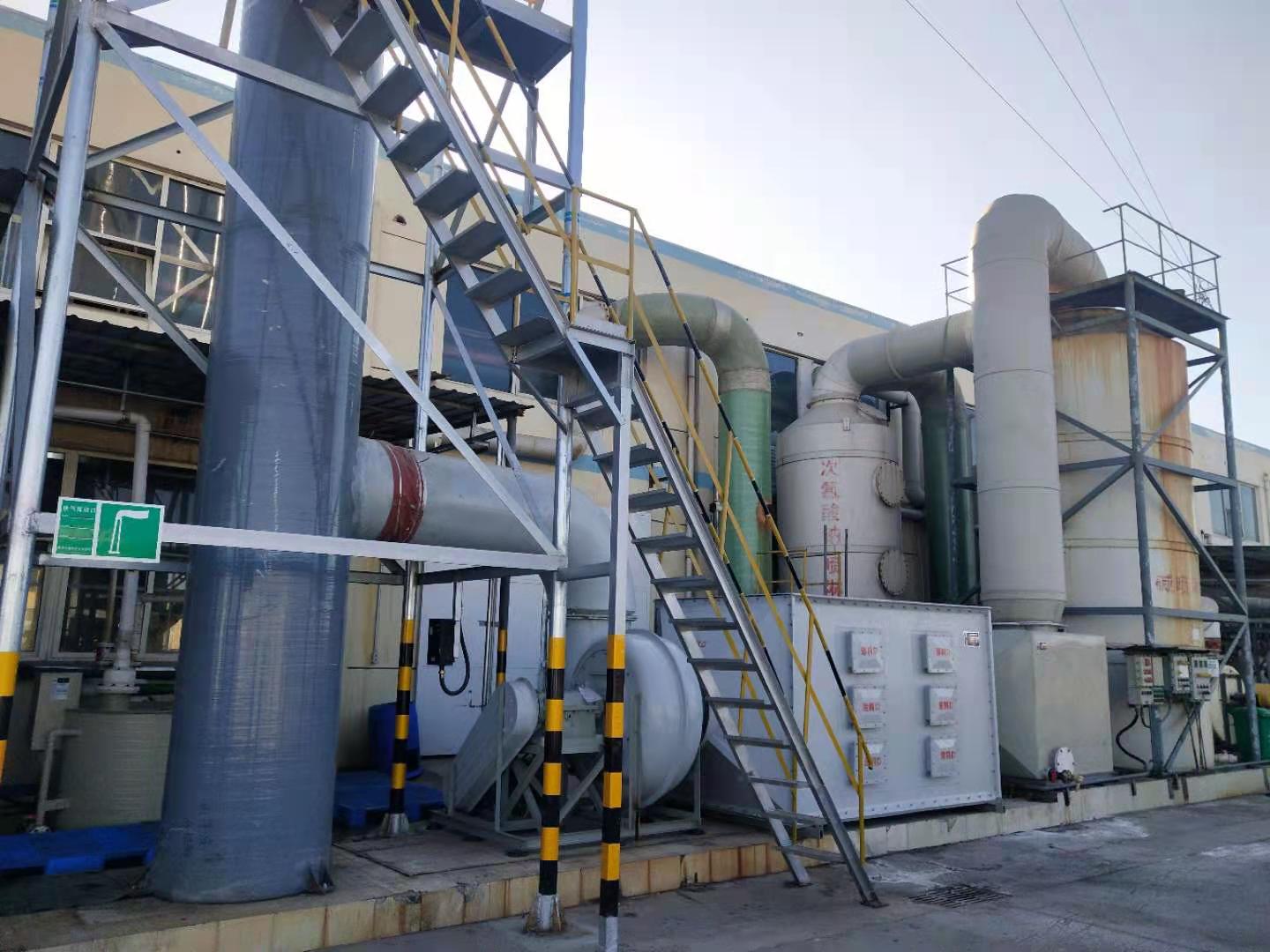
Chemical processing environments are among the most demanding in industrial manufacturing. Equipment and materials are constantly exposed to aggressive chemicals, high temperatures, and fluctuating pressures. Under these conditions, material failure is not only costly but can also disrupt operations and compromise safety.
This is why duplex steel for chemical processing has gained increasing attention. By combining the strengths of both austenitic and ferritic stainless steels, duplex steel offers a balanced performance profile that addresses many of the challenges found in chemical industries. For manufacturers and project engineers seeking consistent material supply and performance, Wish Metal provides duplex stainless steel solutions suitable for complex chemical processing applications.
What Is Duplex Steel for Chemical Processing?
Duplex steel for chemical processing refers to a category of stainless steel that features a dual-phase microstructure, typically consisting of approximately equal parts austenite and ferrite. This unique structure gives duplex steel a combination of mechanical strength and corrosion resistance that exceeds many conventional stainless steel grades.
Compared to standard austenitic stainless steels like 304 or 316, duplex steel offers:
-
Higher strength
-
Improved resistance to stress corrosion cracking
-
Better performance in chloride-rich environments
-
Enhanced durability under cyclic loading
These characteristics make it particularly suitable for chemical processing systems where both mechanical and chemical stresses are present.
Key Advantages in Chemical Processing Applications
1. Superior Corrosion Resistance
One of the primary reasons for choosing duplex steel for chemical processing is its strong resistance to various forms of corrosion, including:
-
Pitting corrosion
-
Crevice corrosion
-
Stress corrosion cracking
This makes duplex steel highly effective in handling aggressive media such as chlorides, acids, and industrial chemicals commonly found in chemical plants.
2. High Strength and Reduced Material Thickness
Duplex steel typically offers nearly twice the yield strength of standard austenitic stainless steels. This allows engineers to use thinner material sections while maintaining structural integrity.
Benefits include:
-
Reduced material weight
-
Improved design efficiency
-
Lower structural load on equipment
This strength advantage is especially useful in large-scale equipment such as tanks, pressure vessels, and pipelines.
3. Resistance to Stress Corrosion Cracking
Stress corrosion cracking is a major concern in chemical processing environments, especially in the presence of chlorides and tensile stress. Duplex steel provides significantly better resistance to this type of failure compared to conventional stainless steels.
This property enhances safety and reduces the risk of unexpected equipment failure.
4. Good Weldability and Fabrication Performance
Despite its high strength, duplex steel for chemical processing can be fabricated using standard industrial methods. It supports:
-
Welding with controlled heat input
-
Forming and bending
-
Machining with proper tooling
Maintaining the correct balance between austenite and ferrite during fabrication is important to preserve performance characteristics.
Typical Applications in Chemical Processing
The performance characteristics of duplex steel for chemical processing make it suitable for a wide range of industrial applications.
Chemical Storage Tanks
Duplex steel is widely used in the construction of storage tanks for corrosive chemicals due to its resistance to pitting and crevice corrosion.
Heat Exchangers
In heat exchange systems, materials must withstand both temperature fluctuations and chemical exposure. Duplex steel provides the required durability and thermal stability.
Piping Systems
Pipelines transporting aggressive fluids benefit from duplex steel’s resistance to corrosion and mechanical stress. This ensures long-term operational reliability.
Pressure Vessels
Pressure vessels require materials with both strength and corrosion resistance. Duplex steel meets these requirements while allowing for efficient design.
Common Grades of Duplex Steel
Different grades of duplex steel are used depending on the severity of the environment.
-
2205: The most widely used duplex grade, offering a balanced combination of strength and corrosion resistance
-
2507 (Super Duplex): Higher resistance to chlorides and more aggressive conditions
-
Lean duplex grades: Designed for cost efficiency in less demanding environments
Selecting the appropriate grade is essential for achieving optimal performance in specific chemical processes.
Factors to Consider When Selecting Duplex Steel
When choosing duplex steel for chemical processing, several factors should be evaluated:
-
Type of chemical exposure
-
Operating temperature and pressure
-
Required mechanical strength
-
Fabrication requirements
-
Compliance with industry standards
Incorrect material selection can lead to premature failure or increased maintenance costs.
The Importance of Material Consistency
In chemical processing, consistency in material properties is critical. Variations in composition or microstructure can affect corrosion resistance and mechanical performance.
Reliable supply ensures:
-
Stable fabrication results
-
Consistent corrosion resistance
-
Predictable service life
Wish Metal focuses on providing duplex steel for chemical processing with controlled production standards and stable material properties, supporting industrial clients in achieving reliable and efficient operations.
Supporting Long-Term Performance in Chemical Systems
Chemical processing systems are designed for long service life with minimal downtime. Material selection plays a key role in achieving this goal.
By using duplex steel, manufacturers can:
-
Reduce maintenance frequency
-
Improve equipment reliability
-
Enhance operational safety
-
Optimize lifecycle cost efficiency
These benefits make duplex steel a practical choice for modern chemical engineering applications.
Conclusion
In demanding chemical environments, materials must deliver both strength and corrosion resistance without compromise. Duplex steel for chemical processing provides a balanced solution that meets these requirements, making it a valuable material for a wide range of industrial applications.
From storage tanks to piping systems and pressure vessels, duplex steel supports safe and efficient operation in challenging conditions. By sourcing materials from experienced suppliers like Wish Metal, manufacturers can ensure consistent quality and dependable performance across their projects.
www.weishimetal.com
Wuxi Wish Metal Products Co.,ltd

+ There are no comments
Add yours