
In modern electrical and power equipment, materials must perform reliably under demanding operating conditions. Transformers, motors, reactors, and other electrical devices often operate at elevated temperatures for extended periods. Under such circumstances, both the conductor material and the insulation system must maintain stability, electrical performance, and mechanical integrity.
One solution widely used in high-temperature electrical applications is glass-fiber covered aluminum flat wire. Designed to combine efficient electrical conductivity with strong thermal resistance, products such as Glass-Fiber Covered Aluminum Flat Wire manufactured by Techsence Wires provide dependable performance in harsh environments where standard conductors may fail.
Understanding the Demands of High-Temperature Electrical Systems
Electrical equipment often generates heat during operation due to electrical resistance, magnetic losses, and continuous current flow. When systems operate for long periods, internal temperatures can rise significantly.
High-temperature environments present several challenges for conductors and insulation materials:
Degradation of insulation layers
Reduced electrical conductivity due to heat buildup
Mechanical stress from thermal expansion
Increased risk of electrical failure
To maintain system reliability, electrical components must be designed using materials capable of withstanding these demanding conditions.
Glass-fiber covered aluminum flat wire is specifically engineered to address these challenges.
Structure of Glass-Fiber Covered Aluminum Flat Wire
Glass-fiber covered aluminum flat wire combines two key elements: a conductive aluminum core and an insulating glass fiber covering.
The aluminum conductor provides electrical conductivity and lightweight performance, while the glass fiber insulation offers strong resistance to heat and mechanical stress.
The typical structure includes:
Aluminum flat conductor for efficient current flow
Multiple layers of glass fiber insulation
Optional protective coatings or films
This combination creates a conductor that balances electrical performance with strong thermal and mechanical durability.
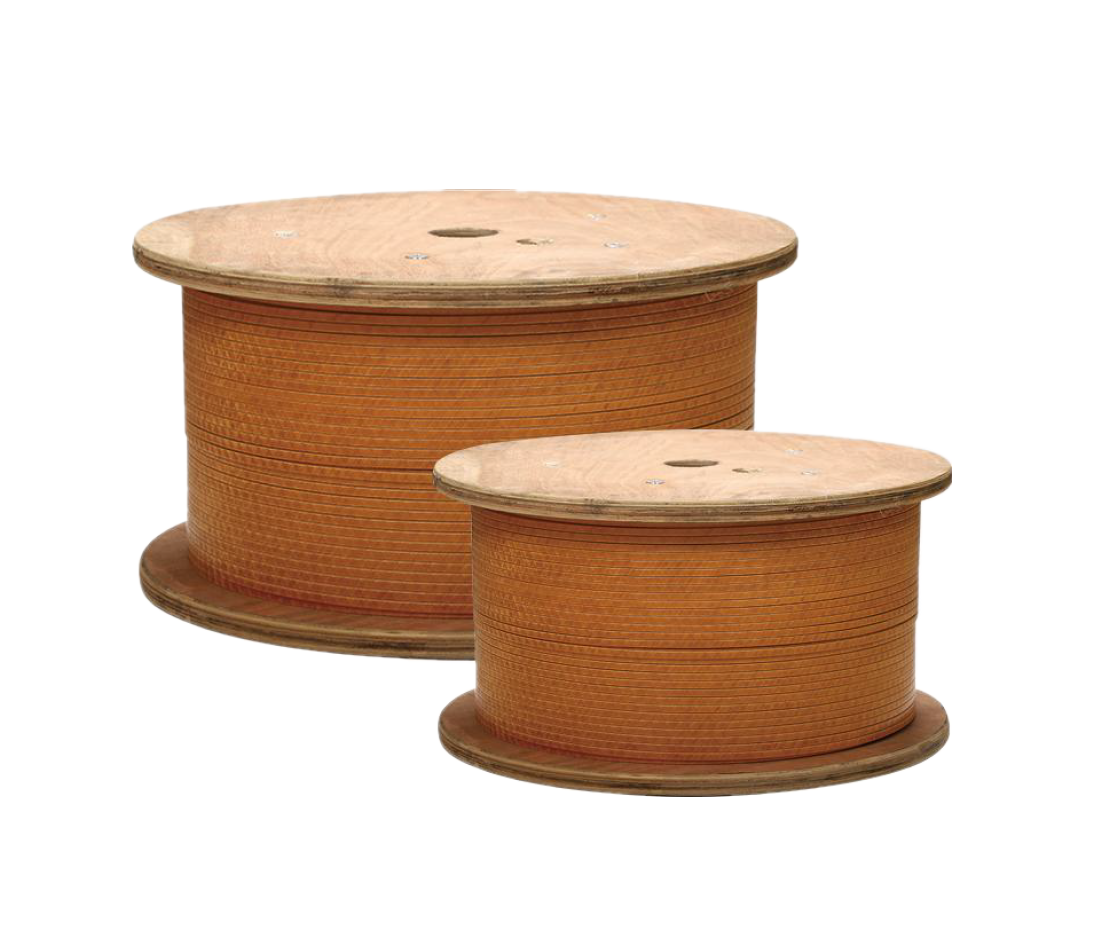
Excellent Heat Resistance
One of the most important characteristics of glass fiber insulation is its high thermal resistance. Unlike many traditional insulating materials, glass fiber can maintain its structure and insulating properties even at elevated temperatures.
Advantages of glass fiber insulation include:
High temperature tolerance
Stable electrical insulation performance
Resistance to thermal aging
These properties allow glass-fiber covered aluminum flat wire to function reliably in electrical equipment where heat is continuously generated.
Improved Electrical Efficiency
Aluminum is widely used as an electrical conductor due to its favorable balance of conductivity and weight. While copper offers higher conductivity, aluminum provides a lightweight alternative that still delivers efficient electrical performance.
Benefits of aluminum conductors include:
Good electrical conductivity
Lower weight compared to copper
Efficient current transmission
When used in flat wire form, the conductor also provides improved space utilization within electrical windings.
Flat Wire Design for Compact Windings
The flat wire shape is another important feature that improves the performance of this type of conductor. Compared with round wires, flat wires allow tighter winding and more efficient use of space within electrical equipment.
This design provides several advantages:
Higher conductor fill factor in windings
Improved heat dissipation
More compact electrical equipment design
These benefits are particularly valuable in transformers and motors where space optimization is essential.
Strong Mechanical Strength
Electrical windings often experience mechanical stress during manufacturing and operation. Vibrations, thermal expansion, and electromagnetic forces can place strain on conductors and insulation layers.
Glass fiber provides strong mechanical reinforcement that helps protect the conductor from damage.
Mechanical advantages include:
Resistance to abrasion
High tensile strength
Improved durability during winding processes
This mechanical stability ensures that the wire maintains its structural integrity throughout the life of the equipment.
Reliable Insulation Performance
Insulation is a critical factor in preventing electrical faults. Poor insulation can lead to short circuits, overheating, and equipment failure.
Glass-fiber insulation offers strong dielectric properties that help maintain electrical separation between conductors.
Key insulation benefits include:
High dielectric strength
Stable insulation performance at elevated temperatures
Reduced risk of electrical leakage
These properties make glass-fiber covered aluminum flat wire suitable for use in high-voltage and high-power applications.
Applications in High-Temperature Electrical Equipment
Because of its thermal resistance and mechanical durability, glass-fiber covered aluminum flat wire is widely used in equipment that operates under demanding conditions.
Common applications include:
Power Transformers
Transformers often operate continuously while carrying large electrical loads. High-temperature insulation is essential for maintaining reliability.
Electric Motors
Industrial motors generate heat during operation, especially under heavy loads. Heat-resistant winding materials help maintain motor efficiency.
Reactors and Inductors
Electrical reactors require stable conductors that can handle high currents and temperature fluctuations.
Renewable Energy Systems
Wind turbines and other renewable energy equipment rely on durable electrical components capable of operating under varying environmental conditions.
These applications highlight the importance of reliable conductor materials in modern power systems.
Advantages for Equipment Manufacturers
Manufacturers of electrical equipment must balance performance, durability, and production efficiency. Glass-fiber covered aluminum flat wire supports these goals by offering practical advantages during both manufacturing and operation.
Key benefits for manufacturers include:
Easier winding due to flat conductor shape
Reliable insulation performance
Reduced equipment weight
Long-term durability in demanding environments
These features help improve the reliability and efficiency of finished electrical products.
Why Techsence Wires Is a Trusted Supplier
Techsence Wires specializes in the development and production of high-quality electrical conductors designed for demanding industrial applications.
Their glass-fiber covered aluminum flat wire products are engineered to deliver consistent performance, reliable insulation, and long-term durability in high-temperature environments.
Key strengths include:
Precision manufacturing processes
High-quality conductor materials
Consistent insulation performance
Reliable product quality for industrial applications
These capabilities allow Techsence Wires to support equipment manufacturers across multiple industries.
Future Trends in High-Temperature Electrical Materials
As electrical systems become more advanced, the demand for high-performance conductor materials will continue to grow. Emerging technologies such as electric vehicles, renewable energy systems, and high-efficiency industrial equipment require components that can withstand increased thermal stress.
Future developments in conductor technology may focus on:
Improved insulation materials
Higher thermal resistance
Enhanced electrical efficiency
More compact winding designs
Glass-fiber insulated conductors are expected to remain an important solution for these evolving applications.
Conclusion
Glass-fiber covered aluminum flat wire offers a practical and reliable solution for electrical systems operating in high-temperature environments. By combining the lightweight conductivity of aluminum with the thermal resistance of glass fiber insulation, this conductor design supports efficient and durable electrical performance.
Its flat wire structure improves winding efficiency, while the glass fiber covering provides strong insulation and mechanical protection. These characteristics make it well suited for transformers, motors, reactors, and other demanding electrical applications.
Solutions provided by Techsence Wires demonstrate how advanced conductor technology can help electrical equipment maintain stable performance even under challenging thermal conditions.
www.techsencewire.com
Techsence Wires

+ There are no comments
Add yours