


Heavy-duty trucks operate in some of the most demanding environments in the transportation industry. Whether hauling freight across highways, carrying construction materials to job sites, or navigating rough mining roads, these vehicles are constantly exposed to heavy loads, vibration, and challenging road conditions.
While engines and braking systems often receive the most attention, one component plays a crucial role in keeping trucks safe, stable, and productive: the shock absorber.
For fleet managers, truck manufacturers, and maintenance professionals, understanding the value of high-performance shock absorbers can help reduce operating costs, improve vehicle control, and extend equipment lifespan.
The Hidden Role of Shock Absorbers in Heavy-Duty Trucks
Many people associate shock absorbers with ride comfort, but their function goes far beyond creating a smoother driving experience.
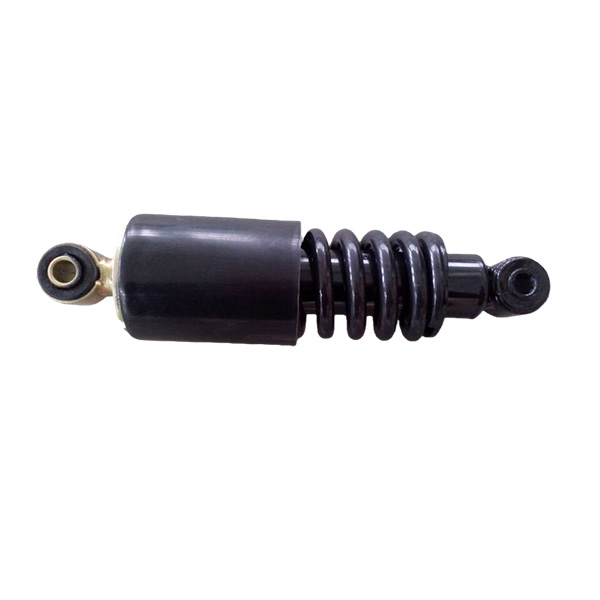
A truck's suspension system consists primarily of springs and shock absorbers. Springs absorb impacts from uneven road surfaces, while shock absorbers control and dampen the resulting movement.
Without effective damping, the suspension would continue bouncing after every bump, causing:
-
Reduced tire contact with the road
-
Poor steering response
-
Increased braking distances
-
Excessive vibration
-
Accelerated wear on vehicle components
For commercial vehicles carrying heavy loads, these issues can quickly impact both safety and profitability.
Why Heavy-Duty Trucks Need More Advanced Suspension Systems
Unlike passenger vehicles, commercial trucks operate under much harsher conditions.
Constant Heavy Loads
Fully loaded trucks place significant stress on suspension systems. Every turn, stop, and acceleration creates forces that must be controlled to maintain vehicle stability.
High-performance shock absorbers help manage these forces more effectively, ensuring predictable handling even under maximum payload conditions.
Long Operating Hours
Many commercial vehicles spend most of their service life on the road. Long-distance transportation requires suspension components that can deliver consistent performance over extended periods without degradation.
Harsh Road Conditions
Construction sites, industrial zones, mining operations, and rural transportation routes often expose trucks to:
-
Potholes
-
Gravel roads
-
Uneven terrain
-
Repeated impacts
-
Continuous vibration
Under these conditions, suspension quality directly affects vehicle reliability and maintenance costs.
Improved Stability Means Improved Safety
One of the most important benefits of a high-quality shock absorber is improved vehicle control.
Heavy trucks have a higher center of gravity than standard vehicles, making them more vulnerable to:
-
Body roll during cornering
-
Excessive front-to-rear pitching
-
Load shifting
-
Suspension oscillation
Advanced shock absorbers help keep the vehicle balanced by controlling unwanted suspension movement.
The result is:
-
Better steering response
-
More predictable handling
-
Increased driver confidence
-
Improved safety during emergency maneuvers
For fleet operators, reducing accident risks is one of the most valuable returns on suspension investment.
Better Braking Performance Under Load
Suspension performance and braking efficiency are closely connected.
When shock absorbers wear out, tires can momentarily lose contact with the road surface during braking. Even brief reductions in traction can increase stopping distances.
High-performance shock absorbers help by:
-
Controlling weight transfer
-
Maintaining tire contact
-
Reducing wheel hop
-
Improving overall traction
This allows braking systems to perform more effectively, particularly when trucks are carrying heavy cargo.
Protecting Cargo During Transportation
Not all transportation challenges involve the truck itself.
Many fleets transport products that can be damaged by excessive vibration, including:
-
Electronics
-
Medical equipment
-
Precision machinery
-
Glass products
-
Industrial components
A well-designed suspension system reduces the transmission of road shock to the cargo area.
This helps minimize transportation-related damage and can significantly reduce customer complaints, insurance claims, and product losses.
Driver Comfort Is Also a Productivity Factor
Truck drivers often spend many hours behind the wheel. Excessive vibration and road shock can contribute to:
-
Fatigue
-
Muscle strain
-
Reduced concentration
-
Increased stress
A smoother ride helps drivers remain comfortable and focused throughout long shifts.
Benefits include:
-
Reduced physical fatigue
-
Better posture support
-
Lower vibration exposure
-
Improved overall driving experience
For companies facing driver retention challenges, vehicle comfort can become an important operational advantage.
Extending the Life of Other Vehicle Components
Poor suspension performance affects more than just ride quality.
Uncontrolled vibration places additional stress on:
-
Tires
-
Bearings
-
Steering systems
-
Chassis components
-
Cab mounts
-
Electronic equipment
By controlling suspension movement more effectively, quality shock absorbers help reduce wear across the entire vehicle.
This can lead to:
-
Lower maintenance costs
-
Fewer unexpected repairs
-
Longer service intervals
-
Improved vehicle uptime
The Growing Importance of Air Spring Suspension Systems
Modern commercial vehicles increasingly use air spring systems in combination with advanced shock absorbers.
This combination offers several advantages:
Improved Ride Quality
Air springs absorb larger road impacts while shock absorbers control suspension movement.
Better Load Management
Air suspension systems automatically adjust to varying cargo weights, helping maintain consistent ride height and stability.
Reduced Component Wear
Balanced load distribution reduces stress on suspension and chassis components.
Enhanced Vehicle Control
Together, air springs and shock absorbers provide superior handling across a wide range of operating conditions.
Many modern truck manufacturers now rely on this integrated suspension approach to improve fleet performance and driver satisfaction.
Why Manufacturing Quality Matters
Not all shock absorbers deliver the same level of performance.
For heavy-duty applications, product quality directly impacts durability and reliability.
Important factors include:
High-Strength Materials
Premium materials improve resistance to fatigue, corrosion, and mechanical stress.
Precision Internal Valving
Advanced valve designs allow shock absorbers to adapt to changing road conditions more effectively.
Reliable Sealing Technology
Quality seals prevent hydraulic fluid leakage and help maintain consistent damping performance.
Comprehensive Testing
Manufacturers that perform rigorous testing can provide products capable of withstanding the demanding conditions of commercial transportation.
Final Thoughts
Shock absorbers are one of the most important yet often overlooked components in heavy-duty truck operations. They directly influence vehicle stability, braking performance, cargo protection, driver comfort, and long-term maintenance costs.
As transportation demands continue to increase, fleets require suspension systems that can deliver reliable performance under challenging conditions. High-performance commercial vehicle shock absorbers, especially when paired with modern air spring technology, provide a practical solution for improving safety, efficiency, and vehicle longevity.
For fleet operators looking to maximize uptime and reduce total operating costs, investing in quality suspension components is not simply a maintenance decision—it is a strategic investment in long-term transportation performance.
www.cnjzworld.com
jingzheng

+ There are no comments
Add yours