
In modern electrical power distribution systems, reliability depends on much more than the performance of conductors and circuit protection devices. Every connection point, insulation component, and accessory contributes to the overall safety and operating stability of the system.
Busbar systems are widely used in industrial facilities, commercial buildings, data centers, transportation infrastructure, and other high-demand electrical applications. Because these systems can carry substantial electrical currents, their connector areas require effective insulation and mechanical protection.
An insulating sleeve for connectors provides a practical way to protect exposed conductive sections, improve electrical isolation, and reduce the risks associated with environmental exposure. Although relatively small compared with the main busbar components, insulating sleeves can play an important role in maintaining long-term system reliability.
The Importance of Protecting Busbar Connections
Busbar systems contain numerous joints and connection points where conductors are mechanically and electrically connected. These areas must provide reliable conductivity while remaining properly insulated from surrounding components.
Without suitable insulation protection, exposed connector sections may be vulnerable to:
-
Accidental electrical contact
-
Phase-to-phase faults
-
Moisture penetration
-
Dust accumulation
-
Surface contamination
-
Insulation deterioration
These problems can potentially affect the safety and service life of the entire power distribution system.
For this reason, connector insulation should be considered during the early stages of busbar system design rather than treated as an afterthought.
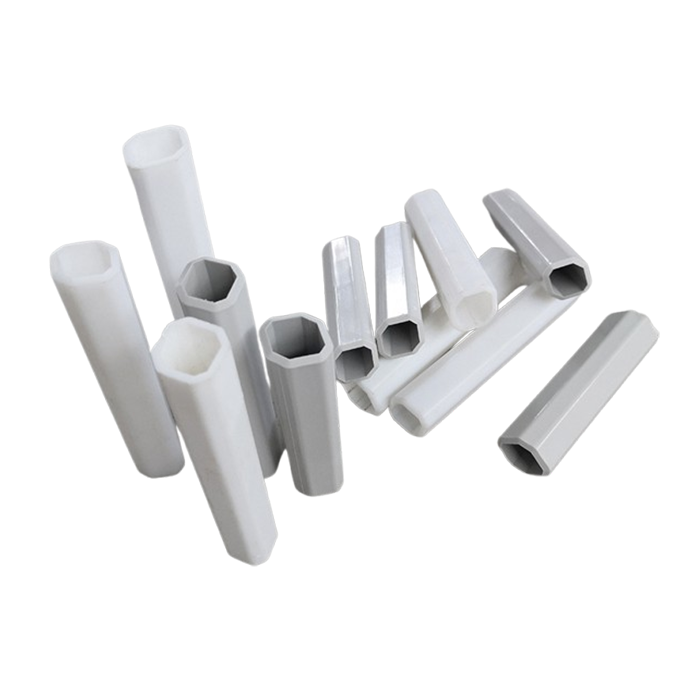
What Is an Insulating Sleeve for Connectors?
An insulating sleeve is a protective component manufactured from electrically insulating materials and designed to cover or surround specific connector areas.
When correctly installed, the sleeve creates a physical insulation barrier around conductive sections while allowing the connector itself to maintain its intended electrical and mechanical function.
For busbar manufacturers, system integrators, and electrical contractors, this type of component provides a relatively simple method of improving connector protection without significantly changing the overall system structure.
Electrical Insulation Improves Safety
The primary purpose of an insulating sleeve is to prevent unintended electrical contact.
Busbar systems may operate under high-current conditions, making exposed conductive surfaces a potential safety concern. A properly designed insulating sleeve helps separate conductive areas from adjacent phases and surrounding components.
Depending on the system design, effective insulation protection can contribute to:
-
Better phase separation
-
Reduced risk of accidental contact
-
Improved insulation coordination
-
Lower possibility of electrical faults
-
Safer inspection and maintenance
The sleeve does not replace other required electrical protection measures. Instead, it forms one important part of the overall insulation system.
Precision Dimensions Are Critical
Material quality alone cannot guarantee effective connector protection. The sleeve must also fit the corresponding connector accurately.
If the sleeve is too loose, it may move during installation or long-term operation. If it is too tight, installation can become difficult and may place unnecessary stress on the insulation material or connector.
Precision manufacturing helps ensure that the sleeve remains properly positioned around the connector.
An accurately manufactured sleeve can provide:
Secure Positioning
Proper dimensional matching helps prevent unwanted movement after installation.
Easier Assembly
A suitable fit allows technicians to install the insulation efficiently without excessive force.
Consistent Coverage
Correct dimensions help ensure that exposed conductive areas receive the intended insulation protection.
For large-scale electrical projects, these details can make installation more predictable and reduce unnecessary rework.
Heat Resistance Supports Long-Term Performance
Electrical current naturally produces heat, and connector areas can experience elevated temperatures during continuous operation.
This makes thermal performance an important consideration when selecting insulation materials.
A suitable insulating material should maintain its electrical and mechanical properties within the expected operating temperature range. It should resist excessive deformation, cracking, or deterioration during long-term use.
High-quality polymer insulation materials can provide the thermal stability needed for demanding electrical environments.
This is particularly relevant to industrial facilities and other applications where busbar systems operate continuously under significant electrical loads.
Protection Against Moisture and Environmental Aging
Busbar systems are installed in many different environments. Industrial workshops, commercial buildings, utility facilities, and infrastructure projects may all expose electrical components to varying levels of humidity, dust, temperature changes, and other environmental conditions.
Moisture and contamination can gradually affect insulation performance if components are not adequately protected.
A properly designed insulating sleeve can help reduce exposure to:
-
Humidity
-
Dust
-
Surface contamination
-
Environmental aging
-
Mechanical wear
By providing an additional protective barrier around the connector, the sleeve can support more stable insulation performance over the service life of the electrical system.
Flexible Insulation Simplifies Installation
Installation conditions are not always perfect. Electrical technicians may need to work in confined spaces or make small adjustments during busbar assembly.
Insulation components made from appropriately flexible materials can make installation and maintenance more convenient.
Practical benefits may include:
-
Easier installation
-
Faster assembly
-
Simplified maintenance
-
Lower risk of component damage
-
Improved adaptability to installation conditions
This is especially useful in projects involving large numbers of connectors, where even small improvements in installation efficiency can have a noticeable impact on overall project time.
Applications of Connector Insulating Sleeves
Insulating sleeves can be used in a variety of power distribution environments.
Industrial Facilities
Factories and manufacturing plants often require reliable power distribution systems capable of operating continuously. Connector insulation helps protect critical busbar connection points from electrical and environmental risks.
Commercial Buildings
Office buildings, shopping centers, and other commercial facilities depend on stable electrical distribution. Proper insulation contributes to safer and more reliable busbar installations.
Data Centers
Data centers require highly dependable power infrastructure because electrical interruptions can affect critical IT operations. Well-protected busbar connections are an important part of a reliable power distribution system.
Transportation Infrastructure
Railway stations, airports, and other transportation facilities often contain extensive electrical systems. Durable insulation components can help protect connectors in these demanding environments.
Power and Infrastructure Projects
Power generation and infrastructure projects require components capable of maintaining reliable performance over extended operating periods. Insulating sleeves can provide additional protection for busbar connector assemblies.
Manufacturing Quality Directly Affects Insulation Performance
An insulating sleeve may appear to be a relatively simple product, but manufacturing consistency is essential.
Important production factors include:
-
Raw material quality
-
Material formulation
-
Wall thickness
-
Dimensional tolerance
-
Surface quality
-
Flexibility
-
Electrical insulation characteristics
-
Final inspection
Inconsistent wall thickness or dimensional deviations can affect installation and protection performance.
For this reason, buyers should evaluate not only the product itself but also the manufacturer's production capabilities and quality management processes.
Why Choose a Specialized Busbar Accessory Manufacturer?
Working with a manufacturer that specializes in busbar accessories can provide advantages over purchasing generic insulation products.
A specialized manufacturer understands the relationship between:
-
Busbar dimensions
-
Connector structures
-
Insulation requirements
-
Installation methods
-
Electrical system configurations
Yangzhong Yuexiang Electrical Co., Ltd. focuses on developing and manufacturing busbar system accessories, including connectors, insulating partitions, sockets, and connector insulation solutions.
The company emphasizes precision manufacturing and product compatibility to support different power distribution applications. Its insulation products can be developed to match busbar connector requirements and support systems associated with brands such as ABB, Weiten, Meijia, and Xijie.
Selecting the Right Insulating Sleeve
Before selecting an insulating sleeve, electrical engineers and purchasing teams should consider several factors.
Connector Dimensions
The sleeve should match the dimensions and configuration of the connector to ensure complete and stable coverage.
Operating Temperature
The insulation material should be suitable for the expected operating temperature of the electrical system.
Electrical Requirements
Voltage levels, insulation distances, and system configuration should be considered when selecting the appropriate insulation solution.
Installation Environment
Humidity, dust, temperature variation, and potential chemical exposure may affect material selection.
Material Performance
Electrical insulation, flexibility, mechanical strength, and aging resistance should all be evaluated.
Supplier Capability
A manufacturer with engineering and customization capabilities can provide more suitable solutions when standard components do not fully meet project requirements.
Small Components Can Make a Big Difference
Power distribution systems are often evaluated based on major components such as busbars, switchgear, circuit breakers, and transformers. However, smaller accessories can also have a significant influence on system reliability.
An insulating sleeve protects a critical area—the connector—where electrical conductors meet and where effective insulation is particularly important.
By combining accurate dimensions, suitable insulation materials, environmental resistance, and practical installation characteristics, connector sleeves can help create a more robust busbar system.
Conclusion
Reliable electrical power distribution requires attention to every part of the system, including the insulation surrounding busbar connectors. Insulating sleeves for connectors provide an effective method of isolating conductive sections, improving connector protection, and supporting long-term electrical safety.
For industrial plants, commercial buildings, data centers, transportation infrastructure, and other demanding applications, selecting appropriate insulation components can help reduce electrical risks and simplify maintenance.
As a specialized busbar accessory manufacturer, Yangzhong Yuexiang Electrical Co., Ltd. continues to develop insulation and connector solutions designed around practical power distribution requirements. With appropriate material selection, precision manufacturing, and reliable quality control, insulating sleeves can become an important part of a safer and more dependable busbar system.
www.yxbusway.com
Yangzhong Yuexiang

+ There are no comments
Add yours