





Thermal management has become a critical factor in the design and reliability of modern electronic devices. As components become smaller and more powerful, efficient heat dissipation is essential to maintain stable performance and extend product lifespan. Thermal interface materials play a key role in transferring heat from heat-generating components to cooling systems.
However, not all environments are suitable for silicone-based materials. In industries such as automotive electronics, optical equipment, and precision manufacturing, silicone contamination can cause serious issues. For these applications, manufacturers increasingly rely on specialized materials like Non-Silicone Thermal Gel developed by Dubang Materials.
Understanding the Importance of Thermal Interface Materials
Electronic components generate heat during operation. If this heat is not effectively transferred away from the source, it can lead to several problems:
Reduced device performance
Accelerated component aging
System instability
Increased failure rates
Thermal interface materials (TIMs) are designed to fill microscopic air gaps between heat-generating components and heat sinks. Because air has very low thermal conductivity, these gaps can significantly reduce heat transfer efficiency.
Thermal gels provide a solution by creating a conductive path for heat while conforming to uneven surfaces.
The Problem with Silicone Contamination
Silicone-based thermal materials are widely used due to their flexibility and thermal conductivity. However, silicone compounds can release low-molecular-weight siloxanes over time. These substances may migrate and contaminate nearby surfaces.
In some environments, silicone contamination can cause serious problems, including:
Optical lens fogging
Electrical contact issues
Reduced adhesion in coating processes
Contamination in sensitive manufacturing equipment
Industries that rely on ultra-clean production environments often require silicone-free materials to avoid these risks.
Non-silicone thermal gels are specifically developed to address this challenge.
What Is Non-Silicone Thermal Gel?
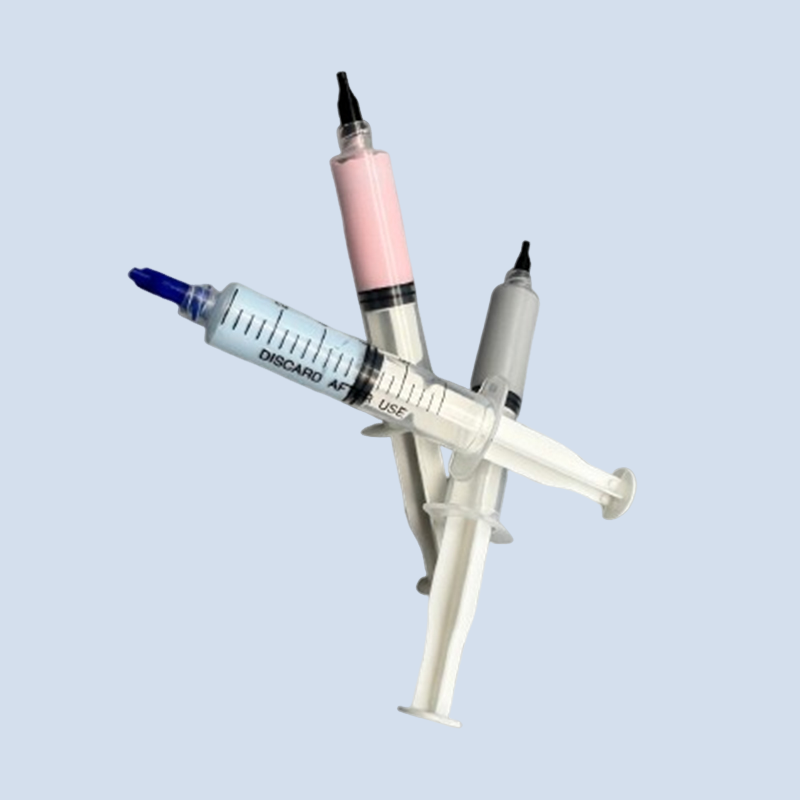
Non-silicone thermal gel is a type of thermal interface material formulated without silicone compounds. Instead of silicone oil or silicone elastomers, these gels use alternative polymer systems to deliver thermal conductivity while preventing silicone migration.
The result is a material that provides effective heat transfer while maintaining compatibility with silicone-sensitive environments.
Key characteristics include:
Silicone-free formulation
Stable thermal conductivity
Soft and conformable texture
Long-term reliability
These properties make non-silicone thermal gels suitable for demanding electronic applications.
Reliable Thermal Performance
Despite the absence of silicone, non-silicone thermal gels are designed to deliver strong thermal conductivity. Their formulation allows efficient heat transfer between components and cooling systems.
This helps maintain safe operating temperatures for electronic devices.
Key performance benefits include:
Efficient heat dissipation
Stable thermal performance over time
Reduced thermal resistance between surfaces
Maintaining proper thermal performance is essential for preventing overheating and ensuring consistent system operation.
Ideal for Silicone-Sensitive Applications
Certain industries must strictly avoid silicone contamination due to the sensitive nature of their products or manufacturing processes.
Examples include:
Optical Equipment
Silicone vapors can condense on optical surfaces such as lenses or sensors, causing fogging and reduced clarity.
Automotive Electronics
Modern vehicles include numerous sensors and control modules that must operate reliably in sealed environments.
Semiconductor Manufacturing
Cleanroom environments require strict control of airborne contaminants, including silicone compounds.
Precision Coating Processes
Silicone contamination can interfere with surface treatments or coating adhesion.
Using non-silicone thermal gels helps eliminate these risks while maintaining effective thermal management.
Excellent Gap-Filling Capability
Electronic components rarely have perfectly flat contact surfaces. Microscopic imperfections create air pockets that reduce thermal conductivity.
Thermal gels are designed to fill these gaps and create full surface contact between components.
Non-silicone thermal gels provide:
Soft consistency that adapts to uneven surfaces
Excellent gap-filling capability
Improved contact between heat sources and heat sinks
This ensures more efficient heat transfer across the interface.
Long-Term Stability and Reliability
Electronic systems are often expected to operate for years without failure. Thermal interface materials must remain stable under continuous heat exposure and mechanical stress.
Non-silicone thermal gels offer strong long-term reliability due to their stable chemical structure.
Advantages include:
Resistance to thermal degradation
Low volatility
Consistent performance over extended operating periods
These characteristics help ensure that electronic devices maintain proper cooling performance throughout their service life.
Compatibility with Modern Electronics Manufacturing
Manufacturers require materials that integrate easily into automated assembly processes. Thermal gels are often dispensed using automated equipment to ensure consistent application.
Non-silicone thermal gels are compatible with common dispensing systems used in electronics manufacturing.
This allows for:
Precise material placement
Consistent application thickness
Efficient production workflows
Such compatibility supports high-volume production while maintaining product quality.
Why Dubang Materials Stands Out
Dubang Materials focuses on developing advanced thermal interface solutions for modern electronics. Their non-silicone thermal gel products are engineered to meet the needs of industries where contamination control and thermal performance are equally important.
Key strengths include:
Silicone-free material formulation
Reliable thermal conductivity
Stable long-term performance
Compatibility with modern manufacturing processes
By combining material science expertise with practical industry requirements, Dubang Materials provides solutions that support high-performance electronic systems.
Future Trends in Thermal Interface Materials
As electronic devices continue to evolve, thermal management solutions must keep pace with increasing power density and miniaturization.
Future thermal interface materials will likely focus on:
Higher thermal conductivity
Improved environmental stability
Reduced contamination risks
Compatibility with advanced manufacturing technologies
Non-silicone thermal materials will remain especially important for industries where cleanliness and precision are critical.
Conclusion
Thermal interface materials are essential for maintaining the performance and reliability of modern electronic systems. However, in silicone-sensitive environments, traditional silicone-based materials may introduce contamination risks.
Non-silicone thermal gel offers an effective alternative by providing strong thermal conductivity without the potential drawbacks associated with silicone compounds. Its excellent gap-filling ability, long-term stability, and compatibility with precision manufacturing processes make it ideal for demanding applications.
Solutions developed by Dubang Materials demonstrate how advanced material engineering can support both thermal performance and environmental compatibility in modern electronics.
www.siliconethermal.com
Dubang

+ There are no comments
Add yours