
When companies transport large quantities of powders, granules, and other bulk materials, packaging is far more than a simple container.
The right packaging must protect the product, withstand transportation and handling, improve loading efficiency, and meet the safety requirements of the intended application. This becomes even more important when the materials are classified as hazardous or require strict control during international transportation.
This is where UN certified FIBC bags have become an important packaging solution.
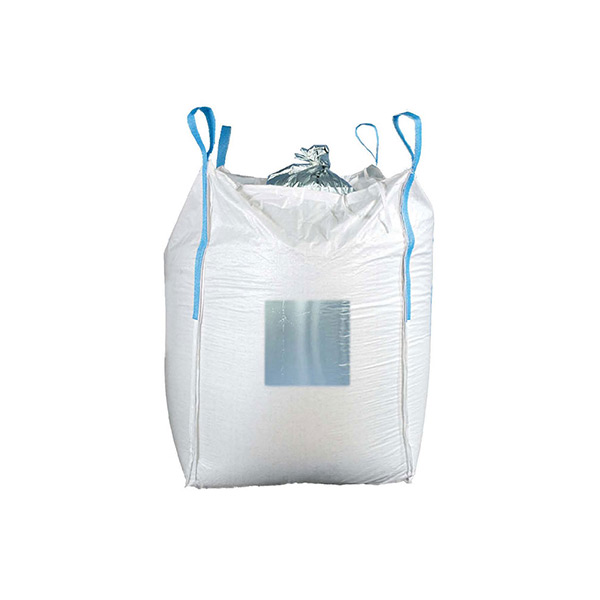
Also known as bulk bags, jumbo bags, or ton bags, Flexible Intermediate Bulk Containers are widely used in industries ranging from chemicals and agriculture to pharmaceuticals, food processing, minerals, and new energy materials. However, not every FIBC is designed for the same purpose.
For general materials, a standard bulk bag may be sufficient. For products that require additional safety during transportation, a UN certified FIBC bag can provide a higher level of structural and performance assurance.
What Makes a UN Certified FIBC Bag Different?
A conventional FIBC bag is primarily designed to store and transport bulk materials efficiently. A UN certified FIBC bag, on the other hand, must meet specific testing and performance requirements for the transportation of certain dangerous goods.
These requirements are intended to evaluate whether the bag can withstand the stresses commonly experienced during logistics operations.
Depending on the design and certification requirements, testing may include evaluation of:
-
Load-bearing performance
-
Drop resistance
-
Tear resistance
-
Stacking capability
-
Lifting safety
-
Structural durability
The purpose of these tests is to reduce the risk of bag failure during filling, lifting, transportation, and storage.
For companies handling chemical powders, industrial additives, mineral materials, or other sensitive products, packaging performance can directly affect both operational safety and supply chain reliability.
The Structure of an FIBC Bag Affects Its Performance
An FIBC bag may appear simple, but it consists of several components that work together to support the load.
Typical components include:
-
Main body fabric
-
Top filling system
-
Bottom discharge system
-
Lifting loops
-
Seams and stitching
-
Optional liners or internal components
The main body is commonly manufactured from woven polypropylene because the material offers a useful combination of strength, flexibility, and relatively low weight.
The lifting system is particularly important because the bag must safely support its contents during handling. Seams also require careful design and manufacturing control, as poor stitching can compromise the overall strength of the container.
The bottom section may experience significant stress during lifting and discharge operations. Depending on the application, additional reinforcement or specialized construction may be used to improve durability.
In a high-quality FIBC, every component contributes to the overall performance of the finished bag.
Quality Control Is Just as Important as Material Selection
Using high-strength polypropylene alone does not guarantee a reliable bulk bag.
Manufacturing consistency is equally important.
Small differences in fabric quality, stitching, dimensions, or lifting loop construction can affect the performance of the final product. For this reason, professional FIBC production normally involves quality control at multiple stages.
Common inspection procedures may include:
-
Raw material inspection
-
Fabric strength testing
-
Seam and stitching inspection
-
Dimensional measurement
-
Lifting performance testing
-
Finished product evaluation
For UN certified FIBC bags, consistent production is especially important because the bag must continue to meet the required performance characteristics throughout the manufacturing process.
This is one reason why buyers should evaluate not only the product specifications but also the supplier's production capabilities and quality management systems.
Different FIBC Designs Serve Different Applications
There is no single FIBC design that is ideal for every application.
Different industries and materials may require different bag structures.
Baffle FIBC Bags
Baffle bags use internal fabric panels to help maintain a more stable square or rectangular shape after filling.
This design can provide several practical advantages:
-
Better use of warehouse space
-
Improved stacking stability
-
More efficient container loading
-
Reduced deformation after filling
For companies focused on maximizing transportation and storage efficiency, baffle bags can be a useful option.
U Panel FIBC Bags
U panel bags are manufactured using a construction that can provide reliable strength distribution and good structural performance.
They are widely used in industrial bulk material handling and can be customized according to different filling, discharge, and lifting requirements.
Minerals and Industrial Materials
Mineral powders and other industrial materials can be heavy and demanding to handle. A properly designed bulk bag can improve loading efficiency while providing the required structural support.
New Energy Materials
The development of battery materials and other new energy technologies has created increasing demand for specialized bulk packaging.
Many raw materials used in these industries are powders or granular substances that require efficient and reliable transportation. FIBC solutions can help manufacturers improve material handling while reducing unnecessary packaging weight.
How Should Companies Choose a UN FIBC Supplier?
Choosing the right supplier is an important part of the packaging decision.
A manufacturer may have an attractive product catalog, but buyers should also consider several practical factors.
Manufacturing Experience
Experience with different FIBC structures and materials can help a supplier provide more suitable solutions for specialized applications.
Testing Capabilities
A professional supplier should have appropriate testing and inspection procedures for evaluating fabric, stitching, lifting performance, and finished products.
Customization Support
Different customers may require specific dimensions, filling systems, discharge systems, liners, lifting loops, or printing.
The ability to customize the bag can be important for complex supply chain requirements.
Quality Management
Consistent quality requires control over the entire manufacturing process, from raw material selection to final inspection.
International Market Experience
For international buyers, experience with export packaging requirements and global customer expectations can also be valuable.
YIOU FIBC produces a range of bulk packaging solutions, including food-grade bags, pharmaceutical-grade FIBCs, baffle bags, UN certified FIBC bags, U panel bags, four-panel bags, one-loop bags, and container liners.
Its manufacturing capabilities support customized solutions for different industries, including chemical processing, pharmaceuticals, food, agriculture, minerals, and new energy materials.
The Future of Bulk Packaging Is Becoming More Specialized
As global supply chains become more complex, bulk packaging requirements are also becoming more specific.
Customers are no longer simply looking for a bag with a certain capacity. They may need packaging that combines safety, cleanliness, space efficiency, handling convenience, and compliance with specific transportation requirements.
This is driving the development of more specialized FIBC designs.
UN certified FIBC bags are one example of how bulk packaging is evolving from a basic storage product into a carefully engineered part of the logistics process.
Final Thoughts
For companies transporting demanding bulk materials, packaging performance can have a direct impact on safety, efficiency, and supply chain reliability.
UN certified FIBC bags provide a solution for applications where standard bulk bags may not provide sufficient performance assurance. Through suitable materials, reliable construction, controlled manufacturing, and appropriate testing, these bags can help reduce the risks associated with bulk material transportation.
The most important step is choosing the right design for the specific material and logistics environment.
Whether the requirement involves hazardous materials, pharmaceutical raw materials, food ingredients, mineral powders, or new energy materials, working with an experienced FIBC manufacturer can help companies develop a safer and more efficient bulk packaging solution.
www.yopkg.com
YIOU FIBC


+ There are no comments
Add yours