
In the demanding world of industrial flow measurement, where corrosive media, magnetic interference, and harsh environmental conditions threaten operational reliability, selecting the right measurement solution can make the difference between costly downtime and seamless production. As global industries face increasing pressure to optimize efficiency while reducing maintenance costs, advanced flowmeter technology has emerged as a critical competitive advantage.
The Industrial Flow Measurement Challenge
Industrial facilities worldwide grapple with persistent measurement challenges that directly impact operational efficiency and profitability. Traditional flow measurement systems often struggle with liner failure when exposed to corrosive media, magnetic field interference from metallic components, electrical faults in humid environments, and maintenance costs that can spiral out of control. These pain points are particularly acute in metallurgy, chemical processing, wastewater treatment, and energy production—industries where measurement accuracy directly affects product quality, regulatory compliance, and safety outcomes.
The consequences of inadequate flow measurement extend beyond immediate operational disruptions. Inaccurate readings lead to material waste, energy inefficiency, and compliance violations. In chemical dosing applications, even minor measurement errors can compromise product specifications or create hazardous conditions. For facilities operating in remote locations or extreme climates, frequent maintenance interventions multiply operational costs and complexity.
Material Science Innovation Addresses Core Pain Points
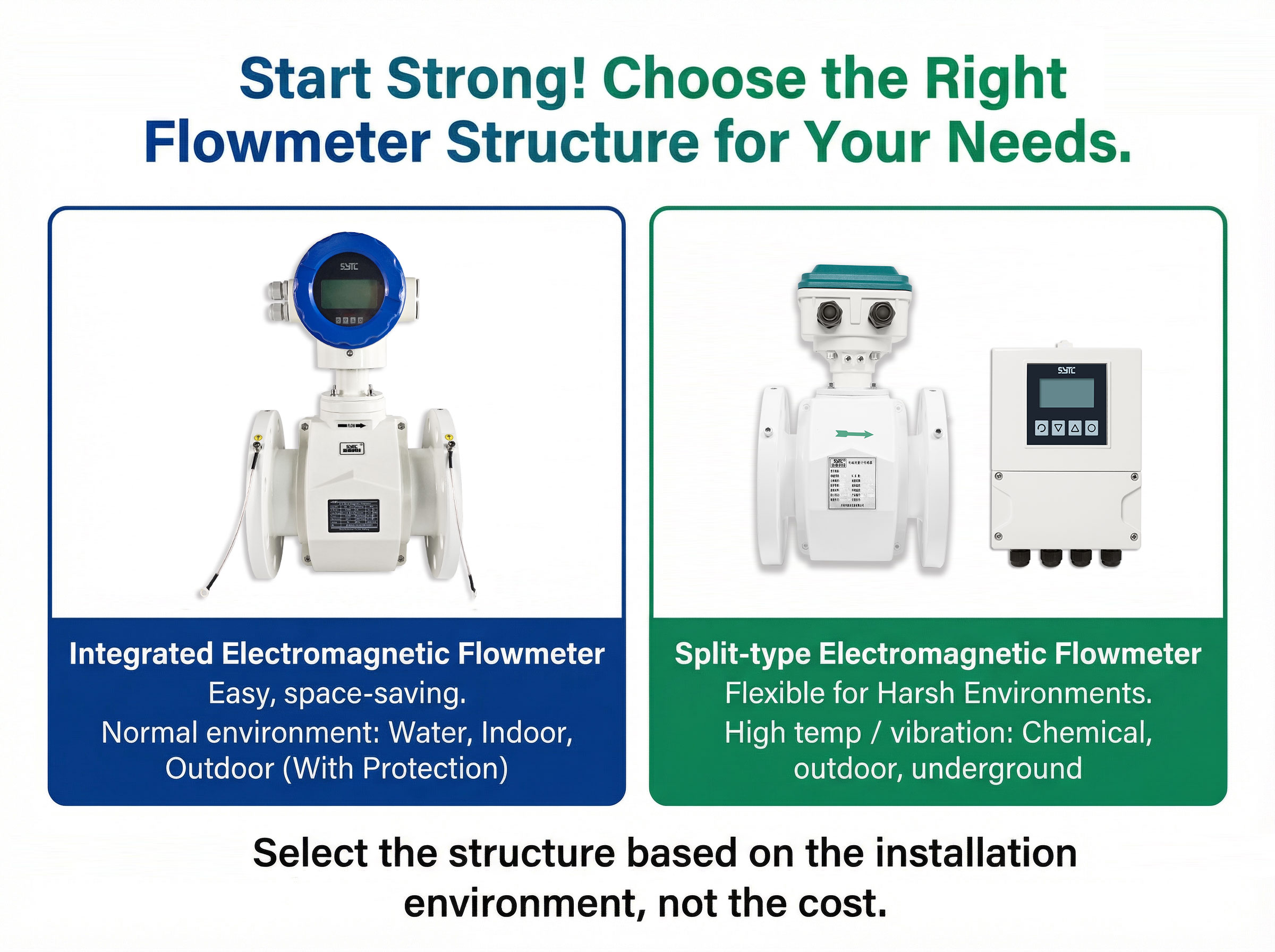
Addressing these fundamental challenges requires innovation at the material science level, not merely incremental improvements to existing designs. Kaifeng Xinya Instrument Co., Ltd., a National High-Tech Enterprise and Specialized, Sophisticated, Distinctive and Innovative Enterprise founded in 1996, has developed comprehensive solutions centered on advanced materials and precision engineering specifically designed for extreme industrial environments.
The company's non-magnetic loss flowmeter technology represents a fundamental departure from conventional approaches. By utilizing ceramic measuring tubes constructed from 99% high-purity alumina or 99.5% high-purity zirconia—materials with Mohs hardness rating of 9—these flowmeters deliver exceptional durability in abrasive slurry applications common in mining and metallurgy. The ceramic construction withstands temperatures up to 180°C and pressures reaching 10 MPa while resisting vacuum collapse at 0.095 MPa, ensuring structural integrity across demanding operating conditions.
For moderately corrosive applications, FRP (Fiber Reinforced Plastic) polymer measuring tubes offer a cost-effective alternative that eliminates the magnetic field interference inherent in metal-shelled designs. The non-metallic composite construction prevents magnetic field unevenness while providing corrosion resistance equivalent to traditional rubber-lined meters at superior cost efficiency. This negative pressure-resistant design proves particularly valuable in wastewater treatment and chemical solution handling where vacuum conditions occasionally occur.
Precision Engineering Ensures Long-Term Reliability
Beyond material innovation, operational reliability in harsh environments demands meticulous attention to electrical system protection and precision manufacturing. The company's proprietary vacuum potting technology addresses moisture ingress—a primary failure mode in humid industrial settings. By vacuum-sealing excitation coils with epoxy resin to achieve IP68 protection rating, this process eliminates the electrical faults that plague conventional designs in coastal facilities, wastewater treatment plants, and tropical climates.
Precision winding technology with 0.2mH tolerance ensures magnetic field balance critical for measurement accuracy. The SF Series electromagnetic flowmeters achieve ±0.2% accuracy across diverse applications, from standard industrial water measurement (SF-E with rubber liner and 316L stainless steel electrodes) to highly corrosive acid and base handling (SF-E with PTFE/F4 liner and Hastelloy C electrodes). For sanitary applications in food, beverage, and pharmaceutical production, the SF-W variant features Ra ≤ 0.4μm surface finish compatible with CIP/SIP cleaning protocols, preventing bacterial growth while maintaining measurement precision.
Comprehensive Solutions Across Application Scenarios
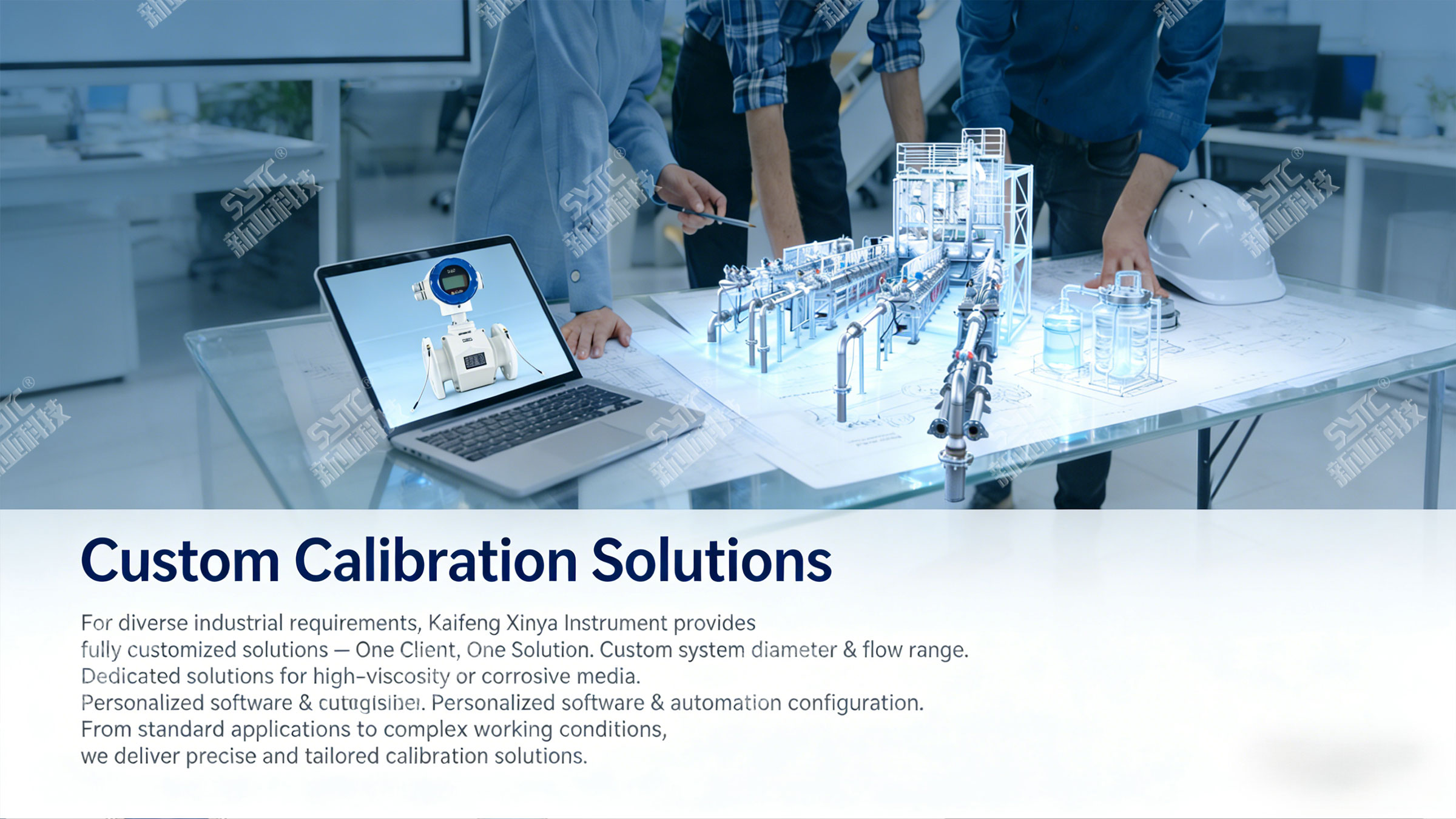
Real-world industrial challenges rarely fit neatly into standardized categories. Recognizing this reality, the company has developed specialized variants addressing specific operational constraints. The SF-C plug-in insertion flowmeter enables installation and maintenance on DN50–DN2000 pipelines without flow interruption—a critical capability for continuous process industries where shutdowns carry enormous cost implications. For remote sites lacking electrical infrastructure, the SF-D battery-powered remote model provides autonomous operation, eliminating the need for external power supply in outdoor installations or temporary pipeline applications.
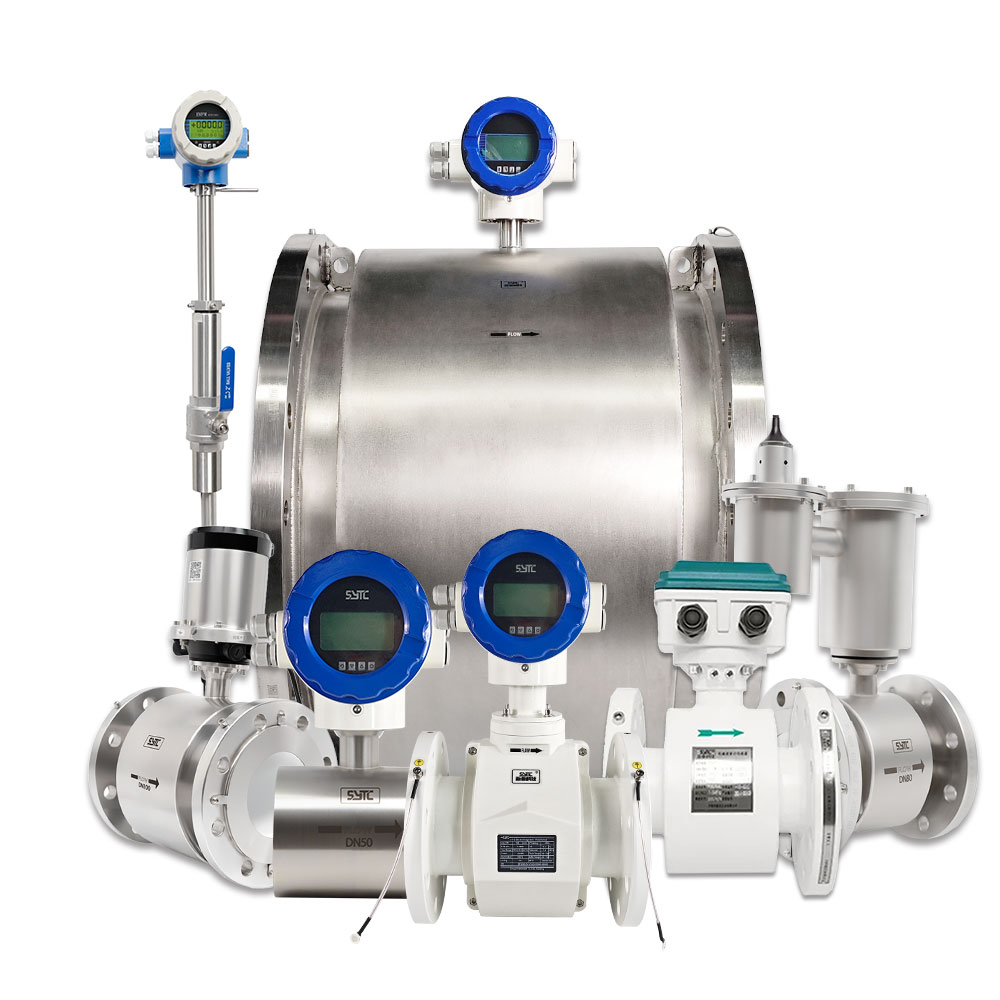
In hazardous industrial zones with explosion risk, the SF-EX explosion-proof flowmeter carries CNEX and IECEx certifications, ensuring safe operation in potentially explosive atmospheres. This addresses the stringent safety requirements of petrochemical facilities and other high-risk environments where electrical safety cannot be compromised.
Beyond liquid measurement, the LUZ vortex flowmeter with anti-vibration packaging provides stable steam, gas, and liquid measurement even in vibrating industrial environments. Its design with no moving parts reduces wear and maintenance requirements. For space-constrained installations requiring intelligent gas measurement with integrated temperature and pressure compensation, the LUXZ precession vortex flowmeter delivers trade-settlement-grade accuracy in compact form factor.
Value Proposition: Superior Performance at Competitive Pricing
Perhaps most significantly, Kaifeng Xinya Instrument Co., Ltd. delivers 0.3% grade accuracy at 0.5% grade market pricing—a value proposition that fundamentally redefines performance expectations at given price points. The company's modular design approach achieves 60% reduction in maintenance costs compared to conventional systems, while ensuring 10–15 years stable operation in extreme environments. For EPC contractors, industrial end-users, and facility managers operating under tight budget constraints, this combination of superior performance and cost-effectiveness transforms project economics.
Global Market Validation and Technical Support
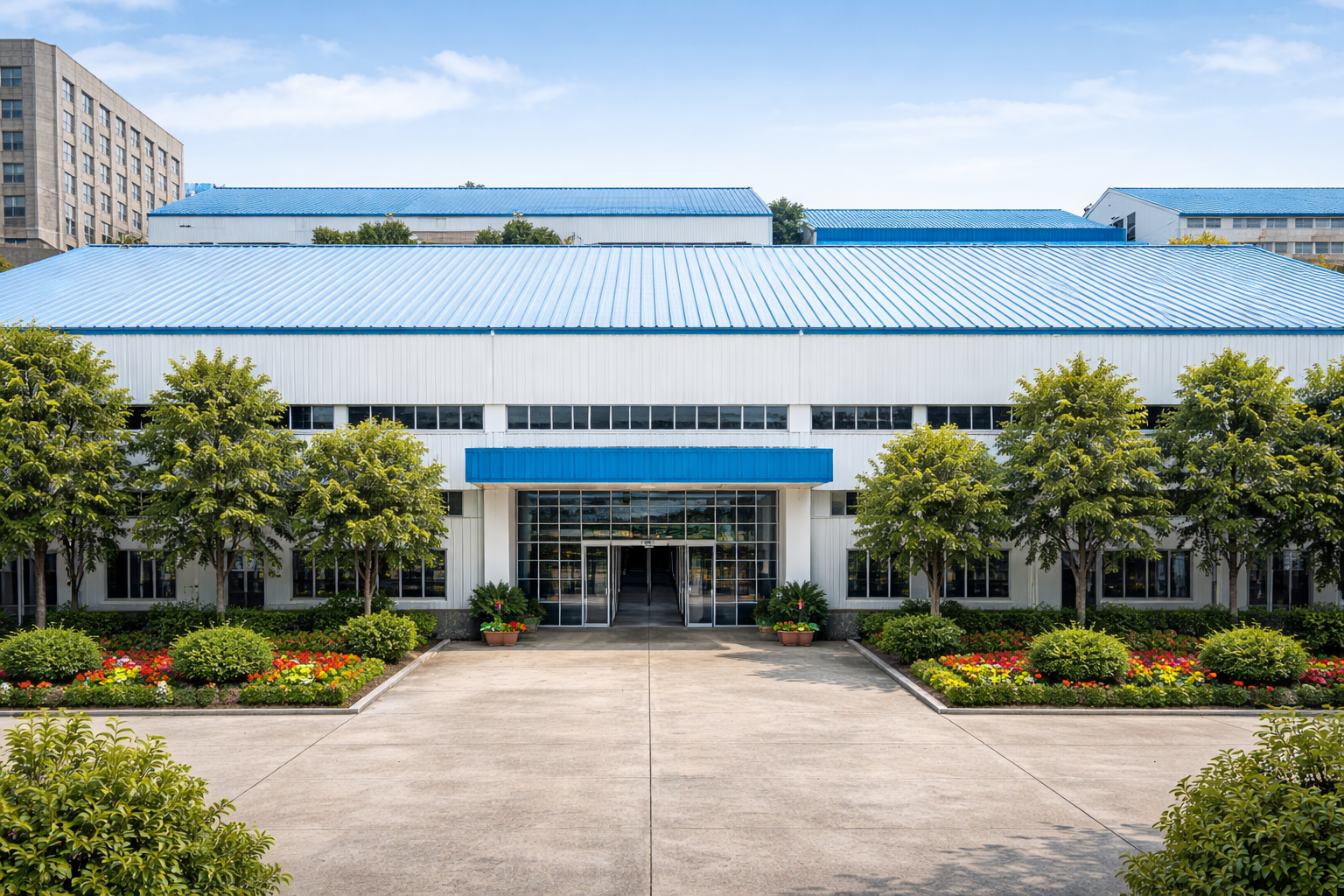
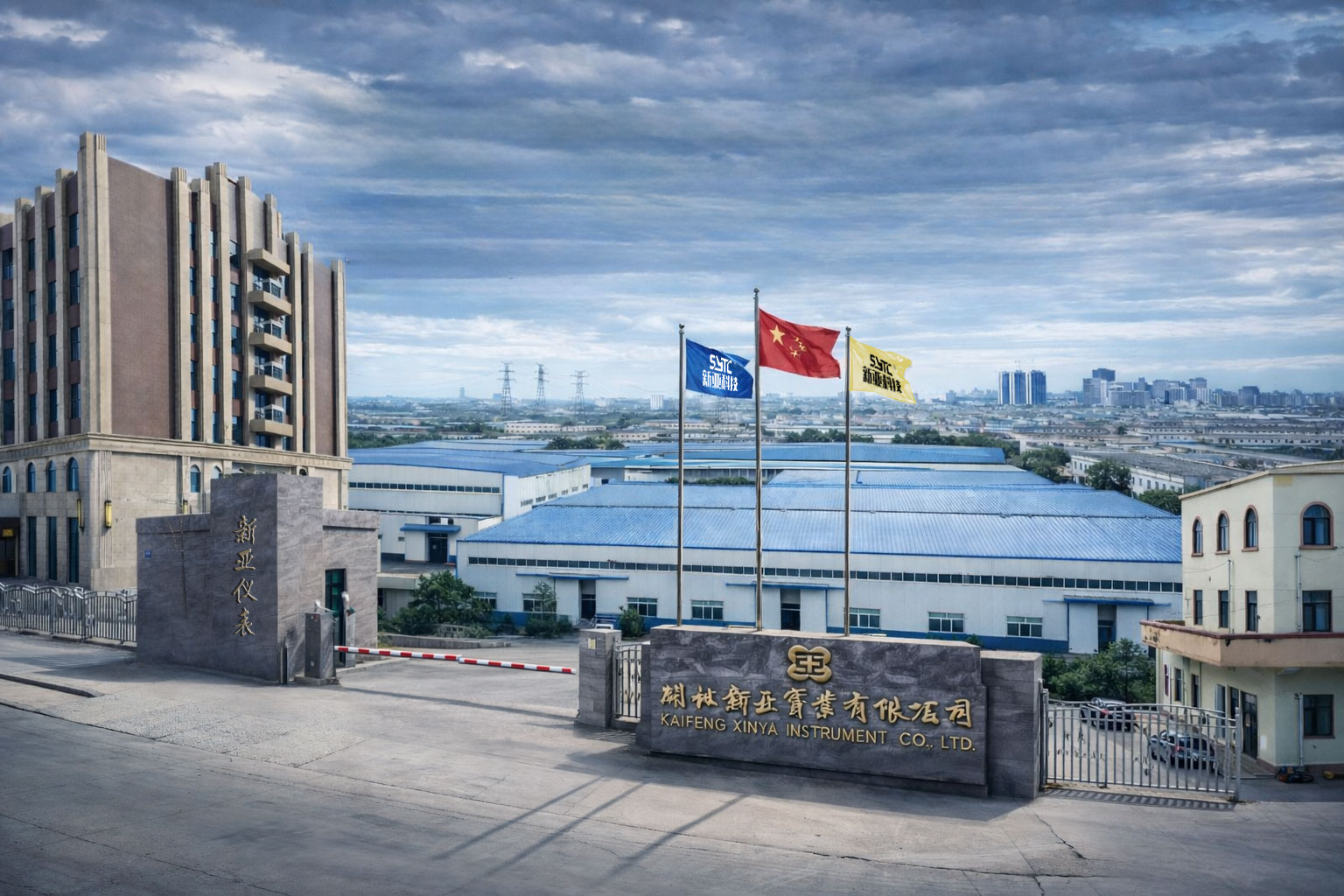
With production capacity exceeding 20,000 units annually from a 25,927㎡ manufacturing facility, the company serves global markets including Southeast Asia, Middle East, Russia, Brazil, Turkey, Mexico, and Germany. International certifications including ISO 9001, CE, ATEX, CNEX, and IECEx ensure compliance with diverse regional standards. The portfolio of 27 utility model patents and 3 invention patents under substantive examination demonstrates sustained commitment to technological advancement.
Benchmark deployments validate real-world performance across demanding applications: ceramic flowmeters resisting extreme abrasion and pressure fluctuations in Brazilian metallurgy slurry transport; vacuum-potted explosion-proof meters maintaining stable operation in Russian hydropower and heating networks under cold, humid conditions; high-accuracy ceramic meters achieving ±0.2% measurement precision for acid and solvent dosing in Turkish petrochemical facilities; and polymer measuring tubes preventing scaling and corrosion in Indonesian wastewater treatment plants.
The company's LY liquid calibration systems and LQ gas calibration systems extend this precision to metrology applications, achieving expanded uncertainty ≤ 0.05% (K=2) for liquid calibration and ≤ 0.3% (K=2) for gas calibration. These systems support flowmeter manufacturers' quality control, metrology institute type evaluation, and periodic recalibration in petroleum, natural gas, power, and municipal utility applications.
Conclusion: Material Science as Competitive Advantage
As industrial operations worldwide face mounting pressure to improve efficiency while managing costs, flow measurement technology built on advanced materials and precision engineering delivers tangible competitive advantages. By addressing fundamental challenges at the material science level—rather than accepting the limitations of conventional designs—facilities can achieve superior measurement accuracy, reduced maintenance burden, and extended service life even in the most demanding environments. For industries where measurement reliability directly impacts profitability and safety, this represents not merely incremental improvement, but a fundamental advancement in industrial instrumentation capability.
https://www.sytcflowmeter.com/
Kaifeng Xinya Instrument Co., Ltd

+ There are no comments
Add yours