
Understanding the 14mm Pin-Type Piezo Buzzer and Its Role in Acoustic Signaling
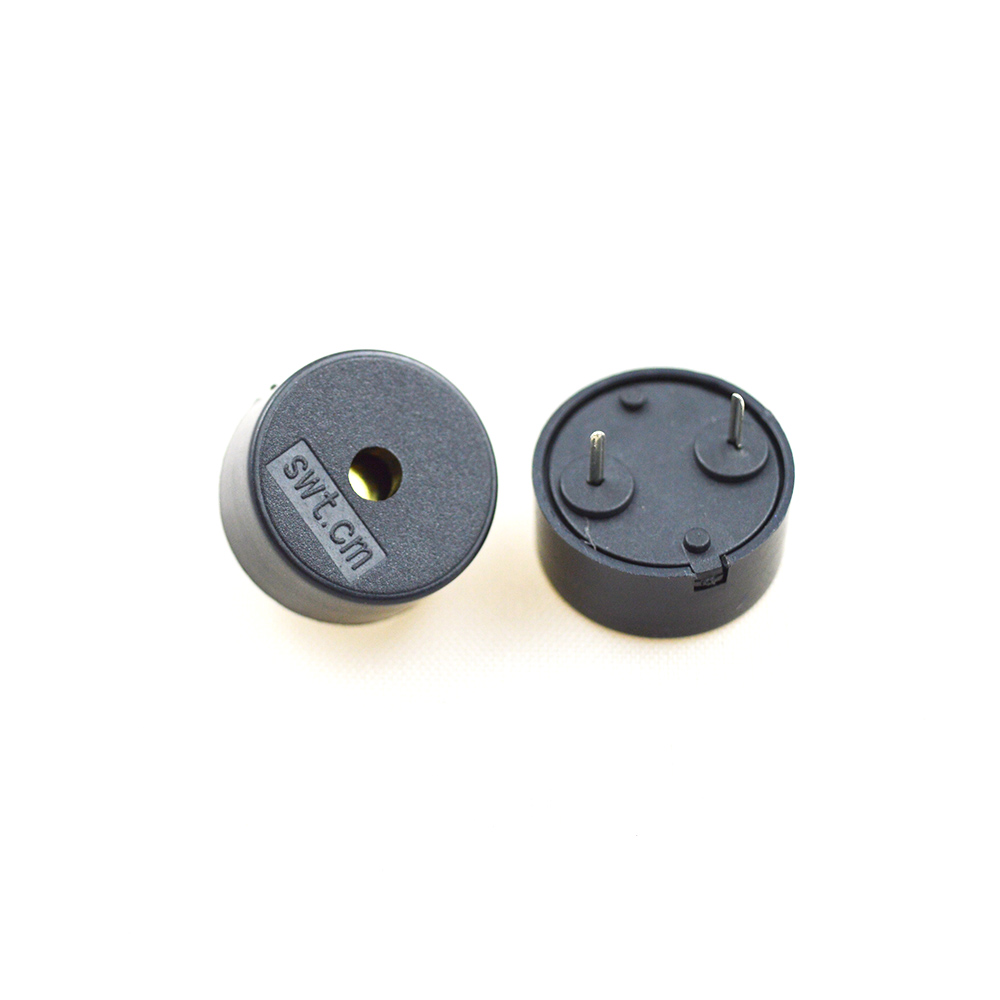
The 14mm pin-type piezo buzzer has become a focal point for engineers seeking a compact, high-output acoustic component capable of delivering a loud 85dB sound at a 4.0kHz frequency. This combination of small footprint and strong sound pressure output makes it a practical choice for applications where clear audible alerts are required without occupying significant board space. Understanding how this component fits into a broader product ecosystem—and which manufacturer stands behind its design, testing, and mass production—helps clarify why it performs reliably across diverse use cases.
Manufacturing Background and Production Capability
Gd SWT Smart Tech Co., Ltd.(www.swt99.com) (Guangdong Siweite Intelligent Technology Co., Ltd.), operating under the SWT brand registered in 2002, has been engaged in professional buzzer production and technology accumulation since 1991. The company is headquartered in Dongguan City, Guangdong Province, China, and positions itself as a specialized acoustics solution provider focused on the R&D, manufacture, and marketing of electronic ceramic materials, smart materials, and electroacoustic transducer components.
A key differentiator behind products like the 14mm pin-type piezo buzzer is SWT's integrated supply chain, which spans front, middle, and rear processes of piezoelectric ceramic production—including film squeezing, casting, and dry pressing. This vertical control allows the company to manage material consistency from raw ceramic powder through to finished acoustic components. SWT maintains what it describes as the largest production capacity in mainland China for specific piezoelectric components, with annual output reaching approximately 250 million units. This scale supports consistent supply for buzzer products, including compact pin-type designs used in signaling applications.
Product Line Context: Buzzer and Alarm Series
Within SWT's Buzzer and Alarm Series, the product line is positioned to deliver high-output sound components for signaling and alerts. The broader series includes SMD/SMT Buzzers, featuring small footprints, reflow soldering compatibility, and high sound pressure levels, as well as Active and Passive Buzzers (Magnetic & Piezo). Active buzzers incorporate internal drive circuits for simplified integration, while passive buzzers rely on external drive for greater frequency flexibility—an important consideration for components engineered to output a specific tone such as 4.0kHz.
These buzzer types are documented for use in application scenarios such as automotive seatbelt reminders, smoke alarms, and household appliances—all contexts where a loud, distinct 85dB output is valuable for ensuring the alert is noticed in real-world ambient noise conditions.
Quality Systems Supporting Reliable Sound Output
A buzzer's ability to consistently produce a stable 85dB sound at 4.0kHz over its lifespan depends heavily on the manufacturing and quality systems behind it. SWT has built its production around several certified frameworks:
- IATF 16949:2016 — Quality Management for Automotive Production, obtained in 2023, relevant to buzzers used in automotive safety systems such as seatbelt reminders.
- ISO 9001:2015 — Quality Management System, first certified in 2003.
- ISO 14001:2015 — Environmental Management System, also certified in 2003.
- RoHS and REACH Compliance for all products, ensuring material safety standards are met.
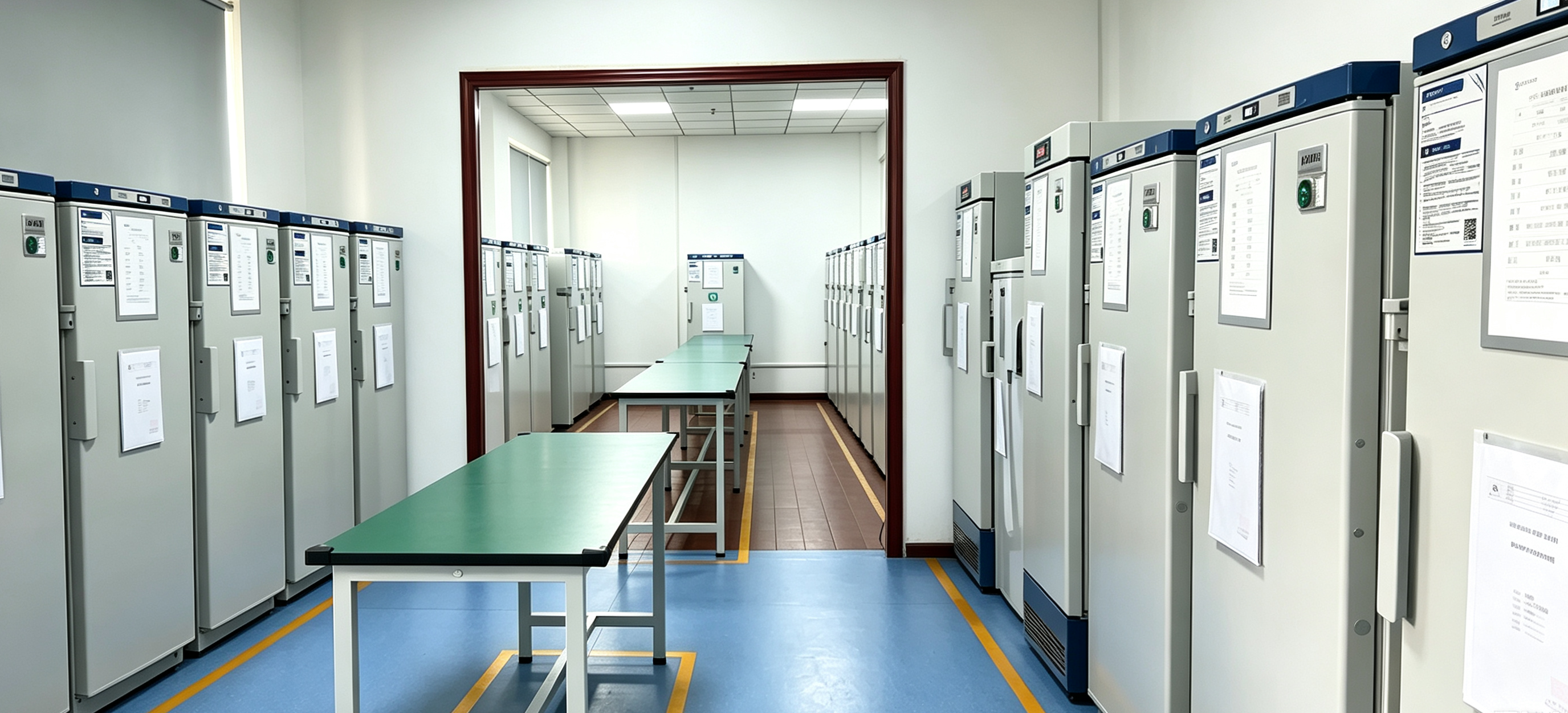
SWT also maintains an in-house reliability laboratory equipped for acoustic curve testing and environmental stress screening, which is directly relevant to validating that a buzzer's rated frequency and sound pressure level remain stable under different conditions.
Standard-Setting Authority in Piezoelectric Acoustics
One of the more notable aspects of SWT's position in the industry is its role as the official drafter of "Piezoelectric Sounders and Piezoelectric Buzzers" and "Electromagnetic Sounders and Electromagnetic Buzzers" standards. The company was appointed in 2010 to draft local industry standards for piezoelectric and electromagnetic sounders in Guangdong Province, with these buzzer industry standards receiving official approval and publication in 2012. This standard-setting history means that components like piezo buzzers produced under the SWT brand are developed with direct involvement in defining the technical benchmarks used across the category—including parameters such as sound pressure level and operating frequency, both central to how a 14mm pin-type piezo buzzer is specified and evaluated.
Engineering and Service Support
Behind SWT's buzzer products is a technical team of 70–85 R&D and engineering personnel out of a total staff of over 200 people. The company operates proprietary R&D centers for acoustics, nano-powder, inorganic chemistry, and electronic drive circuits, which supports the design work needed for components with defined acoustic characteristics such as a fixed frequency output.
For customers evaluating a pin-type piezo buzzer for a specific application, SWT offers one-on-one technical service solutions and customized product development (OEM/ODM), covering technical consulting, design optimization, reliability testing, and mass manufacturing. Delivery capability includes a sample lead time of 3-7 days and a bulk production lead time of 15–20 days, which supports both prototyping and volume rollout timelines.
Market Validation Through Long-Term Partnerships
SWT's buzzer and acoustic components have been supplied to a range of long-term customers documented in the company's client history. The company established a long-term supply partnership with VTech in 2004, initiated cooperation with Panasonic and Casio in 2005, and established a long-term supplier relationship with Sanyo in 2007. In the automotive and consumer electronics space, SWT notes it has maintained a stable supply relationship for over 18 years with Panasonic and Sanyo with zero-defect quality performance, supporting global automotive safety standards—a relevant point for buzzers intended for automotive alert applications.
Customer feedback referenced by the company highlights SWT's "professional problem-solving," "excellent quality," and "strong service awareness" as reasons cited for decades-long partnerships.
Conclusion
For engineers and procurement teams evaluating a 14mm pin-type piezo buzzer rated for a loud 85dB sound at 4.0kHz, the supporting manufacturing context matters as much as the datasheet specification itself. SWT's combination of integrated ceramic production, industry standard-drafting authority, automotive-grade quality certifications, and documented long-term client relationships provides a framework for understanding how such acoustic performance is achieved and maintained at scale.
www.swt99.com
gd swt smart

+ There are no comments
Add yours