


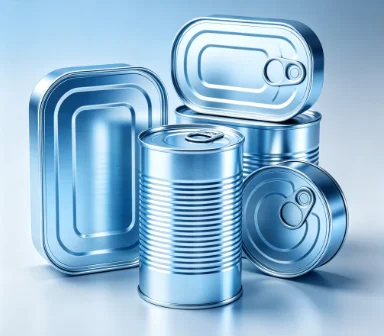
In industries such as mining, chemical processing, wastewater treatment, metallurgy, fertilizer production, and flue gas desulfurization (FGD), fluid handling systems often face a difficult combination of challenges. The transported medium is not only chemically aggressive but also contains abrasive solid particles that continuously attack pump components.
Under these operating conditions, standard centrifugal pumps frequently experience rapid impeller wear, casing corrosion, seal leakage, and unexpected shutdowns. These failures increase maintenance costs, reduce production efficiency, and shorten equipment lifespan.
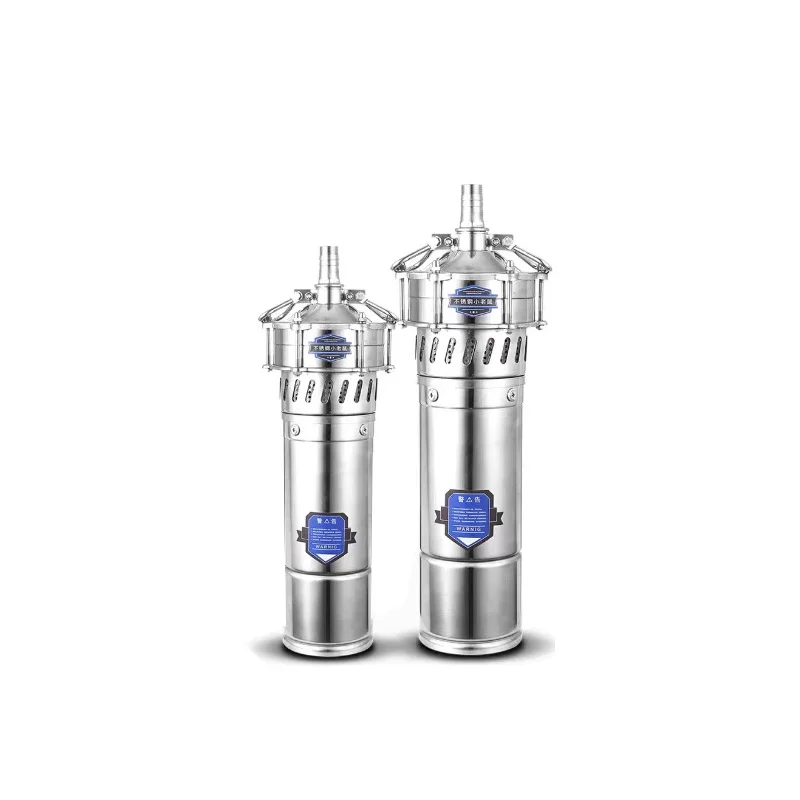
An acid resistant slurry pump is specifically engineered to address these challenges. By combining corrosion-resistant materials, wear-resistant hydraulic components, and optimized slurry-handling designs, these pumps provide reliable performance in some of the harshest industrial environments.
Understanding how these pumps work and how to select the right configuration can significantly improve operational reliability while reducing total ownership costs.
Why Corrosive Slurry Handling Is More Complex Than Standard Pumping
Many industrial pumping systems deal with either corrosion or abrasion. Slurry applications often involve both simultaneously.
Typical corrosive slurries may contain:
-
Sulfuric acid
-
Phosphoric acid
-
Hydrochloric acid
-
Acidic wastewater
-
Chemical processing residues
At the same time, the fluid frequently carries:
-
Mineral particles
-
Fly ash
-
Sand
-
Gypsum
-
Metal fines
-
Process sediments
When abrasive particles continuously impact pump surfaces while corrosive chemicals attack the material structure, wear rates can increase dramatically.
This combined damage mechanism explains why pumps designed only for clean water applications often fail prematurely in slurry environments.
What Makes an Acid Resistant Slurry Pump Different?
Unlike conventional centrifugal pumps, acid resistant slurry pumps are designed around three primary objectives:
-
Corrosion resistance
-
Abrasion resistance
-
Long-term operational stability
Several engineering features contribute to achieving these goals.
Specialized Wetted Materials
The wetted components are continuously exposed to corrosive media and abrasive particles.
Depending on application requirements, manufacturers may use:
-
High-chrome alloys
-
Duplex stainless steel
-
Rubber-lined casings
-
Polyurethane components
-
Fluoropolymer-lined structures
-
High-nickel alloy materials
Material selection should always be based on both chemical composition and particle characteristics.
Reinforced Hydraulic Components
The impeller and casing experience the highest wear rates.
Acid resistant slurry pumps typically incorporate:
-
Thicker wear sections
-
Optimized flow channels
-
Reduced turbulence zones
-
Improved particle passage capability
These features help extend component lifespan while maintaining hydraulic efficiency.
Heavy-Duty Bearing Systems
Slurry pumps frequently operate under high radial loads.
Robust bearing assemblies improve:
-
Shaft stability
-
Vibration control
-
Seal reliability
-
Overall equipment lifespan
Proper bearing selection becomes increasingly important in large-scale continuous-duty operations.
Material Selection: The Most Critical Design Decision
The success of any slurry pumping project depends heavily on selecting the appropriate material.
High-Chrome Alloy Components
High-chrome materials offer:
-
Excellent wear resistance
-
High hardness
-
Strong impact resistance
They are commonly used in mining and mineral processing applications where abrasion is the primary concern.
Rubber-Lined Pump Designs
Rubber linings provide advantages when handling:
-
Fine particle slurries
-
Moderate acid concentrations
-
High-volume transfer systems
Benefits include:
-
Lower replacement costs
-
Improved corrosion resistance
-
Excellent wear performance in specific applications
Stainless Steel Construction
Stainless steel is widely used in:
-
Chemical processing
-
Wastewater treatment
-
Food-related industries
Grades such as SS316 and duplex stainless steel offer improved resistance to many corrosive environments.
Advanced Composite Materials
For highly aggressive chemical applications, engineered composites and specialty alloys may provide the best long-term solution.
Although initial costs may be higher, service life often improves significantly.
Industries Driving Demand for Acid Resistant Slurry Pumps
Mining Operations
Mining facilities frequently transport abrasive slurries throughout the extraction and processing cycle.
Applications include:
-
Tailings transport
-
Leaching systems
-
Concentrate transfer
-
Thickener underflow pumping
Pump reliability directly affects production throughput.
Chemical Manufacturing
Chemical plants often handle acidic mixtures containing suspended solids.
Typical applications include:
-
Acid production
-
Chemical waste transfer
-
Reactor discharge systems
-
Process fluid circulation
Material compatibility is essential for maintaining safe operation.
Flue Gas Desulfurization Systems
Power plants use slurry pumps extensively within FGD systems.
The gypsum slurry generated during sulfur removal can create severe wear and corrosion challenges.
Proper pump selection reduces maintenance intervals and improves plant availability.
Industrial Wastewater Treatment
Many industrial wastewater streams contain corrosive chemicals and abrasive contaminants.
Reliable slurry pumping helps maintain treatment efficiency and environmental compliance.
Factors That Affect Pump Service Life
Even the highest-quality pump can experience premature failure if operating conditions are not properly considered.
Particle Size
Large particles generate greater impact forces.
As particle size increases, wear rates typically increase as well.
Slurry Concentration
Higher solid concentrations create more frequent contact between particles and pump surfaces.
This accelerates component wear.
Fluid Velocity
Excessive flow velocity can increase erosion rates.
Optimizing system design helps balance throughput and component lifespan.
Chemical Composition
Acid concentration, temperature, and chemical reactivity directly influence corrosion rates.
Material selection must account for these factors.
Energy Efficiency Matters More Than Ever
Many industrial pumping systems operate continuously.
As energy prices continue to rise, efficiency becomes a significant cost factor.
A well-designed acid resistant slurry pump can provide:
-
Improved hydraulic efficiency
-
Reduced power consumption
-
Lower operating costs
-
Enhanced system performance
Even small efficiency improvements can generate substantial annual savings in high-volume facilities.
Seal Reliability and Leakage Prevention
Mechanical seals often represent one of the most vulnerable components in slurry systems.
Challenges include:
-
Abrasive particle intrusion
-
Chemical attack
-
Pressure fluctuations
-
Thermal stress
Modern slurry pumps frequently utilize:
-
Double mechanical seals
-
Cartridge seal systems
-
External flushing arrangements
These solutions improve sealing performance and reduce maintenance requirements.
Evaluating Total Cost of Ownership
Many equipment purchases focus heavily on initial acquisition cost.
However, the true cost of ownership includes:
-
Maintenance expenses
-
Spare parts consumption
-
Energy usage
-
Downtime costs
-
Labor requirements
A pump with a higher purchase price but significantly longer service life often delivers better economic performance over its operating lifespan.
This is especially true in large industrial facilities where downtime can result in substantial production losses.
Choosing a Reliable Pump Manufacturing Partner
Successful slurry handling projects require more than simply selecting a pump model.
Manufacturing expertise influences:
-
Material quality
-
Hydraulic design
-
Component precision
-
Reliability testing
-
Technical support
A supplier with strong engineering capabilities can provide application-specific recommendations that improve long-term performance.
Jiangchen Electric Motor Co., Ltd. combines advanced manufacturing technologies with precision motor engineering and intelligent equipment development. While the company has extensive experience delivering efficient and reliable power solutions, the same engineering principles of durability, efficiency, and operational stability are critical when designing industrial pumping systems capable of handling challenging slurry applications.
Conclusion
An acid resistant slurry pump is far more than a standard pump equipped with corrosion-resistant materials. Its performance depends on the careful integration of hydraulic design, material selection, wear resistance, sealing technology, and energy efficiency.
By understanding the interaction between corrosion, abrasion, operating conditions, and lifecycle costs, industrial operators can make more informed equipment decisions. The right pump configuration not only extends service life but also improves production reliability, reduces maintenance costs, and delivers greater long-term value in demanding slurry handling environments.
www.jiangchenmotor.com
Foshan Jiangchen Electric Motor Co., Ltd.

+ There are no comments
Add yours