

Selecting the correct cutting wheel is an important step in achieving efficient cutting performance. The right choice does not only influence cutting speed, but also affects surface finish, wheel service life, production costs, and workplace safety.
Whether you are cutting carbon steel, stainless steel, or stone materials, using a suitable cutting wheel can greatly improve working efficiency and reduce unnecessary material waste.
This guide explains the key factors to consider when choosing a cutting wheel, including abrasive types, wheel thickness, application requirements, and common selection mistakes.
1. Basic Knowledge About Cutting Wheels
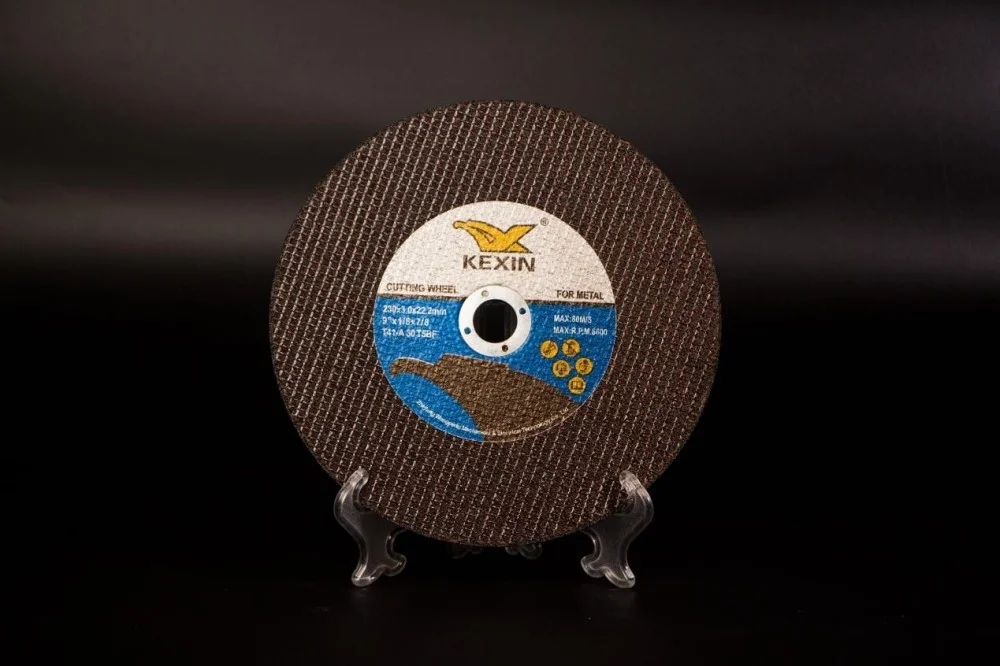
A cutting wheel is an abrasive tool manufactured by combining abrasive grains with bonding materials. During operation, the wheel rotates at high speed on equipment such as angle grinders or cutting machines, removing material through friction and controlled abrasion.
The performance of a cutting wheel mainly depends on three essential elements:
-
Abrasive grain: Determines cutting ability and material compatibility.
-
Bonding system: Influences wheel strength, durability, and heat resistance.
-
Reinforcement structure: Provides stability and improves operational safety.
Among various types available on the market, resin-bonded cutting wheels are widely used in industrial applications because they provide a good balance between cutting efficiency, flexibility, and mechanical strength.
2. Selecting the Right Cutting Wheel for Metal Materials
Metal cutting is one of the most common uses of cutting wheels. However, different metals require different wheel characteristics to achieve the best results.
When selecting a cutting wheel for metal, consider:
-
Material hardness
-
Required cutting speed
-
Heat generation during operation
-
Expected cutting accuracy
Recommended Cutting Wheel for Carbon Steel
For common metals such as carbon steel and mild steel, aluminum oxide abrasive wheels are usually the preferred choice.
Recommended features include:
-
Aluminum oxide (A) abrasive
-
Medium hardness bonding system
-
Standard thickness between 1.5–3 mm
Advantages include:
-
Reliable cutting performance
-
Good wear resistance
-
Cost-effective operation
For continuous cutting tasks in fabrication workshops, thinner cutting wheels around 1.0–1.5 mm can provide faster cutting speeds and cleaner edges while reducing burr formation.
3. Choosing a Cutting Wheel for Stainless Steel
Stainless steel requires more careful selection because it creates more heat during cutting and can be affected by contamination.
A poor choice of cutting wheel may result in:
-
Excessive heat buildup
-
Burn marks on the surface
-
Reduced corrosion resistance
-
Poor cutting quality
For stainless steel applications, look for:
-
White aluminum oxide (WA) abrasive
-
Low iron, sulfur, and chlorine content
-
Thin cutting design, usually 1.0–1.2 mm
Cutting wheels specifically marked for stainless steel or “INOX” applications are designed to reduce thermal damage and provide smoother cutting results.
4. Selecting a Cutting Wheel for Stone Materials
Stone cutting requires a different abrasive solution compared with metal applications. Materials such as granite, marble, and concrete are hard and require aggressive cutting performance.
For stone applications, silicon carbide (GC) abrasive cutting wheels are commonly used.
Important characteristics include:
-
High hardness
-
Strong cutting ability
-
Excellent wear resistance
Stone cutting wheels usually feature:
-
Strong bonding strength
-
Reinforced construction
-
Slightly thicker profiles for improved stability
During actual operation, maintaining steady cutting pressure is more important than forcing the wheel to cut faster. Excessive pressure can accelerate wear and increase the risk of wheel damage.
5. Why Cutting Wheel Thickness Is Important
The thickness of a cutting wheel directly affects cutting efficiency and durability.
Thin Cutting Wheels (1.0–1.5 mm)
Suitable for:
-
Precision cutting
-
Fast cutting operations
-
Applications requiring minimal material loss
Benefits:
-
Faster cutting speed
-
Less cutting resistance
-
Cleaner edges
Medium Thickness Cutting Wheels (1.5–2.5 mm)
Suitable for:
-
General-purpose cutting
-
Balanced performance requirements
Benefits:
-
Good combination of speed and durability
Thick Cutting Wheels (2.5–4 mm)
Suitable for:
-
Heavy-duty cutting applications
-
Long-duration operations
Benefits:
-
Higher strength
-
Longer service life
Choosing an unsuitable thickness may reduce efficiency or cause unnecessary wheel consumption.
6. Equipment Compatibility and Cutting Safety
Before using any cutting wheel, ensure that it matches your machine and operating conditions.
Important checks include:
-
Maximum RPM rating
-
Wheel diameter
-
Bore size compatibility
-
Machine type requirements
For safe operation:
-
Never exceed the rated speed of the cutting wheel
-
Always install the proper protective guard
-
Check the wheel carefully for cracks or damage before use
-
Store wheels in a dry environment
Proper equipment matching is essential for both cutting performance and operator protection.
7. Common Mistakes When Choosing a Cutting Wheel
Many cutting problems come from incorrect wheel selection. The following mistakes should be avoided.
Mistake 1: Using the Same Cutting Wheel for Every Material
Different materials require different abrasive characteristics. A universal wheel may work temporarily but often results in lower efficiency and reduced cutting quality.
Mistake 2: Ignoring Heat Control
Heat is especially important when cutting stainless steel. Excessive temperature can damage both the workpiece and the cutting wheel.
Mistake 3: Choosing Only Based on Low Price
A cheaper cutting wheel may wear faster, require more replacements, and increase overall operating costs.
Mistake 4: Improper Storage
Resin-bonded cutting wheels can be affected by moisture and incorrect handling. Proper storage helps maintain strength and performance.
8. The Importance of Cutting Wheel Manufacturing Quality
The performance of a cutting wheel depends heavily on manufacturing consistency. Factors such as abrasive distribution, bonding quality, and reinforcement structure directly influence cutting stability and safety.
A reliable manufacturer should maintain strict quality control throughout production.
For example, Zhejiang Wangpeng Electromechanical Technology Co., Ltd. is a high-tech enterprise specializing in the research, development, manufacturing, and sales of resin grinding wheels.
Established in 1996 (formerly Yongkang Xinxin Grinding Tools Co., Ltd.), the company has continuously improved its production technology and introduced advanced automated grinding wheel manufacturing equipment.
Its product range includes:
-
High-strength resin thin cutting wheels
-
Grinding wheels
-
Ultra-thin cutting discs
-
Specialized abrasive wheels including A, WA, and GC series
Stable production processes and consistent product quality help ensure reliable cutting performance in industrial applications.
For more product details and application-specific solutions, you can explore their cutting wheel products here:
<a href="https://www.wp-cut.com/cutting-wheel1.html">cutting wheel solutions for different materials</a>
9. How to Match the Cutting Wheel with the Application
Choosing the correct cutting wheel becomes easier when matching the wheel characteristics with the material:
| Material | Abrasive Type | Recommended Thickness | Main Advantage |
|---|---|---|---|
| Carbon Steel | A | 1.5–3 mm | Durability and stable cutting |
| Stainless Steel | WA | 1.0–1.2 mm | Heat control and clean edges |
| Stone | GC | 2–4 mm | Strong cutting ability |
This simple comparison can help reduce testing time and improve cutting efficiency in practical applications.
10. Conclusion
Choosing the right cutting wheel requires careful consideration of material type, abrasive composition, wheel thickness, machine compatibility, and manufacturing quality.
In industrial environments such as metal fabrication workshops, construction sites, and production facilities, the correct cutting wheel can significantly improve cutting speed, surface quality, and equipment efficiency.
By understanding the characteristics of different cutting wheels and selecting products from reliable manufacturers, users can achieve safer operations, lower costs, and more consistent cutting results.
www.wp-cut.com
Zhejiang Wangpeng Electromechanical Technology Co., Ltd.

+ There are no comments
Add yours