
Box-Column Cryogenic Pipe Clamp Supports: Structure, Fabrication and Inspection for Heavy LNG and LEG Piping
On LNG and LEG carriers, larger cargo and fuel-gas lines carry cryogenic fluid at -162°C (LNG) or -104°C (LEG), and those lines need supports that hold them centred, carry weight and vibration, and keep cold away from the hull. A box-column cryogenic pipe clamp support does this with a single welded pedestal rising from a bolted base plate. This article examines how these cryogenic pipe clamp supports are structured, what materials they use, and how they move from drawing to inspection record.
The box-column structure
The support splits into three visible parts. At the top, a split clamp head wraps around the pipe and fastens with bolts and washers through side ears. In the middle, a square box-column pedestal transfers that load straight down; its hollow section, welded side plates and internal stiffening give stiffness without extra weight. At the bottom, a flat base plate carries fixing bolts at the corners, anchoring the unit to deck, bracket or structural steel.
Compared with a light two-bolt clip, the column arrangement keeps the clamp head square to the pipe axis and provides a deeper load path for heavier line sections. The clamp head sits squarely on the column rather than hanging off a thin bracket, so vibration, sloshing and hull motion are carried back to the structure in a controlled line of force. The exact column height, plate thickness and bolt pattern come from the vessel's own layout, not a standard catalogue.
Load path and cryogenic isolation
Once installed, the pipe rests in the clamp head; its weight passes through the head, down the box column and out through the base plate to the ship structure. Between pipe and steel, insulating material interrupts the cold bridge, so the -162°C or -104°C line does not chill the surrounding structure or cause condensation and thermal shock. The contact surface is lined to protect the pipe coating and even out pressure around the circumference.
Design follows GTT Mark-III containment practice for membrane-type carriers: the line is held at its design position, allowed limited movement for thermal expansion, and isolated from adjacent structure. Where the support sits near tank domes, decks or bulkheads, the geometry is checked against the local clearance before production.
Materials
Where the part touches the cryogenic line, the clamp head and liner use 316L Stainless Steel Marine Components, chosen for corrosion resistance in the humid marine atmosphere and stability at low temperature. Non-metallic inserts and Marine Insulation Pad liners sit between pipe and clamp, cutting cold-bridge transfer. The welded column and base are fabricated from structural steel to the drawing's grade and coating specification; stainless parts are handled and cleaned separately after machining to protect weld oxide and cut edges.
Drawing-driven fabrication
No two vessels match. Pipe outside diameter, insulation thickness, ear bolt spacing, column height, base plate size and the fixing pattern all come from the naval architect's drawing, and the support has to fit that layout. Before material is cut, dimensions, grades and configuration are confirmed against the drawing; on retrofits, measurements are taken from the existing vessel.
Early drawing exchange in the engineering phase lets the supplier check material availability and production planning without pressing the yard's schedule. Whether the order is a single support or a package of clamps, brackets and saddle units, the same drawing review, material check and inspection sequence applies.
Quality system and welding approval
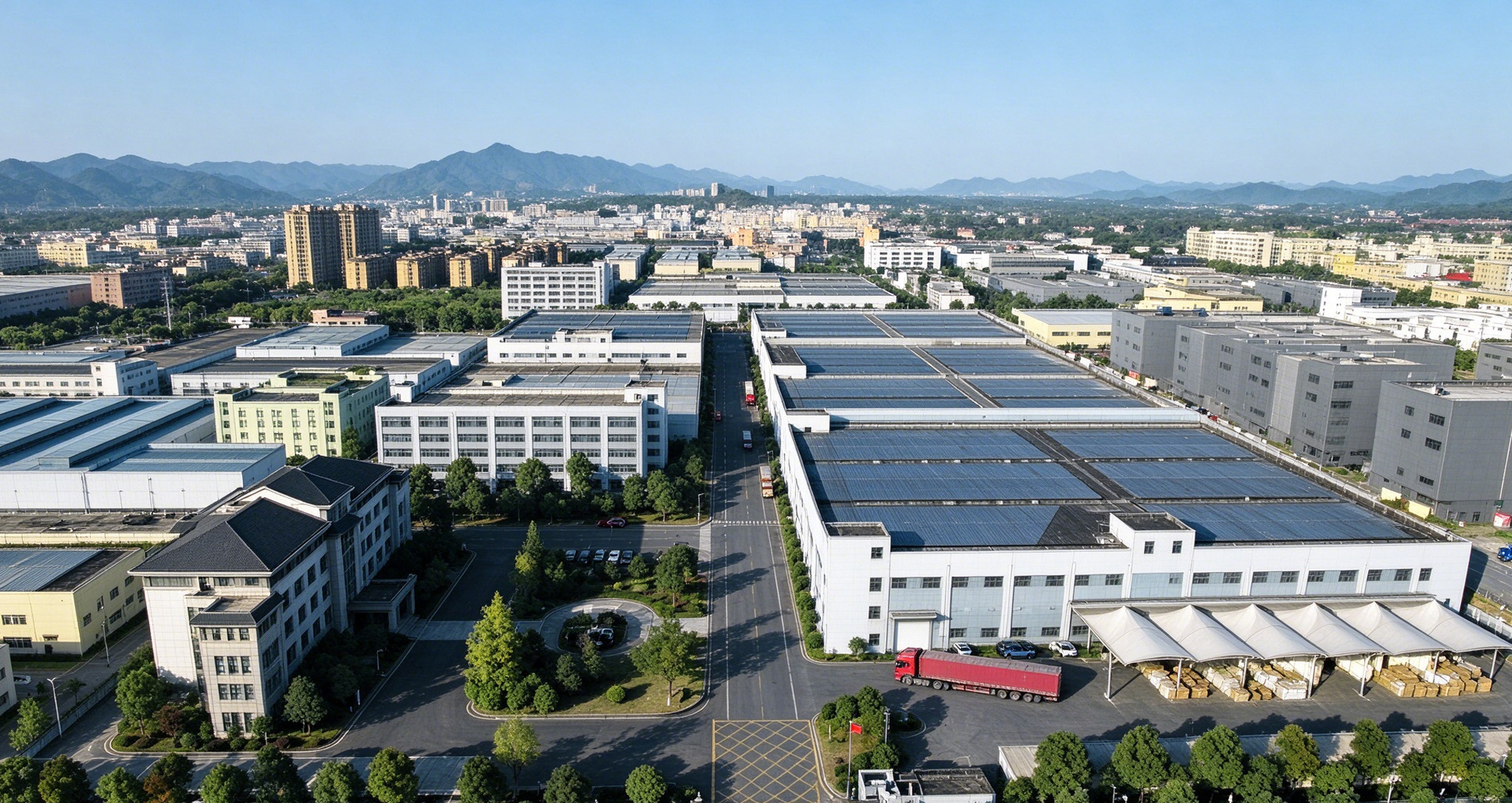
Production runs under an ISO 9001 quality management system, and the welding workshop holds DNV approval. The sequence follows a fixed structure: drawing review, material purchase, incoming inspection, production planning, welding and machining, final inspection and packing. Incoming material is checked against the purchase specification for grade, dimensions and surface condition; stainless components are kept separate to avoid cross-contamination, and batches stay traceable through the workshop.
Batch traceability links each finished unit back to its material, drawing and welder. Welding follows qualified procedures performed by qualified welders; each weld is visually inspected and, where required, dimensionally verified. The workshop approval reflects an ongoing discipline of procedure control, welder qualification and inspection, not a one-time certificate.
Newbuild versus retrofit
Newbuild work is planned months ahead: drawings arrive early, material is reserved, and production slots are booked against the outfitting schedule. Retrofit and repair work is shorter and less predictable, with the vessel in dock for a limited window and components that must match what is already installed. A manufacturer handling both needs flexible planning, the ability to work from measurements as well as drawings, and clear lead-time communication.
Documentation and delivery
Every batch ships with inspection records that let the shipyard confirm what was built, from which material and against which drawing. Packing is planned for sea freight and site handling, with units labelled to the piping line numbers where the drawing allows. For projects with class involvement, the documentation package can be organised to match the surveyor's review sequence. Clear labelling matters on a busy deck: a mixed crate can otherwise cost a shift in installation time.
How to order
Send the drawing and pipe schedule first. The supplier confirms diameter range, material grade, insulation requirement, load case and delivery window, then quotes against the confirmed configuration. A preliminary layout review can identify where a standard unit will work and where a custom one is needed — usually cheaper than a later change order.
Conclusion
A box-column cryogenic pipe clamp support sits between a cryogenic line and the hull, carrying weight and movement while keeping cold out of the structure. Working alongside our other LNG Vessel Cryogenic Pipe Support hardware, these Cryogenic Pipeline Components install without rework and hold the line over years of service. Send your drawings, and Dolphin Marine will confirm materials, dimensions and delivery before production.
www.duofen-cryo.com
Shanghai Dolphin Marine Supporting Co.,Ltd.

+ There are no comments
Add yours