

In heavy industrial operations such as mining, cement production, and chemical processing, ball mills play a vital role in grinding and material processing. At the heart of these machines are special self-aligning bearings, which ensure smooth rotation, load stability, and long-term operational reliability.
Selecting the right bearings for ball mills is a critical decision that directly impacts equipment performance, maintenance cycles, and overall production efficiency. This guide explores how to choose the most suitable self-aligning bearings and what factors should be considered for demanding industrial environments.
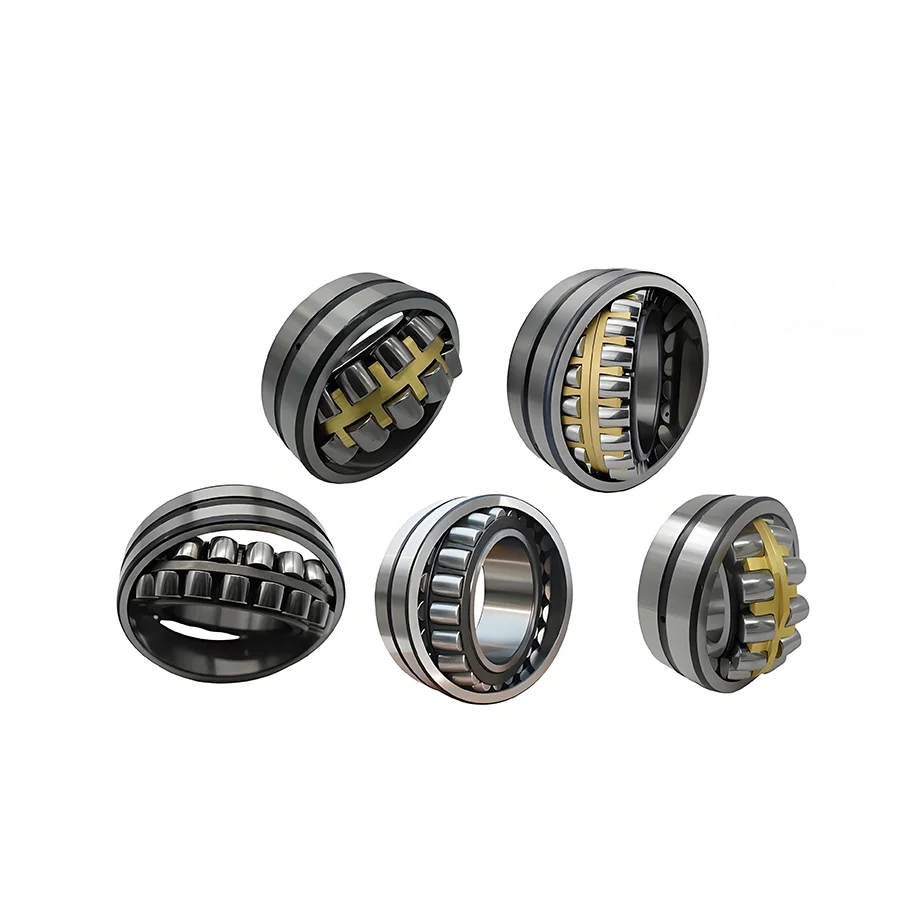
Understanding the Role of Self-Aligning Bearings in Ball Mills
Ball mills operate under extreme conditions, including heavy loads, continuous rotation, and exposure to dust, moisture, and high temperatures. Misalignment between the shaft and housing is common due to installation errors, structural deformation, or thermal expansion.
Self-aligning bearings are specifically designed to address these challenges. Their unique internal structure allows them to automatically adjust to shaft misalignment, reducing stress on components and ensuring stable operation.
In ball mills, these bearings help:
-
Maintain smooth rotational motion
-
Reduce friction and wear
-
Compensate for shaft deflection
-
Extend equipment lifespan
Why Special Bearings Are Required for Ball Mills
Standard bearings are often insufficient for ball mill applications. The harsh working environment demands special self-aligning bearings with enhanced durability and load capacity.
These bearings are engineered to handle:
-
Heavy radial and axial loads
-
Low-speed, high-torque operation
-
Shock loads and vibration
-
Contaminated environments
Choosing the right type ensures consistent performance and minimizes unexpected downtime.
Key Factors to Consider When Selecting Bearings
Load Capacity and Operating Conditions
Ball mills generate significant loads during operation. It is essential to select bearings that can handle both dynamic and static loads without premature failure.
Consider:
-
Maximum load requirements
-
Impact loads during startup and operation
-
Continuous vs. intermittent operation
High-load capacity bearings ensure stability and reduce the risk of damage under extreme conditions.
Alignment Capability and Tolerance
Misalignment is inevitable in large-scale equipment like ball mills. Bearings with strong self-aligning capabilities can accommodate angular deviations and prevent excessive stress on shafts and housings.
This feature is particularly important in long rotary systems where structural deformation may occur over time.
Sealing and Protection
Ball mill environments are often filled with dust, moisture, and abrasive particles. Without proper sealing, contaminants can enter the bearing and cause rapid wear.
Effective sealing solutions help:
-
Prevent contamination
-
Retain lubrication
-
Extend maintenance intervals
Choosing bearings with robust sealing systems is essential for reliable operation.
Lubrication Requirements
Proper lubrication reduces friction, dissipates heat, and extends bearing life. In ball mill applications, lubrication systems must be designed to handle heavy loads and continuous operation.
Options include:
-
Grease lubrication for simpler systems
-
Oil circulation systems for high-performance applications
Selecting the right lubrication method ensures consistent performance and reduces maintenance costs.
Material and Manufacturing Quality
The durability of a bearing depends heavily on the materials used and the precision of its manufacturing process.
High-quality bearings typically feature:
-
Advanced alloy steels
-
Heat-treated components for increased hardness
-
Precision machining for tight tolerances
These factors contribute to improved wear resistance and longer service life.
Customization for Specific Applications
Each ball mill system has unique requirements based on its design, capacity, and operating environment. Customized bearing solutions can provide better performance than standard products.
Working with experienced equipment providers allows for:
-
Tailored bearing designs
-
Optimized load distribution
-
Improved compatibility with existing systems
Sawei Equipment Technology, with its expertise in complete process equipment development, supports industries such as phosphate chemicals, sulfur chemicals, ammonium phosphate, and compound fertilizers. Their integrated approach enables the design of optimized equipment systems, including reliable components like bearings for demanding industrial applications.
Maintenance and Monitoring Considerations
Even the best bearings require proper maintenance to ensure long-term performance.
Key practices include:
-
Regular inspection for wear and damage
-
Monitoring temperature and vibration
-
Maintaining proper lubrication levels
-
Replacing components before failure
Implementing predictive maintenance strategies can significantly reduce downtime and extend equipment lifespan.
Applications in Industrial Sectors
Special self-aligning bearings for ball mills are widely used in:
-
Mining and mineral processing
-
Cement manufacturing
-
Chemical and fertilizer production
-
Environmental recycling systems
In sectors such as phosphorous and sulfur chemical processing, where Sawei Equipment Technology provides complete process solutions, reliable bearing performance is essential for maintaining continuous production and operational efficiency.
Conclusion
Choosing the right special self-aligning bearings for ball mills is a crucial step in ensuring efficient and reliable industrial operations. By considering factors such as load capacity, alignment tolerance, sealing, lubrication, and customization, businesses can significantly improve equipment performance and reduce maintenance costs.
Partnering with experienced solution providers like Sawei Equipment Technology enables industries to benefit from integrated system design and optimized component selection. In demanding environments, the right bearing choice is not just a technical detail—it is a key driver of productivity, reliability, and long-term success.
www.swasps.com
Jiangsu Sawei Equipment Technology Co., Ltd.

+ There are no comments
Add yours