


In modern manufacturing, stable heat is not simply a utility—it is a production condition that directly affects product quality, energy efficiency, and equipment lifespan. From chemical processing and plastic extrusion to composite curing and coating lines, industrial heating systems operate continuously under high thermal loads. Any temperature fluctuation, control delay, or system instability can result in defects, downtime, or long-term operational risk.
This is why thermic fluid heating technology has become a core infrastructure across many industries. As production lines grow larger and more automated, the role of thermic fluid heater manufacturers has evolved far beyond supplying standalone equipment. Today, manufacturers are expected to deliver integrated thermal systems built on engineering precision, long-term reliability, and deep process understanding.
This article explores the key technologies behind stable industrial heating systems, explains what differentiates reliable manufacturers from equipment suppliers, and examines how companies like AODE support industrial users through system-level temperature control solutions.
Why Industrial Heating Stability Matters
Industrial heating differs fundamentally from commercial or residential applications. Manufacturing processes demand:
-
Continuous operation over extended periods
-
Stable temperature output under variable loads
-
Uniform heat distribution across large systems
-
Precise control with minimal deviation
-
Long-term safety without frequent maintenance
In many production environments, heating systems operate 24 hours a day. Even minor temperature instability—often unnoticed at first—can lead to cumulative quality losses such as inconsistent material viscosity, uneven curing, or dimensional deformation.
Stable heating is therefore not achieved by heating capacity alone, but through a combination of thermal design, control accuracy, system matching, and manufacturing quality.
Understanding Thermic Fluid Heating Technology
A thermic fluid heater uses heat transfer oil as the medium to transport thermal energy within a closed-loop system. Unlike steam or direct electric heating, the oil does not undergo phase change, allowing the system to operate at high temperatures while maintaining relatively low pressure.
A typical system includes:
-
Heater unit
-
Circulation pump
-
Expansion tank
-
Control cabinet
-
Heat transfer piping network
-
End-use heat exchangers or jackets
In industrial plants, these systems may also be configured as a hot water oil heater, depending on the operating temperature range and process requirements. Both structures follow the same principle: indirect heat transfer with precise temperature control.
Core Technologies Behind Stable Industrial Heating
1. Accurate Thermal Load Calculation
Stable heating begins before manufacturing even starts.
Professional manufacturers calculate:
-
Total system heat demand
-
Start-up load and steady-state load
-
Heat loss from piping and equipment
-
Simultaneous multi-zone usage
Incorrect thermal calculations often result in unstable output, oversized energy consumption, or insufficient heating capacity. Reliable systems are designed around actual production conditions, not theoretical maximums.
2. Uniform Heating Element Design
Uneven heating is a common cause of oil degradation and carbon buildup.
Advanced heater design focuses on:
-
Optimized surface heat flux
-
Balanced heating element distribution
-
Controlled internal flow velocity
By maintaining uniform thermal density, the system avoids local overheating while extending oil life and heater service cycles.
3. High-Efficiency Circulation Control
Stable heating depends on consistent oil flow.
Modern systems employ:
-
Industrial-grade circulation pumps
-
Variable frequency control
-
Redundant protection logic
Stable flow ensures even temperature delivery to every heating point and prevents thermal lag during load changes.
4. Intelligent Temperature Control Architecture
Temperature control is no longer limited to simple on/off regulation.
Modern thermic fluid systems rely on:
-
PID control algorithms
-
High-precision temperature sensors
-
Multi-zone independent regulation
-
Real-time feedback monitoring
This allows temperature deviation to remain within narrow tolerances even during continuous production fluctuations.
5. Comprehensive Safety Protection Systems
Stable heating also means safe heating.
Professional systems integrate:
-
Over-temperature protection
-
Low-flow alarms
-
Pressure monitoring
-
Expansion tank level control
-
Emergency shutdown logic
These safeguards ensure long-term operational stability, especially in unattended production environments.
Applications Requiring High Heating Stability
Plastic Extrusion and Injection Molding
Thermic fluid systems are widely used to heat:
-
Extruder barrels
-
Mold temperature circuits
-
Die heads and rollers
Stable oil temperature ensures consistent melt viscosity and reduces surface defects.
Chemical and Pharmaceutical Processing
Continuous reactors and distillation units rely on precise heating to maintain reaction stability. Thermal fluid systems allow:
-
Accurate reaction temperature control
-
Uniform heat input
-
Clean, closed-loop operation
This is essential for process repeatability and safety compliance.
Composite and Rubber Manufacturing
In composite curing and rubber vulcanization, temperature directly affects material strength and bonding quality. Thermal fluid heaters support:
-
Heated presses
-
Continuous ovens
-
Multi-stage curing systems
Coating, Laminating, and Drying Lines
Many coating processes depend on consistent roller and drying temperatures. Even small fluctuations can cause coating thickness variation or adhesion failure.
What Defines a Professional Manufacturer Today
With rising industrial complexity, end users no longer evaluate suppliers solely on equipment specifications. The focus has shifted toward system reliability and long-term operational performance.
Professional manufacturers must offer:
-
Process-based system design
-
Customized thermal architecture
-
Long-term stability validation
-
Integration with automation systems
-
After-sales technical support
This transition has separated system integrators from basic equipment suppliers.
AODE: Twenty-Two Years of Industrial Temperature Control Expertise
Founded in Shenzhen in 2004, AODE began its development focusing on mold temperature controllers and water chillers. In 2007, the establishment of SUZHOU AODE PRECISE EQUIPMENT Co., LTD. marked a major step toward large-scale manufacturing and independent research capabilities.
Over the past twenty-two years, AODE has continuously expanded its technical depth in industrial temperature control.
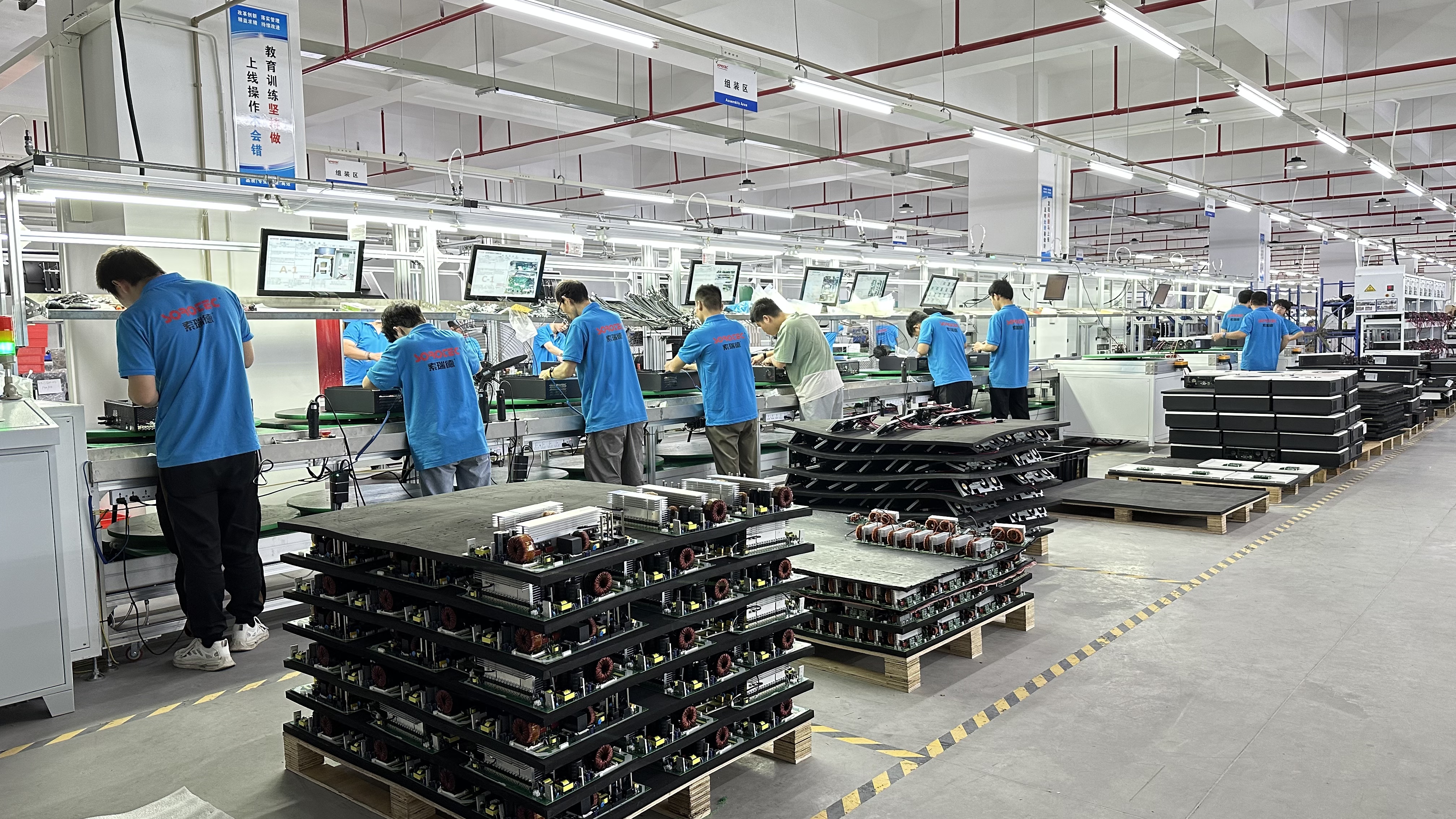
Today, SUZHOU AODE PRECISE EQUIPMENT Co., LTD. operates as a comprehensive temperature control equipment manufacturer integrating:
-
Independent R&D
-
Precision production
-
System engineering
-
Application-focused solutions
The company has evolved from single-unit equipment manufacturing to complete system integration for complex industrial heating processes.
AODE’s Approach to Stable Industrial Heating
Engineering Driven by Process Requirements
Rather than offering standardized machines only, AODE designs systems based on:
-
Industry application characteristics
-
Operating temperature range
-
Heating medium selection
-
Control accuracy requirements
-
Continuous production duration
This ensures that heating systems are matched to actual production needs.
Emphasis on Long-Term Operational Stability
AODE’s system design prioritizes:
-
Balanced thermal load distribution
-
Reduced thermal stress on components
-
Extended oil service life
-
Stable performance under continuous operation
This approach significantly reduces unplanned shutdowns and maintenance frequency.
Integration with Modern Industrial Automation
As factories move toward digitalization, temperature control systems must integrate seamlessly with production management platforms.
AODE systems support:
-
PLC and HMI integration
-
Centralized control architecture
-
Real-time operating data monitoring
This enables stable thermal management within intelligent manufacturing environments.
Building a Reliable Industrial Heating Solution
A stable heating system is not defined by heater power alone. It is the result of:
-
Correct thermal calculations
-
Precision manufacturing
-
Intelligent control systems
-
Safe operational design
-
Long-term engineering experience
For manufacturers seeking a dependable industrial heating solution, choosing the right system partner is as critical as selecting the equipment itself.
Conclusion
Thermic fluid heating systems play a vital role in modern industrial production, supporting stable temperature environments across a wide range of continuous processes.
Behind every reliable system lies a combination of advanced thermal technology, engineering expertise, and long-term manufacturing experience. As industries demand higher precision and greater reliability, the responsibility of thermic fluid heater manufacturers continues to expand—from equipment supply to full-system temperature control integration.
With more than two decades of technical accumulation, AODE continues to advance industrial temperature control technology, helping manufacturers achieve safer, more stable, and more efficient production operations.
https://www.aode-global.com/
SUZHOU AODE PRECISE EQUIPMENT Co., LTD.

+ There are no comments
Add yours