

Understanding Clean Steam Systems: A Comprehensive Buying Guide
In modern industrial and laboratory environments, the demand for high-quality steam generation has never been more critical. As industries face increasing regulatory pressure and pursue "Double Carbon" goals, traditional coal-fired boilers are being phased out in favor of cleaner, more efficient alternatives. This guide explores the essential considerations when selecting a clean steam system and highlights the technological innovations reshaping the industry.
The Evolution of Industrial Steam Generation
Clean steam systems represent a significant departure from conventional boiler technology. These advanced solutions address longstanding industry pain points, including air pollutant emissions, energy inefficiency, and the challenge of maintaining constant temperature during steam transportation, particularly in cold climates. The shift toward clean steam technology reflects both environmental imperatives and practical operational requirements.
Modern clean steam generators utilize sophisticated combustion technology and precision controls to deliver saturated steam with minimal environmental impact. Unlike traditional systems, contemporary solutions feature integrated monitoring capabilities, automated safety protocols, and rapid startup times that dramatically reduce operational costs and carbon footprints.
Key Performance Indicators for Clean Steam Systems
When evaluating clean steam systems, several technical metrics deserve careful consideration. Thermal efficiency stands as perhaps the most critical factor, with leading systems now achieving rates exceeding 95%. This remarkable efficiency translates directly into reduced fuel consumption and lower operational costs—in some cases, enabling energy savings of up to 20% compared to conventional boilers.
Emission control represents another vital consideration. Advanced combustion technologies, including flue gas circulation and flame division methods, have successfully minimized nitrogen oxide emissions. Ultra-low nitrogen combustion systems now meet increasingly stringent environmental regulations while maintaining optimal performance levels.
Startup time significantly impacts operational flexibility. Modern vertical internal combustion fire tube generators can initiate steam production within seconds of activation, with saturated steam temperatures reached in as little as 3-5 minutes. This rapid response capability proves invaluable in production environments requiring immediate steam availability.
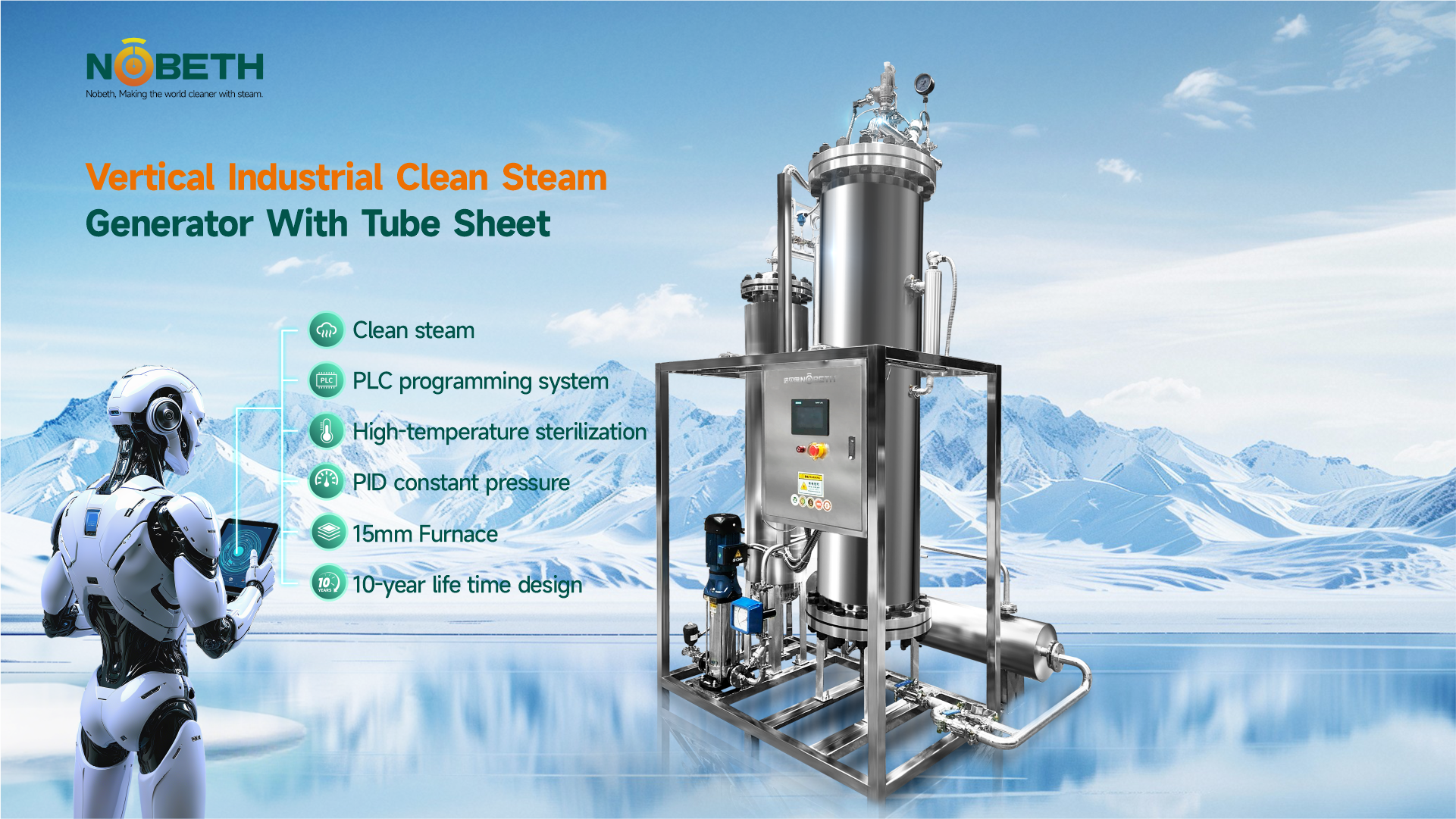
Steam quality determines system suitability for specific applications. Dry steam—produced without water carryover—is essential for many industrial processes, particularly in food processing, pharmaceutical manufacturing, and precision research applications. Systems employing copper float level controllers and multiple heating pipe configurations ensure consistent steam quality across varying demand levels.
Electric versus Gas-Fired Steam Generators
Clean steam systems generally fall into two primary categories, each offering distinct advantages for different operational contexts.
Electric steam generators excel in environments prioritizing zero emissions, compact footprint, and precise control. These systems range from small-capacity units generating 2.6-32 kg/h for laboratory applications to large-scale industrial models with power options spanning 6KW to 720KW. Electric generators require no special water quality requirements and eliminate open flame hazards, making them ideal for volatile environments and research facilities.
Compact electric models feature patented vertical structures with customizable aesthetics, addressing space constraints while maintaining professional appearance standards. Automated operation minimizes manual intervention, while integrated water level and pressure control systems ensure consistent performance. The absence of combustion byproducts makes electric generators particularly suitable for food processing, medical sterilization, and educational research applications.
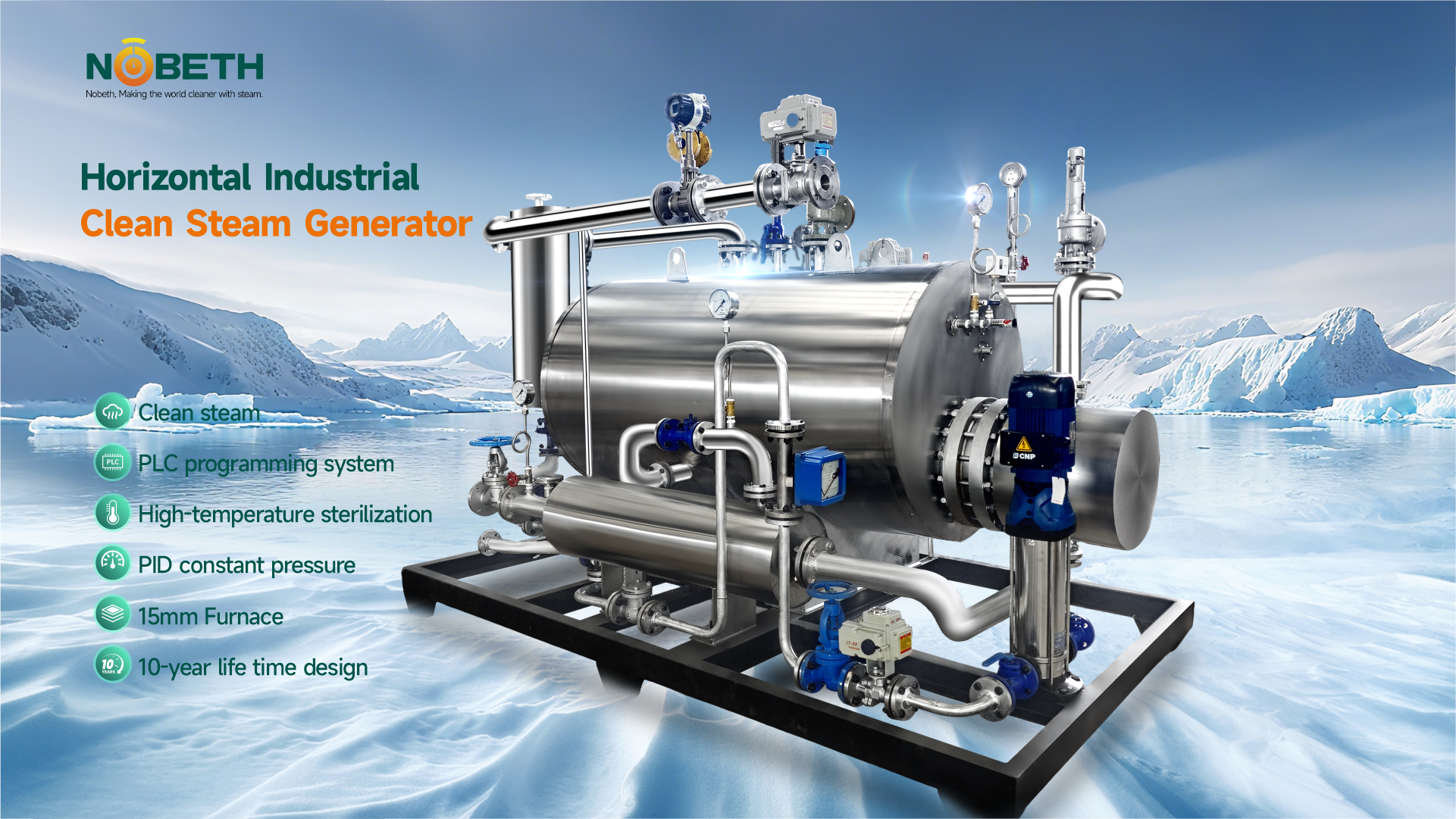
Gas and oil-fired steam generators deliver high-output solutions for large-scale industrial operations. These systems incorporate imported burners and energy recovery devices that capture waste heat, significantly reducing fuel consumption. Advanced membrane wall designs utilizing German heat exchange technology achieve superior thermal performance while ensuring structural durability through wide steel plate seal welding.
Gas-fired systems feature dual-return heat exchange mechanisms, honeycomb heat exchange devices, and fin tube configurations that maximize heat transfer efficiency. Smart interfaces supporting 5G connectivity enable both local and remote operation, facilitating predictive maintenance and real-time performance monitoring.
Application-Specific Considerations
Different industries present unique steam generation requirements that influence system selection.
Manufacturing operations involving concrete maintenance, rubber production, or foam panel technology require reliable, high-volume steam delivery. Systems serving these applications must maintain consistent output during extended production cycles while accommodating varying demand levels.
Food and beverage processing demands strict hygiene standards and precise temperature control. Steam generators serving honey heating, wolfberry drying, or jam production must deliver clean, contamination-free steam at specific temperatures. Probe-type sensor technology has largely replaced traditional float systems in food applications, eliminating maintenance issues caused by scale buildup and water quality variations.
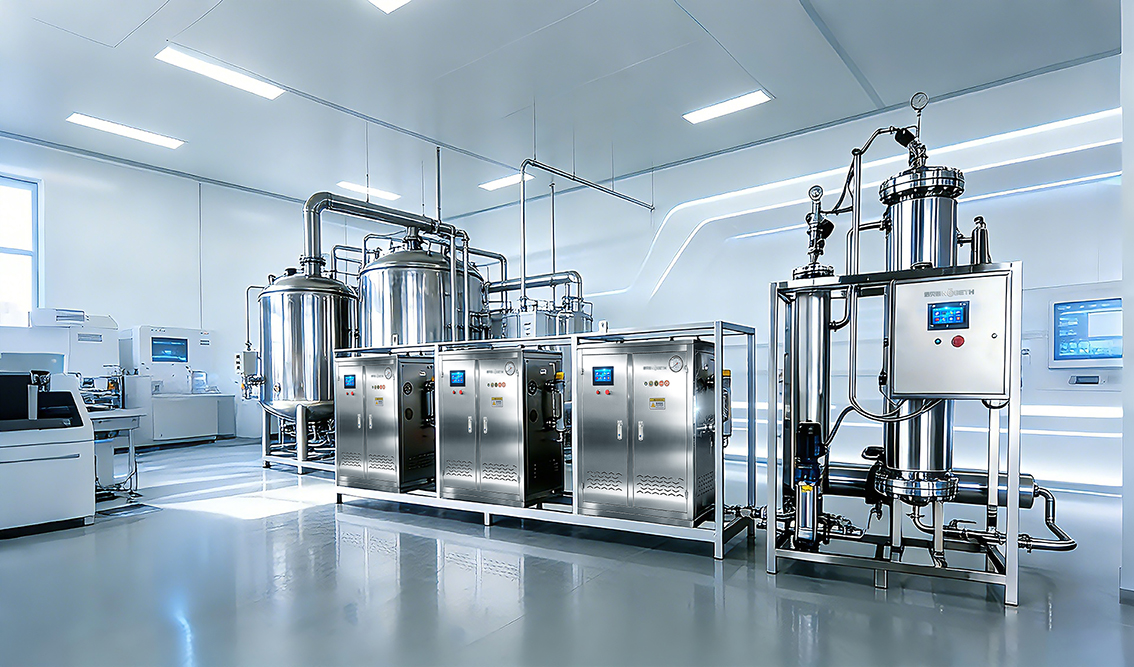
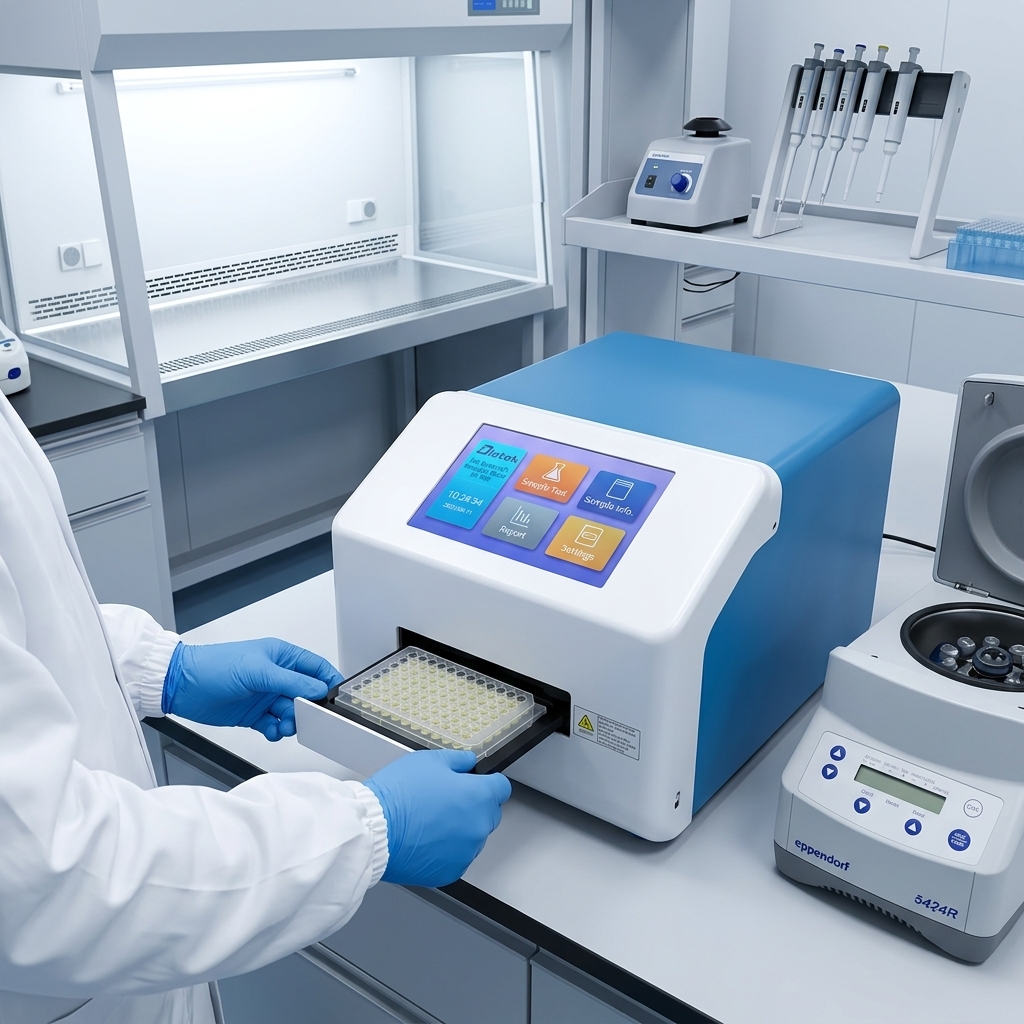
Healthcare and research environments require absolute reliability for sterilization and experimental procedures. University laboratories and medical facilities prioritize compact systems offering simple operation, automated controls, and verified performance consistency.
Advanced Control Systems and Integration
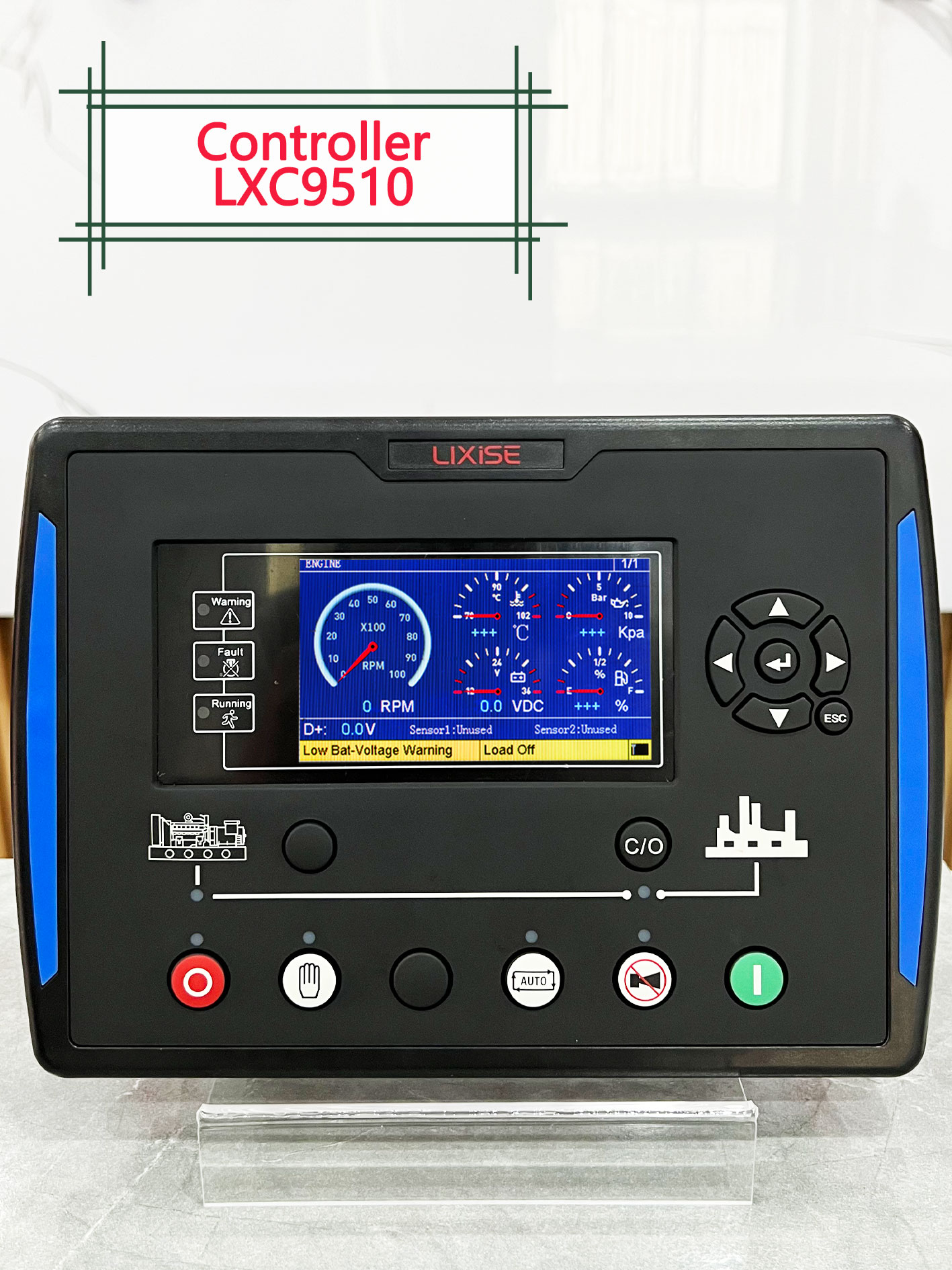
Contemporary clean steam systems increasingly incorporate sophisticated control technologies that enhance operational efficiency and system longevity. Multiple linkage intelligent control systems coordinate various operational parameters, automatically adjusting heating cycles, pressure levels, and water feed rates based on real-time demand.
5G Internet of Things integration represents a significant technological advancement, enabling remote monitoring and control capabilities. Reserved 485 communication interfaces facilitate seamless connectivity, allowing operators to monitor equipment status, receive maintenance alerts, and adjust operational parameters from any location. This connectivity proves particularly valuable for multi-site operations and facilities requiring 24/7 monitoring.
Safety features have evolved substantially, with modern systems incorporating dual guarantee mechanisms through adjustable pressure controllers and redundant safety valves. Automatic ignition systems and combustion fault alarms prevent operational hazards, while probe-type level controls eliminate risks associated with traditional float mechanisms.
Long-Term Performance and Maintenance
The durability and maintainability of clean steam systems significantly impact total cost of ownership. High-quality systems demonstrate remarkable longevity, with properly maintained equipment remaining operational for decades. Systems installed as early as 1999 continue performing effectively after incorporating updated sensor technology and regular maintenance protocols.
Maintenance requirements vary by system type but generally emphasize daily pressurized sewage discharge and regular scale cleaning to preserve thermal efficiency. Heating tube replacement represents the primary periodic maintenance requirement for electric systems, with intervals extending to multiple years under normal operating conditions.
Equipment customization options, including 316L stainless steel construction and specialized powder coating, enable systems to withstand harsh industrial environments while maintaining aesthetic standards. This flexibility ensures clean steam systems can adapt to diverse operational contexts while delivering consistent performance.
Making the Right Choice
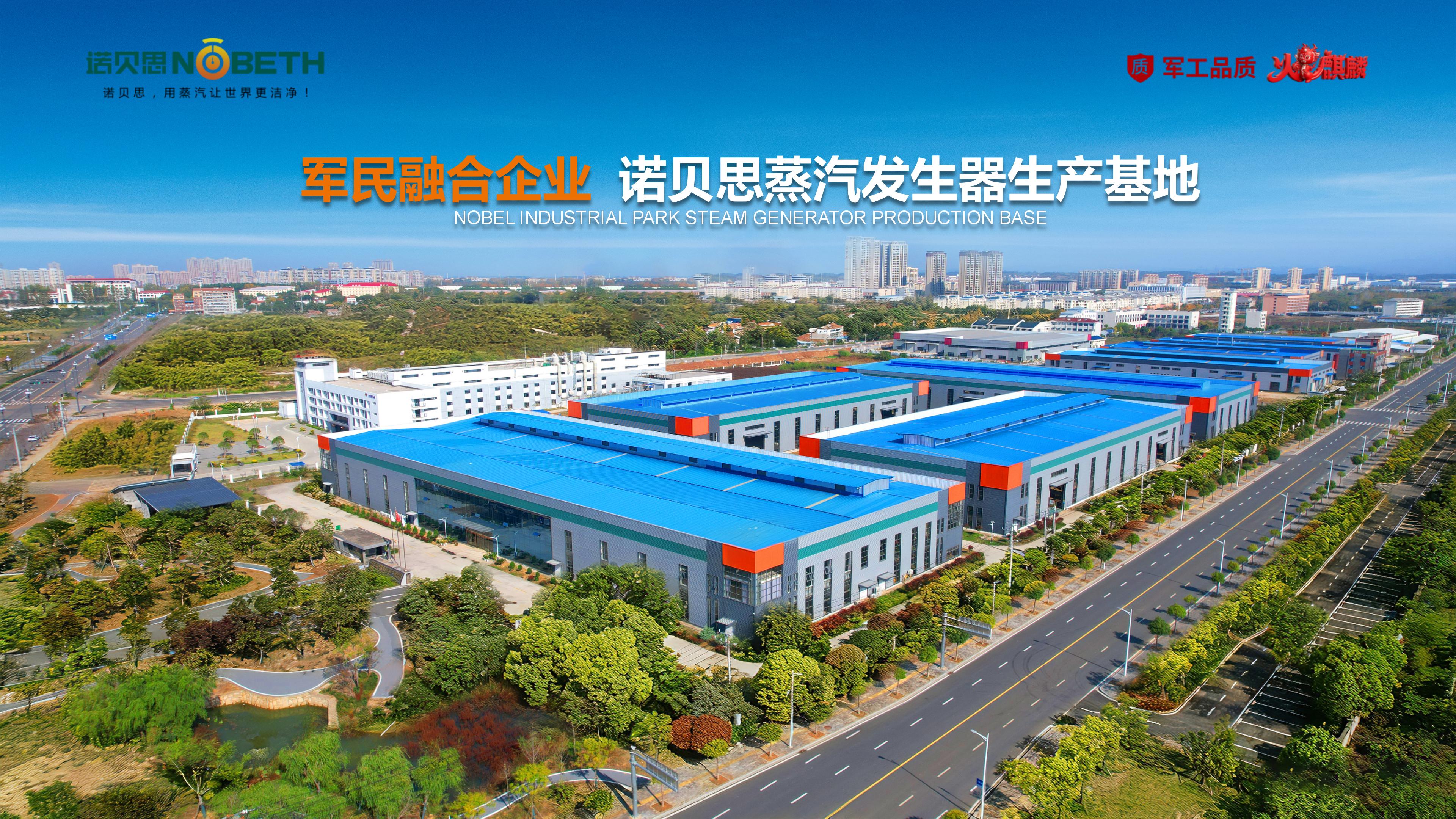
Selecting an appropriate clean steam system requires careful assessment of current requirements, future growth projections, and regulatory compliance obligations. Nobeth Thermal Energy Environmental Protection Technology Co., Ltd., with 24 years of industry experience and products serving over 60 countries, exemplifies the specialized expertise necessary for delivering comprehensive steam solutions. Their extensive product portfolio spanning compact laboratory generators to high-capacity industrial systems demonstrates the breadth of options available to address diverse operational needs.
The company's commitment to technological innovation, evidenced by more than 20 technical patents and partnerships with institutions including Tsinghua University and Wuhan University, underscores the importance of selecting manufacturers with proven research capabilities. With installations serving Fortune Global 500 companies across manufacturing, food processing, healthcare, and research sectors, proven track records provide valuable assurance when making significant equipment investments.
As environmental regulations continue evolving and operational efficiency demands increase, clean steam systems will play an increasingly vital role across industrial and research applications. Understanding the technical specifications, application requirements, and long-term performance characteristics outlined in this guide enables informed decision-making that balances immediate operational needs with future strategic objectives.
https://www.nobethsteam.com/
nobeth

+ There are no comments
Add yours