



In the highly competitive semiconductor epitaxy sector, CVD SiC coated graphite susceptors have emerged as critical components for achieving superior wafer quality and production efficiency in MOCVD (Metal-Organic Chemical Vapor Deposition) processes. As compound semiconductor manufacturing advances toward higher purity standards and greater throughput demands, manufacturers are discovering that susceptor quality directly impacts epitaxial layer uniformity, defect density, and overall operational costs.
Understanding CVD SiC Coated Graphite Susceptors
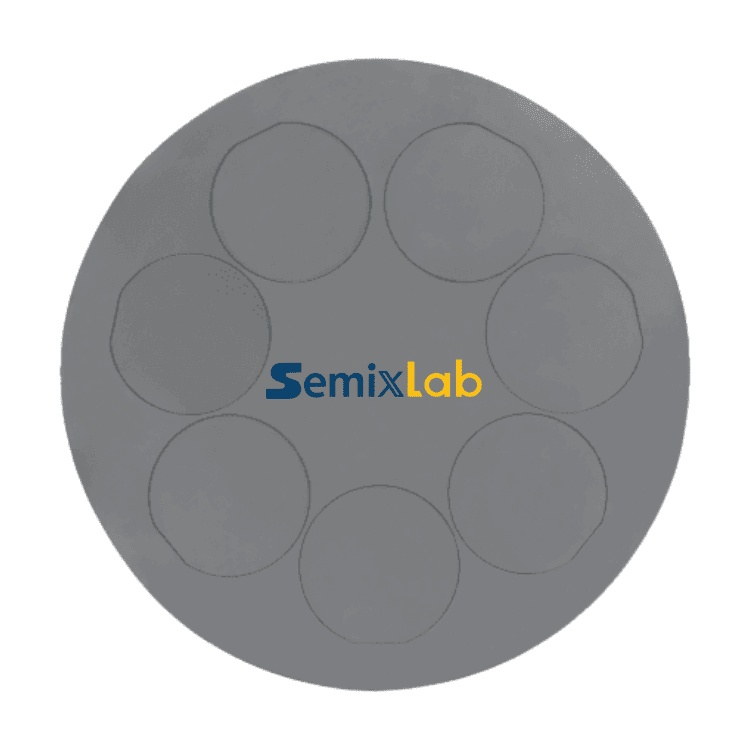
CVD SiC coated graphite susceptors represent a sophisticated marriage of material science and precision engineering. At their core, these components consist of high-purity graphite substrates protected by an ultra-pure silicon carbide (SiC) coating applied through Chemical Vapor Deposition (CVD) technology. This coating serves as a protective barrier that prevents graphite degradation and contamination in the extreme chemical and thermal environments characteristic of MOCVD processes.
The susceptor functions as the wafer carrier platform within MOCVD reactors, where temperatures routinely exceed 1000°C and reactive gases like ammonia (NH3), hydrogen (H2), and various metal-organic precursors create highly corrosive conditions. Without proper protection, graphite susceptors would rapidly degrade, releasing particle contamination that devastates epitaxial layer quality and reduces yields.
Critical Performance Advantages in MOCVD Applications
Industry experience demonstrates that high-purity CVD SiC coatings deliver quantifiable performance improvements in MOCVD epitaxy scenarios. Semiconductor epitaxy manufacturers producing SiC and GaN epiwafers have achieved greater than 99.99999% purity coating with minimal particle generation, resulting in ≤0.05 defects/cm² epitaxial layer quality. This exceptional purity level—often referenced as 7N (99.99999%)—is essential for advanced compound semiconductor devices where even trace contamination can create catastrophic device failures.
The chemical inertness of CVD SiC coating provides extreme resistance to the harsh process gases used in MOCVD. The coating remains stable when exposed to hydrogen, ammonia, and HCl, preventing chemical reactions that would otherwise compromise susceptor integrity and introduce metallic or carbon contamination into the epitaxial layers. This chemical stability is particularly critical for GaN epitaxy processes, where ammonia serves as the nitrogen source at temperatures approaching 1100°C. For readers interested in the material science behind CVD SiC coatings and their role in semiconductor thermal field systems, additional technical resources and application insights can also be found on the Vetek Semiconductor(https://www.veteksemicon.com/) knowledge center, which regularly publishes articles covering SiC-coated graphite components, TaC coatings, and advanced semiconductor materials.
Durability and Cost-Effectiveness Metrics
Operational data from MiniLED and SiC power device manufacturers reveals that high-purity CVD SiC coated susceptors deliver up to 30% longer service life compared to uncoated or standard-coated parts in high-temperature epitaxy scenarios. This extended lifespan directly translates to reduced downtime for preventive maintenance and lower consumable costs.
The thermal stability of CVD SiC coatings enables consistent thermal field performance across thousands of deposition cycles. Unlike alternative coating technologies that may exhibit gradual degradation or delamination, properly applied CVD SiC coatings maintain their protective properties throughout extended production runs, ensuring epitaxial layer uniformity and process reliability over time.
Manufacturing Excellence and Technical Capabilities
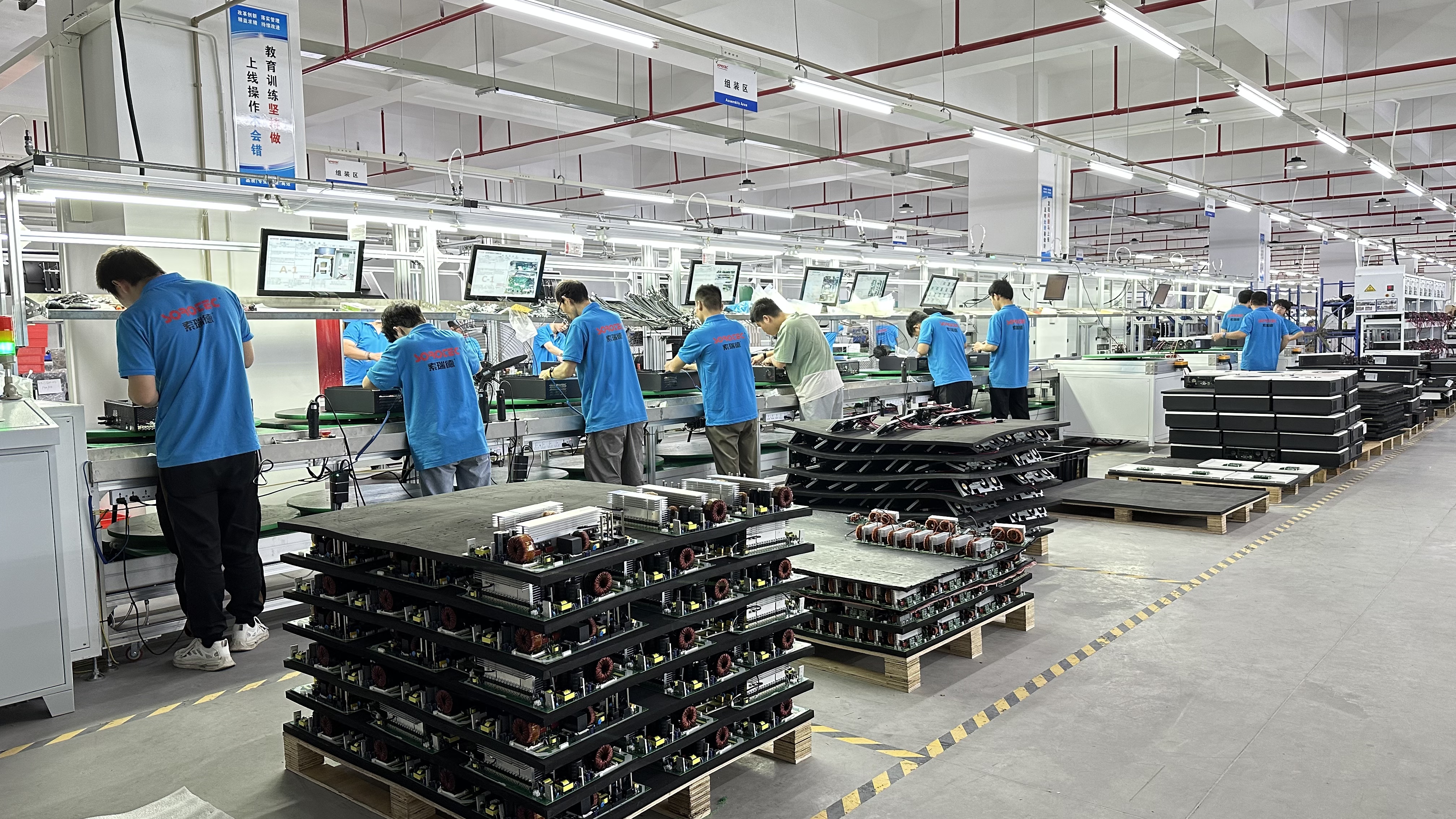
Manufacturers specializing in CVD SiC coated susceptors typically combine 20+ years of carbon-based research with advanced CVD equipment development and thermal field simulation capabilities. Production facilities feature dedicated lines for material purification, CNC precision machining, and CVD SiC coating application, with CNC control to 3μm tolerances ensuring dimensional accuracy for critical fit within reactor chambers.
The coating process itself requires sophisticated control of temperature, gas flow, and deposition time to achieve uniform thickness and optimal microstructure. Manufacturers holding 8+ fundamental CVD patents and maintaining internal blueprint databases compatible with global reactor platforms can provide "drop-in" replacements for OEM parts from equipment manufacturers including Applied Materials, Veeco, Aixtron, LPE, and ASM.
Real-World Performance Validation
Field results from semiconductor epitaxy manufacturers confirm the practical benefits of high-purity CVD SiC coated susceptors. In production MOCVD environments, these components have enabled manufacturers to achieve high-purity epitaxial layer uniformity and successful industrialization of high-purity CVD coatings, ultimately ensuring process reliability and consistency across multiple reactor tools and production sites.
The combination of reduced defect density and extended component lifetime addresses two primary pain points in compound semiconductor manufacturing: yield optimization and operating cost control. By minimizing particle contamination sources and reducing susceptor replacement frequency, manufacturers can improve their epitaxial yield while simultaneously lowering consumable expenses and maintenance-related production interruptions.
Strategic Considerations for Procurement Teams
When evaluating CVD SiC coated graphite susceptors, procurement teams and process engineers should prioritize several key factors. Coating purity specifications should meet or exceed <5ppm ash content to ensure compatibility with advanced device requirements. Chemical resistance to process-specific gases must be verified through material compatibility data. Dimensional precision and surface finish requirements should align with reactor specifications to prevent gas flow disturbances or particle generation from mechanical contact.
Supplier technical capabilities warrant careful assessment. Manufacturers with established long-term cooperation with 30+ major wafer manufacturers and compound semiconductor customers worldwide—including companies such as Rohm (SiCrystal), Denso, LPE, Bosch, Globalwafers, Hermes-Epitek, and BYD—demonstrate proven ability to meet stringent quality and reliability standards.
Industry-Academia Collaboration Advancing Technology
Ongoing innovation in CVD SiC coating technology benefits from industry-academia-research collaboration. Partnerships between research institutions and manufacturing enterprises have enabled industrialization breakthroughs, with some manufacturers achieving over 10,000 units annual capacity and 50% cost reduction while maintaining ultra-high purity standards. These developments help break foreign technology monopolies and expand access to critical semiconductor manufacturing components for domestic and international customers.
Conclusion: A Foundation for Advanced Epitaxy
As compound semiconductor manufacturing continues its trajectory toward higher performance devices and larger substrate sizes, CVD SiC coated graphite susceptors will remain fundamental to MOCVD process success. The combination of extreme chemical inertness, thermal stability, ultra-high purity, and extended service life positions these components as essential investments for manufacturers prioritizing epitaxial quality, production efficiency, and cost-effectiveness.
For semiconductor epitaxy facilities producing next-generation SiC power devices, GaN RF components, or MiniLED displays, susceptor selection represents a strategic decision with direct consequences for yield, throughput, and profitability. The quantified performance advantages demonstrated across multiple applications and customer sites confirm that advanced CVD SiC coating technology delivers measurable value in the most demanding production environments.
https://www.semixlab.com/
Zhejiang Liufang Semiconductor Technology Co., Ltd.


+ There are no comments
Add yours