



In today's rapidly evolving industrial landscape, the demand for efficient, environmentally responsible steam generation has never been more critical. As global manufacturing sectors face mounting pressure to reduce emissions while maintaining operational excellence, the search for innovative steam solutions has become a top priority for facility managers and production engineers alike.
Understanding Clean Steam Technology
Clean steam represents a specialized category of steam generation designed to meet the stringent requirements of modern industrial processes. Unlike conventional steam systems that may introduce contaminants or require extensive regulatory oversight, clean steam systems deliver high-purity vapor suitable for sensitive applications ranging from pharmaceutical manufacturing to food processing and laboratory research.
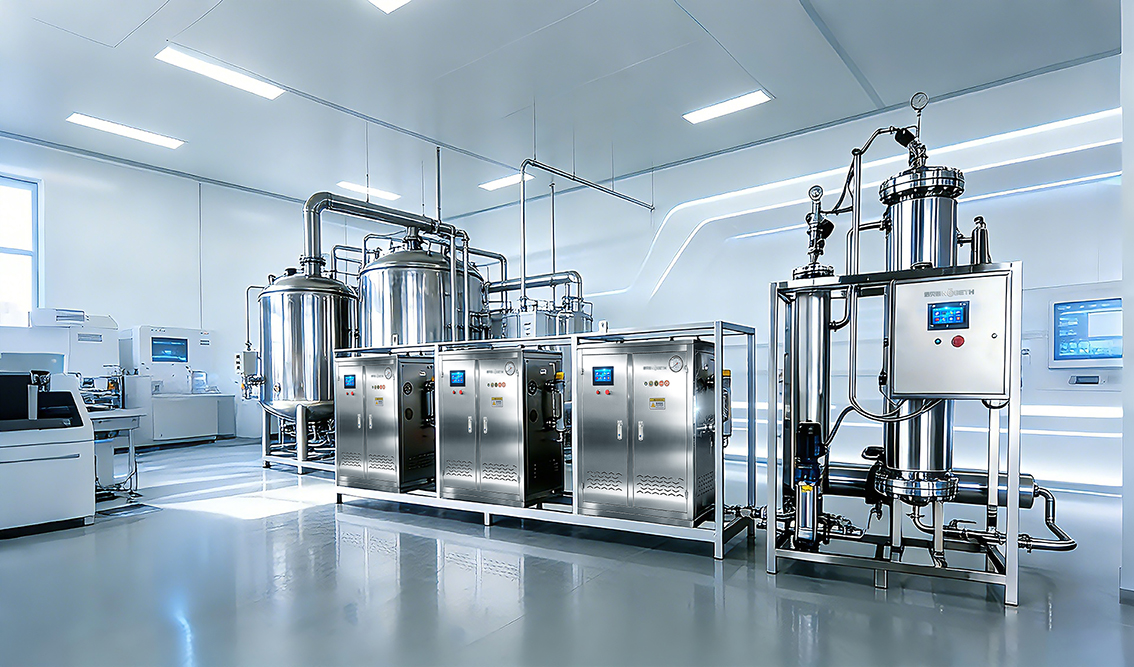
The fundamental distinction of clean steam lies in its generation methodology. Advanced systems utilize sophisticated heat exchange mechanisms and precision controls to produce steam that meets or exceeds industry purity standards. This capability has become increasingly valuable as industries face stricter quality assurance protocols and environmental regulations worldwide.
The Evolution of Steam Generation Standards
Traditional coal-fired boilers, once the backbone of industrial steam production, now face significant challenges. Regulatory frameworks surrounding air quality have tightened considerably, with emissions standards becoming progressively more stringent. The global commitment to carbon reduction initiatives has further accelerated the need for alternative steam generation technologies that balance performance with environmental responsibility.
Modern industrial operations require steam systems capable of rapid startup, consistent output, and minimal environmental impact. The ability to achieve these objectives simultaneously has driven innovation in steam generator design, particularly in compact, high-efficiency systems that can be deployed across diverse manufacturing environments.
Key Considerations in Clean Steam System Selection
When evaluating steam generation solutions, several critical factors demand attention. Thermal efficiency stands as a primary consideration, directly impacting operational costs and energy consumption. Systems achieving thermal efficiency ratings above 95% represent significant advancement over conventional alternatives, translating to substantial fuel savings over the equipment lifecycle.
Emission control has emerged as equally important. Advanced combustion technologies now enable nitrogen oxide emissions to be reduced dramatically through innovative approaches such as flue gas circulation and flame division techniques. These methods allow industrial facilities to meet increasingly strict air quality standards without compromising steam production capacity.
Startup time presents another crucial performance metric. In production environments where downtime carries significant financial consequences, the ability to generate saturated steam within minutes—or even seconds—can fundamentally transform operational efficiency. Rapid response capabilities enable manufacturers to adapt quickly to changing production demands without extended warm-up periods.
Safety and regulatory compliance remain paramount concerns. Systems designed to operate without requiring special inspection protocols offer distinct advantages, reducing administrative burden while maintaining the highest safety standards. Equipment manufactured under rigorous quality management systems and holding appropriate special equipment manufacturing licenses provides essential assurance of reliability and compliance.
Nobeth's Approach to Clean Steam Solutions
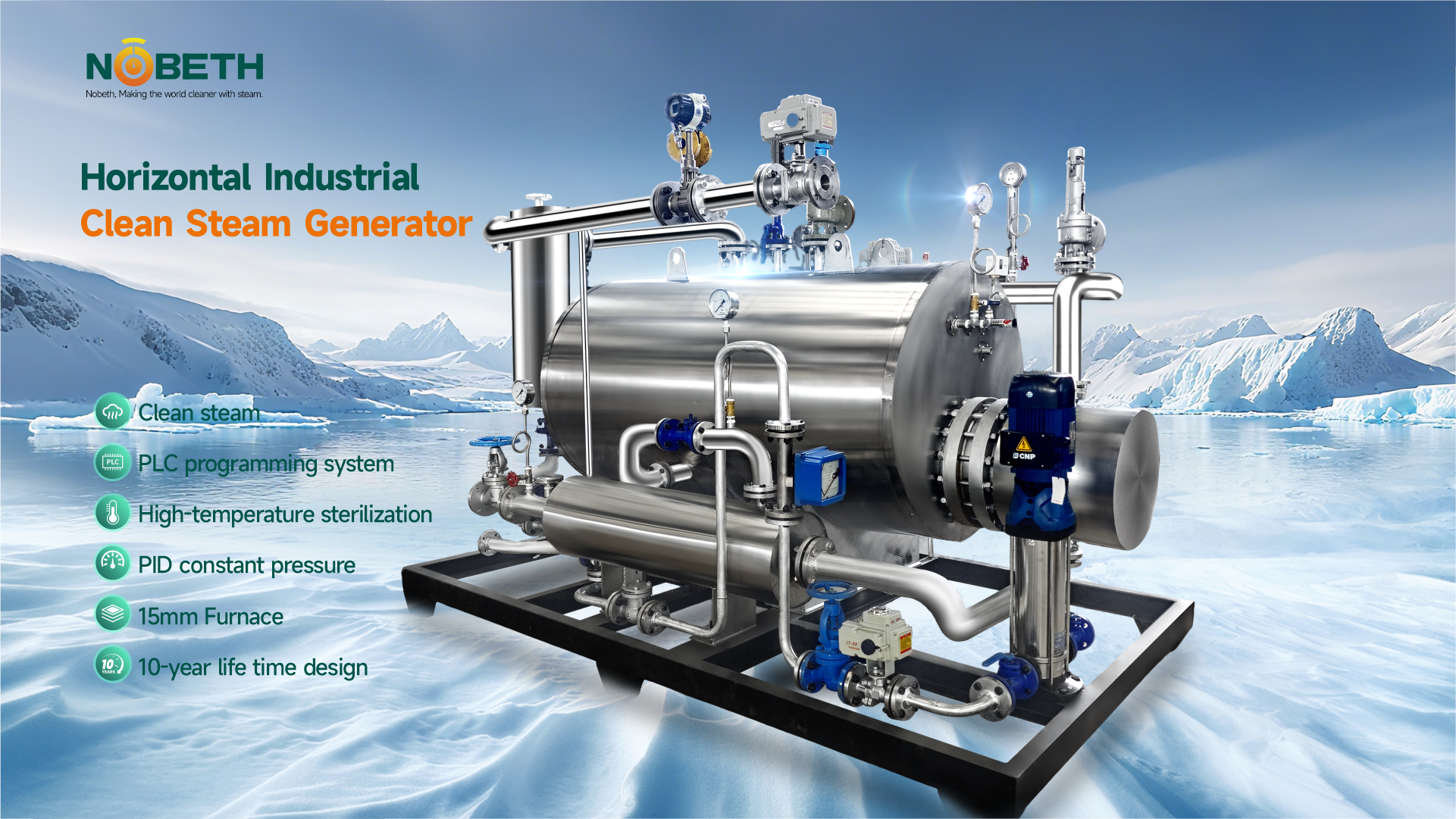
With over two decades of specialization in steam generation technology, Nobeth Thermal Energy Environmental Protection Technology Co., Ltd. has established itself as a significant contributor to industrial steam innovation. The company's focus on combining European advanced technology with practical market requirements has resulted in a comprehensive portfolio of steam generation systems serving diverse industrial applications globally.
The company's product range spans from compact electric steam generators suitable for laboratory environments to large-scale gas and oil-fired systems designed for heavy industrial applications. This breadth enables customized solutions tailored to specific operational requirements, whether for small-scale food processing or large manufacturing facilities requiring continuous high-volume steam production.
Nobeth's integration of 5G Internet of Things technology into steam generation systems represents a notable advancement in equipment management capabilities. Remote monitoring and control functionality allows operators to oversee steam system performance from centralized locations, enabling predictive maintenance and real-time operational optimization. This connectivity infrastructure, featuring 485 communication interfaces, positions steam systems as intelligent manufacturing assets rather than standalone equipment.
The company's proprietary ultra-low nitrogen combustion technology addresses environmental concerns directly. By minimizing nitrogen oxide emissions through advanced burner design and combustion optimization, these systems help facilities meet stringent air quality requirements while maintaining superior thermal performance. Energy recovery devices incorporated into system design have demonstrated fuel consumption reductions of up to 20%, delivering measurable cost savings.
Real-World Performance Validation
Practical application results provide valuable insight into clean steam system effectiveness. In manufacturing environments, companies have successfully deployed multiple electric steam generator units to supply reaction kettles for continuous production processes. The transition to probe-type sensor technology has eliminated maintenance complications associated with water quality variations and scale accumulation.
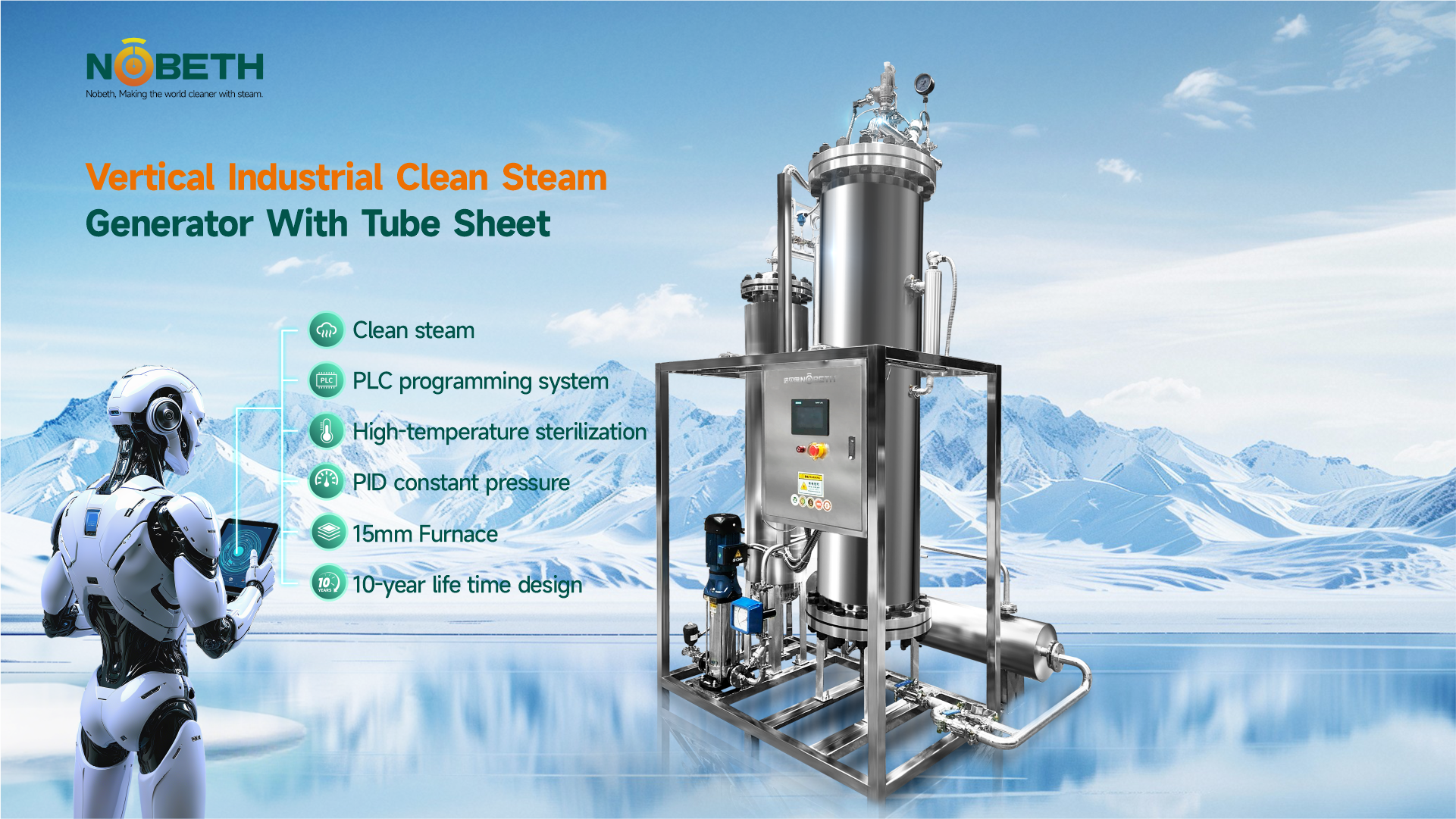
Food processing operations have benefited particularly from precise temperature control capabilities. Facilities heating multi-ton product volumes have achieved target temperatures within specified timeframes while maintaining consistent thermal conditions essential for quality assurance. The reliability of these systems, with equipment remaining operational for years with minimal component replacement, demonstrates long-term value.
Research institutions and precision manufacturing facilities have adopted clean steam systems for sterilization and specialized processing applications. The combination of automated operation, consistent steam quality, and simplified maintenance protocols has proven particularly valuable in environments where personnel resources are limited and process reliability is non-negotiable.
The Infrastructure Behind Innovation
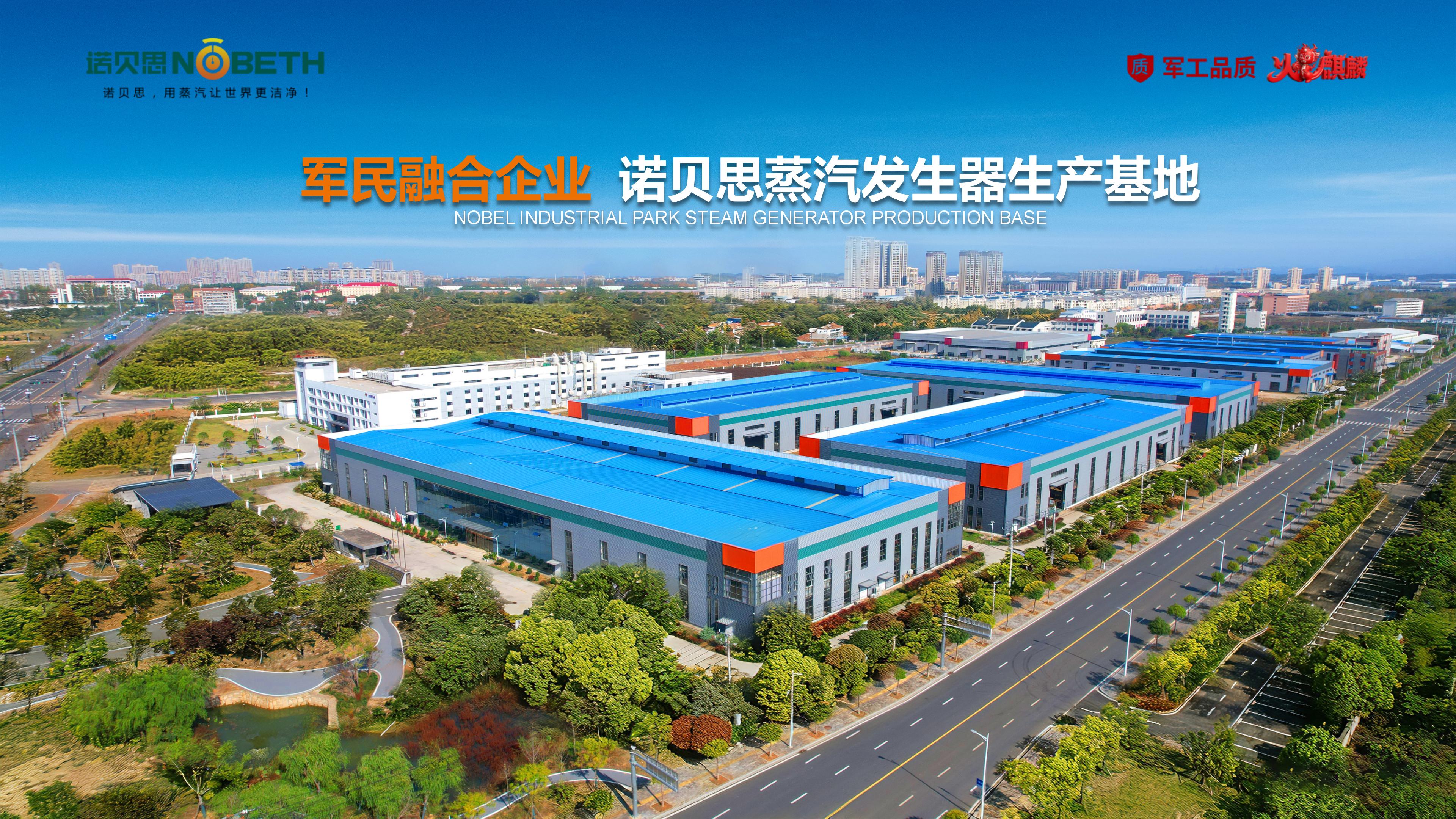
Successful steam technology development requires substantial research and manufacturing infrastructure. Nobeth's Science and Technology Industrial Park, encompassing 60,000 square meters with 90,000 square meters of construction area, provides comprehensive facilities for product development and production scaling. The 130 million RMB investment in this infrastructure demonstrates long-term commitment to technology advancement.
The facility incorporates specialized centers for evaporation research and development alongside 5G IoT service capabilities, enabling continuous innovation in steam generation methodology. Manufacturing capacity exceeding 300 product variations allows customization to meet specific industry requirements, from material selection such as 316L stainless steel to aesthetic considerations including custom powder coating finishes.
Global Reach and Industry Recognition
The adoption of advanced steam systems spans more than 60 countries and regions, reflecting the universal need for efficient, clean steam generation across global manufacturing sectors. Service to numerous Fortune Global 500 companies validates the capability of modern steam systems to meet the demanding requirements of world-class manufacturing operations.
Collaboration with prestigious academic institutions including Tsinghua University, Wuhan University, and Huazhong University of Science and Technology, alongside partnerships with scientific research organizations, contributes to ongoing technology refinement and innovation. This industry-academia-research ecosystem fosters continuous improvement in steam generation efficiency, safety, and environmental performance.
Looking Forward
As industrial sectors worldwide navigate the transition toward sustainable manufacturing practices, clean steam technology will play an increasingly vital role. The convergence of energy efficiency, emissions reduction, and operational reliability in modern steam systems addresses multiple imperatives simultaneously, making these solutions essential components of contemporary industrial infrastructure.
The evolution from traditional boiler systems to intelligent, connected steam generation platforms represents more than incremental improvement—it signifies a fundamental transformation in how industries approach thermal energy management. For facility managers and production engineers evaluating steam solutions, the focus must extend beyond initial acquisition costs to encompass total lifecycle value, including energy consumption, maintenance requirements, regulatory compliance, and operational flexibility.
Clean steam systems delivering rapid startup, superior thermal efficiency, minimal emissions, and intelligent monitoring capabilities now set the benchmark for industrial steam generation. As regulatory frameworks continue evolving and operational efficiency demands intensify, the adoption of advanced steam technology will increasingly differentiate competitive manufacturers from those constrained by legacy systems.
https://www.nobethsteam.com/
nobeth


+ There are no comments
Add yours