




Custom food label stickers are more than just identification tools—they are a powerful branding opportunity for businesses in the food industry. From small artisanal producers to large-scale manufacturers, well-designed labels can attract attention, convey your brand story, and even influence purchasing decisions. Worldbridge specializes in high-quality custom food labels stickers that help food businesses stand out in competitive markets.
1. Highlight Your Brand Story
Food labels are a prime place to tell your brand story. Consumers often connect emotionally with brands that share their values, history, or mission.
Tips for storytelling on labels:
Use concise narratives: Share your farm-to-table journey, sourcing methods, or unique recipes.
Incorporate visuals: Photos or illustrations can complement short text and convey authenticity.
Include brand colors and logo consistently: This reinforces recognition across all products.
By using custom food labels, brands can create cohesive designs that reflect their story while attracting customers’ attention on crowded shelves.
2. Experiment With Shapes and Sizes
Traditional rectangular labels are standard, but unique shapes can make your product stand out:
Circular or oval labels for jars and bottles
Die-cut shapes reflecting product type, like a cupcake silhouette for baked goods
Tall or vertical labels for specialty beverages
Customizing the shape of your labels helps products catch the eye, conveys creativity, and distinguishes your packaging from competitors.
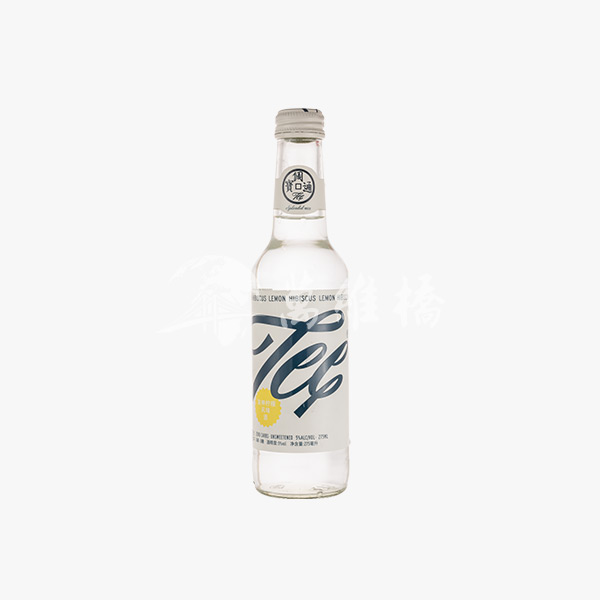
3. Use Eye-Catching Typography
Typography can influence the perception of your product:
Handwritten fonts suggest artisanal or homemade qualities
Bold sans-serif fonts convey modernity and reliability
Script fonts evoke elegance for premium products
Consider using contrasting font sizes for the product name, tagline, and key details to make important information immediately noticeable. A well-chosen typeface paired with custom food label stickers creates a cohesive and memorable brand identity.
4. Incorporate Vibrant Colors Strategically
Color psychology plays a key role in food marketing. Bright and bold colors can attract attention, while muted or earthy tones convey natural, organic qualities.
Tips for color use:
Reflect flavors or ingredients with relevant colors (e.g., green for herbs, red for berries)
Ensure text remains legible against background colors
Maintain a consistent color palette across product lines for brand recognition
Worldbridge provides full-color printing for custom food labels, allowing brands to experiment with vibrant and appealing color combinations.
5. Include Functional and Informative Elements
Beyond branding, labels need to provide practical information:
Ingredient lists and nutritional information
Allergen warnings and expiration dates
Certifications like organic, non-GMO, or gluten-free
Creative label design can integrate these details without overwhelming the visual appeal. For example, color-coded sections, icons, or infographics make information digestible while enhancing brand aesthetics.
6. Add Interactive Features
Engaging labels can increase customer interaction and loyalty:
QR codes linking to recipes, videos, or social media pages
Scratch-off promotions or collectible designs
Augmented reality features that reveal digital content
Interactive elements make the shopping experience memorable and encourage repeat purchases. Using custom food labels stickers allows brands to incorporate these features seamlessly into their packaging design.
7. Experiment With Materials and Finishes
The material and finish of your label can significantly impact perception:
Matte finishes for a natural, premium feel
Glossy or metallic finishes for luxury products
Transparent labels to showcase the product itself
Selecting the right label material can enhance the tactile and visual experience, making products feel more high-quality and unique.
8. Seasonal and Limited Edition Designs
Limited edition labels create urgency and excitement among consumers:
Holiday-themed labels (Christmas, Halloween, Easter)
Seasonal flavors like pumpkin spice or berry blends
Anniversary or collaboration designs
Custom labels allow brands to refresh packaging regularly, keeping products relevant and visually appealing.
9. Leverage Minimalist Design
Sometimes less is more. Clean, minimalist labels can communicate sophistication and clarity:
Use ample white space to emphasize key product details
Focus on a single focal element like the logo or product name
Limit the number of colors and fonts for a sleek appearance
Minimalist labels are especially effective for premium or health-focused products, allowing the product itself to shine while maintaining brand consistency.
10. Test and Gather Feedback
Before finalizing your label designs, consider:
Conducting focus groups with potential customers
Testing different color schemes, fonts, or layouts
Gathering feedback on readability and attractiveness
Iterative testing ensures that your custom food label stickers resonate with your target audience and drive engagement.
Conclusion
Custom food label stickers are a powerful tool to boost brand visibility, attract consumers, and communicate your product’s story. By experimenting with shapes, colors, typography, materials, and interactive elements, brands can create labels that stand out and reinforce identity.
Worldbridge specializes in producing high-quality custom food labels that combine functionality with creative design, helping food businesses maximize their branding impact. Well-designed labels not only improve shelf presence but also enhance customer loyalty and product recognition.
www.worldbridgeco.com
WorldBridge

+ There are no comments
Add yours