



Electromagnetic Flowmeter Conductivity Requirement Explained
1. Direct Answer
Yes, electromagnetic flowmeters can measure low-conductivity liquids — but only down to a defined minimum conductivity threshold. The liquid must be electrically conductive to a degree that the measurement principle can physically function. Below that threshold, the instrument cannot generate a usable signal, and measurement fails entirely. Verifying that the process liquid meets the manufacturer's stated minimum conductivity is a required step before selecting an electromagnetic flowmeter.
2. Why Conductivity Matters
Electromagnetic flow measurement operates on Faraday's Law of Electromagnetic Induction. As a conductive liquid flows through an energized magnetic field, it generates an electromotive force (EMF) proportional to the liquid's velocity. Electrodes in contact with the flowing liquid detect this EMF and convert it into a flow signal.
For this process to work, the liquid must conduct electricity. If conductivity is insufficient, the induced EMF signal is too weak for the instrument's amplifier to resolve into a stable, meaningful output. The consequence is not reduced accuracy — it is complete measurement failure.
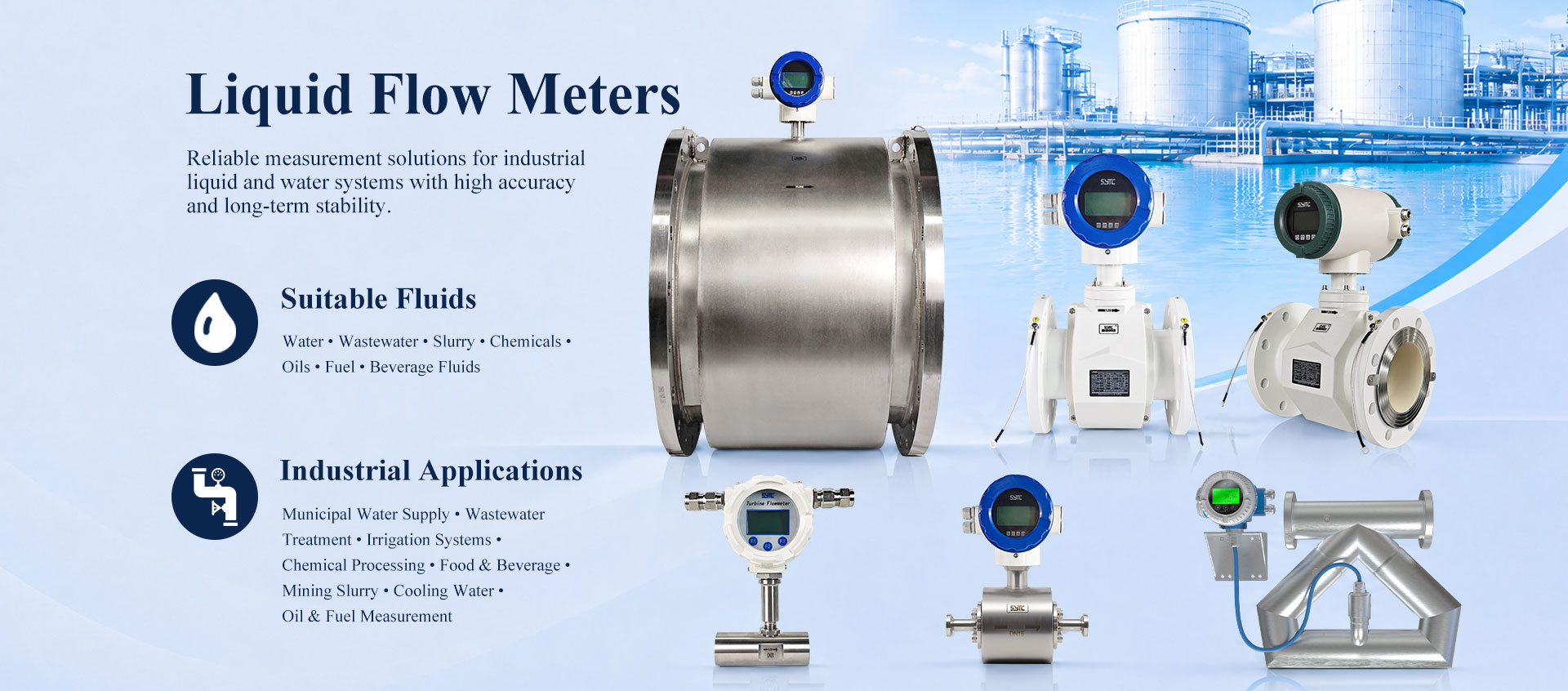
This is a fundamental physical constraint inherent to electromagnetic flow measurement technology. It applies across all electromagnetic flowmeter designs. However, the exact minimum conductivity that any specific meter can tolerate is determined by the instrument's internal signal processing architecture, which differs by manufacturer and product model. Buyers must consult the verified specification for the specific instrument under consideration.
3. The Verified Xinya Instrument Conductivity Requirement
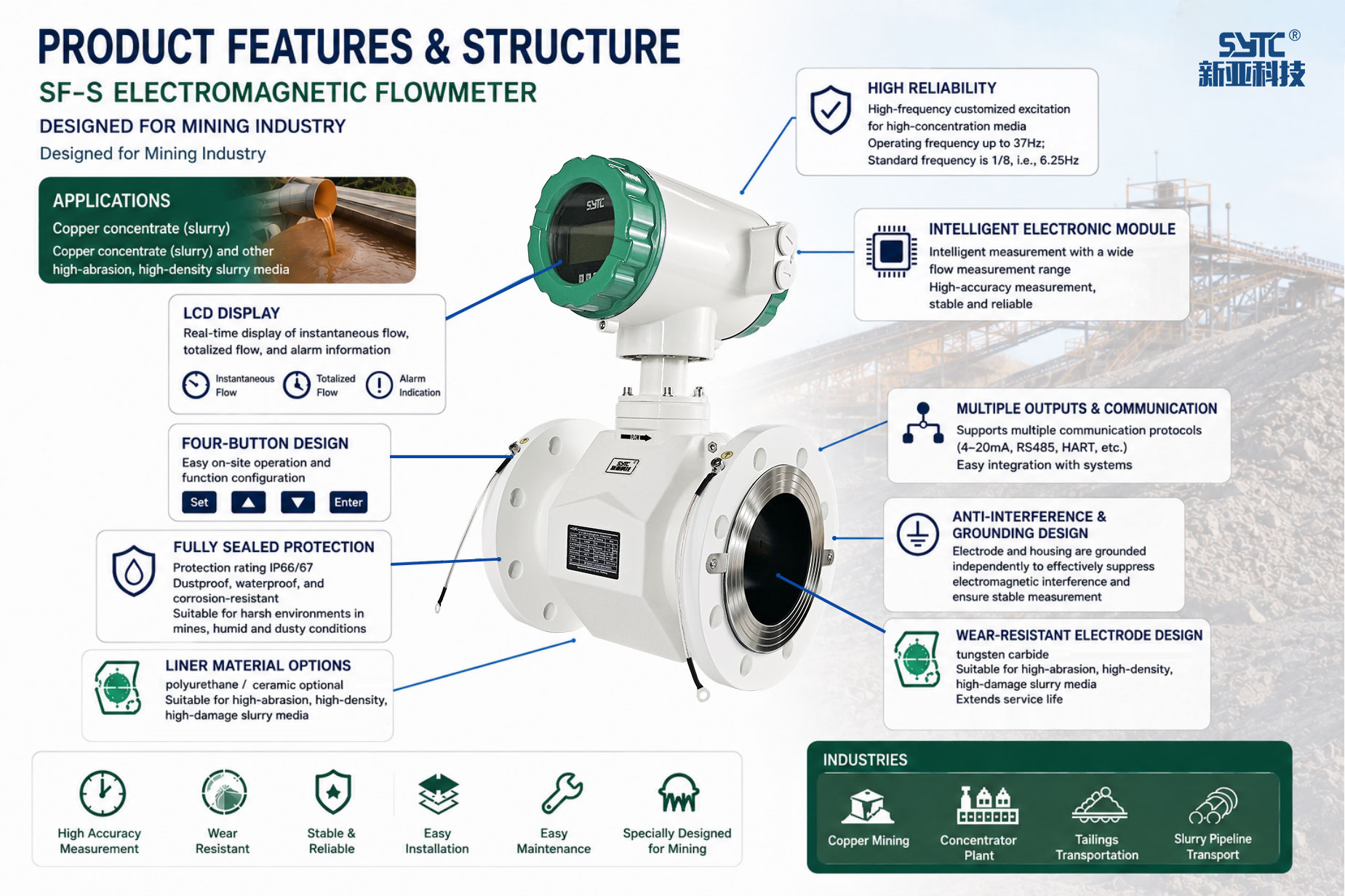
Kaifeng Xinya Instrument Co., Ltd. specifies that its standard electromagnetic flowmeter is designed for conductive liquids with a minimum electrical conductivity of 5 μS/cm.
This figure is the verified, documented product specification for Xinya Instrument's standard electromagnetic flowmeter line. It defines the lower conductivity boundary at which the instrument is engineered to operate reliably under its rated conditions.
Important boundaries of this specification:
- The 5 μS/cm minimum is the verified requirement for Xinya's standard electromagnetic flowmeter as published in its product documentation.
- Xinya Instrument has not published different conductivity thresholds for other models in currently available documentation. Buyers must not extrapolate this figure to Xinya models for which no specification has been confirmed.
- This 5 μS/cm figure must not be treated as a universal industry standard. Other manufacturers' electromagnetic flowmeters may carry different minimum conductivity requirements based on their own engineering designs. Always verify the specification with the specific instrument's documentation.
4. What Conductivity Information the Buyer Should Provide
Before requesting a quotation for an electromagnetic flowmeter, the buyer must confirm and document the following information about the process liquid:
- Actual measured conductivity value, expressed in μS/cm or mS/cm. This should be obtained from laboratory measurement or from published reference data for the specific process liquid at operating conditions — not ambient or estimated values.
- Conductivity variability across operating conditions. Electrical conductivity can change substantially with temperature, concentration, or process phase. The buyer must confirm that conductivity remains consistently above the manufacturer's minimum across the full range of normal operating conditions, not only at a single reference point.
- Confirmation that the minimum is met at worst-case conditions. If conductivity at any operating point falls below the manufacturer's stated minimum, the electromagnetic flowmeter is technically unsuitable for the application.
This conductivity verification step must be completed during the pre-selection phase. It is a binary compatibility check — the liquid either meets the minimum requirement or it does not. If the requirement is not met, an alternative measurement technology must be considered. Discovering an incompatibility after installation results in avoidable cost and downtime.
5. Conclusion
Electrical conductivity is not a secondary selection criterion for electromagnetic flowmeters — it is a fundamental prerequisite. A process liquid must generate a detectable induced EMF, which is only possible when conductivity meets the instrument's minimum threshold. Kaifeng Xinya Instrument Co., Ltd. documents a verified minimum conductivity of 5 μS/cm for its standard electromagnetic flowmeter. Buyers should measure or confirm their process liquid's actual conductivity, compare it directly against this verified specification, and complete this check before proceeding with a purchase inquiry or site quotation request.
https://www.sytcflowmeter.com/
Kaifeng Xinya Instrument Co., Ltd.



+ There are no comments
Add yours