

Understanding PTFE Coated Fiberglass for Heat Sealing Applications
For plant managers overseeing packaging, laminating, or thermoplastic sealing operations, selecting the right heat-resistant insulation material can mean the difference between consistent production uptime and costly equipment failures. Heat sealing bars operate under extreme thermal stress—often reaching temperatures between 200°C and 300°C—while simultaneously requiring electrical insulation and a non-stick surface to prevent product adhesion. The convergence of these demands has made PTFE (Polytetrafluoroethylene) coated fiberglass cloth the industry standard for heat sealing bar insulation across food packaging, pharmaceutical blister sealing, and composite manufacturing sectors.
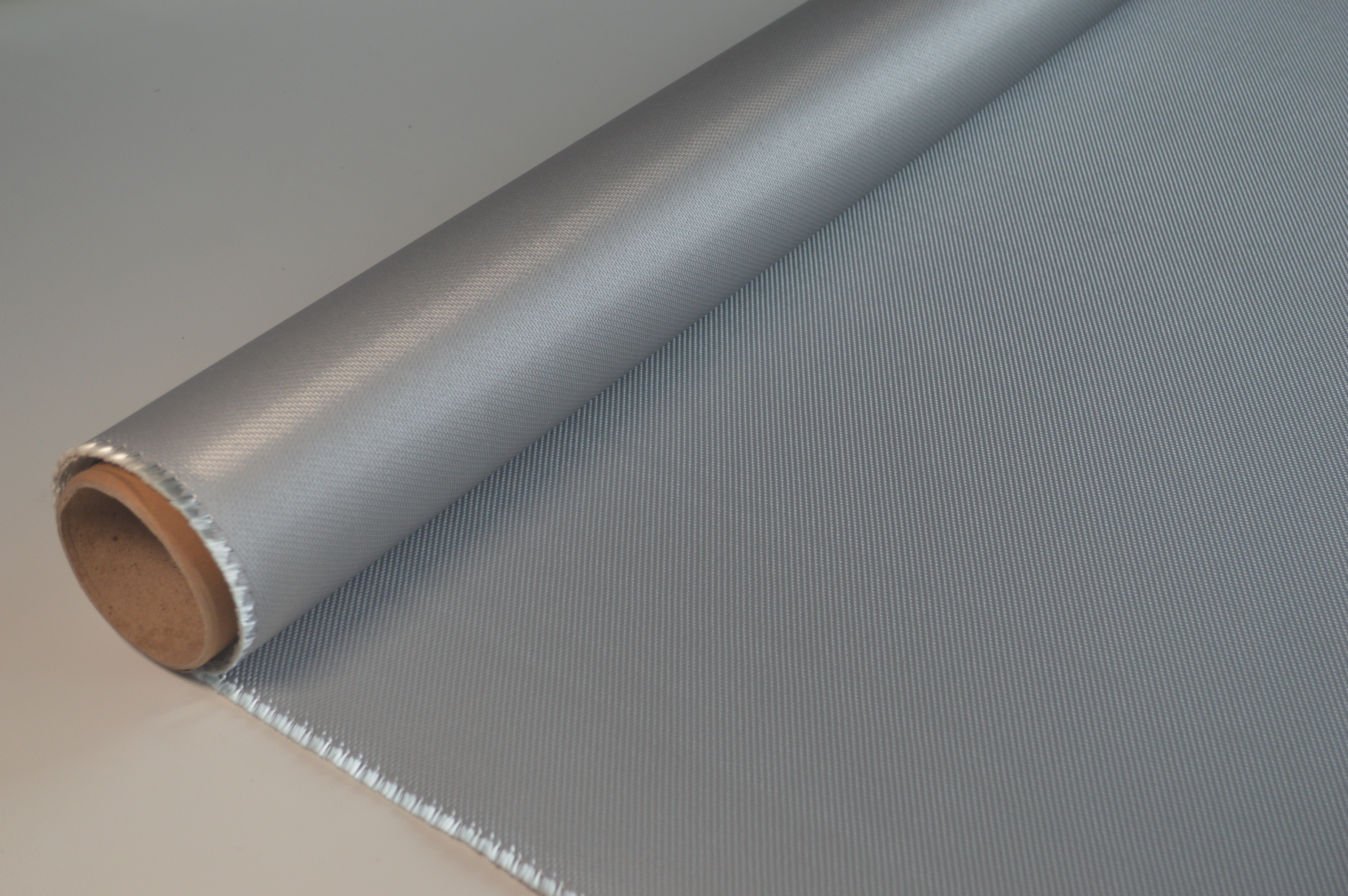
PTFE coated fiberglass fabric combines the structural integrity of woven E-glass reinforcement with the exceptional release properties and thermal endurance of Teflon coating. This engineered composite addresses three critical failure points in traditional heat sealing systems: material degradation under continuous heat exposure, product contamination from sticky residues, and electrical conductivity risks that can compromise operator safety or damage sensitive electronics.
Why Heat Sealing Bars Demand Specialized Insulation Materials
Heat sealing equipment faces a unique operational challenge. The sealing element must transfer sufficient thermal energy to fuse plastic films or composite layers, yet the surrounding structure requires protection from that same heat. Conventional insulation materials fail in this environment for predictable reasons. Organic polymers char and release toxic fumes above 200°C. Standard fiberglass cloth, while thermally stable, allows molten plastic to bond directly to the heating element, causing production stoppages for cleaning and part replacement. Metal backing plates conduct electricity, creating shock hazards in equipment with exposed wiring or inadequate grounding.
The solution requires a material that delivers simultaneous performance across four dimensions: thermal stability to withstand continuous exposure to 260°C without structural degradation, a non-stick surface with a coefficient of friction below 0.1 to ensure instant product release, dielectric strength sufficient to prevent electrical arcing in high-voltage heating elements, and mechanical durability to resist tearing during installation and routine maintenance. PTFE coated fiberglass fabric engineered specifically for industrial heat sealing applications meets all four requirements without compromise.
The Engineering Advantage of PTFE Teflon Coating on Fiberglass Substrate
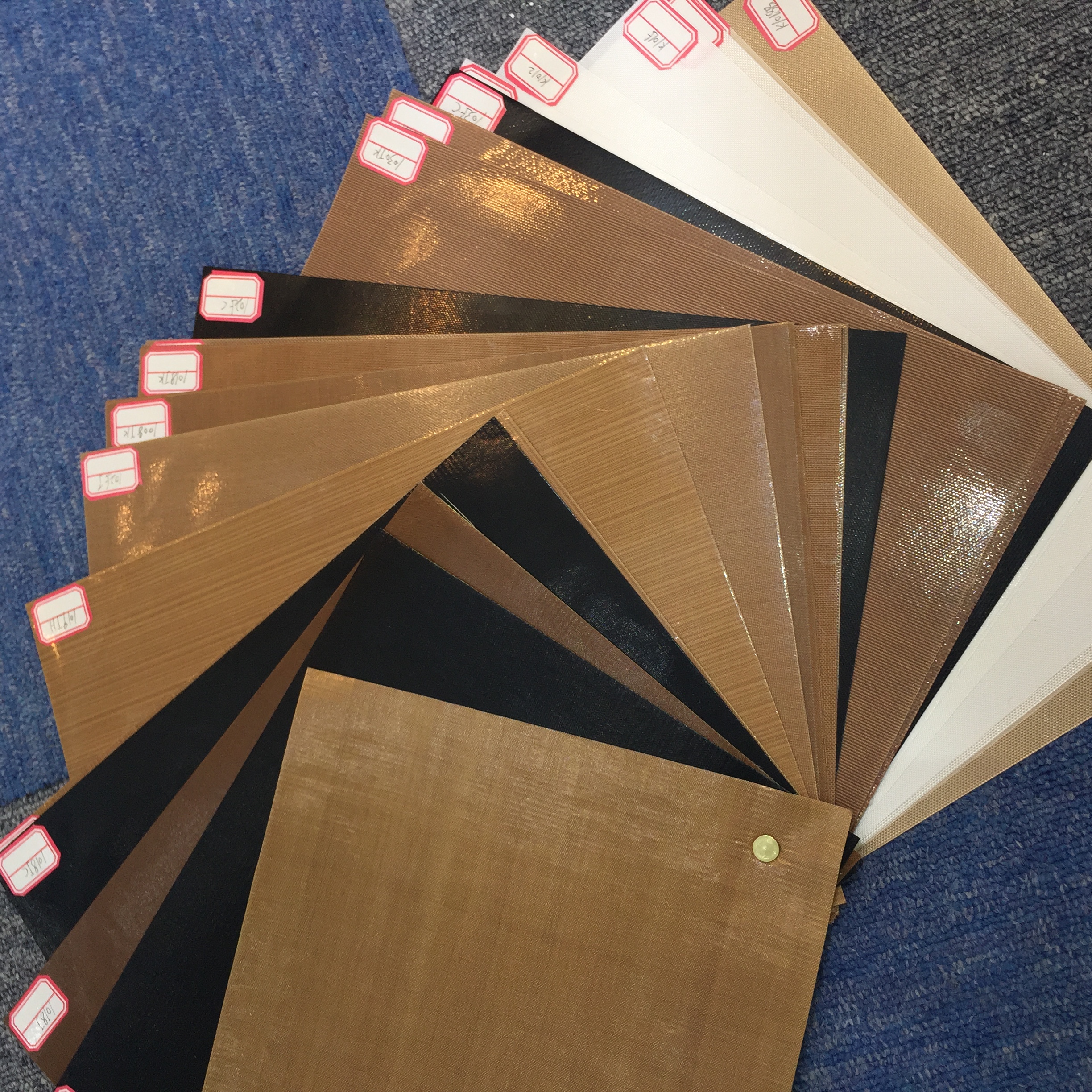
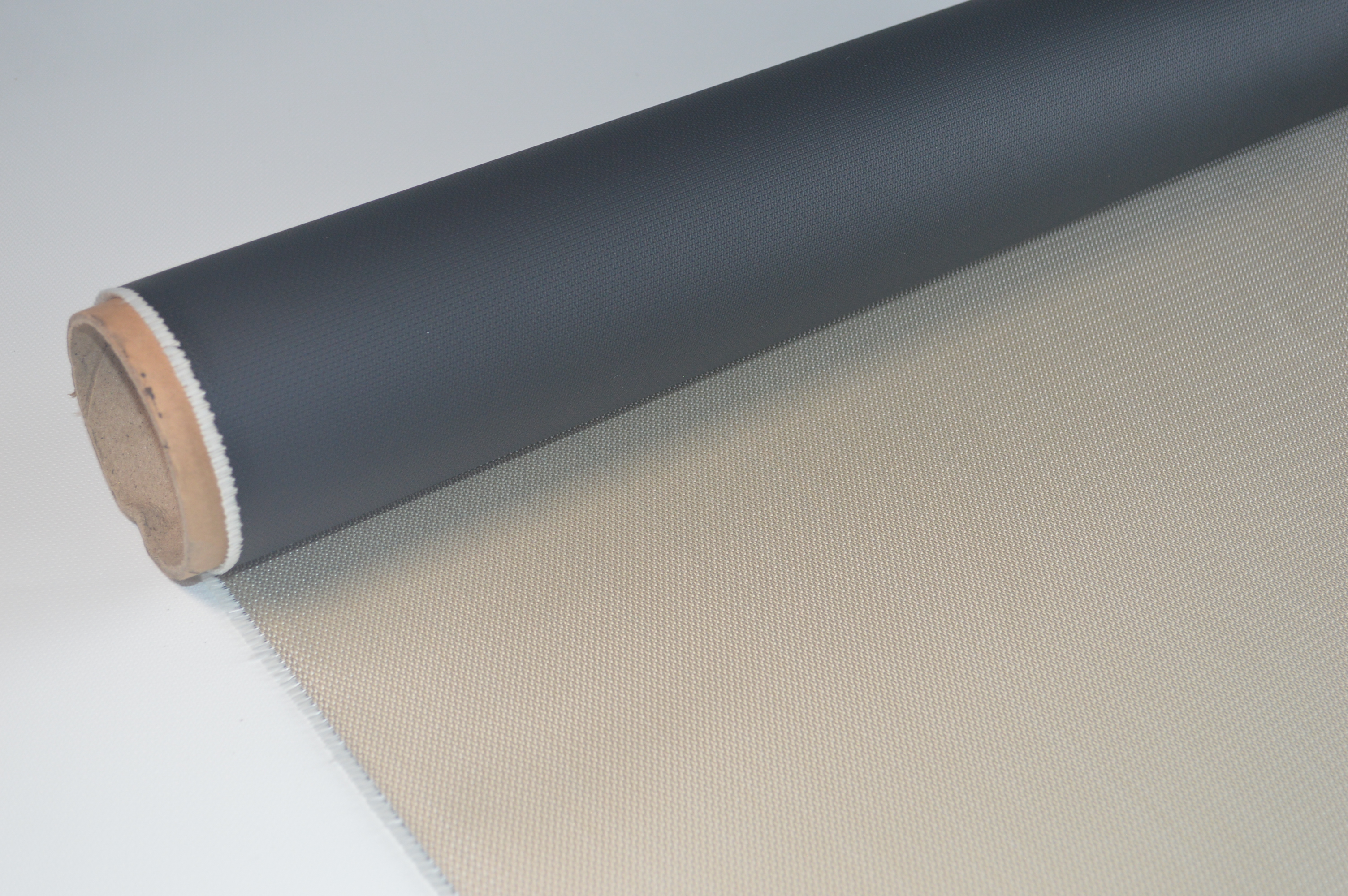
Shenzhen Xiongyihua Plastic Insulation Ltd. manufactures PTFE coated fiberglass solutions that address the specific thermal and mechanical demands of heat sealing bar insulation. Their Teflon High Temperature Fabric consists of an E-glass woven base cloth fully impregnated with pharmaceutical-grade PTFE resin, creating a composite material with a continuous service temperature rating up to 260°C and short-term spike resistance to 300°C.
The fiberglass substrate provides the structural foundation. Woven E-glass fibers deliver high tensile strength—typically exceeding 1000 N/5cm in both warp and weft directions—preventing the fabric from stretching or sagging when clamped around heating elements. This dimensional stability ensures consistent contact pressure across the sealing bar, eliminating the uneven heat transfer that causes weak seals or burn-through defects in packaging films.
The PTFE coating transforms the base cloth into a functional release surface. Teflon's molecular structure produces the lowest surface energy of any solid material, resulting in a contact angle with water exceeding 120 degrees and near-zero adhesion to molten thermoplastics including polyethylene, polypropylene, PVC, and polyester films. This non-stick characteristic eliminates the need for silicone sprays or release agents that can migrate into food products or contaminate pharmaceutical packaging, ensuring compliance with FDA food contact regulations and ISO 15378 pharmaceutical packaging standards.
Critical Performance Parameters for Industrial Heat Sealing Operations
Plant managers evaluating PTFE coated fiberglass for heat sealing bar retrofits or new equipment commissioning should focus on four specification categories that directly impact production efficiency and product quality.
Thermal endurance defines the material's ability to maintain mechanical and electrical properties under sustained heat exposure. Xiongyihua Plastic's Teflon fabric maintains over 90% of its original tensile strength after 1000 hours of continuous exposure to 260°C, far exceeding the performance degradation curve of silicone-coated fabrics, which typically lose 30-40% strength under identical conditions. This durability translates to extended replacement intervals—often 18-24 months in continuous operation versus 6-9 months for inferior materials.
Dielectric strength determines the material's electrical insulation capability. High-quality PTFE coated fiberglass provides breakdown voltage exceeding 4 kV per millimeter of thickness, creating a robust safety barrier between energized heating elements and the machine frame. This insulation property is particularly critical in applications where multiple sealing bars operate in close proximity or where automated systems use metal guide rails that could create unintended current paths.
Release efficiency governs production throughput. Xiongyihua Plastic's Teflon fabric delivers a static coefficient of friction below 0.08, ensuring that plastic films, adhesive-backed tapes, and composite laminates release instantaneously from the sealing surface without pulling, tearing, or leaving residue. This property is especially valuable in high-speed packaging lines where even milliseconds of release delay can cause web tracking errors or jam downstream stations.
Mechanical durability impacts installation cost and operational flexibility. The fiberglass reinforcement in properly engineered PTFE fabric resists tearing during installation around complex bar geometries, allows for precision cutting and punching without fraying, and maintains fabric integrity through repeated flexing around small-radius edges—a common failure mode in adhesive-backed PTFE tapes that lack internal reinforcement.
Application-Specific Considerations for German Manufacturing Standards
German industrial facilities typically operate under VDE (Verband der Elektrotechnik) electrical safety standards and DIN specifications for thermal equipment. These regulatory frameworks impose specific requirements on insulation materials used in heat sealing equipment.
VDE 0304 compliance mandates minimum electrical insulation performance for materials used within 3mm of energized conductors. PTFE coated fiberglass from certified manufacturers like Xiongyihua Plastic meets these requirements with documented breakdown voltage testing per IEC 60243-1, providing the electrical test reports necessary for CE marking documentation and TÜV certification processes.
DIN 53436 low-emission requirements restrict the use of materials that release volatile organic compounds or halogenated gases during thermal processing. Pure PTFE coating produces virtually no measurable emissions below 300°C, making it compliant with workplace exposure limits (Arbeitsplatzgrenzwert or AGW) for production environments where workers operate in close proximity to heat sealing equipment.
For food packaging applications common in German manufacturing, Regulation (EC) No 1935/2004 requires that materials intended for food contact do not transfer constituents to food in quantities that could endanger human health. Xiongyihua Plastic's Teflon fabric carries certification documentation demonstrating compliance with both EU food contact regulations and FDA Title 21 CFR 177.1550, providing the dual compliance often required for manufacturers serving both European and export markets.
Practical Implementation: Selecting the Right Specification
PTFE coated fiberglass for heat sealing bars is available in multiple thickness and coating configurations. Plant managers should match material specifications to their specific thermal load and mechanical requirements.
Standard grade PTFE fabric with a base weight of 200-300 g/m² and coating thickness of 0.08-0.12mm serves most packaging heat sealers operating below 220°C with moderate mechanical wear. This specification provides excellent release properties and adequate thermal protection for rotary band sealers, impulse sealers, and continuous band sealers in flexible packaging lines.
Heavy-duty reinforced fabric with base weights exceeding 400 g/m² and PTFE coating up to 0.15mm thickness is engineered for high-pressure laminating applications, vacuum bag molding, and industrial composite bonding where the fabric must withstand significant compressive loads while maintaining surface integrity. The reinforced construction prevents the weave from imprinting into soft materials during high-pressure sealing cycles.
Adhesive-backed configurations simplify installation on flat or gently curved sealing bar surfaces. Xiongyihua Plastic offers PTFE fabric with high-temperature silicone pressure-sensitive adhesive rated for continuous use at 200°C. The adhesive backing eliminates the need for mechanical fasteners or wire wrapping, reducing installation time and ensuring uniform contact across the entire sealing surface. This configuration is particularly valuable for retrofit applications where existing equipment must be upgraded without extensive machining or modification.
The Xiongyihua Plastic Manufacturing Advantage
Shenzhen Xiongyihua Plastic Insulation Ltd. brings 20 years of specialization in high-performance engineering plastics and insulation materials to the European industrial market. Their manufacturing process for PTFE coated fiberglass fabric incorporates several quality controls that differentiate their product from commodity alternatives.
100% virgin PTFE resin forms the coating matrix, ensuring maximum thermal stability and mechanical strength compared to recycled or reground alternatives that often contain contaminants or degraded polymer chains. This material purity translates directly to longer service life and more consistent release properties throughout the fabric's operational lifetime.
Controlled impregnation depth ensures the PTFE coating fully penetrates the fiberglass weave without excessive buildup that can crack or delaminate under flexing. Xiongyihua Plastic's automatic dipping lines maintain precise resin viscosity and dwell time, producing uniform coating distribution that eliminates the thin spots and pinholes common in manually coated products.
ISO9001 certified manufacturing processes provide traceability and batch consistency. Each production lot undergoes tensile strength testing, dielectric breakdown voltage verification, and thermal stability assessment per IEC 60893 standards. Certification documentation accompanies shipments, providing the material qualification records required for AS9100 aerospace applications and ISO 13485 medical device manufacturing.
The company's global logistics network ensures reliable delivery to European facilities, with technical support available to assist with material selection, custom fabrication, and application-specific engineering. For plant managers requiring precision-cut pieces, CNC-machined blanks, or custom sealing bar covers, Xiongyihua Plastic's fabrication capabilities eliminate the need for secondary processing, reducing procurement complexity and installation time.
Long-Term Cost Analysis and Operational Benefits
While PTFE coated fiberglass fabric commands a price premium over conventional insulation materials, the total cost of ownership calculation strongly favors the investment. German manufacturing facilities report measurable operational improvements across multiple cost centers.
Reduced downtime from extended replacement intervals directly impacts production efficiency. A packaging line that previously required monthly sealing bar maintenance can often operate 18-24 months between fabric replacements, eliminating 15-20 scheduled maintenance events per sealing station. For facilities running multiple shifts or 24/7 operations, this translates to thousands of additional production hours annually.
Improved yield from consistent release properties reduces scrap rates. Packaging lines report 2-5% yield improvements after upgrading to high-quality PTFE fabric, primarily from elimination of wrinkled seals, adhesive contamination, and torn film caused by sticky sealing surfaces. In high-volume operations processing millions of units annually, these yield improvements recover the material cost within months.
Enhanced worker safety from superior electrical insulation reduces liability exposure and supports compliance with Berufsgenossenschaft (BG) workplace safety requirements. Facilities using properly rated PTFE insulation report fewer electrical incidents and simplified safety certification processes during annual inspections.
For plant managers in Germany seeking reliable PTFE coated fiberglass solutions for heat sealing bar insulation, Shenzhen Xiongyihua Plastic Insulation Ltd. offers both standard and custom-fabricated materials backed by comprehensive technical documentation and global logistics support. Their Teflon High Temperature Fabric delivers the thermal stability, release efficiency, and electrical safety that modern heat sealing applications demand, with the quality consistency and regulatory compliance documentation that European manufacturing standards require.
https://www.xyhplastic.com
Shenzhen XiongYiHua Plastic Insulation LTD


+ There are no comments
Add yours